I remember standing in my kitchen three years ago, staring at a bag of freezer-burned ground beef that looked more like a piece of ancient driftwood than actual food. I had followed some “expert” advice online, only to realize I’d wasted twenty dollars and a perfectly good meal because I didn’t actually understand the mechanics of how to freeze food properly. Most people treat their freezers like a black hole where ingredients go to die, assuming that if it’s cold, it’s preserved. That’s a massive mistake that leads to wasted money and even more wasted time.
I’m not here to sell you on expensive, specialized vacuum sealers or some high-tech gadgetry you’ll never use. My goal is to help you build a better system for your kitchen—one that actually works when you’re tired and hungry on a Tuesday night. I’m going to walk you through the practical, low-friction methods I’ve perfected to ensure your groceries stay fresh and your budget stays intact. We aren’t aiming for a professional chef’s pantry; we’re just aiming to eliminate the friction of meal prep so you can stop worrying about spoilage and start eating better.
Table of Contents
Mastering the Best Practices for Food Storage
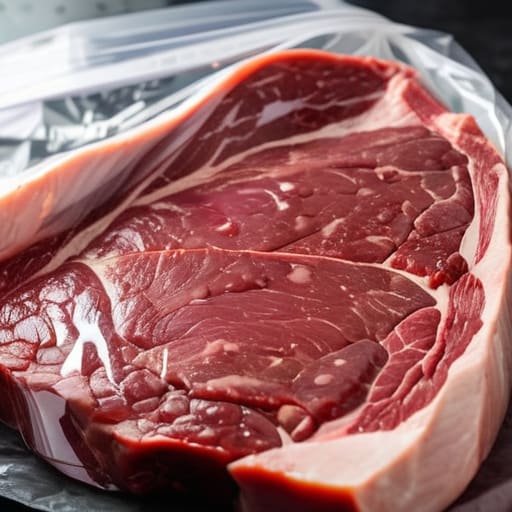
If you want to stop throwing money in the trash, you have to move beyond just tossing leftovers into a plastic bag and hoping for the best. The real secret to preventing freezer burn is all about air management. Air is the enemy here; it’s what causes those nasty ice crystals that turn your expensive steak into a block of flavored sawdust. If you’re serious about a long-term strategy, I highly recommend investing in a decent vacuum sealer. Vacuum sealing for long term storage is probably the single best way to ensure your food tastes exactly like it did the day you bought it, even months down the line.
Beyond the sealing process, you need to think about how you actually interact with your freezer on a Tuesday night. I’ve learned the hard way that a disorganized freezer is just a graveyard for forgotten ingredients. Use clear, stackable containers and label everything with a permanent marker—include the date and the contents, no exceptions. Implementing a few simple freezer organization hacks, like grouping proteins together or keeping a dedicated bin for frozen fruits, will save you from the dreaded “deep dive” where you’re digging through ice for ten minutes just to find one bag of peas.
The Real Secret to Preventing Freezer Burn

If you’ve ever pulled a bag of frozen peas out of the freezer only to find them covered in a layer of gray, jagged ice crystals, you’ve experienced the heartbreak of freezer burn. It’s not just an aesthetic issue; that ice is actually moisture being pulled out of your food, leaving it dry, tough, and flavorless. The real culprit is air. When air touches the surface of your food, it causes sublimation—the process where ice turns directly into gas—and that’s where the damage happens. To stop this, you have to be aggressive about eliminating every possible pocket of air before you seal the bag or container.
For short-term stuff, like a batch of leftover chili, a heavy-duty freezer bag works fine as long as you squeeze every last bit of air out manually. But if you’re looking at vacuum sealing for long term storage, that’s where you really win. Investing in a decent vacuum sealer is one of those small systems upgrades that pays for itself in saved groceries within a few months. By removing the air entirely, you create a literal barrier that keeps the food’s texture and nutrients intact. It’s a bit more effort upfront, but it’s the single most effective way of preventing freezer burn so you aren’t throwing money in the trash later.
My Go-To Tactics for a Frictionless Freezer
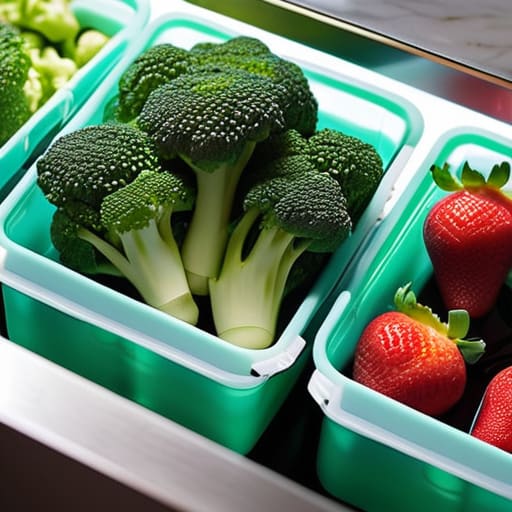
- Flash-freeze your small stuff. If you’re tossing in berries, peas, or even leftover meatballs, spread them out on a baking sheet in the freezer for an hour before bagging them. This stops them from turning into one giant, unusable frozen brick.
- Label everything with a Sharpie and a date. I’ve learned the hard way that “mystery meat” in a Ziploc bag is a recipe for regret. Write what it is and when it went in; your future self will thank you when you aren’t playing detective at 6:00 PM.
- Squeeze the air out like you mean it. Air is the enemy here. Whether you’re using vacuum sealer bags or just standard freezer bags, get as much oxygen out of that container as possible to keep the quality from tanking.
- Portion it out by meal, not by bulk. Don’t freeze a massive three-pound block of ground beef if you only ever use one pound at a time. Use smaller bags or containers so you only thaw exactly what you need for tonight’s dinner.
- Leave a little breathing room. Liquids expand when they freeze. If you’re freezing soup, sauce, or even a batch of homemade stock, leave at least an inch of headspace at the top of the container so you don’t end up with a cracked lid and a mess in your freezer.
The Philosophy of the Freezer
“Freezing food isn’t just about making things last longer; it’s about building a buffer between you and the chaos of a busy week. When you prep right, you aren’t just saving ingredients—you’re buying back your own time.”
Nathaniel 'Nate' Brooks
Streamlining Your Kitchen for the Long Haul
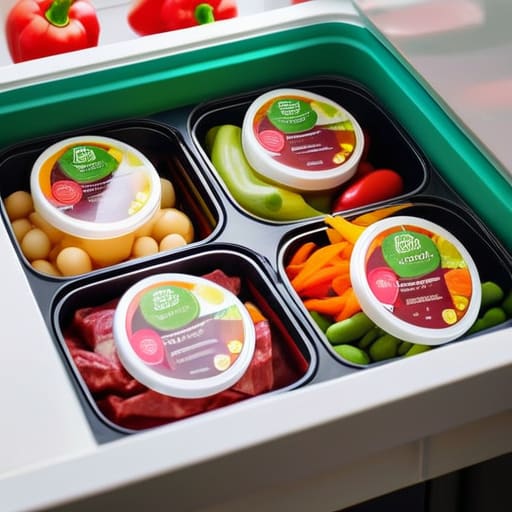
At the end of the day, freezing food isn’t about becoming a master chef; it’s about building a better system for your household. We’ve covered the essentials: using airtight containers to keep air out, labeling everything so you aren’t playing a guessing game with your leftovers, and understanding that properly managing temperature is the difference between a delicious meal and a block of ice crystals. If you take just two minutes to wrap that steak tightly or portion out that extra batch of chili, you’re effectively buying yourself time and money later in the week. It’s a small upfront investment that pays massive dividends when you’re staring at an empty fridge on a Tuesday night.
I know it feels like one more chore on an already overflowing to-do list, but try to look at it differently. Every container you prep is a gift to your future self—a way to eliminate the decision fatigue that usually hits right when you’re exhausted. We aren’t trying to run a commercial warehouse here; we’re just trying to make our lives run a little smoother. Start small, maybe just with one extra portion of dinner tonight, and watch how those tiny, organized habits eventually quiet the chaos of your daily routine. You’ve got this.
Frequently Asked Questions
How long can I actually keep things in the freezer before they lose their texture or taste?
Look, if you’re asking how long food stays “good,” you have to distinguish between safety and quality. Technically, most stuff is safe indefinitely if it’s kept at 0°F, but nobody wants to eat a gray, freezer-burned steak. For the best results, aim for three months for most meats and cooked meals. If you push it to six months, you’re playing a dangerous game with texture. Treat your freezer like a revolving door, not a graveyard.
Do I really need to thaw everything in the fridge, or can I just throw frozen items straight into the oven or pan?
Look, if you’re looking for the absolute gold standard, the fridge is your best bet for texture and safety. But I get it—sometimes you just need to eat. You can absolutely cook from frozen, but you have to adjust your strategy. If it’s going in the oven, lower the temp slightly and add more time so the outside doesn’t burn before the middle thaws. For a pan, just keep the heat medium so you don’t scorch it.
Is there a way to freeze delicate stuff, like herbs or berries, without them turning into a giant, unusable block of ice?
The trick is to avoid the “ice block” trap by using a flash-freeze method. For berries, spread them out on a parchment-lined tray in a single layer and pop them in the freezer for a few hours before bagging them. For herbs, chop them up, toss them into an ice cube tray with a bit of olive oil or water, and freeze. Once solid, transfer the cubes to a bag. It’s a small extra step, but it saves so much frustration later.
How do I keep my freezer from smelling like a mix of everything I've stored in there?
There’s nothing worse than pulling out a bag of peas only to have them taste like last week’s salmon. To kill that “mystery smell,” start by checking your seals; if your gaskets are cracked, odors leak in and out. More importantly, ditch the open bags. Everything needs to be in airtight, heavy-duty containers or vacuum-sealed. Finally, keep an open box of baking soda in the corner. It’s a simple, low-tech fix that actually works.