I used to think that having a “professional” kitchen meant owning every single gadget featured in those glossy, overproduced cooking shows—the vacuum sealers, the specialized herb scissors, the $400 pasta rollers. I spent my early twenties chasing that expensive myth, only to realize I was just creating more clutter and more things to clean. Most of the kitchen tips and tricks you see online are just thinly veiled advertisements for products you don’t actually need to make a decent meal. Honestly, if a piece of equipment doesn’t solve a specific, recurring friction point in your routine, it’s just expensive shelf candy that’s getting in your way.
I’m not here to sell you a lifestyle or a new set of copper pots. My goal is much simpler: I want to help you optimize your space so you can actually enjoy the process of cooking without the usual headache. I’ve spent years refining a set of systematic adjustments—from how you stage your prep area to how you manage your pantry—that prioritize efficiency over aesthetics. We aren’t aiming for a Michelin-star setup; we’re just aiming to eliminate the chaos so you can focus on the food.
Table of Contents
Mastering Knife Skills for Beginners Without the Stress
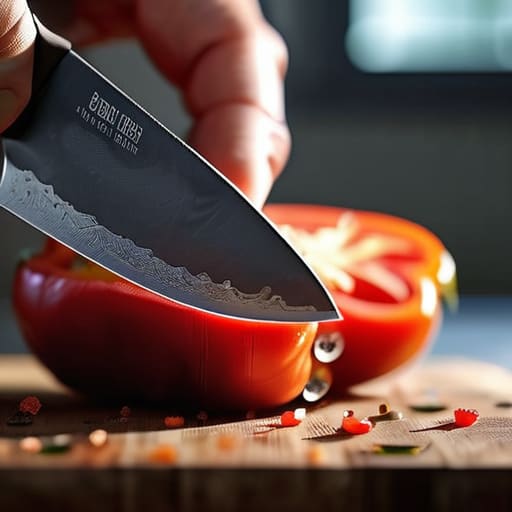
Look, I used to treat chopping vegetables like a high-stakes game of Operation, standing there with a dull blade and a prayer, hoping I wouldn’t lose a fingertip. But here’s the truth: most of the “chaos” in the kitchen stems from a lack of basic technique. If you want to actually improve your meal prep efficiency, you have to stop hacking at your food and start focusing on your grip. I always tell people to ditch the “hammer grip” and instead use the pinch grip—holding the blade itself between your thumb and index finger. It gives you way more control and turns a frantic sawing motion into a precise, rhythmic slice.
Once you get the grip down, the real secret to mastering knife skills for beginners is the “claw.” Curl your non-cutting hand into a claw shape, tucking your knuckles inward so your fingertips are safely tucked away. Your blade should rest against your knuckles, guiding the movement without any risk of a nick. It feels awkward for the first twenty minutes, but once it clicks, you’ll realize how much time you were actually wasting. It’s not about speed; it’s about eliminating the friction of constant, hesitant movements. Once your rhythm is steady, the prep work stops feeling like a chore and starts feeling like a system.
Culinary Time Saving Techniques for the Busy Professional
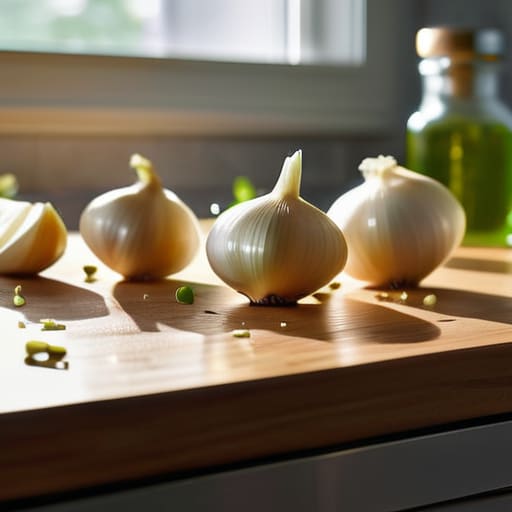
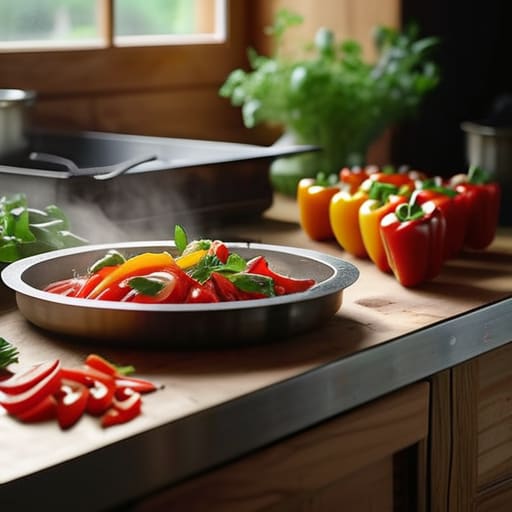
If you’re like me, you probably spend most of your day solving complex problems at a desk, only to come home and realize you have zero mental bandwidth left to figure out what’s for dinner. The mistake most people make is treating cooking like a creative marathon every single night. Instead, you need to treat it like a system. I’ve found that true meal prep efficiency isn’t about spending your entire Sunday in a cloud of flour; it’s about the small, tactical wins. I’m talking about washing and chopping your aromatics—onions, garlic, ginger—the moment you get home from the store. If those ingredients are already prepped and sitting in a clear container, the barrier to starting a healthy meal drops significantly.
Another way to reclaim your evening is to audit your workflow. I used to lose ten minutes every night just hunting for a lid that fit a specific container or searching for the one whisk that actually works. Investing in some decent food storage solutions—specifically uniform, stackable glass containers—removes that micro-friction. When your fridge is organized and your tools are exactly where they should be, you stop fighting your environment and start actually enjoying the process. It’s not about being a gourmet chef; it’s about building a kitchen that works for you, not against you.
Stop Searching, Start Cooking: Five Small Systems to Fix Your Kitchen Chaos
- Stop the “Cabinet Scavenger Hunt” by grouping your tools by task, not by type. Keep your oils, salt, and most-used spices right next to the stove, and keep your prep tools—like peelers and graters—in one dedicated zone. If you have to walk across the kitchen to grab a spatula mid-saute, your system is broken.
- Optimize your “Mise en Place” for the modern age. I don’t care if you aren’t a professional chef, but prepping every single ingredient into small bowls before you even turn on the heat changes everything. It eliminates that frantic, mid-cook moment where you realize you forgot to mince the garlic while the onions are already burning.
- Audit your “Prime Real Estate.” The shelves between your waist and eye level are your most valuable assets. If you’re storing heavy Dutch ovens or rarely used holiday platters there, you’re wasting energy. Move the stuff you use every single day to the center, and relegate the “once-a-year” gear to the high or low shelves.
- Implement a “Clean as You Go” protocol that actually works. Don’t wait until the meal is finished to face a mountain of dishes. I make it a rule to use the “dead time”—the three minutes while the water is boiling or the meat is searing—to wash the cutting board and prep bowls. By the time you sit down to eat, the kitchen is already halfway reset.
- Stop buying “Single-Use” gadgets that just clutter your drawers. Most of those specialized avocado slicers or garlic presses are just expensive pieces of plastic that take up space. Stick to high-quality, multi-purpose tools like a solid chef’s knife, a heavy-duty skillet, and a reliable microplane. Less gear means less to clean and less to manage.
The Philosophy of a Functional Kitchen
“A kitchen shouldn’t feel like a battlefield you have to prepare for every night; it should be a well-oiled system where the tools are exactly where you need them and the friction is almost zero.”
Nathaniel 'Nate' Brooks
Streamlining Your Way to Better Meals
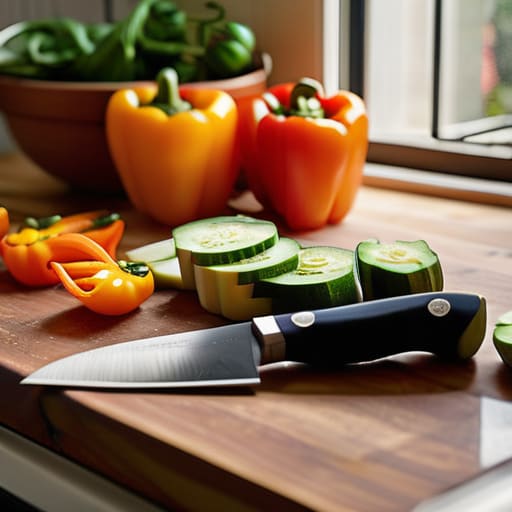
At the end of the day, a functional kitchen isn’t about having the most expensive gadgets or a professional-grade setup; it’s about removing the friction that makes cooking feel like a chore. We’ve talked about sharpening your knife skills to save your hands and your time, and we’ve looked at how high-level time-saving techniques can keep you from feeling like a short-order cook during a hectic work week. If you implement even just one or two of these small adjustments—whether it’s better prep habits or smarter organization—you’ll notice the mental load of mealtime starts to lift. It’s all about optimizing the workflow so the process becomes second nature.
Look, I know how it goes. Some nights you’ll nail the routine, and other nights you’ll end up staring at a pile of dirty dishes, wondering why you even tried. That’s fine. My philosophy has always been that we aren’t aiming for a Michelin-star kitchen; we’re just aiming for a system that actually works for us. Don’t let the pursuit of a “perfect” kitchen stop you from actually enjoying your food. Focus on the small, incremental wins that make your life easier, and eventually, those tweaks will turn your kitchen from a source of stress into a place where you can actually decompress.
Frequently Asked Questions
How do I organize my pantry so I actually know what I have before I head to the grocery store?
Stop playing the guessing game with your groceries. The secret isn’t fancy matching jars; it’s visibility and zones. Group your staples—grains, canned goods, spices—into clear bins so you can see the “stock levels” at a glance. I also swear by a “First In, First Out” system: rotate older items to the front. If you can’t see it, you’ll buy it twice. Keep it simple, keep it visible, and your grocery trips will actually be efficient.
Is it worth investing in high-end kitchen gadgets, or should I just stick to the basics?
Look, I’ve spent enough time analyzing systems to know that more gear rarely equals more efficiency. Most high-end gadgets are just shiny distractions that take up drawer space and add cleaning friction. My rule of thumb? Invest in the “workhorses”—a heavy chef’s knife, a solid cast iron skillet, and maybe a decent digital thermometer. Everything else is usually just marketing. Don’t buy a specialized tool until you’ve mastered the basics with what you have.
What are some realistic ways to meal prep without spending my entire Sunday stuck in the kitchen?
Stop treating meal prep like a marathon. If you try to cook five full recipes on Sunday, you’ll burn out by Tuesday. Instead, I use “component prepping.” I’ll roast two trays of veggies, cook a big batch of grains, and prep one protein. That’s it. You aren’t building finished meals; you’re building a library of building blocks. It’s much faster, keeps the food from getting soggy, and actually lets you enjoy your Sunday.
How can I keep my workspace clean and organized while I'm actually in the middle of cooking?
The secret isn’t a deep clean at the end; it’s “clean as you go” integration. I treat my kitchen like a system: every time a pot simmers or the oven preheats, that’s your window. Don’t just stand there waiting. Use those three-minute gaps to scrub the cutting board or load the dishwasher. If you wait until the meal is finished to face the mess, you’ve already lost the battle to burnout.