I spent most of my twenties staring blankly into my fridge at 7:00 PM, paralyzed by the decision fatigue of trying to cook something healthy after a ten-hour shift. It’s a special kind of exhaustion that leads to expensive, mediocre takeout and a sense of wasted potential. I realized that my problem wasn’t a lack of culinary skill; it was a lack of systems. We often treat cooking like a massive, looming project rather than a series of small, manageable tasks. Finding easy meal prep ideas isn’t about becoming a gourmet chef or spending your entire Sunday in a flour-dusted apron; it’s about reducing the friction between being hungry and being fed.
In this guide, I’m stripping away the fluff and sharing eight specific, low-effort strategies I use to keep my week running smoothly. We aren’t going for Pinterest-perfect glass containers or complex five-course menus here. Instead, I’m going to show you how to implement minimalist workflows in your kitchen that save you time, money, and a massive amount of mental energy. These are the small, actionable adjustments that will help you stop wrestling with your kitchen and start actually enjoying your food again.
Table of Contents
The Protein Foundation
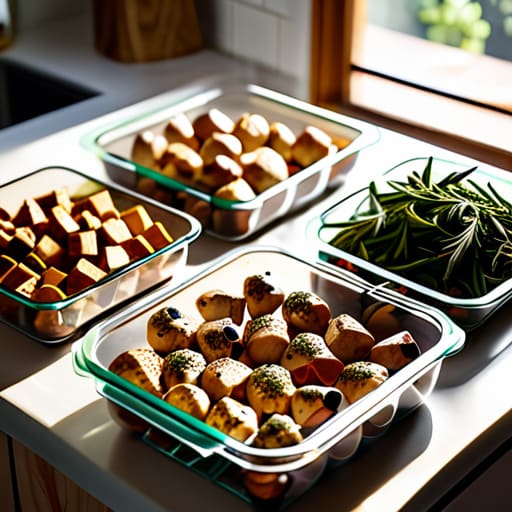
Most people fail at meal prep because they try to build entire recipes from scratch every single time. That’s a recipe for burnout. Instead, I treat my Sunday prep like a systems deployment: I focus on the core components first. I usually roast two pounds of chicken thighs or bake a large tray of seasoned tofu. Once those proteins are sitting in the fridge, the heavy lifting is basically done.
Master the Grain Batch
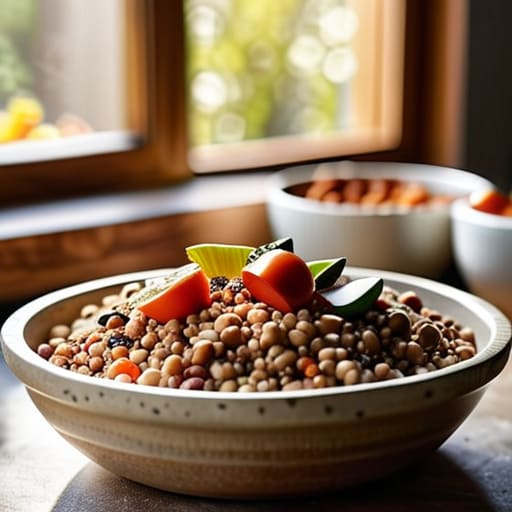
If you’re living off of processed snacks because you’re too tired to boil water, you need a grain strategy. I don’t bother with tiny portions; I make a massive batch of quinoa, farro, or brown rice all at once. These grains are incredibly forgiving and actually tend to hold their texture better after a few days in the fridge, making them the perfect structural base for any meal.
Chop Once, Eat Thrice
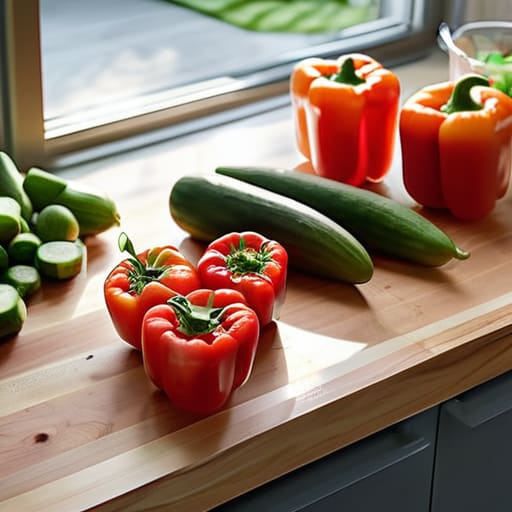
There is nothing that kills my motivation to cook more than a sink full of vegetable scraps and a cutting board that needs scrubbing. I’ve learned that the most efficient way to handle veggies is to do all my chopping in one single, focused session. I’ll wash and dice onions, bell peppers, and cucumbers all at once, then store them in clear, airtight containers.
The Sauce Strategy
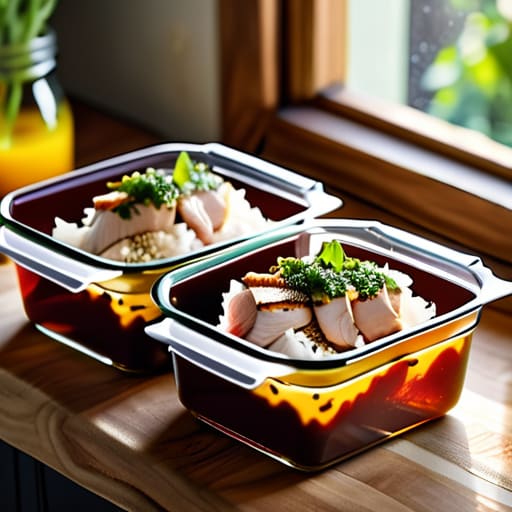
A meal can be healthy and nutritious, but if it’s bland, you won’t stick to the routine. I never rely on the same bottled dressing every week; instead, I keep a few versatile sauces ready to go. A good tahini dressing, a spicy chili oil, or a simple lemon-garlic vinaigrette can transform the exact same chicken and rice combo into three entirely different flavor profiles.
Sheet Pan Simplicity
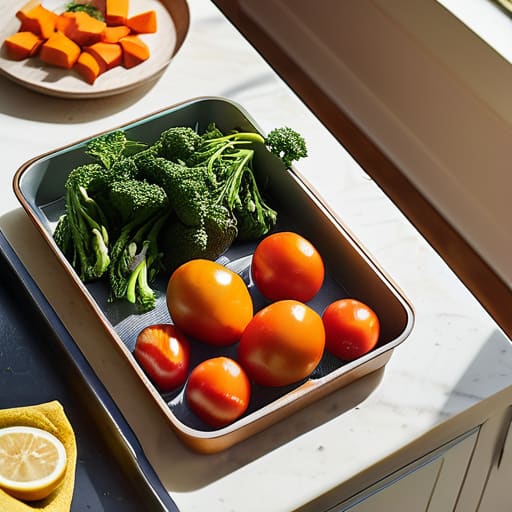
If you aren’t using your oven to its full potential, you’re working too hard. Sheet pan meals are the ultimate “set it and forget it” hack for anyone with a busy schedule. I’ll throw some smoked sausage, broccoli florets, and sweet potato cubes onto a single tray, drizzle them with olive oil, and let the oven do the work while I focus on something else.
Breakfast on Autopilot
I used to lose a significant amount of mental energy every morning just deciding what to eat for breakfast. Now, I use the “batch and grab” method, specifically with overnight oats or egg muffins. I’ll prep a week’s worth of oats in mason jars on Sunday night, and then my morning routine becomes a zero-decision process.
Modular Salad Jars
Most people hate meal-prepped salads because they end up soggy and unappealing by day two. The fix is simple: use the layering method in glass jars. You put your heavy, “wet” ingredients like chickpeas or cucumbers at the bottom, then your proteins, then your grains, and finally your leafy greens at the very top. This keeps the dressing away from the leaves until the moment you’re ready to eat.
Freeze Your Surplus
One of the biggest mistakes in meal prepping is making too much of a single item and realizing you can’t possibly eat it all before it spoils. I view my freezer as a buffer against waste. If I’ve made an extra portion of chili or a large batch of lentil soup, I don’t force myself to eat it; I portion it out into individual containers and freeze it immediately.
The Philosophy of the Prep
Meal prep isn’t about spending your entire Sunday in a plastic apron; it’s about building a small buffer between your busy workday and a decision-fatigued, expensive takeout order.
Nathaniel 'Nate' Brooks
Stop Overthinking the Prep
At the end of the day, meal prepping isn’t about turning your kitchen into a high-output factory or spending your entire Sunday in a flour-dusted trance. It’s about the small wins: having a batch of roasted veggies ready for a quick grain bowl, or having a protein already cooked so you aren’t ordering takeout because you’re too tired to think. Whether you’re focusing on component prepping to keep things flexible or just mastering the art of the big batch soup, the goal is the same. You’re essentially just building a buffer between your busy schedule and your nutritional needs.
Don’t feel like you have to implement every single one of these ideas by next Monday. If you try to overhaul your entire lifestyle overnight, you’ll probably burn out by Wednesday. Instead, just pick one thing—maybe it’s just washing your fruit or pre-chopping one onion—and see how it feels. We aren’t aiming for a Michelin-star pantry; we’re just trying to reduce the friction of Tuesday night. Start small, keep your systems simple, and let the extra time you save go toward something that actually matters to you.
Frequently Asked Questions
How long can I actually keep these prepped meals in the fridge before they start tasting like science experiments?
Look, I’m all for efficiency, but I’m not into food poisoning. Generally, you’re looking at a three-to-four-day window for most cooked proteins and veggies. If you prep on Sunday, you’re golden through Thursday. Beyond that, things start losing their texture and, frankly, their soul. If you’ve gone overboard and prepped for the whole week, just move the Friday portions to the freezer immediately. Better to freeze it now than regret it later.
Do I really need to buy a bunch of matching containers, or can I just use whatever I have in the cupboard?
Look, I get the temptation. There’s something satisfying about a uniform set of glass containers stacked perfectly in the fridge. But honestly? Don’t fall into that trap. It’s just another unnecessary expense. Use what you have. If you’ve got mismatched Tupperware or old glass jars, use them. The goal here is reducing friction, not curating an aesthetic for your leftovers. As long as they’re airtight and stackable, you’re winning.
What’s the best way to prep without spending my entire Sunday afternoon stuck in the kitchen?
The secret is to stop treating meal prep like a marathon and start treating it like a batch process. Don’t try to cook ten different recipes; just prep three versatile components—a grain, a roasted veggie, and two proteins. If you roast a big tray of sweet potatoes and boil a pot of quinoa while your chicken is in the oven, you’re done in forty minutes. Work smarter, not longer.
How do I keep things from getting boring if I'm eating similar bases every single day?
The trick is to treat your base like a blank canvas, not a finished meal. If you’re eating roasted sweet potatoes or quinoa every day, don’t change the base—change the “flavor profile.” One night, go heavy on cumin and lime for a Tex-Mex vibe; the next, hit it with soy sauce and ginger for something more East Asian. Swap your sauces and spices, not your prep work. It’s about high impact with zero extra effort.