I spent most of my early twenties thinking that if I just bought a $200 high-tech rice cooker or followed some overly complex recipe from a food blog, I’d finally master the basics. I was wrong. I wasted countless bags of grain and even more time dealing with that dreaded, gummy texture that ruins a decent meal. The truth is, most “expert” advice is just noise designed to make a simple process feel like a science experiment. Learning how to cook rice perfectly isn’t about expensive gadgets or esoteric techniques; it’s about understanding the basic mechanics of water, heat, and timing.
I’m not here to give you a lecture or a list of ingredients you can’t find at a standard grocery store. Instead, I’m going to give you the streamlined, repeatable system I use to ensure every batch comes out fluffy and distinct. We’re going to strip away the fluff and focus on the small, actionable adjustments—like the exact way you rinse the starch away—that actually move the needle. We aren’t aiming for a culinary masterpiece here; we’re just aiming for a reliable result every single time you hit the stove.
Table of Contents
The Rinsing White Rice Importance You Cant Ignore
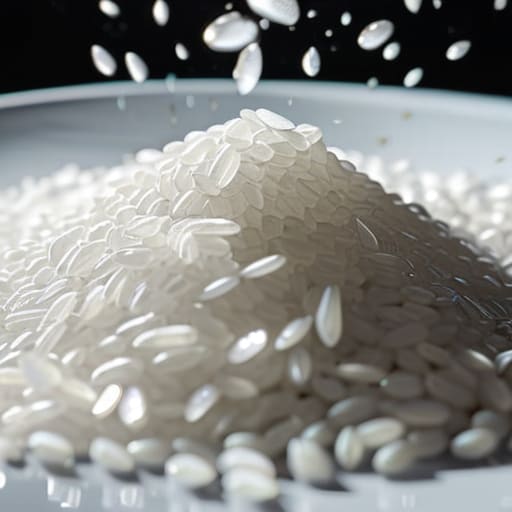
Look, I know it feels like an extra, tedious step when you’re already hungry, but if you skip this, you’re essentially setting yourself up for failure. Most people think the white powder in the bag is just part of the grain, but it’s actually excess surface starch. If you don’t wash that away, that starch turns into a literal glue once heat hits the pot. This is the primary reason most home cooks end up with a gummy, clumping mess instead of distinct, fluffy grains. Understanding the rinsing white rice importance is the difference between a meal that feels premium and one that feels like a heavy, starchy chore.
I usually grab a fine-mesh strainer—never use the big colander, or you’ll lose half your grains down the drain—and run cold water over the rice until the water runs clear. It’s not about being a perfectionist; it’s about removing the friction of a bad texture. When you get that starch off, you’re significantly better at avoiding mushy rice later in the process. It’s a small, thirty-second investment in your future self that ensures the grains stay separate and light, regardless of whether you’re using a stovetop or your best rice cooker settings.
Mastering Your Rice to Water Ratio Guide
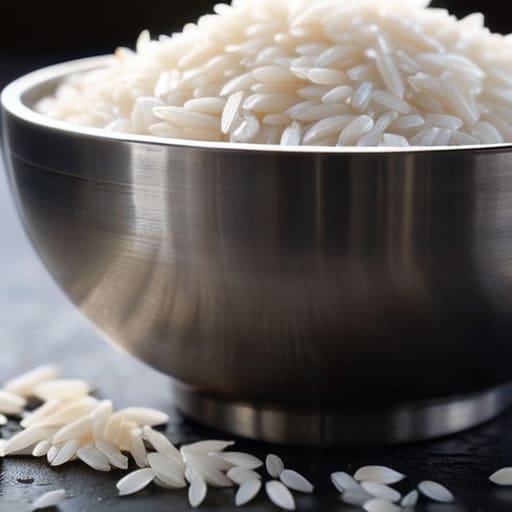
Look, if you’re still eyeballing your water levels, you’re playing a dangerous game with your dinner. I spent years treating rice like a “vibe” rather than a process, only to end up with a pot of gummy, unpalatable starch every single time. To stop the cycle of avoiding mushy rice through sheer luck, you need to treat your rice-to-water ratio like a system. Most people think a standard 2:1 ratio is the golden rule, but that’s a simplification that often leads to disaster depending on the grain you’re using.
If you’re working with long-grain varieties, I’ve found that a slightly tighter ratio—closer to 1:1.5—is the sweet spot for keeping those grains distinct and firm. When I’m utilizing specific cooking basmati rice tips, I always lean toward slightly less water to ensure that signature floral aroma doesn’t get drowned out by excess moisture. It’s all about the math. If you’re using a machine, don’t just rely on the default presets; check your manual to see if your specific model prefers a different calibration. Once you nail the ratio, the rest of the process becomes a predictable, low-friction task rather than a stressful guessing game.
Five Small Adjustments for a Better Pot of Rice
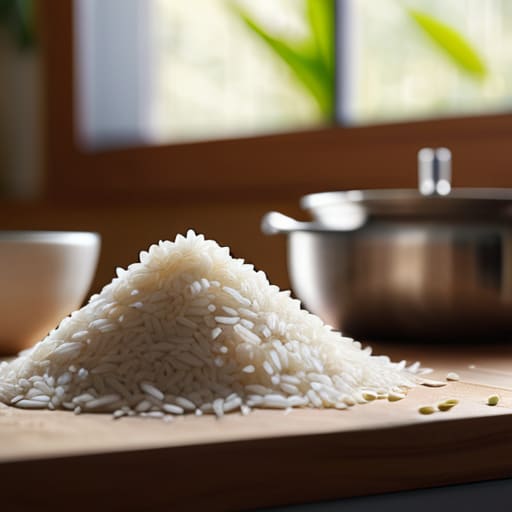
- Stop rushing the steam. Once the water is absorbed, kill the heat but leave the lid on for at least ten minutes. If you rush this part, you’re just going to end up with unevenly cooked grains that are hard on the outside and gummy in the middle.
- Use the right tool for the job. If you’re still using a pot with a loose-fitting lid, you’re losing precious moisture to evaporation. A tight seal is the difference between fluffy rice and a dry, frustrating mess.
- Don’t touch it. I know the urge to stir the rice while it’s cooking is strong, but resist it. Stirring breaks the delicate starch structures and turns your meal into a bowl of paste. Let the heat do the work in silence.
- Upgrade your fat source. If you want a little extra texture and a richer mouthfeel, sauté your dry rice in a teaspoon of butter or oil for a minute before adding the water. It coats the grains and prevents them from clumping together.
- Fluff, don’t mash. When the timer finally goes off, use a fork or a rice paddle to gently lift and aerate the grains. You want to introduce air into the pot to separate the grains, not smash them into a heavy block.
## The Philosophy of the Grain
“Cooking rice isn’t some mystical culinary art; it’s just a simple system of ratios and patience. Once you stop treating it like a guessing game and start respecting the variables, you stop wasting ingredients and start actually enjoying your meal.”
Nathaniel 'Nate' Brooks
Getting It Right Every Time
At the end of the day, cooking great rice isn’t about some secret culinary technique; it’s about managing the variables. If you take the time to rinse that starch away and actually respect the water ratio instead of just eyeballing it, you’ve already won half the battle. It’s these tiny, repeatable adjustments—the kind of small optimizations I live for—that turn a kitchen frustration into a reliable, automated win. Once you stop guessing and start following a consistent system, you’ll stop wasting expensive grains and start enjoying a side dish that actually complements your meal rather than dragging it down.
I know it might feel like overkill to treat a simple pot of rice with this much precision, but that’s the point. When you streamline the small things, you remove the mental friction that makes cooking feel like a chore. You aren’t just making dinner; you’re building a reliable routine that works for you. Don’t aim for a Michelin-star masterpiece every single night—just aim for a version that’s better than the last time you failed. Once you master the system, the results will speak for themselves, leaving you more time to focus on the stuff that actually matters, like enjoying the meal.
Frequently Asked Questions
What’s the best way to handle different types of rice, like jasmine or basmati, if the standard ratio isn't working?
Look, if the standard 1:2 ratio is giving you mush, stop forcing it. Jasmine and Basmati are temperamental; they need precision. For Jasmine, I usually lean toward a slightly tighter 1:1.5 ratio to keep those grains distinct and fragrant. Basmati often prefers a bit more breathing room—try 1:1.75. The real trick, though, is the rest period. Let it sit, covered, for ten minutes after the heat is off. That’s where the magic happens.
How can I tell if my rice is actually done without overcooking it into a mushy mess?
The “tooth test” is your best friend here. Don’t just poke it with a fork; take a single grain, let it cool for a second, and bite down. You’re looking for a slight resistance in the center—what we call al dente. If it’s crunchy, it needs more time; if it’s soft all the way through, you’ve hit the sweet spot. If you’re still unsure, check the bottom; if the water is gone and it’s steaming, let it rest.
Is it worth it to use a rice cooker, or am I better off sticking to the stovetop method?
Look, if you’re asking me, it’s a question of friction versus control. If you want to set it and forget it—meaning you can walk away to work on a project or tend to a brisket without hovering over a pot—get a rice cooker. It’s the ultimate system for consistency. But if you’re a purist who wants total control over the texture and the exact moment the steam hits, stick to the stovetop.
What should I do if I accidentally end up with rice that's too dry or too sticky?
If you’ve already hit the “serve” stage and realized you’ve botched it, don’t panic. If it’s too dry, sprinkle a tablespoon of hot water over the top, cover it tightly, and let it steam for five minutes off the heat. If it’s a sticky, gummy mess, your best bet is to embrace the failure: spread it on a tray to cool quickly, or better yet, pivot and turn it into fried rice.