I used to think that being “eco-friendly” meant buying expensive glass canisters and following some complex, aesthetic meal-prepping ritual that looked great on Instagram but failed by Wednesday. Honestly, that’s just another way to waste time and money. I spent years treating my fridge like a graveyard for expensive organic spinach and forgotten avocados, thinking I was doing my part by buying “better” ingredients. But the truth is, if your system is broken, it doesn’t matter how high-end your produce is—you’re still just throwing cash into the bin. I realized that learning how to reduce food waste isn’t about buying fancy gadgets; it’s about fixing the glitchy systems in your kitchen that cause the rot in the first place.
I’m not here to give you a lecture on saving the planet or a list of complicated lifestyle changes that won’t stick. Instead, I want to share the specific, low-friction adjustments I’ve made to my own routine to stop the bleed. We’re going to look at a few practical, spreadsheet-tested tweaks to your shopping and storage habits that actually work for real life. No hype, no expensive gear—just better ways to manage what you already have.
Table of Contents
Mastering Sustainable Grocery Shopping Habits
The biggest mistake I see people make isn’t what they do with their leftovers; it’s what they do in the grocery store aisles. Most of us shop on autopilot, grabbing whatever looks good in the moment, only to realize three days later that we have a wilted bag of spinach and a carton of heavy cream staring us down. To fix this, you need to treat your shopping trips like a system. I’ve found that meal planning for efficiency is the only way to stop the cycle of impulse buys. Before you even leave the house, check your inventory and write a literal list. If it’s not on the list, it doesn’t go in the cart. It sounds rigid, but it’s actually the ultimate way to reclaim your time and your budget.
Once you’re actually at the store, focus on buying for the week, not the month. It’s tempting to stock up on bulk deals, but if you aren’t eating that much protein or produce in a seven-day window, you’re just pre-ordering trash. I also make it a point to prioritize minimizing single-use packaging wherever possible. By choosing loose vegetables over those plastic-wrapped trays, you’re doing more than just reducing your household food footprint; you’re making your post-shop cleanup much easier. It’s about building a workflow that works for you, rather than fighting against your own habits.
Meal Planning for Efficiency and Less Stress
If there’s one thing my background in systems analysis has taught me, it’s that chaos usually stems from a lack of a reliable framework. Most people treat meal planning like a creative chore, but I view it as a way to eliminate decision fatigue. Instead of staring blankly at a fridge full of random ingredients on a Tuesday night, I build a repeatable loop. I start by auditing what I already have, then I build my weekly menu around those existing items. This approach to meal planning for efficiency ensures that every single ingredient has a clear purpose and a deadline, rather than just sitting in a vegetable drawer waiting for its inevitable demise.
I’m not talking about those rigid, Pinterest-perfect meal plans that require three hours of prep every Sunday—that’s a recipe for burnout. I’m talking about a “modular” system. I prep a few versatile components—like a big batch of roasted grains or a versatile protein—and then rotate them through different flavor profiles throughout the week. This keeps things interesting without requiring a massive grocery haul every time. When you treat your kitchen like a streamlined workflow, you aren’t just saving time; you’re actively reducing your household food footprint by making sure nothing is bought without a concrete plan for its consumption.
The "Inventory First" Approach: 5 Small Tweaks to Save Your Groceries
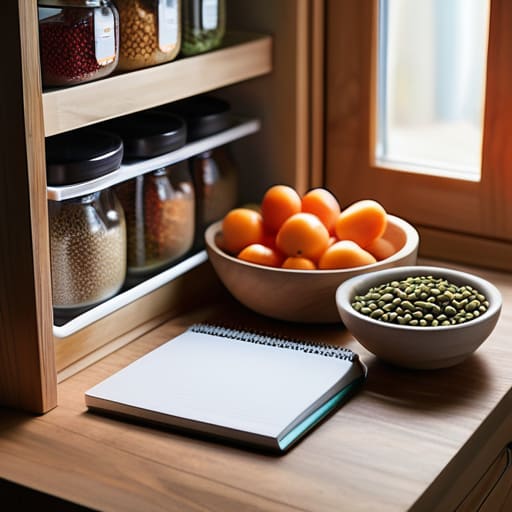
- Stop the “Double-Buy” Cycle: Before you even step foot in the store, take a quick photo of your fridge and pantry. It sounds simple, but it prevents that moment of realization halfway through the aisle where you realize you already have three jars of mayo and a bag of spinach that’s about to turn into sludge.
- Audit Your “Forgotten” Zones: We all have that one crisper drawer or the back corner of the pantry where ingredients go to die. Once a week—maybe while you’re waiting for a slow-cooker to hit temperature—do a quick sweep of those dark corners. If something is looking a little sad, move it to the front or cook it immediately.
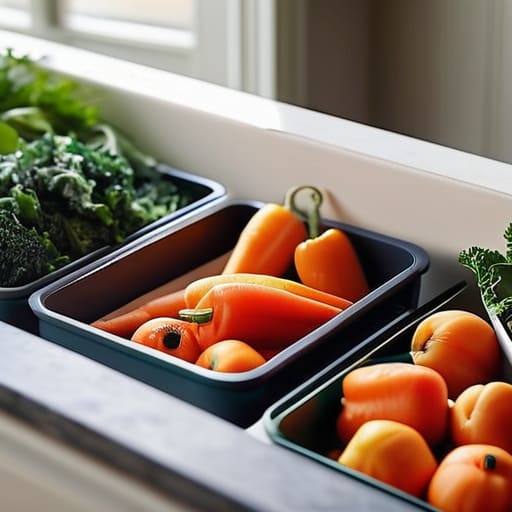
- Master the Art of the “Eat Me First” Box: I keep a small, clear bin in my fridge specifically for items that are nearing their expiration date. When I’m hungry and looking for a snack, if it’s in the bin, it’s the priority. It removes the decision fatigue and ensures nothing gets lost in the shuffle.
- Freeze Everything (Seriously): Most people think freezing is just for meat, but it’s a lifesaver for produce. If your herbs are wilting, chop them up and toss them in an ice cube tray with olive oil. If your fruit is getting soft, throw it in a bag for smoothies. It’s about extending the lifecycle of your investment.
- Treat Your Leftovers Like a Resource, Not an Afterthought: Instead of just shoving a Tupperware into the fridge and hoping for the best, treat leftovers as a “pre-made” component for your next meal. That leftover roasted chicken isn’t just a meal; it’s the foundation for tomorrow’s tacos or a quick salad. It turns cooking into a streamlined process rather than a daily chore.
The Real Cost of a Messy Fridge
“Food waste isn’t just a sustainability issue; it’s a system failure. When we let produce rot in the back of the crisper, we aren’t just tossing groceries—we’re tossing the time, money, and energy we spent to get them there. Fixing it isn’t about being a perfect chef; it’s about building better workflows for your kitchen.”
Nathaniel 'Nate' Brooks
Streamlining Your Kitchen for the Long Haul
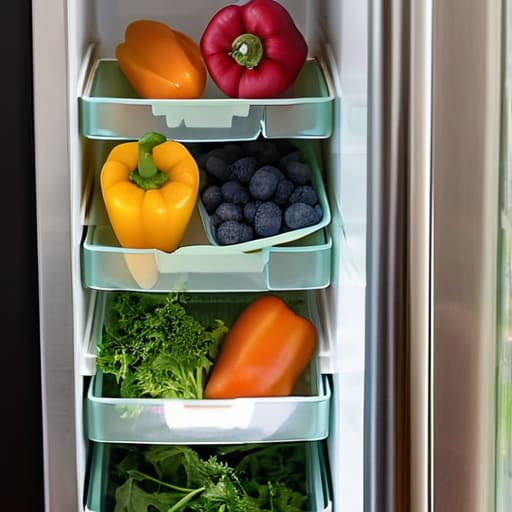
At the end of the day, reducing food waste isn’t about following a rigid, perfect set of rules; it’s about building a better system. We’ve talked about how a more intentional grocery run, a solid meal plan, and a little more awareness of what’s actually sitting in your fridge can change everything. It’s about moving away from reactive eating—where you’re constantly scrambling to save something before it turns—and moving toward a proactive routine that actually works for your lifestyle. By applying these small, tactical adjustments, you aren’t just saving a few bucks on your weekly bill; you are eliminating the mental friction of a chaotic kitchen.
Look, I know how it goes. Some weeks you’ll nail it, and other weeks, that bag of spinach will still end up as a science experiment in the crisper drawer. That’s fine. Don’t let the pursuit of a perfect zero-waste lifestyle become another source of burnout. The goal here isn’t perfection; it’s simply about making better decisions than you were making last month. Start with one tweak, master it, and let the efficiency build from there. Once you stop fighting your kitchen and start managing it, you’ll realize that a streamlined home is one of the best investments you can make for your sanity.
Frequently Asked Questions
How do I actually know which items in my fridge are about to expire before it's too late?
The “eye test” isn’t enough, and by the time things look bad, it’s usually too late. I started using a simple “Eat Me First” bin—a clear container right at eye level in the fridge. If it goes in there, it’s on the menu within 48 hours. I also keep a small dry-erase board on the door to jot down dates for high-stakes items like meat or opened dairy. It takes ten seconds, but it stops the guesswork.
Is it worth investing in specific storage containers, or is that just more clutter?
Look, I’m all about minimizing friction, and nothing creates more mental clutter than a mismatched drawer of Tupperware lids that don’t fit anything. My take? Don’t buy a massive 50-piece set just because it’s on sale. Instead, invest in a few high-quality, uniform glass containers. They stack perfectly, they don’t stain, and they’re microwave-safe. If they serve a functional purpose and save space, they aren’t clutter—they’re part of a better system.
What are some realistic ways to use up leftovers without eating the same meal three days in a row?
The trick is to stop viewing leftovers as “the meal” and start seeing them as “components.” If you have leftover roasted chicken, don’t just reheat it; shred it for tacos or toss it into a quick pesto pasta. Same for grains—that extra quinoa is just a base for a Mediterranean bowl the next day. Treat your fridge like a pantry of modular parts, and you’ll never feel like you’re eating yesterday’s leftovers.
How do I handle food scraps that aren't edible without making my kitchen smell?
The smell is usually the result of trapped moisture and heat. To fix this, I recommend a two-pronged approach: first, get a small, airtight compost bin with a charcoal filter—it’s a game changer for keeping odors contained. Second, don’t let scraps sit in a warm bin overnight. If you can, toss them in a sealed bag in the freezer until your collection day. It’s a bit unconventional, but it keeps your kitchen smelling clean and eliminates the fruit fly problem entirely.