
I remember sitting at my kitchen table three years ago, staring at a receipt that felt more like a ransom note than a grocery bill. I had spent my entire Saturday “meal prepping” like some lifestyle influencer, only to realize I’d spent eighty bucks on organic kale and specialty grains that were now just rotting in my crisper drawer. Most of the advice you find online about how to lower food costs is either incredibly condescending or requires you to live on nothing but lentils and tap water. It’s frustrating because we aren’t looking for a radical lifestyle overhaul; we’re just looking for a system that actually works without making us miserable.
I’m not here to sell you on some “magic” grocery hack or tell you to stop eating meat entirely. Instead, I want to share the practical, spreadsheet-tested adjustments I’ve made to stop the constant leak in my bank account. We’re going to focus on small, actionable shifts in how you shop, plan, and store your food to maximize your efficiency. My goal is to help you cut the waste and reclaim your budget so you can spend that money on things that actually matter.
Table of Contents
Mastering Grocery Shopping on a Budget Without the Stress
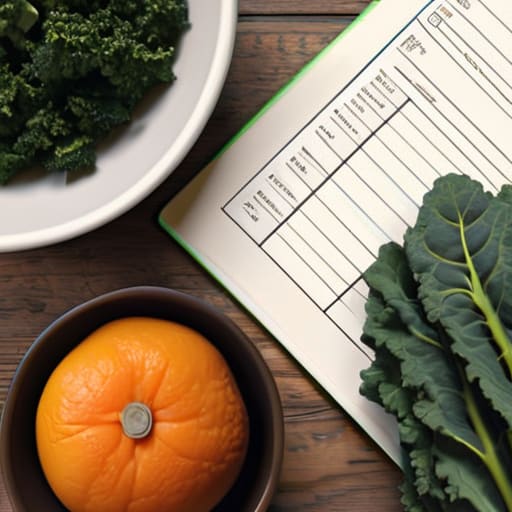
The biggest mistake I see people make isn’t a lack of discipline; it’s a lack of a system. Most of us walk into a supermarket with a vague idea of what we want, wander the aisles, and end up with a cart full of impulse buys that we’ll likely toss in the trash by Friday. To fix this, you have to treat your shopping trip like a logistics problem. This starts with meal planning for savings long before you even grab your keys. If you know exactly what you’re making for Tuesday’s dinner, you aren’t just buying food; you’re buying ingredients for a specific outcome. This precision is the most effective way to ensure you’re actually reducing food waste, which is essentially just throwing cash directly into the bin.
Once you have your plan, you need to optimize your inventory. I’m a big believer in building a foundation of affordable pantry staples—think rice, lentils, canned tomatoes, and spices. These are your “buffer” ingredients. When your budget gets tight toward the end of the month, these items allow you to whip up a decent meal without a massive trip to the store. I also try to lean into seasonal produce advantages whenever possible; if a vegetable is in season, it’s cheaper, tastes better, and is usually more nutrient-dense. It’s about working with the system, not fighting it.
The Real Bulk Buying Benefits Youre Probably Missing
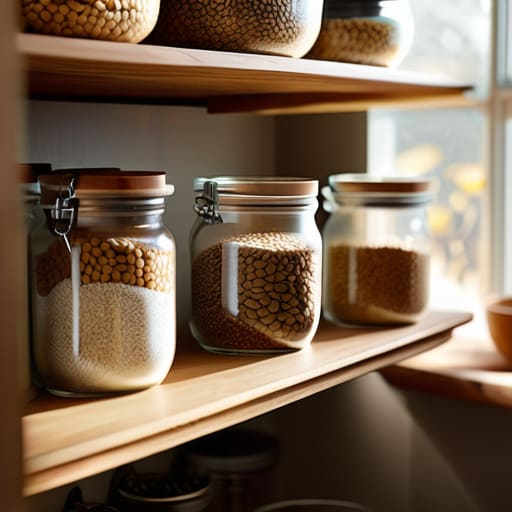
Look, I get the hesitation. The idea of hauling a twenty-pound bag of rice or a massive crate of oats into your kitchen feels less like “saving money” and more like a logistical nightmare. But if you look at it through a systems lens, bulk buying is one of the most effective ways to stabilize your monthly spend. The trick isn’t just buying more; it’s about identifying affordable pantry staples that have a long shelf life and a high utility rate. I’m talking about grains, dried beans, lentils, and even certain frozen goods. When you buy these in volume, you’re essentially pre-paying for your future meals at a significant discount, which smooths out those erratic weekly grocery bills.
However, there is a massive pitfall most people fall into: buying bulk without a plan. If you buy a giant bag of spinach because it’s cheap and then watch it turn into green sludge in your crisper drawer, you haven’t saved a dime—you’ve just wasted it. To actually see the bulk buying benefits, you have to pair your purchases with disciplined meal planning for savings. If it isn’t going into a recipe within the next week, it shouldn’t be in your cart. Use the bulk approach to build a foundation of ingredients that won’t expire, and you’ll stop the constant cycle of emergency takeout runs.
The "Low-Friction" Tactics to Cut Costs Without Losing Your Mind
- Stop buying “convenience” versions of basic staples. I used to buy pre-cut onions and bagged salads because I was tired after work, but the markup is insane. Buy the whole onion, spend three minutes chopping it, and redirect that extra cash toward something actually worth it.
- Audit your pantry before you even touch your phone. Most of us have a “graveyard” of half-used pasta sauces or cans of beans hiding in the back of the cupboard. Build your meal plan around what you already own first; it’s the easiest way to lower your weekly spend without feeling deprived.
- Embrace the frozen aisle for your produce. If you aren’t using frozen veggies, you’re essentially throwing money in the trash through spoilage. Frozen peas, spinach, and corn are flash-frozen at peak nutrition, they don’t rot in your crisper drawer, and they’re significantly cheaper.
- Master the art of the “component meal.” Instead of following rigid, expensive recipes that require five niche spices and one specific cut of meat, cook versatile components—like a big batch of roasted chicken, a pot of grains, and some sautéed greens. You can remix them all week so you don’t get bored, but the cost per meal stays low.
- Stop the impulse buys at the checkout line. It sounds cliché, but those “grab-and-go” snacks are high-margin traps. If you want a snack, buy the bulk bag and portion it out into containers at home. It takes five minutes of effort, but it keeps your grocery bill from creeping up by 15% every single trip.
The Philosophy of the Plate
“Lowering your food costs isn’t about deprivation or living on instant noodles; it’s about auditing your habits. When you stop paying for convenience and start investing in ingredients, you aren’t just saving money—you’re reclaiming control over your kitchen and your budget.”
Nathaniel 'Nate' Brooks
Streamlining Your Food Spend
At the end of the day, lowering your food costs isn’t about deprivation or eating bland, uninspired meals; it’s about optimizing the system you already have in place. We’ve looked at how intentional grocery shopping, mastering the art of bulk buying, and reducing mindless impulse purchases can collectively plug the leaks in your budget. By applying a bit of analytical thinking to your pantry and your shopping list, you stop treating your grocery bill like an unpredictable variable and start treating it like a controlled expense. It’s about making sure every dollar you spend is actually working toward fueling your life rather than just disappearing into a mountain of wasted ingredients and overpriced convenience items.
I know that shifting your habits can feel like adding more friction to an already busy week, but I promise the payoff is worth the initial effort. The goal isn’t to achieve a perfectly optimized, zero-waste lifestyle by Monday morning; we’re just aiming for incremental improvements that stack up over time. Once these small shifts become second nature, you’ll find you have more breathing room in your bank account and, more importantly, less mental clutter to deal with. Stop wrestling with the chaos of a disorganized kitchen and start building a routine that serves you, instead of the other way around.
Frequently Asked Questions
How do I meal prep effectively without spending my entire Sunday in the kitchen?
The mistake most people make is trying to cook ten complete meals at once. That’s a recipe for burnout. Instead, I use “component prepping.” Don’t cook full recipes; just prep versatile building blocks. Roast two trays of veggies, boil a batch of grains, and prep two proteins. On Tuesday, those components become a Mediterranean bowl; on Thursday, they’re a stir-fry. You spend forty minutes on Sunday, and your weeknight self will actually thank you.
Is it actually cheaper to buy frozen vegetables, or am I just paying for convenience?
It’s actually a win-win. I used to think I was paying a “convenience tax” on frozen veggies, but the math doesn’t lie. Not only are they usually cheaper per pound than fresh—especially when produce is out of season—but they also eliminate the “waste tax.” You aren’t tossing a bag of slimy, wilted spinach at the end of the week. You buy what you need, use what you need, and zero friction.
How can I keep my food costs low when I'm eating out for work lunches?
The workday lunch trap is real. When you’re stuck in meetings, the easiest move is to hit the takeout app, but that’s how your budget gets shredded. I’ve found the best way to handle this is the “Hybrid Method.” Keep a stash of high-quality, shelf-stable proteins or easy wraps in your desk or bag. If you must eat out, treat it like a tactical decision: pick one “social” lunch a week and automate the rest.
What are some high-protein, low-cost staples that don't taste like cardboard?
Look, I’ve spent way too much time eating bland, mushy lentils when I was trying to save a buck. You don’t have to suffer. Canned tuna and sardines are obvious wins, but try dried chickpeas—roast them with some smoked paprika for a high-protein snack that actually has texture. Eggs are still the gold standard for versatility, and if you lean into Greek yogurt or even cheap cuts of chicken thighs, you’ll stay full without breaking the bank.