
I used to think that if I just bought the right $15 leather-bound journal or downloaded that one highly-rated productivity app, my life would suddenly snap into focus. I spent my entire twenties chasing those “perfect” systems, only to realize I was just decorating my own chaos. The truth is, most advice around weekly planning is bloated, overcomplicated, and frankly, a waste of time. You don’t need a complex color-coded hierarchy or a subscription to a premium software suite to get your life together; you just need a way to stop the constant mental drag of trying to remember everything at once.
I’m not here to sell you on a lifestyle overhaul or some magical productivity guru’s secret sauce. Instead, I’m going to show you the stripped-down, pragmatic framework I use to keep my own head above water. We’re going to focus on a few small, actionable adjustments to your weekly planning that actually work in the real world—the one with unexpected meetings and burnt coffee. My goal isn’t to help you achieve some impossible standard of perfection, but to help you build a functional system that actually gives you your time back.
Table of Contents
Ditch the Complexity for Simple Productivity Systems

I’ve spent way too many hours in my twenties trying to find the “perfect” setup. I used to download every new app that promised to revolutionize my life, only to realize I was just spending more time managing the tool than actually doing the work. Most people fall into this same trap, thinking they need a complex web of interconnected calendars and color-coded spreadsheets to be effective. The truth is, most productivity systems fail because they require more maintenance than the actual tasks they’re meant to track. If your system feels like a second job, it’s broken.
Instead of chasing complexity, I focus on finding the path of least resistance. I want a setup that works even when I’m tired or having a rough week. This means moving away from heavy-duty software and focusing on organizing daily tasks through a few high-leverage, low-friction movements. Think of it like my vintage synths: you don’t need a thousand knobs to make a great sound; you just need the right few that actually respond to your touch. Keep your method lean, keep it visible, and most importantly, make sure it actually serves you rather than the other way around.
Stop Guessing and Start Using Proven Time Management Techniques

Look, I spent way too many years trying to “hustle” my way through a mounting to-do list, only to realize that effort without a framework is just a fast track to burnout. You can’t just willpower your way through a chaotic schedule. To actually get ahead, you need to integrate actual time management techniques into your routine rather than just hoping for the best. I’m a big believer in Time Blocking—carving out specific chunks of your day for deep work—because if it isn’t on the calendar, it probably isn’t happening. It turns your schedule from a vague wish list into a concrete roadmap.
Once you have the framework, you need to refine how you’re organizing daily tasks to ensure you’re hitting the right targets. I used to treat every item on my list with the same level of urgency, which was a massive mistake. Now, I prioritize based on impact. If you pair this with consistent habit tracking methods, you start to see the patterns of where your time is actually leaking. It’s not about doing more things; it’s about making sure the things you do are actually moving the needle. Stop reacting to whatever fire is burning brightest and start deciding where your energy goes.
Five Low-Friction Habits to Lock in Your Week

- Pick a fixed “Sync Session” time. Whether it’s Sunday at 7 PM or Friday afternoon before you close the laptop, don’t leave it to chance. Consistency is what turns a chore into a reflex.
- Audit your energy, not just your hours. I’ve learned the hard way that scheduling deep-focus tasks for a 3 PM post-lunch slump is a recipe for burnout. Map your hardest work to when your brain is actually online.
- Build in “Buffer Zones.” Life isn’t a perfect spreadsheet. If you schedule every minute back-to-back, one unexpected phone call or a late meeting will wreck your entire week. Leave 15-30 minute gaps between major blocks to absorb the chaos.
- Use the “Rule of Three.” Don’t write a list of twenty things you’ll never finish. Pick three non-negotiable wins for each day. If you hit those, the day is a success; everything else is just a bonus.
- Prep your environment the night before. If your Monday morning requires a dozen small decisions—what to wear, what to eat, which file to open first—you’re already burning mental fuel. Minimize those micro-decisions so you can hit the ground running.
## The Sunday Night Reset
“A weekly plan isn’t about cramming every minute with tasks; it’s about building a framework that protects your time so you aren’t just reacting to fires from Monday to Friday.”
Nathaniel 'Nate' Brooks
Getting the System Running
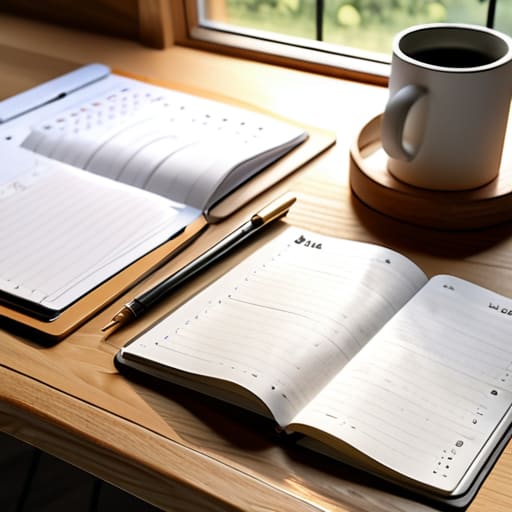
Look, we’ve covered a lot of ground here, from stripping away the bloated, over-engineered apps to actually implementing techniques that work. The takeaway is simple: stop trying to build a perfect masterpiece and start building a functional framework. Whether you’re using a basic paper planner or a highly customized digital setup, the goal isn’t to have the prettiest dashboard on your screen. It’s about having a predictable way to look at your upcoming week so you aren’t constantly playing catch-up. If you can ditch the guesswork and commit to a few small, repeatable habits, you’ve already won more than most people do in a month.
At the end of the day, these systems aren’t meant to turn you into a robot or a productivity machine. I’m not interested in optimizing every single second of your existence. I just want you to stop feeling like you’re constantly drowning in a sea of unfinished tasks and missed deadlines. Use these tweaks to clear the mental clutter so you have the headspace to actually enjoy your life—to cook that brisket without checking your email, or to finally sit down and work on that vintage synth. Build a system that serves you, rather than one you have to serve. That’s how you actually win.
Frequently Asked Questions
How much time should I actually spend on this every week without it becoming another chore?
Look, if your planning session starts feeling like a second job, you’ve already lost. I aim for the “sweet spot”: fifteen minutes on Sunday evening to map out the big rocks, and maybe five minutes every morning to adjust for reality. That’s it. If you’re spending hours staring at a calendar, you’re over-engineering. The goal is to build a compass, not a detailed flight plan. Keep it lean so you can actually live.
What do I do when my carefully planned week gets completely derailed by unexpected work fires?
Look, I’ve been there. You’ve got your color-coded blocks perfectly set, and then a server goes down or a client sends a “high priority” email that ruins everything. Don’t try to force your old schedule back into place; that’s just fighting a losing battle. Instead, take five minutes to triage. Identify the new non-negotiables, push the low-impact tasks to next week, and reset. A plan is a guide, not a prison.
Should I be using a digital calendar for everything, or is there still a place for paper planners in a streamlined system?
Look, I’m a systems guy, so my answer is a hybrid. Use a digital calendar for the heavy lifting—notifications, recurring meetings, and anything that needs to sync across devices. That’s your source of truth. But don’t sleep on a paper notebook for daily tactical execution. There’s a cognitive “click” that happens when you physically cross something off a list that a screen just can’t replicate. Use digital to schedule; use paper to focus.
How do I balance a rigid schedule with the need for flexibility so I don't burn out by Wednesday?
The mistake most people make is overstuffing their calendar until there’s zero breathing room. If your schedule is packed back-to-back, one unexpected meeting or a bad night’s sleep will wreck your entire week. I use “buffer blocks”—thirty-minute windows of nothingness between major tasks. Think of it as a shock absorber for your day. It gives you space to pivot when things go sideways without feeling like you’re failing your system.