I used to spend my Sunday nights staring at a fridge full of random ingredients, feeling that familiar knot of dread about Monday morning. We’ve all been there: you start the week with the best intentions, but by Wednesday, you’re staring at a takeout menu because your “system” for eating well completely collapsed. The problem isn’t your willpower; it’s that your approach is too rigid. Most people treat cooking like a chore instead of a process, and that’s where the friction starts. I realized that finding sustainable healthy meal prep ideas isn’t about becoming a gourmet chef overnight; it’s about eliminating the decision fatigue that drains your energy before the work week even begins.
In this guide, I’m stripping away the fluff and giving you eight practical, low-friction strategies that actually work for a busy professional. I’m not talking about spending six hours in a kitchen or eating uninspired steamed broccoli every single day. Instead, I’ll show you how to build a modular system that keeps your food fresh, your budget intact, and your sanity preserved. By the end of this, you’ll have the tools to reclaim your time and turn your kitchen from a source of stress into a well-oiled machine.
Table of Contents
Master the Protein Batch
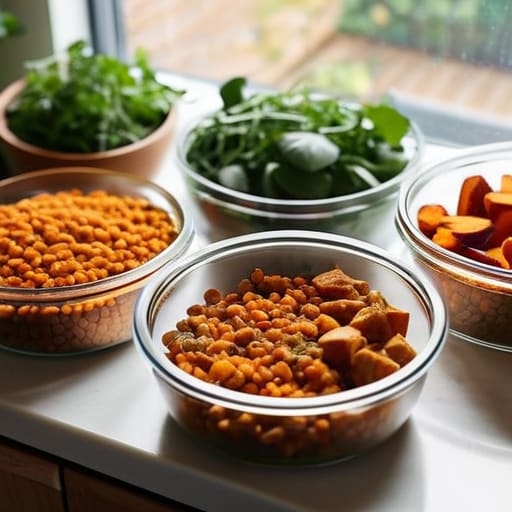
Most people fail at meal prep because they try to cook a specific, complex recipe for every single meal. That’s a recipe for burnout. Instead, I treat my Sunday prep like a systems update: I focus on bulk-cooking versatile proteins. Whether it’s two pounds of seasoned chicken thighs or a big batch of seasoned lentils, having a reliable protein base ready to go is the foundation of everything else.
The Grain Foundation
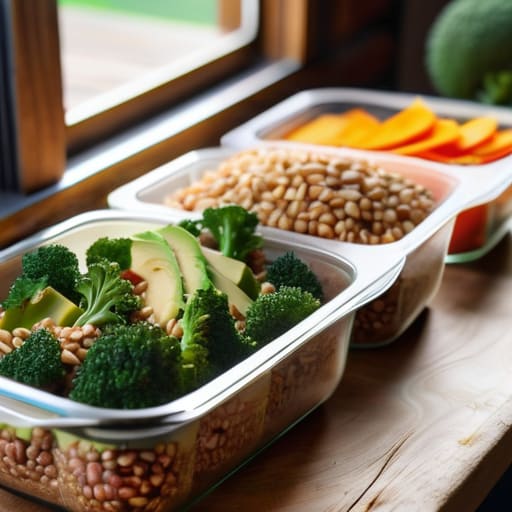
If you want to stay full without feeling like you need a nap an hour after eating, you need to stop ignoring complex carbohydrates. I always make sure I have a large container of a stable grain ready to go. I’m talking about things like farro, brown rice, or quinoa—grains that actually hold their texture even after being reheated in a microwave.
Don't Neglect the Sauce
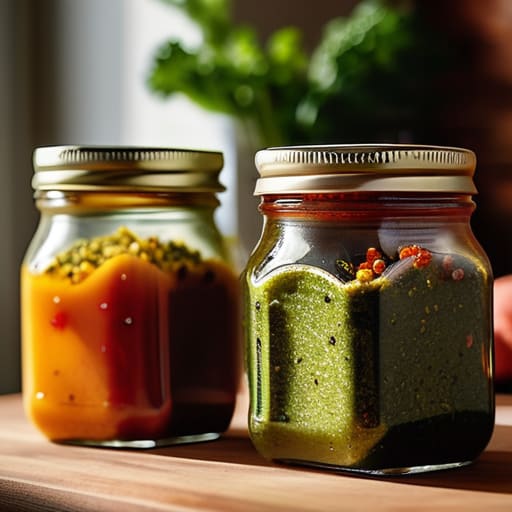
This is where most people go wrong. They prep all these healthy ingredients, but by Wednesday, everything tastes like wet cardboard. A meal without a sauce isn’t a meal; it’s just a collection of ingredients. I always set aside ten minutes to whip up two or three high-impact dressings or sauces that I can rotate through the week.
Chop Once, Eat Twice
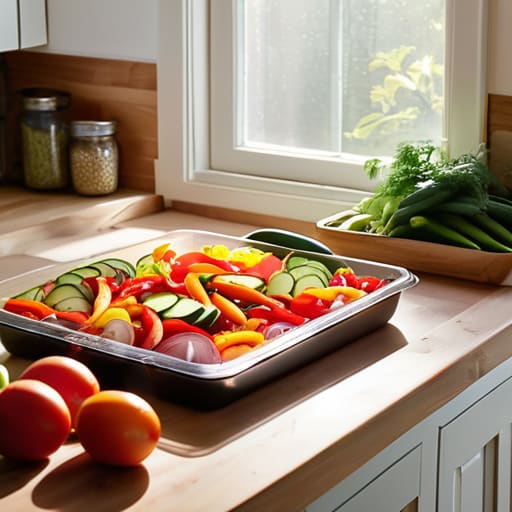
I view vegetable prep as a way to reduce friction. There is nothing that kills my motivation to eat healthy faster than having to pull out a cutting board and a knife after a long day at work. My rule is simple: if I’m chopping an onion for dinner, I’m chopping enough for three days.
The Sheet Pan Strategy
If you’re looking for the ultimate low-effort, high-reward method, you need to become a devotee of the sheet pan. This is my go-to when I want to prep something that feels a bit more “cooked” rather than just “assembled.” You just toss your proteins and veggies in some olive oil and spices, spread them out, and let the oven do the heavy lifting.
Invest in Quality Containers
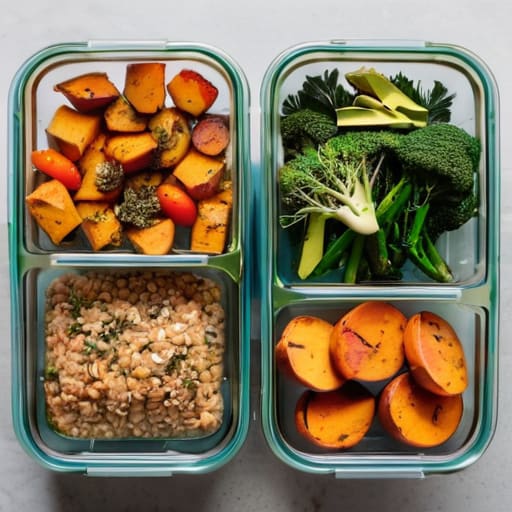
This might sound like a small detail, but if you’re serious about a routine, your hardware matters. I spent way too long using cheap, mismatched plastic containers that stained easily and leaked in my bag. Now, I exclusively use glass containers with locking lids. They don’t retain smells, they’re microwave-safe, and they actually stack neatly in the fridge.
Build-Your-Own Bowls
The “Bowl Concept” is perhaps the most resilient meal prep system I’ve ever implemented. Instead of making “Chicken Pasta” or “Beef Stew,” you prep components for a customizable bowl. You have your base (grains), your protein, your roasted veggies, and your fresh toppings (like avocado or seeds).
The Frozen Safety Net
Let’s be real: sometimes life happens. A project runs late, or you just plain forget that it’s your “prep day.” This is where having a frozen backup plan becomes essential. I always keep a few high-quality frozen options in the freezer—think frozen edamame, organic veggie blends, or even a healthy frozen meal that I know is decent.
The Philosophy of the Prep
“Meal prep isn’t about spending your entire Sunday in a plastic apron playing chef; it’s about building a system that prevents you from making terrible decisions when you’re tired, hungry, and staring at an empty fridge on a Tuesday night.”
Nathaniel 'Nate' Brooks
Stop Overthinking the Process
Look, you don’t need to spend your entire Sunday in a flour-dusted kitchen to make this work. Whether you’re focusing on prepping versatile proteins, batch-cooking grains, or just getting your veggies chopped and ready, the goal is the same: reducing decision fatigue. When you’re exhausted on a Tuesday night, you shouldn’t have to debate whether to eat a salad or order takeout; the system should already have the answer waiting in your fridge. By implementing even just two or three of these methods, you aren’t just preparing food—you’re building a buffer against the chaos of a busy week.
At the end of the day, I don’t care if your meal prep looks like a professional chef’s spread or a collection of Tupperware containers. If it keeps you fed, keeps you healthy, and saves you from that mid-week burnout, then it’s a success. Don’t let the pursuit of a “perfect” routine stop you from starting a functional one. Start small, tweak your systems as you go, and remember that the best meal prep plan is simply the one you actually stick to. Now, go clear some space in your fridge and get moving.
Frequently Asked Questions
How do I keep my prepped meals from getting soggy or tasting like a science experiment by Thursday?
The “science experiment” phase usually happens because of moisture trapped in the container. If you’re layering wet ingredients—like dressing or salsa—directly onto greens or grains, you’ve already lost. Use the “dry-bottom” method: grains and proteins on the bottom, veggies in the middle, and keep anything saucy in a separate tiny container. Also, let your food cool completely before sealing the lid. If you trap steam, you’re just inviting sogginess.
I don't have five hours on a Sunday; is there a way to do this without turning my entire weekend into a chore?
Look, I get it. The idea of spending your entire Sunday hovering over a stove feels less like “optimization” and more like a second job. You don’t need a marathon session; you just need a better workflow. Try “component prepping” instead of full meals. Roast a tray of veggies, boil some eggs, and cook a big batch of grains while you’re making dinner on Tuesday. It’s about building a pantry of ready-to-go parts, not a week of Tupperware.
What’s the best way to meal prep if I actually enjoy eating different flavors every night instead of the same chicken and broccoli?
The secret is to stop prepping “meals” and start prepping “components.” If you cook a batch of chicken, a tray of roasted veggies, and a pot of quinoa, you haven’t committed to one flavor profile. On Monday, toss them in soy sauce and ginger for a stir-fry; on Tuesday, add black beans and salsa for a burrito bowl. You’re building a modular system that gives you variety without the Sunday night burnout.
Which containers are actually worth the investment for keeping food fresh versus the cheap plastic ones that stain?
Look, I’ve spent way too much money on cheap plastic containers that end up stained orange from tomato sauce and smelling like old onions. It’s a waste of space and money. If you want to do this right, invest in borosilicate glass with snap-locking lids. They don’t stain, they’re microwave-safe, and they actually last. If you’re tight on space, high-quality silicone bags are a solid secondary option, but for the long haul? Go glass.