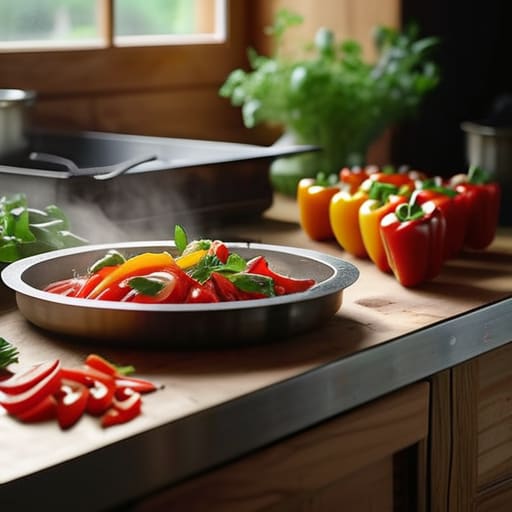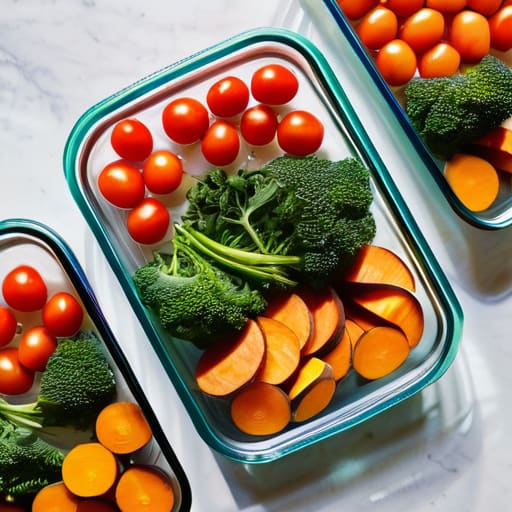
If you’ve ever scrolled through social media and seen those “meal prep” influencers with their perfectly color-coordinated glass containers and fifteen different organic superfood bowls, I have a message for you: it’s mostly nonsense. Most of that stuff is a recipe for burnout, not efficiency. I spent my early twenties thinking I had to spend my entire Sunday in a kitchen frenzy just to “optimize” my nutrition, only to end up staring at a fridge full of sad, soggy kale by Wednesday. Learning how to meal prep shouldn’t feel like a second full-time job or a high-stakes culinary competition; it should be about removing the friction from your Tuesday night so you can actually relax.
I’m not here to sell you on a lifestyle overhaul or a list of expensive gadgets you don’t need. Instead, I’m going to show you my systematic approach to prepping food that actually fits into a real, busy life. We’re going to focus on small, repeatable adjustments—like batch-cooking versatile proteins and mastering the art of the “component” meal—to help you save time and stop wasting money on mediocre takeout. We aren’t aiming for a Pinterest-perfect kitchen; we’re just aiming for a better, smoother week.
Table of Contents
Smart Weekly Meal Planning Tips for Busy People
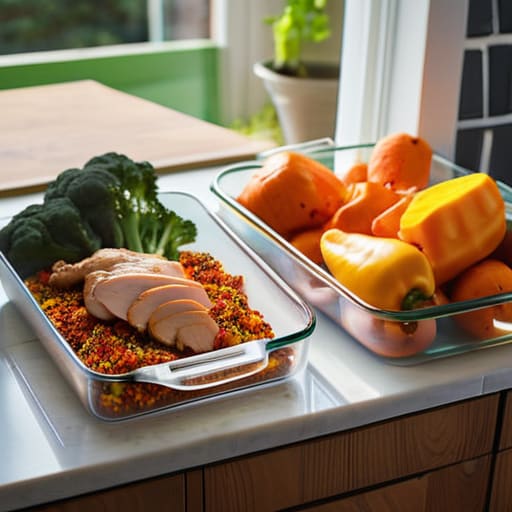
The biggest mistake I see people make is trying to plan a gourmet seven-course menu for every single night of the week. That’s a one-way ticket to burnout. Instead, I rely on a few batch cooking techniques that actually scale. My system is simple: pick two proteins, two grains, and three versatile vegetables. If I’m roasting a large tray of chicken thighs and a massive pot of quinoa on Sunday, I’ve already done 80% of the heavy lifting for the week. You aren’t just making individual meals; you’re building a modular pantry of prepared ingredients that you can mix and match so you don’t feel like you’re eating the exact same thing every day.
To keep this from becoming a chaotic mess in your fridge, you need to invest in decent meal prep containers for storage. I’m a bit of a minimalist, so I avoid anything with unnecessary dividers that take up too much space. Get a set of uniform, glass containers that are actually airtight; there is nothing more frustrating than opening a container only to find your greens have turned into a soggy disaster. Once you have the right gear and a repeatable framework, the mental load of “what’s for dinner?” basically disappears.
Healthy Meal Prep Ideas That Actually Taste Good
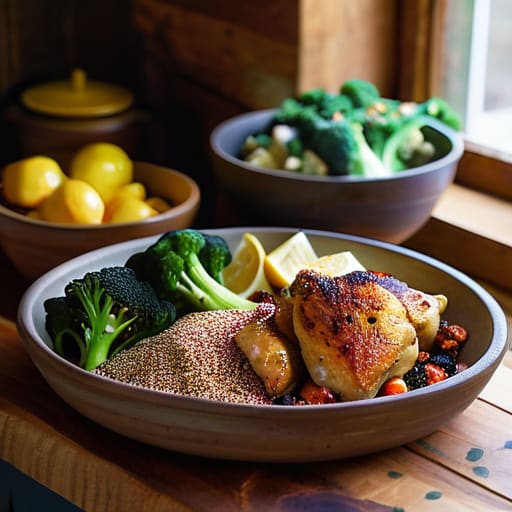
The biggest mistake I see people make is treating meal prep like a bland chore. If your entire week consists of unseasoned chicken and mushy broccoli, you’re going to fail by Wednesday. To actually enjoy what you’re eating, you need to lean into batch cooking techniques that prioritize texture and flavor. Instead of cooking one massive, monolithic pot of something, try prepping components. Roast two different trays of vegetables with distinct seasonings—maybe something spicy like smoked paprika and cumin, and something brighter like lemon and garlic. This way, you can mix and match them throughout the week so you aren’t eating the exact same flavor profile five days in a row.
Another thing that keeps me sane is investing in the right gear. I’m a bit of a minimalist, so I don’t want a cluttered pantry, but having a decent set of meal prep containers for storage is a non-negotiable. I personally stick to glass containers because they don’t retain smells and they actually hold up in the microwave without turning your food into a gummy mess. When you have a system where everything is portioned and clearly labeled, the friction of “what’s for dinner” basically disappears. It turns a chaotic evening into a simple, five-minute assembly job.
My Five Non-Negotiable Rules for Stress-Free Prep
- Don’t try to be a Michelin chef on Sunday. If you attempt five complex recipes at once, you’ll burn out by Tuesday and end up ordering pizza. Start with two big batches of protein and a few versatile grains.
- Invest in decent, airtight containers. I learned this the hard way when my “optimized” meal prep turned into a soggy mess in cheap plastic tubs. Glass containers are worth the extra cash; they keep things fresh and actually look decent when you pull them out of the fridge.
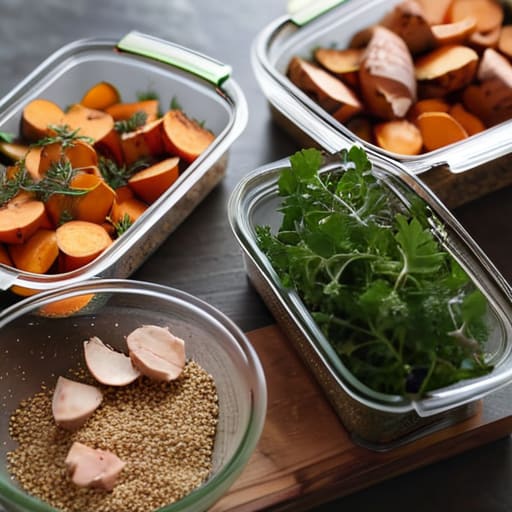
- Use the “Component Method” instead of full meals. Instead of portioning out identical Tupperware boxes, prep individual ingredients—roasted sweet potatoes, grilled chicken, washed greens, a jar of dressing. It gives you the flexibility to mix and match so you don’t get bored.
- Clean as you go. This sounds like something a mom would say, but it’s pure systems logic. If you leave a mountain of dishes for the end of your prep session, you’ll start associating meal prepping with dread rather than efficiency.
- Always have a “low-effort” backup. Even the best systems fail sometimes. Keep a few high-quality frozen meals or pantry staples like canned beans and pre-cooked quinoa on hand for those nights when your plan falls apart and you’re too exhausted to even reheat something.
The Goal of the System
“Meal prepping isn’t about spending your entire Sunday in a kitchen frenzy or eating nothing but bland chicken and broccoli; it’s about building a system that buys you back your sanity on a Tuesday night when you’re too tired to think.”
Nathaniel 'Nate' Brooks
Streamlining Your Success
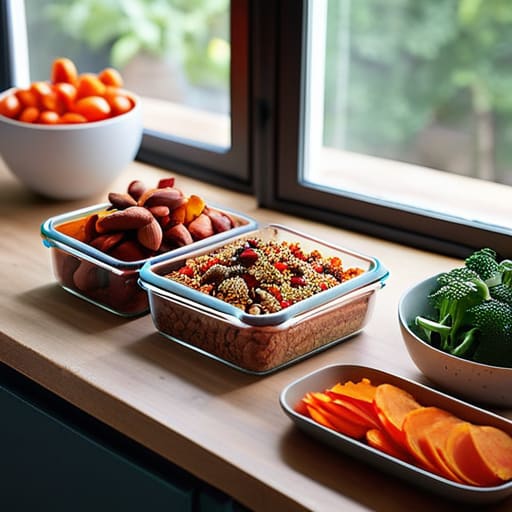
Look, I’m not telling you to spend your entire Sunday in a kitchen trance, surrounded by Tupperware and steam. That’s a recipe for burnout, not efficiency. The goal here is to build a system that actually works for your specific lifestyle—whether that means batch-cooking a massive pot of chili, prepping versatile proteins, or just getting your grocery list sorted before you hit the store. Remember, it’s about minimizing the decision fatigue that hits you at 6:00 PM when you’re exhausted. If you can nail down a solid plan and keep your ingredients organized, you’ve already won half the battle. Focus on the small, repeatable wins rather than trying to cook a five-star feast every single week.
At the end of the day, meal prepping isn’t about being a culinary expert or a fitness fanatic; it’s about reclaiming your time and your sanity. When you stop wrestling with the “what’s for dinner” dilemma every night, you suddenly find you have more mental bandwidth for the things that actually matter—like catching up on a hobby, relaxing, or just decompressing after a long shift. Don’t aim for a perfect, aesthetic fridge that looks like a Pinterest board. Just aim for a system that reduces friction. Start small, tweak the process as you go, and stop letting your schedule run you.
Frequently Asked Questions
How do I keep my prepped meals from getting soggy or tasting like they've been sitting in the fridge for a week?
The “fridge funk” is real, and it’s usually a moisture management problem. First, let your food cool completely before sealing the lids—trapped steam is the enemy of crispiness. Second, stop mixing everything in one container. Keep your proteins, grains, and greens separate. If you’re prepping salads, put the dressing in a tiny separate jar. It’s a bit more dishes, but it’s the difference between a fresh meal and a soggy mess.
Do I really need to spend my entire Sunday in the kitchen, or is there a way to do this without losing my whole weekend?
Absolutely not. If your meal prep requires a six-hour marathon every Sunday, you’ve built a bad system. That’s not a routine; that’s a second job. Instead, try “component prepping.” Roast a big batch of veggies, cook one grain, and prep two proteins. You can mix and match those throughout the week in under five minutes. It’s less about cooking everything upfront and more about reducing the friction of making a decision when you’re hungry.
What are the best containers to invest in so I'm not just throwing money away on cheap plastic that stains?
Look, don’t fall into the trap of buying those cheap, neon-colored plastic sets. They’re a waste of money because they’ll warp in the dishwasher or turn orange the second you put spaghetti sauce in them. If you want to do this right, invest in borosilicate glass containers with snap-lock lids. They’re indestructible, they don’t stain, and they transition straight from the fridge to the microwave without leaching chemicals. It’s a higher upfront cost, but it’s a one-time fix.
How do I handle meal prepping if I have a picky eater or a partner with completely different dietary needs?
Look, I’ve been there. Trying to cook one meal for a picky partner is a recipe for burnout. Don’t aim for a single, unified dish. Instead, use a “component-based” system. Prep base ingredients—roasted chicken, quinoa, sautéed greens—and keep them separate. That way, you can build a high-protein bowl while they stick to plain pasta or chicken nuggets. It’s slightly more prep, but it eliminates the nightly negotiation.