We’ve all been there: it’s 6:30 PM, you’re staring blankly into a fridge that contains nothing but half a jar of pickles and some wilted spinach, and the mental load of deciding what to eat feels heavier than a full workday. Most people think that eating well requires a massive time investment or a kitchen full of specialized gadgets, but that’s a recipe for decision fatigue. When you’re exhausted, you don’t need a culinary masterpiece; you need healthy dinner ideas that actually work within the constraints of a real, messy life.
I’m not here to sell you on some unrealistic, three-hour meal prep ritual that falls apart by Tuesday. Instead, I’ve curated eight specific, low-friction options designed to minimize your time in the kitchen without sacrificing nutrition. These are the exact meals I lean on when I want to stop wrestling with my schedule and just fuel my body efficiently. By the end of this list, you’ll have a repeatable system of dinners that are as easy on your brain as they are on your health.
Table of Contents
- Sheet Pan Salmon and Roasted Veggies
- The "Everything" Grain Bowl
- One-Pot Turkey Chili
- Pesto Chicken and Zucchini Noodles
- Slow Cooker Salsa Chicken
- Mediterranean Chickpea Salad
- Egg Scramble with Sautéed Greens
- Beef and Broccoli Stir-Fry
- The Philosophy of the Weeknight Meal
- Streamlining Your Evening Routine
- Frequently Asked Questions
Sheet Pan Salmon and Roasted Veggies
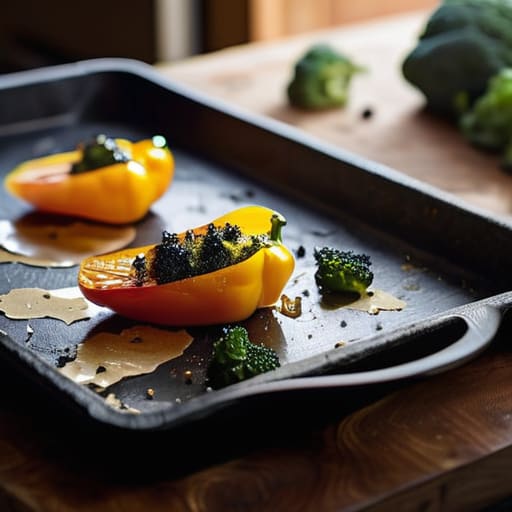
If you’re like me, the last thing you want to do after a long day of staring at spreadsheets is scrub a dozen different pots and pans. This is the ultimate low-friction meal because everything lives on a single sheet of parchment paper. You just toss some salmon fillets, broccoli florets, and sliced bell peppers in olive oil and seasoning, then let the oven do the heavy lifting while you decompress.
The "Everything" Grain Bowl
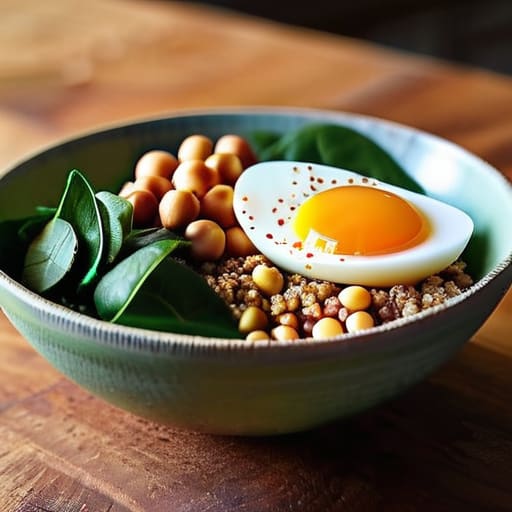
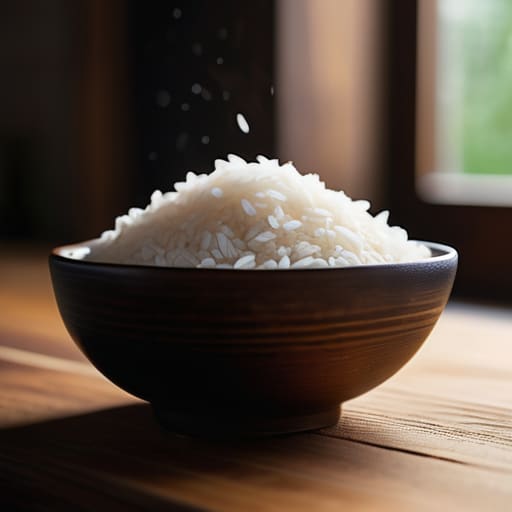
I’ve learned that meal fatigue usually comes from a lack of variety, not a lack of ingredients. I keep a rotation of grains—quinoa, farro, or even brown rice—in the pantry to serve as a reliable foundation. Once you have your base, you just layer on whatever is currently in your fridge: some canned chickpeas, a handful of spinach, half an avocado, and maybe a hard-boiled egg for extra protein.
One-Pot Turkey Chili
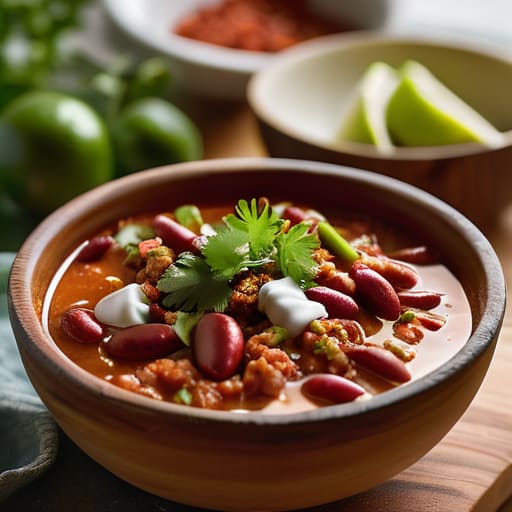
There is something deeply satisfying about a meal that actually gets better with age. When I make a big batch of turkey chili, I’m not just cooking dinner for tonight; I’m optimizing my future self’s schedule. Using lean ground turkey, canned kidney beans, and crushed tomatoes makes this incredibly fast to assemble, and the nutritional density is top-tier.
Pesto Chicken and Zucchini Noodles
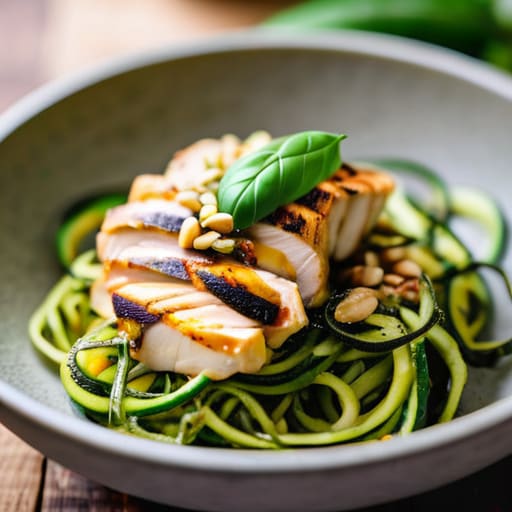
Sometimes you want something that feels light but doesn’t leave you feeling like you’re eating a bowl of grass. I like to use zucchini noodles—or “zoodles”—as a low-carb alternative to traditional pasta when I want to avoid that heavy, post-dinner lethargy. When you pair them with sliced grilled chicken and a high-quality pesto, you get a massive amount of flavor with very little actual effort.
Slow Cooker Salsa Chicken
Slow Cooker Salsa Chicken
This is my go-to for those days when I know my schedule is going to be completely unpredictable. You literally put two chicken breasts and a jar of your favorite salsa into the slow cooker in the morning, set it to low, and walk away. By the time I’m closing my laptop for the evening, the meat is perfectly shredded and ready to be used.
Mediterranean Chickpea Salad
On the nights when the stove feels like too much work, I lean into the “no-cook” method. A Mediterranean chickpea salad is essentially just a deconstructed pantry raid. You take a can of rinsed chickpeas, chop up some cucumbers and tomatoes, toss in some feta cheese, and hit it with some lemon juice and dried oregano.
Egg Scramble with Sautéed Greens
We tend to relegate eggs to breakfast, but I find they are one of the most efficient protein sources for a quick dinner. A three-egg scramble with a massive pile of sautéed spinach or kale is a powerhouse meal that keeps your blood sugar stable. It’s simple, it’s cheap, and it doesn’t require a complex recipe to be successful.
Beef and Broccoli Stir-Fry
If you’re craving something savory and substantial, a quick stir-fry is the way to go. I keep frozen broccoli florets in my freezer at all times because they are a lifesaver for last-minute meals. Searing some thinly sliced flank steak with ginger, garlic, and a bit of soy sauce takes less than ten minutes if you stay focused on the pan.
The Philosophy of the Weeknight Meal
“A healthy dinner shouldn’t feel like another chore on your to-do list; it’s just about building a repeatable system that feeds you well without draining your mental battery by 6:00 PM.”
Nathaniel 'Nate' Brooks
Streamlining Your Evening Routine
At the end of the day, these eight meal ideas aren’t about following a strict, rigid diet or becoming a gourmet chef overnight. It’s about building a repeatable system that works for you. Whether you’re leaning on the simplicity of sheet-pan salmon or the prep-ahead convenience of a hearty grain bowl, the goal is to reduce the mental load that usually hits around 6:00 PM. By focusing on minimal friction and high-quality ingredients, you’re essentially debugging your evening routine so you can stop scrolling through delivery apps and start actually fueling your body.
Look, I know how it goes. Some nights you’ll nail the meal prep, and other nights you’ll end up eating cereal over the sink because you’re just too drained to function. That’s fine. Don’t let the pursuit of a “perfect” diet derail your progress. Life is messy, and your dinner routine should be able to bend without breaking. Just aim to make one better choice than you did yesterday. If you can optimize even just a few nights a week, you’ll find that you have more energy for the things that actually matter. Keep it simple, keep it consistent, and just keep moving forward.
Frequently Asked Questions
How do I meal prep these without everything tasting like cardboard by Thursday?
The “cardboard effect” usually happens because of two things: moisture loss and overcooking. First, stop reheating everything to a boil; use a splash of water or broth to steam things back to life. Second, undercook your proteins and grains slightly during the initial prep. They’ll finish cooking when you microwave them later. Finally, keep your sauces separate until you’re ready to eat. It keeps the texture intact and the flavor from getting lost in the mush.
What are some healthy swaps for when I'm craving something heavy or comforting?
Look, I get it. Some nights, a salad just feels like a personal insult. When that craving for something heavy hits, don’t fight it—just pivot the ingredients. Instead of a greasy burger, try a turkey or black bean patty on a toasted whole-grain bun. If you’re dying for pasta, swap the heavy cream sauce for a roasted butternut squash puree. It’s about getting that same comfort without the post-meal lethargy.
Can I adapt these recipes for a tighter budget without losing the nutritional value?
Absolutely. Most people think “healthy” has to mean “expensive organic boutique,” but that’s a system failure. You can slash the cost by swapping out pricey proteins for lentils or canned beans, and by leaning heavily into frozen vegetables—they’re often more nutrient-dense than the stuff sitting in your crisper drawer losing its fight against rot. Stick to seasonal produce and buy staples in bulk. It’s not about deprivation; it’s just smarter procurement.
How do I balance these quick meals with my actual cooking skills if I'm a total beginner?
Look, don’t feel like you’re “cheating” by using these quick meals. Think of them as your training wheels. If you’re a beginner, the goal isn’t to master a five-course French dinner; it’s to build a consistent habit of eating well without the stress. Use these low-effort recipes to get comfortable in the kitchen, and once you stop fearing the stove, start swapping one pre-made component for a scratch-made one. Progress over perfection, always.