I used to think that “meal prepping” meant spending my entire Sunday afternoon hunched over a cutting board, surrounded by a mountain of onion skins and a sink full of dirty water. I’d finish a marathon chopping session feeling less like a culinary pro and more like a victim of my own schedule. Most of the advice you see online about how to prep vegetables is way too intense; it treats a simple Tuesday night dinner like a high-stakes logistics operation. Honestly, if your prep routine feels like a second job, the system is broken, not you.
I’m not here to teach you how to turn your kitchen into a professional sous-chef station or how to buy twenty matching glass containers. Instead, I want to show you how to implement a few small, logical adjustments that actually stick. I’m going to share the specific, low-friction methods I use to get my produce ready without losing my mind or my evening. We aren’t aiming for a Pinterest-perfect fridge; we’re just aiming to make sure that when you’re hungry at 6:00 PM, the hard part is already done.
Table of Contents
Mastering the Basics Essential Knife Skills for Cooking
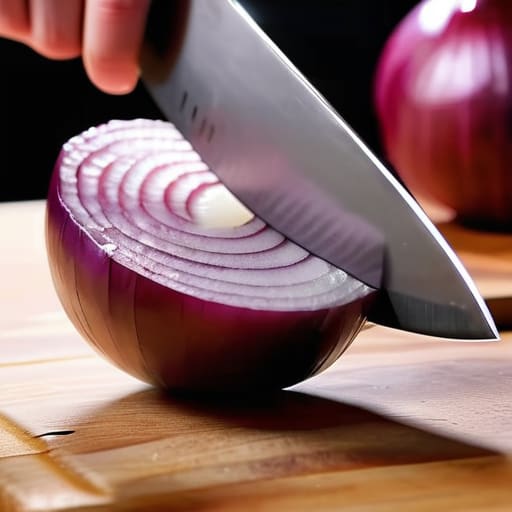
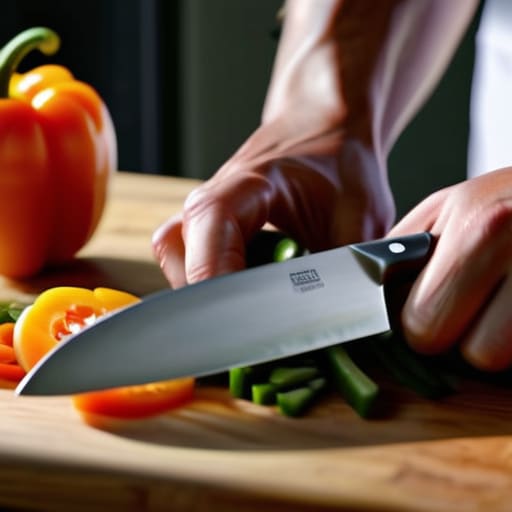
Look, I’ve spent way too many Sunday afternoons with a pile of onion skins on my counter and a stinging sensation in my thumb because I was rushing. If you want to actually enjoy your time in the kitchen, you have to treat your knife like a tool, not a weapon. Developing decent knife skills for cooking isn’t about being a Michelin-star chef; it’s about efficiency and safety. Start by mastering the “claw grip”—tuck your fingertips in so your knuckles act as a guide for the blade. This keeps your skin away from the edge and ensures your cuts are uniform, which is the secret to making sure everything cooks at the same rate.
Once you have the grip down, focus on your setup. You don’t need a massive arsenal of expensive kitchen tools for veggie prep, but you do need one decent chef’s knife and a stable cutting board. If your board slides around, shove a damp paper towel underneath it to lock it in place. It sounds like a small thing, but eliminating that tiny bit of friction makes the entire process feel significantly more controlled. When your tools are steady and your technique is consistent, you stop fighting the food and start actually preparing it.
The Right Gear Essential Kitchen Tools for Veggie Prep
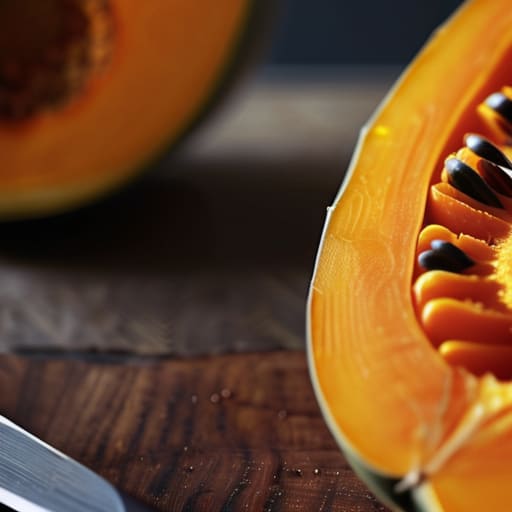
You don’t need a professional chef’s kitchen to get this right, but you do need to stop fighting against subpar equipment. If you’re trying to slice through a butternut squash with a dull steak knife, you’re just asking for a headache—or worse, a trip to the ER. The foundation of any good setup is a high-quality chef’s knife that actually holds an edge. I’m a big believer in the “buy once, cry once” philosophy; investing in one solid, well-balanced blade is infinitely better than owning a drawer full of cheap, serrated junk that tears through your produce instead of slicing it.
Beyond the blade, your kitchen tools for veggie prep should focus on stability and speed. A heavy-duty wooden cutting board is non-negotiable—it provides the weight you need so the board doesn’t slide around while you’re working. I also swear by a sharp vegetable peeler and a decent mandoline if you’re looking to standardize your slices, though be careful with those. Finally, don’t overlook the importance of containers. If you’re serious about meal prep for beginners, grab a set of airtight glass containers. They make the transition from chopping to storing seamless, ensuring your hard work doesn’t go to waste by Tuesday.
The Workflow: 5 Small Tweaks to Stop the Prep Chaos
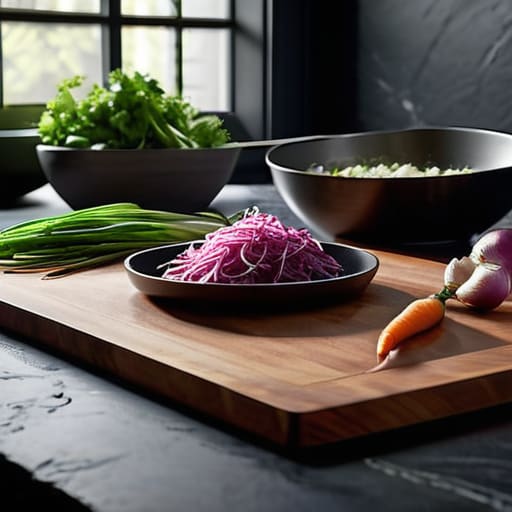
- Batch your tasks by category. Don’t wash one carrot, chop one carrot, and then move to a pepper. Instead, wash everything first, then chop everything. It keeps your workspace clean and stops you from constantly switching between tools and sinks.
- Use the “Dry Storage” rule for leafy greens. If you prep kale or spinach ahead of time, make sure they are bone-dry before they hit the container. Use a paper towel to soak up any stray moisture; otherwise, you’re just prepping a bag of compost for next Tuesday.
- Invest in a few high-quality airtight containers. I’ve learned the hard way that if you put pre-cut onions in a cheap, loose-fitting Tupperware, your entire fridge ends up smelling like a deli. Spend the extra few bucks on containers that actually seal.
- Don’t be a hero with the “all-at-once” mentality. If you’re prepping for a week, only chop the high-moisture veggies (like cucumbers or tomatoes) a day or two in advance. Other stuff, like hearty root vegetables, can handle being prepped on Sunday without losing their texture.
- Keep a “scrap bowl” on your counter. There is nothing more frustrating than stopping your flow every thirty seconds to walk to the trash can. Keep a small bowl right next to your cutting board for peels and ends; it keeps your station clear and your focus sharp.
The Real Goal of Prep
“Meal prep isn’t about becoming a professional chef on a Sunday afternoon; it’s about making sure that when you’re tired on a Tuesday night, the friction between you and a healthy dinner is as close to zero as possible.”
Nathaniel 'Nate' Brooks
Cutting Through the Chaos
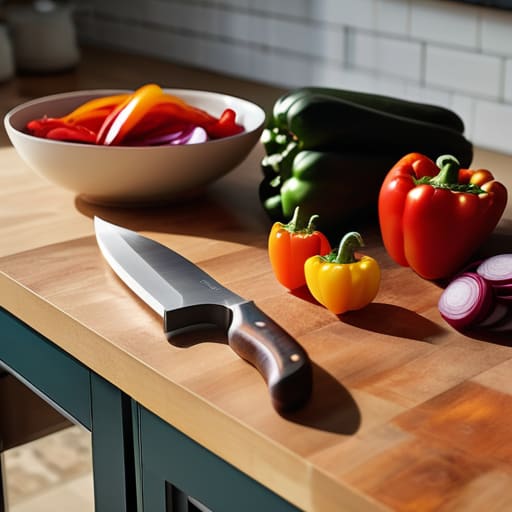
At the end of the day, prepping vegetables isn’t about becoming a Michelin-star chef or owning every gadget in the catalog. It’s about the systems you put in place to prevent that 6:00 PM meltdown when you realize you’re too tired to chop a single onion. By sharpening your knife skills, investing in a few reliable tools, and getting ahead of the curve with a little bit of prep, you’re effectively buying back your own time. You’re shifting from a reactive state of “What am I going to eat?” to a proactive state of “I’ve already got this handled.”
Don’t feel like you have to overhaul your entire kitchen routine overnight. Start small—maybe just one batch of peppers or a container of minced garlic on a Sunday night. The goal isn’t to reach some impossible standard of culinary perfection; it’s to eliminate the friction that makes cooking feel like a chore. Once you stop fighting your produce and start working with a bit of structure, you’ll find that cooking becomes less of a task to endure and more of a way to actually reclaim your evening. Just keep it simple, keep it organized, and let the systems do the heavy lifting for you.
Frequently Asked Questions
How long can I actually keep chopped vegetables in the fridge before they turn into a soggy mess?
Look, I’ve learned the hard way that “prepped” can quickly turn into “slimy” if you aren’t careful. Generally, you’re looking at a three-to-five-day window for most hardy veggies like carrots, peppers, or broccoli. If you’re doing delicate stuff like leafy greens or sliced cucumbers, you might only get two days before they lose their structural integrity. My rule of thumb? If it looks dull or feels soft, toss it. Don’t waste money on food you can’t eat.
Is there a way to prep things like onions or garlic without crying every single time?
Look, I used to dread onion night because I’d end up with red, stinging eyes and a ruined mood. Here’s the system: keep your knife incredibly sharp. A dull blade crushes the cells, which releases those irritating sulfur gases into the air. If you want to go a step further, chill the onion in the fridge for fifteen minutes before you start. It slows down the chemical reaction, making the whole process a lot less painful.
Should I be prepping everything on Sunday, or is it better to do it in smaller batches throughout the week?
Honestly? It’s all about the friction point. If you’re the type who gets overwhelmed by a messy kitchen mid-week, go for a Sunday “power hour” to get the heavy lifting done. But for me, I prefer a hybrid approach. I’ll prep the hardy stuff—onions, carrots, peppers—on Sunday, but I leave the delicate greens for smaller batches. It prevents that sad, wilted look and keeps your fridge from feeling like a graveyard of soggy produce.
How do I organize my containers so I’m not constantly digging through a crowded fridge looking for one bag of peppers?
Stop treating your fridge like a junk drawer. If you’re digging for peppers, your system has already failed. I swear by the “First In, First Out” rule: new groceries go in the back, older stuff moves to the front. Use clear, stackable containers—not random mismatched tubs—and group by category. Keep your prepped veggies in a dedicated “grab-and-go” zone on an eye-level shelf. If you can’t see it, you won’t eat it.