I used to think that if I wanted decent legumes, I had to buy those overpriced, pre-cooked vacuum-sealed pouches that cost a fortune and taste like wet cardboard. I wasted way too much time and money chasing “convenience” when the reality was much simpler. Most recipes out there make learning how to cook beans and lentils feel like a high-stakes chemistry experiment involving precise timing and obscure equipment. Honestly, it’s a massive system failure in the kitchen when something as fundamental as a bowl of lentils feels intimidating or unnecessarily complicated.
I’m not here to give you a culinary lecture or a list of gourmet fluff you’ll never use. Instead, I’m going to show you how to master the basics by applying a little bit of logic to your prep work. I’ll share the exact, streamlined workflow I use to ensure they come out creamy rather than mushy, every single time. We aren’t aiming for a Michelin star here; we’re just aiming for reliable, delicious results that fit into a busy life without the friction.
Table of Contents
Soaking Dried Beans vs No Soak Choosing Your Routine
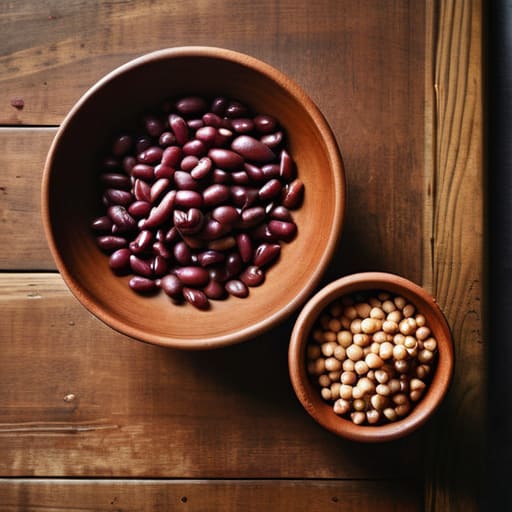
This is where most people hit a fork in the road, and honestly, your choice depends entirely on how much friction you’re willing to tolerate in your kitchen. If you have the foresight to prep the night before, soaking dried beans vs no soak becomes a simple matter of texture and time. Soaking is my go-to for larger varieties like kidney or chickpeas; it hydrates the core of the bean, ensuring you don’t end up with that annoying “chalky center” where the outside is mushy but the inside is still hard. Plus, if you’re looking into preventing gas when eating legumes, a long soak helps break down those complex sugars that cause the most digestive drama.
On the flip side, if you’re a “I need dinner now” kind of person, you can skip the soak, but you have to adjust your systems. You’ll need to account for significantly longer cooking times for different legumes, and I highly recommend using a pressure cooker to bridge that gap. If you’re working with lentils, though, don’t bother with the soak at all—they’re small enough that they cook through perfectly on their own. For me, it’s all about matching the method to the legume so I’m not standing over a stove longer than I have to be.
Mastering Cooking Times for Different Legumes Without the Guesswork
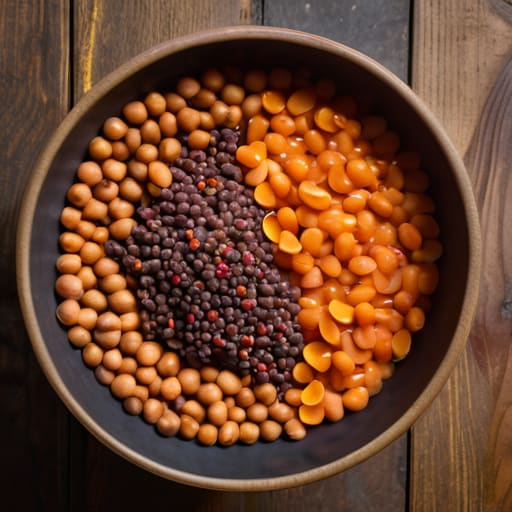
The biggest mistake I see people make is treating every legume like it’s the same. If you try to cook a dried kidney bean and a red lentil in the same pot at the same time, you’re going to end up with a tragic mess of some stones and some mush. You need a mental cheat sheet for cooking times for different legumes so you aren’t hovering over the stove with a stopwatch. Generally, split lentils and red lentils are the “fast lane” group—they can be done in 15 to 20 minutes. Dried beans like chickpeas or black beans are the “long haul” group, often requiring an hour or more depending on their age and whether you opted for the soak.
If you’re short on time and hate the waiting game, a pressure cooker is your best friend. I use mine constantly to bypass the traditional soak-and-simmer marathon. Just keep in mind that pressure cooker bean instructions vary wildly; a single bean can go from perfect to a puree in a matter of minutes if you aren’t careful with the timing. Regardless of the method, my rule of thumb is to always test a single bean about ten minutes before you think it should be done. It’s the only way to ensure you actually hit that sweet spot of creamy on the inside without the skin falling apart.
Five Small Tweaks for Better Beans
- Salt early, not late. I used to wait until the end to season, thinking it would keep the skins from getting tough, but that’s a myth. Adding salt to the soaking water or the initial pot actually helps season the bean all the way to the core.
- Ditch the “flavoring” myths. You’ll hear people say you shouldn’t salt beans or add acidic things like tomatoes too early because it toughens them up. Honestly? If you’re using a modern stovetop and decent beans, just cook them. Don’t overcomplicate the chemistry; just focus on the texture.
- Use aromatics, not just salt. If you want your beans to actually taste like something instead of just “boiled,” throw a smashed garlic clove, a bay leaf, or half an onion into the pot. It’s zero extra effort and makes a massive difference in the final profile.
- Keep an eye on the “mush factor.” Lentils, especially red ones, go from perfect to literal sludge in about sixty seconds. If you’re using lentils, treat them like a precision task—check them five minutes before you think they’re done.
- Save your liquid. If you’re making a stew or a soup, don’t dump all that bean cooking liquid down the drain. It’s full of starch and flavor. Use it as a base for your next dish to add instant body and depth without needing extra thickeners.
The Philosophy of the Slow Simmer
“Cooking beans isn’t about following a rigid timer; it’s about respecting the process. If you try to rush a legume, you end up with a mushy, inconsistent mess. Give them the time they need to transform, and you’ll get a result that actually makes the prep work worth it.”
Nathaniel 'Nate' Brooks
Streamlining Your Legume Game
At the end of the day, mastering beans and lentils isn’t about following a rigid, scientific formula; it’s about understanding the basic mechanics so you can stop second-guessing yourself. Whether you decide that a long soak is worth the extra time or you opt for the quick-soak method to save your evening, the goal is consistency. Remember to respect the different cooking timelines—don’t treat a red lentil like a kidney bean unless you want a pot of mush. Once you’ve dialed in your timing and prep methods, you’ve effectively removed the biggest variables that lead to kitchen frustration.
My philosophy has always been that small, repeatable systems are what actually make a lifestyle sustainable. You don’t need to be a professional chef to make a killer batch of dal or a hearty bean chili; you just need to eliminate the friction that keeps you from starting. Don’t let the fear of a ruined pot keep you from experimenting with these pantry staples. Start small, keep your workspace organized, and let the process become second nature. Life is far too busy to worry about whether your beans are undercooked—get the system right once, and then get back to enjoying the meal.
Frequently Asked Questions
Should I add salt to the water at the beginning, or will that make the skins tough?
Add the salt early. That’s a common myth, and honestly, it’s one of those “rules” that just creates unnecessary friction. Salting the water from the start doesn’t toughen the skins; it actually seasons the bean all the way to the core. If you wait until the end, you’re just seasoning the surface. Think of it like seasoning a brisket—you want that flavor integrated, not just sitting on top. Salt away.
How can I tell if a batch of beans is actually done without constantly checking them?
Look, I get it. Standing over a pot for forty minutes waiting for a sign is a massive waste of time. My rule of thumb? Stop checking for “softness” and start checking for texture. Once you hit the target time, pull one out, let it cool for a second, and press it between your thumb and forefinger. If it yields easily without a grainy, mealy center, you’re golden. If it fights back, give it ten more minutes.
Is it worth it to use a pressure cooker, or am I better off sticking to the stovetop?
Look, if you’re asking because you want to shave forty minutes off your evening, the pressure cooker wins every single time. It’s the ultimate hack for busy weeknights. But if you’re a “set it and forget it” person who enjoys the ritual of a slow simmer, stick to the stovetop. For me? I use the pressure cooker for bulk prep on Sundays, but I’ll always go stovetop for a slow-cooked stew where texture is everything.
How do I store leftover beans so they don't turn into a mushy mess in the fridge?
Stop Letting Your Leftovers Turn Into Mush