I used to think that eating vegetarian meant spending my entire Sunday afternoon prepping complex grain bowls or wrestling with ingredients that felt like a second job. Between a demanding career in systems analysis and trying to maintain some semblance of a social life, the last thing I want to do after a long day is navigate a recipe that requires twenty different spices and an hour of chopping. We often fall into the trap of thinking healthy eating has to be a massive logistical undertaking, but that’s just bad design. I’ve spent way too much time overcomplicating my kitchen routine, and frankly, I’m done with it. I’ve realized that finding easy vegetarian recipes isn’t about following some strict dietary dogma; it’s about finding high-yield, low-friction meals that actually fuel you.
In this guide, I’m stripping away the fluff and sharing eight of my personal go-to meals that prioritize efficiency without sacrificing flavor. These aren’t just random ideas; they are tested, streamlined solutions designed to help you reclaim your evening. Whether you’re looking to save money, reduce waste, or just stop staring blankly at the fridge at 6:00 PM, these eight picks will help you optimize your dinner routine once and for all.
Table of Contents
- The One-Pan Chickpea Shakshuka
- Sheet Pan Roasted Veggie Medley
- Black Bean and Avocado Tostadas
- Red Lentil Dahl
- Pesto Pasta with Blistered Tomatoes
- Halloumi and Roasted Pepper Wraps
- Caprese Quinoa Bowls
- Sweet Potato and Black Bean Quesadillas
- The Philosophy of the Plate
- Streamlining Your Meatless Evenings
- Frequently Asked Questions
The One-Pan Chickpea Shakshuka
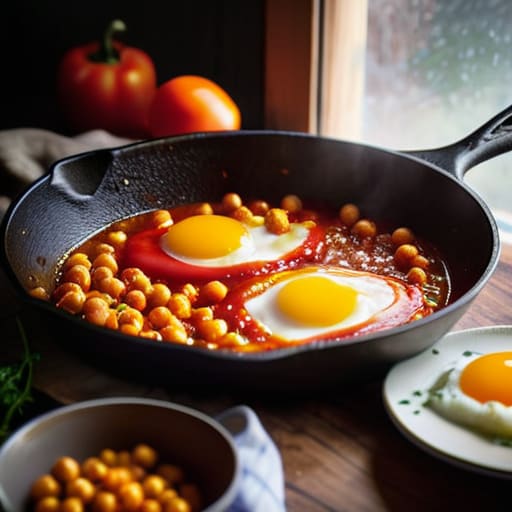
When I’m staring at a fridge that looks like a desert, this is my go-to. It’s basically just simmering canned chickpeas in a spiced tomato sauce and cracking a few eggs right on top. I love it because it minimizes the cleanup friction; you use one pan, you eat from the pan, and you’re done. It’s the ultimate low-effort, high-reward meal for those nights when your brain is too fried to follow a complex recipe.
Sheet Pan Roasted Veggie Medley
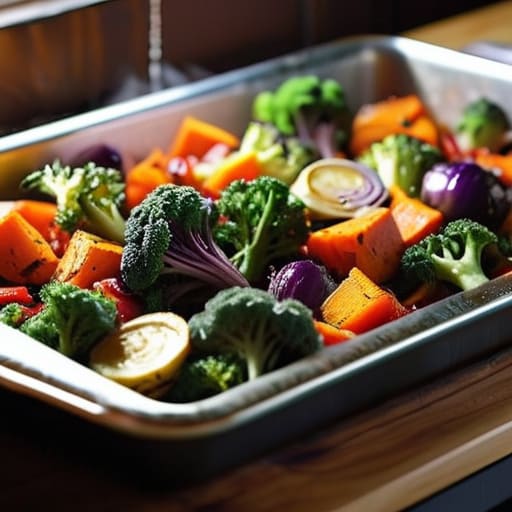
If you want to optimize your nutrition without actually “cooking,” sheet pan roasting is the answer. I grab whatever is on sale—sweet potatoes, broccoli, bell peppers, maybe some red onion—toss them in olive oil and salt, and let the oven do the heavy lifting. It’s a set-it-and-forget-it system that works every single time.
Black Bean and Avocado Tostadas
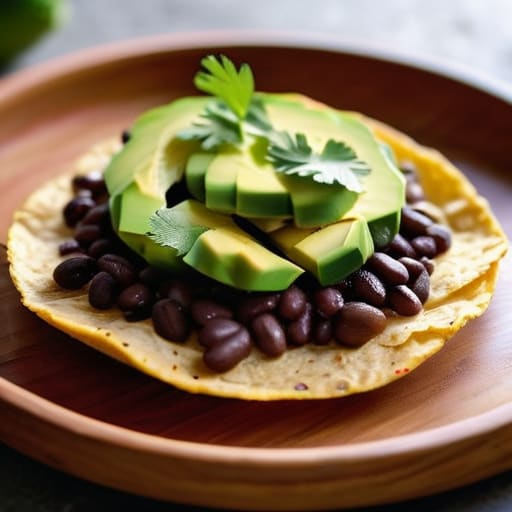
These are my “emergency” dinners for when I’ve had a particularly brutal day at the office. There is zero actual cooking involved if you use pre-made tostada shells. You just mash some canned black beans with a little lime juice and cumin, spread them on the shell, and pile on some sliced avocado. It’s a minimalist approach to a meal that still feels substantial.
Red Lentil Dahl
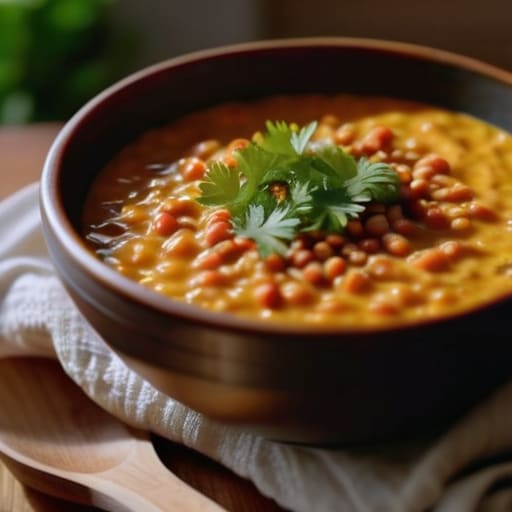
I used to think lentils were a chore, but red lentils are a total game-changer for anyone who values efficiency. Unlike other legumes, they break down quickly, turning into a thick, comforting porridge without needing a pressure cooker. It’s a one-pot powerhouse that stays good in the fridge for days, making it perfect for meal prepping.
Pesto Pasta with Blistered Tomatoes
We’ve all been there: it’s 7:00 PM, you’re hungry, and the thought of chopping an onion feels like an insurmountable task. This is where high-quality, store-bought pesto saves your life. While your pasta is boiling, you just toss some cherry tomatoes into a pan with a little oil until they burst and release their juices.
Halloumi and Roasted Pepper Wraps
Halloumi is my secret weapon for adding “meatiness” to vegetarian dishes without the hassle of processing plant-based substitutes. It has a high melting point, so you can pan-fry it until it’s golden and squeaky without it turning into a puddle. I wrap it in a warm tortilla with some jarred roasted red peppers and a smear of hummus.
Caprese Quinoa Bowls
I lean on quinoa when I need a high-protein meal that doesn’t require me to monitor a stovetop for twenty minutes. It’s much more forgiving than rice and has a much better shelf life in the fridge. For a Caprese twist, I just mix the cooked quinoa with cherry tomatoes, fresh mozzarella pearls, and a drizzle of balsamic glaze.
Sweet Potato and Black Bean Quesadillas
This is the ultimate way to use up those leftover roasted sweet potatoes sitting in your fridge. Mash them slightly so they act as a “glue” for the black beans and cheese inside the tortilla. It’s a low-friction way to turn leftovers into a completely different, delicious meal.
The Philosophy of the Plate
“I don’t care about gourmet plating or complex culinary gymnastics; I care about systems that work. A good vegetarian meal should be like a well-written script—minimal overhead, high efficiency, and enough substance to keep you running without the mid-afternoon crash.”
Nathaniel 'Nate' Brooks
Streamlining Your Meatless Evenings
At the end of the day, these recipes aren’t about achieving some impossible standard of culinary perfection or following a strict dietary dogma. They are simply tools to help you reduce decision fatigue during those high-friction hours between finishing work and finally sitting down to relax. Whether you’re leaning on a one-pot lentil stew to save on cleanup or utilizing a quick chickpea stir-fry to reclaim your evening, the goal is the same: getting nutritious food on the table without the mental overhead of a complex production line. By keeping a few of these staples in your rotation, you turn mealtime from a chaotic chore into a predictable, manageable system.
I’ve spent a lot of my life trying to optimize every minute, but I’ve learned that the best systems are the ones that actually leave you with room to breathe. Don’t feel like you have to master all eight of these dishes by next Tuesday. Just pick one, add it to your weekly spreadsheet, and see how it feels. The real win isn’t just eating more vegetables; it’s about eliminating the friction that makes healthy living feel like a second job. We aren’t aiming for a gourmet transformation here—we’re just aiming for better, simpler days.
Frequently Asked Questions
How can I make sure I'm actually getting enough protein without constantly eating beans?
Look, I get it. If I had to eat another bowl of lentils to hit my macros, I’d probably stage a protest. To keep protein high without the bean fatigue, diversify your sources. Lean on Greek yogurt, cottage cheese, or eggs for breakfast. For lunch and dinner, integrate tofu, tempeh, or even seitan—which is a total game-changer for texture. If you’re really pressed for time, a clean pea protein shake is a solid, low-friction way to fill the gap.
What are some ways to meal prep these recipes so they don't taste like leftovers by Wednesday?
The secret is decoupling your components. Don’t mix everything into one giant, soggy container on Sunday. Instead, prep your grains, roasted veggies, and proteins separately. Keep your sauces in small, airtight jars and add them right before eating. If a recipe involves greens, keep them in a separate bag so they stay crisp. It’s a bit more washing up, but it’s the only way to ensure Wednesday’s dinner doesn’t feel like a chore.
Are there specific pantry staples I should keep on hand to make these even faster?
To make these even faster, you need to treat your pantry like a well-optimized database. Keep a rotation of canned beans (chickpeas and black beans are non-negotiable), quick-cooking grains like couscous or quinoa, and jarred marinara. I also swear by high-quality vegetable bouillon and nutritional yeast—they add instant depth without the prep work. If you have these on hand, you’ve already cleared half the friction of starting a meal.
How do I keep my grocery bill from spiking when I switch to more plant-based ingredients?
The trick is to stop buying “fake meat” as your primary protein. Those processed, plant-based patties are expensive and high-friction. Instead, lean into the heavy hitters: dried lentils, chickpeas, and black beans. They cost pennies per serving and have an indefinite shelf life. I treat my pantry like a system—keep the staples stocked so you aren’t impulse-buying expensive meat alternatives when you’re tired. Focus on whole foods, and the savings will follow.