I used to think that mastering how to cook chicken breast required a culinary degree or a kitchen full of expensive, specialized gadgets. I spent my early twenties in a cramped apartment, staring at a dry, rubbery slab of protein that tasted more like cardboard than actual food, wondering why every recipe online made it sound so much more complicated than it actually was. Most of those “gourmet” tutorials are just noise—they add unnecessary steps and fancy terminology that only serve to waste your time and ruin a perfectly good meal.
I’m not here to teach you how to make a five-course meal; I’m here to help you build a better system for your Tuesday night dinners. I’m going to show you the exact, streamlined method I use to ensure every single piece is juicy, seasoned properly, and cooked with zero wasted effort. We aren’t aiming for a Michelin star here; we’re just aiming for a reliable routine that eliminates the guesswork and keeps you from throwing good money down the drain.
Table of Contents
Simple Chicken Breast Seasoning Ideas for Busy Nights
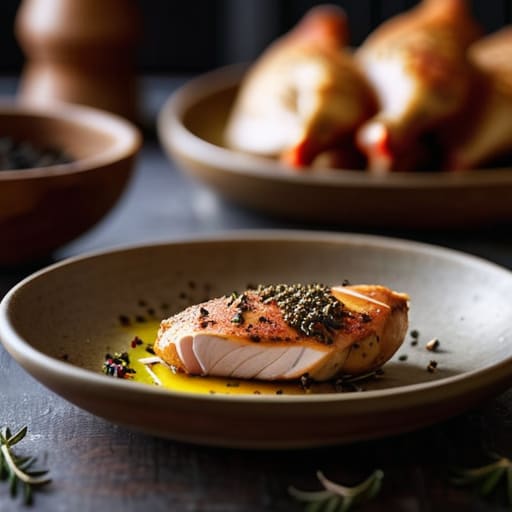
Look, I don’t have the bandwidth for a spice cabinet that looks like a chemistry lab. When I’m staring down a Tuesday night and need a win, I stick to a few reliable chicken breast seasoning ideas that require zero mental heavy lifting. My go-to is the “Mediterranean Minimalist”: olive oil, dried oregano, garlic powder, and a heavy pinch of sea salt. It’s foolproof and works whether you’re doing a quick pan sear or throwing it in the oven. If you’re feeling like you need a bit more punch, a simple smoked paprika and cumin rub adds a depth that makes it feel like you actually tried, even if it only took thirty seconds to prep.
The secret to making these flavors actually pop isn’t just the spices, though—it’s about not ruining the protein before you even start. I’ve learned the hard way that if you don’t pat the meat dry with a paper towel before seasoning, you’re just making a salty, wet mess. A dry surface is non-negotiable for preventing dry chicken and ensuring you get that golden-brown crust we’re all after. Once you nail the seasoning and the surface prep, the rest is just managing the heat.
The Minimalist Approach to Oven Baked Chicken Breast
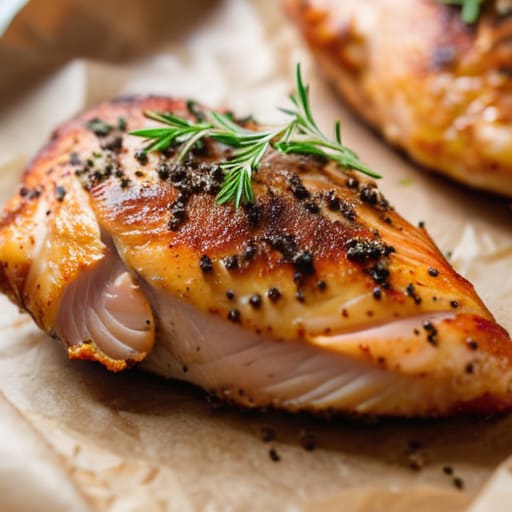
If you’re like me, you want the highest ROI for your effort. You don’t want to stand over a stove for twenty minutes, and you certainly don’t want to end up with something that feels like chewing on a piece of drywall. The secret to a successful oven baked chicken breast isn’t some complex culinary technique; it’s about managing heat and moisture. I usually skip the heavy pans and go straight for a rimmed baking sheet lined with parchment. It cuts down on the cleanup—one less thing to deal with after dinner—and keeps the workflow clean.
The real mistake most people make is treating the oven like a “set it and forget it” black box. If you want to master preventing dry chicken, you have to stop guessing. I always keep a digital meat thermometer on my counter; it’s the single most important tool in my kitchen. Don’t wait until the meat looks white and opaque on the outside. Instead, pull the tray out the second you hit that magic number. If you aim for an internal temperature for chicken of about 160°F (74°C) and let it rest for five minutes, the carryover cooking will bring it to a safe 165°F while keeping the juices locked inside. It’s simple, systematic, and it works every single time.
The Systems Approach: 5 Ways to Stop Ruining Your Chicken
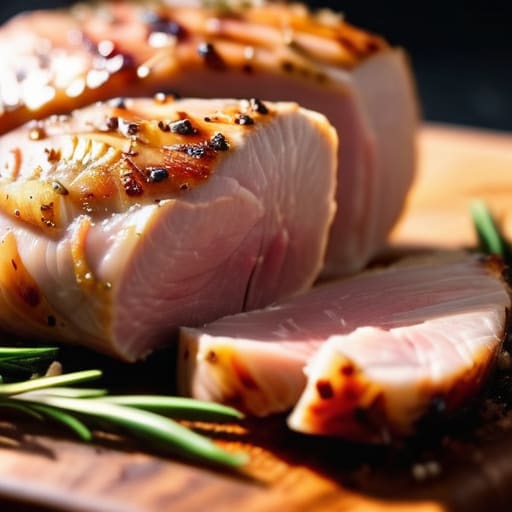
- Buy a digital instant-read thermometer. If you aren’t checking the internal temp, you’re just guessing, and guessing is how you end up with something that feels like a piece of drywall. Aim for 165°F (74°C) and stop there.
- Let it rest. This is the part everyone skips because they’re hungry, but if you cut into that chicken the second it leaves the pan, all the moisture escapes. Give it five minutes on the cutting board to let the juices redistribute.
- Standardize your prep with a meat mallet. Chicken breasts are notoriously uneven—thick at one end and paper-thin at the other. Pound them to a uniform thickness so the whole piece cooks at the same rate.
- Salt early. If you have the bandwidth, salt your chicken 30 minutes before you cook it. It helps the seasoning penetrate deeper and keeps the protein from tightening up too much during the heat application.
- Don’t crowd the pan. If you’re stovetop cooking, give each piece some breathing room. If you pile them in, you’re essentially steaming the meat instead of searing it, and you’ll lose that crucial golden-brown crust.
The Philosophy of the Perfect Protein
“Cooking chicken shouldn’t be a high-stakes math problem or a source of kitchen anxiety; it’s just about mastering a few basic variables so you can stop hovering over the stove and get back to your actual life.”
Nathaniel 'Nate' Brooks
Stop Overthinking the Protein
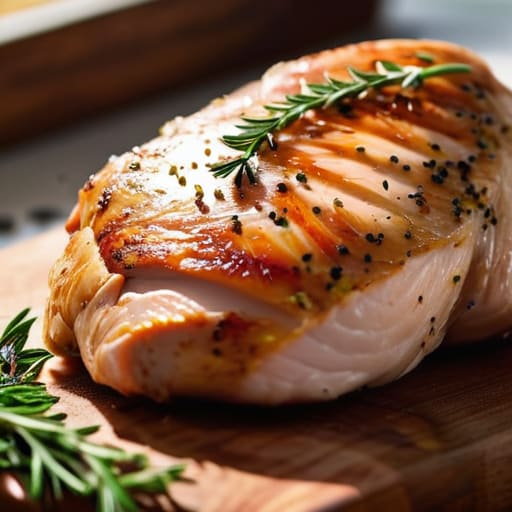
At the end of the day, cooking a decent chicken breast isn’t about mastering some complex culinary technique or owning a kitchen full of expensive gadgets. It’s about having a few reliable systems in place. Whether you’re leaning on a handful of basic seasonings to beat the weekday burnout or using a straightforward oven method to keep the kitchen clean, the goal is the same: consistent, edible results. You don’t need a gourmet kitchen to avoid the dry, tasteless mess that usually happens when you’re rushing through a Tuesday night. Just hit your internal temperature, don’t neglect the seasoning, and you’ve effectively eliminated the friction of meal prep.
I know how it goes—sometimes you just want to eat something that doesn’t feel like a chore to prepare or consume. My advice is to stop chasing the “perfect” recipe you saw on a high-production cooking show and just focus on building a routine that actually works for your schedule. Once you have these basic frameworks down, you’ll find you have more mental bandwidth for the things that actually matter. We aren’t trying to win a Michelin star here; we’re just trying to optimize our evening so we can stop worrying about dinner and start actually enjoying our time.
Frequently Asked Questions
How can I tell if the chicken is actually done without constantly cutting into it and losing the juices?
Look, I used to do the same thing—cutting into it every five minutes like I was performing surgery—only to end up with a dry, sawdust-textured mess. Stop the guesswork. Buy a digital instant-read thermometer. It’s the only way to eliminate the friction. Pull the chicken when it hits 160°F (71°C); carryover cooking will bring it up to the safe 165°F mark while it rests. It’s precise, fast, and keeps the juices exactly where they belong.
Is it worth the extra effort to brine the chicken, or is that just more friction than I need on a weeknight?
Look, if you’re already staring down a deadline or just want to eat, skip the traditional wet brine. It’s too much friction for a weeknight. Instead, try a “dry brine.” Just hit the meat with salt about 30 minutes before you cook. It’s a low-effort system that achieves 90% of the same moisture benefits without the messy bowls or extra cleanup. It’s the efficiency play—maximum result, minimum chaos.
What’s the best way to prevent the meat from turning into a dry, rubbery mess in the pan?
The secret isn’t a fancy technique; it’s heat management and timing. Most people treat a pan like a race, cranking the heat to max and then wondering why the meat is tough. Don’t do that. Use medium heat, pat the chicken bone-dry with paper towels first (moisture is the enemy of a good sear), and for the love of everything, get a meat thermometer. Pull it off the heat a few degrees early. Let it rest.
Can I prep these breasts ahead of time for the week, or will they get weird in the fridge?
You can definitely prep them ahead, but don’t just throw raw meat in a container and hope for the best. If you’re doing raw prep, keep it to two days max; after that, the texture starts to get a bit suspicious. My preferred system? Cook a batch of plain breasts on Sunday, slice them up, and keep them in an airtight container. It’s much more efficient for weekday lunches and keeps the fridge from smelling like a butcher shop.