I spent most of my early twenties in a cubicle that felt more like a coffin, staring at spreadsheets until my lower back felt like it was being compressed by a hydraulic press. I used to see these “wellness gurus” peddling $2,000 ergonomic chairs and expensive standing desk converters, acting like a piece of furniture was the magic bullet for a sedentary lifestyle. It’s total nonsense. You don’t need a high-tech overhaul to solve the problem; you just need to stop treating your body like a stationary piece of hardware. Learning how to stay active at work isn’t about buying more gear—it’s about eliminating the friction between your desk and your movement.
I’m not here to sell you a subscription to a mindfulness app or suggest you do yoga in the middle of a sprint planning meeting. That’s not realistic. Instead, I want to share the small, low-effort systems I’ve built into my own routine to keep my blood flowing without nuking my productivity. We’re going to focus on frictionless adjustments—the kind of tiny, actionable tweaks that actually fit into a busy workday. We aren’t aiming for an Olympic workout; we’re just aiming to stop the slow decay of your posture and energy.
Table of Contents
Mastering Micro Breaks for Productivity Without Losing Momentum
The biggest mistake I see people make is thinking that “staying active” requires a gym membership or a mid-day yoga session. In reality, the most effective way to combat the sedentary lifestyle health risks that come with a systems analyst role is to embrace the micro-break. I’m a big believer in the 50/10 rule: fifty minutes of deep, focused work followed by ten minutes of intentional movement. This isn’t about wandering off to the breakroom for a snack; it’s about resetting your nervous system so you don’t hit that 3:00 PM wall.
To make this work without breaking your flow, you need to keep your movement low-friction. I don’t have time to change into workout gear, so I rely on a few quick desk stretches for office workers to release the tension in my neck and hip flexors. Think of it as system maintenance for your body. If you can’t get up, even just a few seated spinal twists or calf raises while you’re reading a long report can prevent that heavy, stagnant feeling from setting in. The goal isn’t to turn your office into a fitness studio; it’s just to keep the gears from seizing up.
Smart Office Movement Exercises That Actually Fit Your Schedule
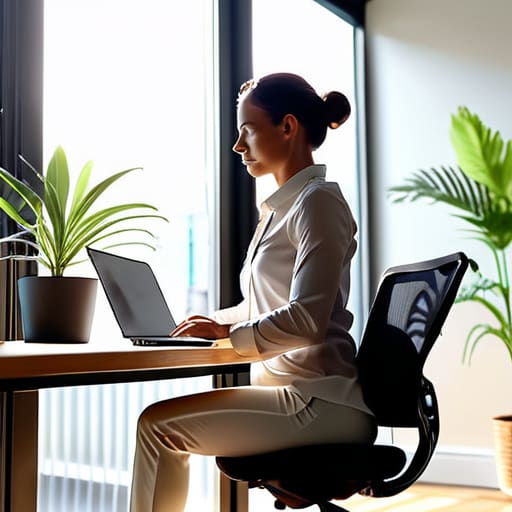
Look, I’m not suggesting you turn your cubicle into a CrossFit box. That’s not sustainable, and frankly, it’s a little weird. What I am talking about is integrating small, intentional movements that counteract the physical toll of a sedentary lifestyle. If you’re stuck in a chair for eight hours, your hip flexors are going to tighten up and your posture will eventually resemble a question mark. To fight this, I’ve started incorporating a few specific desk stretches for office workers that I can do without looking like I’ve lost my mind. A simple seated spinal twist or a few shoulder rolls every hour does wonders for keeping the tension from settling into your neck.
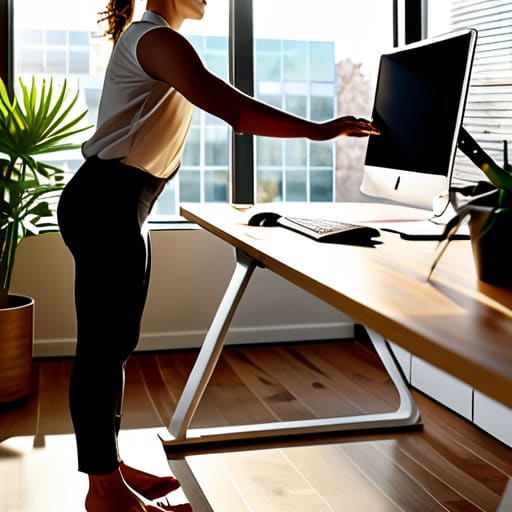
Another way to approach this is by rethinking your physical environment. If you have the option, leaning into the standing desk benefits can be a total game-changer for your energy levels. You don’t need to stand all day—that’s just another way to fatigue your legs—but alternating between sitting and standing keeps your blood flowing and prevents that mid-afternoon brain fog. It’s about creating a dynamic workspace rather than a static one. Even if you don’t have a fancy motorized desk, just standing up every time you take a phone call is a low-effort way to keep your body from locking up.
Low-friction hacks to stop the sedentary slump
- Audit your hardware. If you’re stuck in a chair that makes your back feel like it’s eighty years old, stop trying to “power through” it. Either invest in a decent ergonomic setup or, if the budget is tight, grab a footrest. Small changes to how your body sits can prevent the stiffness that makes you want to quit halfway through the afternoon.
- Use the “meeting walk” strategy. If you have a call that doesn’t require you to stare at a shared screen or take complex notes, take it on your phone while walking around the room or even just pacing your hallway. It’s a zero-cost way to turn dead time into movement time.
- Optimize your hydration loop. I’m a big fan of using a smaller water glass instead of a massive gallon jug. It sounds counterintuitive, but it forces you to get up and walk to the kitchen or the water cooler more frequently. It’s a built-in, automated reason to move your legs.
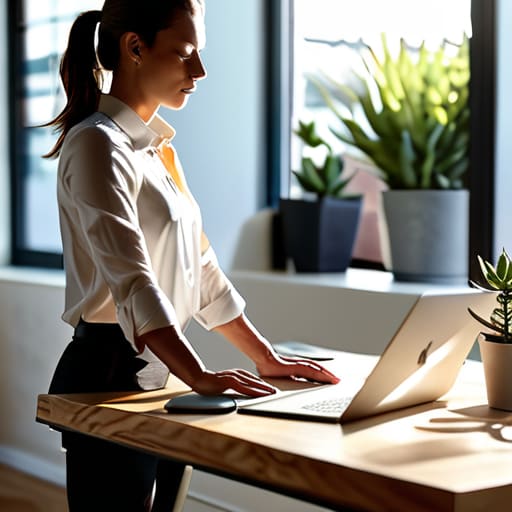
- Stop the “all-or-nothing” mindset with your desk. You don’t need a full-blown gym setup to stay active. If you can, try a standing desk converter or even just stand up every time you hit “send” on a long email. It’s about breaking the physical stagnation, not running a marathon during your lunch hour.
- Set a “movement trigger” in your digital workflow. Since I spend most of my life in front of a monitor, I use specific triggers—like finishing a sprint or closing out a ticket—as a cue to do ten air squats or a quick stretch. If you tie movement to a task you already complete, it stops being another chore on your to-do list and becomes part of the system.
The efficiency of movement
“We treat sitting like it’s a prerequisite for deep work, but it’s actually a friction point. You don’t need a gym membership or a midday yoga session to fix this; you just need to stop treating your desk like a cage and start building small, intentional movements into the gaps of your workflow.”
Nathaniel 'Nate' Brooks
Cutting Through the Inertia
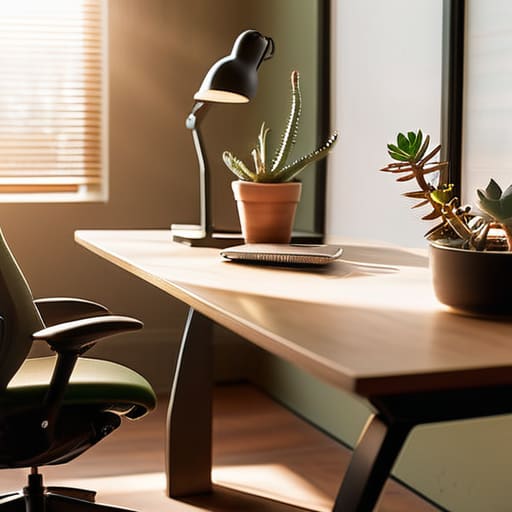
At the end of the day, staying active at work isn’t about hitting a personal best in a gym session during your lunch hour. It’s about the small, tactical shifts—the micro-breaks that keep your brain from fogging up and the subtle movements that stop your back from feeling like it’s made of rusted iron. Whether you’re implementing a quick stretching routine between meetings or finally investing in a setup that lets you stand, the goal is to reduce the friction between your body and your tasks. If you can master these tiny adjustments, you stop fighting your environment and start working with it.
Look, I know how easy it is to fall into the trap of thinking you have to be “on” for eight hours straight to be productive. But that’s a broken system, and we both know it. You don’t need to overhaul your entire life by Monday morning; you just need to stop letting your desk become a cage. Start with one small change this week—maybe it’s just standing up every time you take a phone call. Aim for progress, not a perfect streak. Once you start reclaiming that energy, you’ll realize that a little movement isn’t a distraction from your work; it’s the fuel that actually makes the work possible.
Frequently Asked Questions
How do I stay active without looking like a total weirdo in an open-plan office?
Look, I get it. Nobody wants to be the person doing lunges in the middle of a sprint planning meeting. The trick is to stop thinking about “exercise” and start thinking about “fidgeting with purpose.” Use a standing desk if you have one, or just stand up every time you take a call. If you’re stuck in a chair, do some seated calf raises or subtle stretches. Keep it low-key; if it looks like a workout, you’ve gone too far.
Is it actually worth the time to step away, or am I just sabotaging my deep work sessions?
Look, I get it. When you’re finally in the zone, the last thing you want to do is break the flow. But there’s a massive difference between “flow state” and “cognitive fatigue.” If you’re staring at the same line of code or spreadsheet for twenty minutes without making progress, you aren’t working; you’re just idling. Stepping away isn’t sabotage; it’s a system reset. A five-minute walk actually clears the cache so you can return sharper.
What can I do if my job requires me to be glued to a screen for hours on end?
Look, I get it. Some of us don’t have the luxury of walking around a warehouse; we’re tethered to a monitor for eight hours straight. If you can’t leave the desk, you have to optimize your immediate environment. Invest in a footrest to shift your posture, or better yet, get a vertical mouse to save your wrists. Even small things, like setting a timer to do seated spinal twists, can break that physical stagnation without killing your flow.
How do I track these small movements without adding another complicated app to my workflow?
Look, I get it. The last thing you need is another notification-heavy app cluttering your lock screen. If it feels like work, you won’t do it. Instead, keep it analog or low-friction. Use a simple tally mark on a sticky note by your monitor, or better yet, tie movement to an existing trigger—like doing ten calf raises every time you finish a meeting. If you must go digital, a single, dedicated checkbox in your existing task manager is plenty. Keep the system invisible.