I used to think that if I just bought the right ergonomic chair or a $500 standing desk converter, my back pain would magically vanish. I spent years chasing those expensive, high-tech fixes, only to realize I was just sitting in a different, more expensive position. The truth is, no piece of furniture can compensate for the physical toll of being stationary for eight hours straight. We don’t need more gear; we need better systems. I learned the hard way that a few intentional desk stretches performed every hour do more for my focus than any overpriced lumbar support ever could.
I’m not here to sell you a yoga retreat or a complicated 30-minute routine that you’ll inevitably abandon by Tuesday. Instead, I’m going to give you a few low-friction movements that actually work—the kind you can do without even leaving your workstation or looking like a total weirdo in the office. My goal is to help you eliminate that mid-afternoon stiffness so you can actually finish your day with some energy left for yourself. We aren’t aiming for a complete body transformation; we’re just optimizing your workday so it doesn’t leave you feeling broken.
Table of Contents
Relieve Neck Tension at Work Without Leaving Your Seat

If you’re reading this, chances are your chin is currently hovering about six inches in front of your monitor. We’ve all been there—the “tech neck” creep that happens when you’re deep in a spreadsheet or a debugging session. To relieve neck tension at work, I’ve found that the most effective move isn’t a massive workout, but a simple chin tuck. Sit up straight, pull your head back as if you’re trying to make a double chin, and hold it for three seconds. It feels awkward at first, but it’s one of the best ergonomic office exercises for resetting your cervical spine without needing a yoga mat.
Once you’ve reset your alignment, try adding some lateral tilts. Drop your right ear toward your right shoulder, keeping your shoulders heavy and relaxed. Don’t force it; just let gravity do the heavy lifting. This helps prevent sitting posture issues that lead to those nagging tension headaches by lengthening the muscles that have been shortening all morning. If you feel a pull, hold it for twenty seconds and breathe. It’s a small, low-friction way to reclaim your physical comfort before the stiffness turns into a full-blown distraction.
Seated Spinal Mobility for a Less Stiff Afternoon
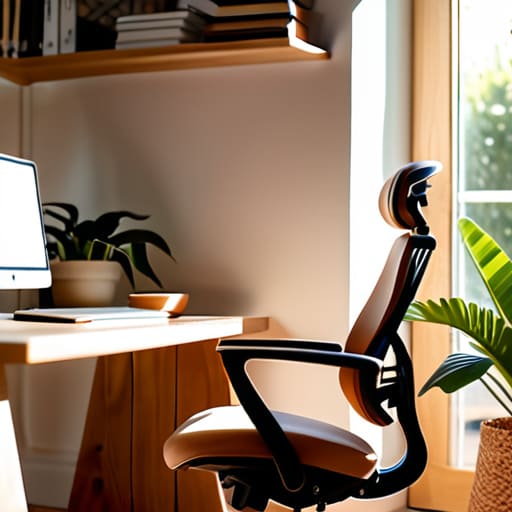
If you’ve ever hit that 3:00 PM slump and felt like your spine has literally fused into a single, rigid rod, you aren’t alone. Most of us spend hours locked in a forward-leaning “C” shape, which is a recipe for disaster. To combat this, I’ve found that focusing on seated spinal mobility is the most effective way to reset your nervous system. Instead of a massive gym session, try a seated spinal twist. Sit tall, plant your feet firmly, and use your chair’s armrest to gently rotate your torso. It’s not about forcing a deep stretch; it’s about creating small windows of movement to keep your vertebrae from feeling like they’re stuck in cement.
Beyond just twisting, don’t overlook the importance of gentle side bends to prevent sitting posture issues from creeping up your back. By reaching one arm overhead and leaning slightly to the opposite side, you open up the intercostal muscles between your ribs. This simple shift helps expand your breathing capacity, which usually tanks when we’re hunched over a keyboard. I like to treat these movements as micro-adjustments—quick, low-friction wins that keep my body from feeling like a relic of the industrial age by the time I clock out.
Five Quick Wins to Stop the Desk-Bound Slump

- Open up your chest with a seated figure-four stretch; it counters that “keyboard hunch” that makes your shoulders feel like they’re permanently up at your ears.
- Reset your wrists by performing simple rotations and extensions, because staring at a screen is no excuse for letting carpal tunnel tension build up.
- Decompress your hips with a seated glute stretch—cross one ankle over the opposite knee and lean forward slightly to break up that seated stiffness.
- Use your desk for a standing calf stretch every time you head to the kitchen for coffee; it’s a tiny way to get blood flowing back into your legs.
- Practice the 20-20-20 rule for your eyes; every 20 minutes, look at something 20 feet away for 20 seconds to prevent that heavy, strained feeling at the end of the day.
## The Philosophy of Movement
“We treat our bodies like hardware that’s supposed to run indefinitely without maintenance, but you can’t expect peak performance from a system that’s been frozen in one position for eight hours straight.”
Nathaniel 'Nate' Brooks
The Bottom Line

Look, I’m not suggesting you turn your office into a yoga studio or spend forty minutes on a meditation mat every afternoon. The goal here is simple: integration. By hitting those neck releases and spinal rotations we talked about, you’re essentially debugging your physical system before the errors become critical. Whether it’s a quick stretch during a loading screen or a seated twist between Zoom calls, these micro-adjustments prevent that end-of-day burnout where your body feels twice as old as your ID says it is. Consistency beats intensity every single time; small, frequent movements are far more effective than waiting until you’re in actual pain to try and fix it.
At the end of the day, your workspace shouldn’t feel like a cage that slowly wears you down. We spend so much time optimizing our digital workflows, our calendars, and our bank accounts, but we often forget that we are the hardware running all those programs. If the hardware is stiff and aching, the software doesn’t matter. Don’t wait for a massive physical breakdown to start paying attention to how you’re sitting. Start small, pick one or two of these moves to weave into your routine tomorrow, and reclaim your momentum one stretch at a time.
Frequently Asked Questions
How often do I actually need to do these stretches to see a difference in my stiffness?
Look, I’m not a physical therapist, and I’m not looking for you to turn this into a grueling workout routine. If you wait until you’re in actual pain to move, you’ve already lost the battle. I aim for a “micro-dose” approach: try to hit these stretches once every 90 minutes or whenever you feel that mental fog setting in. Consistency beats intensity every time. Small, frequent movements beat one long session on Sunday.
Can these stretches actually help with my lower back pain, or are they just for my neck and shoulders?
They definitely can. While the neck and shoulder stuff is about immediate relief, the spinal mobility moves I mentioned are the real heavy lifters for your lower back. Most back pain isn’t a “back problem”—it’s a consequence of your hips and spine being locked in a seated position for hours. If we can restore some movement to your mid-back, your lower back won’t have to overcompensate to keep you upright.
Is there a way to do these without looking like a total weirdo in a crowded office?
I get it. Nobody wants to be the person doing full-blown yoga in the middle of an open-plan office. It’s awkward. The trick is to keep the movements micro and subtle. Instead of a massive stretch, think about “micro-adjustments.” Slow neck tilts or gentle seated rotations look like you’re just shifting your focus or getting comfortable in your chair. If it feels too obvious, just pair it with a quick sip of water.
What should I do if I feel a sharp pain while I'm stretching?
Stop immediately. If you feel a sharp, stabbing, or electric sensation, your body isn’t asking for a deeper stretch—it’s sending an emergency signal. That’s not “the good kind of hurt”; that’s potential nerve impingement or muscle strain. Back off, find a neutral position, and breathe. Don’t try to “push through it” to find the range of motion. If the pain persists even when you’re resting, skip the DIY fixes and go see a professional.