I spent three years of my twenties carrying around a massive, two-liter insulated jug like it was some kind of holy relic, convinced that if I wasn’t constantly chugging water, my brain was going to shut down. I fell for every piece of wellness marketing out there, tracking every ounce in a spreadsheet and feeling a strange sense of guilt every time I wasn’t hitting some arbitrary goal. It turns out, most of those hydration myths I was obsessing over were just noise designed to make a simple biological need feel like a full-time job. Honestly, the sheer amount of unnecessary friction I added to my morning routine just to stay “optimal” was a total waste of mental energy.
I’m not here to sell you a fancy electrolyte powder or a subscription to a water-tracking app. My goal is to strip away the complexity and give you the actual, evidence-based reality of how to keep your body running smoothly. We’re going to debunk the nonsense so you can stop overthinking your intake and get back to focusing on what actually matters. No rituals, no expensive gadgets—just a streamlined approach to staying hydrated.
Table of Contents
Forget Rigid Daily Water Intake Requirements
If you’ve ever felt a weird sense of guilt because you haven’t hit that arbitrary eight-glass mark by noon, I need you to take a breath and let it go. I spent way too much time in my early twenties trying to force-feed myself water based on those generic daily water intake requirements I saw on a random infographic. It felt like another chore on an already overflowing to-do list, and honestly, it was just more friction I didn’t need. The truth is, your body isn’t a standardized machine that requires the exact same fuel input every single day.
Your needs change based on the humidity in your apartment, how much caffeine you’ve had, or whether you actually broke a sweat during your workout. Instead of obsessing over a specific number of ounces, I’ve learned to pay attention to the actual signals my body is sending. Things like a dull headache or a sudden dip in focus are much more reliable signs of dehydration than any spreadsheet could ever be. Stop trying to optimize for a number and start optimizing for how you actually feel. It’s much more efficient that way.
Why Chasing Eight Glasses Is a Bad System
The “eight glasses a day” rule is a classic example of a bad system: it’s a rigid, arbitrary metric that fails to account for individual variables. As a systems analyst, I look for data-driven inputs, and the problem here is that your body isn’t a static machine. Your daily water intake requirements fluctuate wildly based on your metabolic rate, the humidity in your apartment, and even how much caffeine you’ve had by noon. Forcing yourself to hit a specific number just for the sake of checking a box creates unnecessary mental friction and often leads to unnecessary trips to the bathroom.
Instead of obsessing over a tally, you should be looking for the actual output signals. If you’re feeling sluggish or dealing with a nagging headache, those are much more reliable signs of dehydration than a spreadsheet could ever be. It’s about optimizing for how you feel, not how many ounces you’ve logged in an app. If you’re eating plenty of water-rich foods like cucumbers or fruit, you’re already partway there. Stop treating hydration like a math problem and start treating it like a feedback loop; listen to your body, and it’ll tell you exactly what it needs.
5 Small Adjustments to Simplify Your Hydration
- Stop obsessing over “pure” water. If you’re eating fruits, veggies, or even having a bowl of soup, you’re already hydrating. You don’t need to drink a liter of plain water every hour to make up for a solid meal.
- Ditch the fancy electrolyte powders if you’re just sitting at a desk. Unless you’re crushing a heavy workout or sweating in the sun, those expensive, neon-colored drinks are usually just adding unnecessary sugar and cost to your day.
- Don’t treat coffee like an enemy. I’m a caffeine drinker myself, and the “coffee dehydrates you” trope is mostly overstated. It counts toward your fluid intake, so don’t feel like you have to swap your morning brew for a glass of lukewarm water just to check a box.
- Use your body, not an app, as your guide. If you’re thirsty, drink. If your urine is a light straw color, you’re doing fine. If you’re constantly running to the bathroom every twenty minutes, you’re probably overcompensating with water intake.
- Stop waiting for the “perfect” hydration window. There’s no magic time of day to chug water for maximum efficiency. Just keep a reusable bottle nearby and take small sips throughout the day—it’s much easier on your system than trying to down a massive amount all at once.
## Stop Treating Hydration Like a Spreadsheet
“We need to stop treating our bodies like a logic puzzle that can be solved with a rigid gallon-a-day ritual; hydration isn’t about hitting a specific number on a tracker, it’s about listening to your own internal signals and cutting out the unnecessary noise.”
Nathaniel 'Nate' Brooks
Cutting Through the Noise
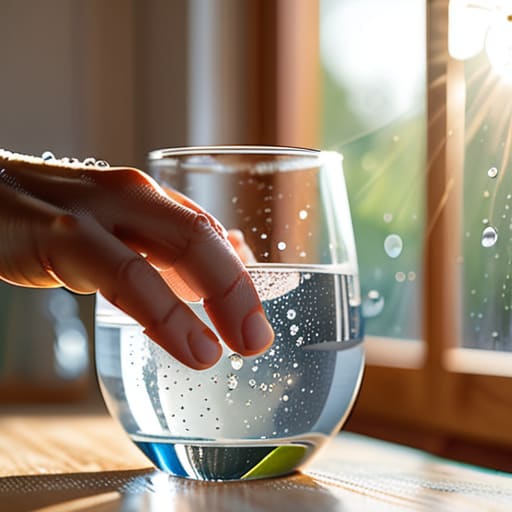
At the end of the day, hydration isn’t a math problem to be solved with a rigid spreadsheet or a tracking app that pings you every twenty minutes. We’ve spent a lot of time debunking the idea that you need a specific gallon count or a strict eight-glass rule to function. The reality is much simpler: your body is its own highly sophisticated sensor. Between the food you eat, the caffeine you drink, and how much you’re sweating, your needs change daily. Stop trying to force a one-size-fits-all system onto a biological process that is inherently variable. If you’re thirsty, drink. If you’re hydrated, move on.
My philosophy has always been about removing unnecessary friction, and overthinking your water intake is just more mental clutter you don’t need. You don’t need to achieve perfection to see the benefits; you just need to listen to your body and stop letting arbitrary internet myths dictate your routine. Life is complicated enough without turning a basic biological necessity into a chore. Keep your water nearby, pay attention to your thirst cues, and let the rest go. Once you stop obsessing over the numbers, you’ll find that staying healthy actually becomes effortless.
Frequently Asked Questions
If I'm not hitting a specific number of glasses, how do I actually know if I'm hydrated enough?
Look, if you want to stop obsessing over numbers, just look at the data your body is already giving you. The simplest metric? Check your urine. If it’s pale yellow, like lemonade, you’re doing fine. If it’s dark or concentrated, you’re running low. Also, pay attention to your energy levels and skin elasticity. If you’re feeling a mid-afternoon slump or a dull headache, that’s your system signaling a deficit. Keep it simple.
Does the caffeine in my morning coffee actually count toward my daily fluid intake, or am I just spinning my wheels?
Here’s the short answer: yes, it counts. I used to think coffee was a diuretic that would leave me running on empty, but the science doesn’t back that up for moderate drinkers. If you’re having a cup or two in the morning, that’s fluid. Don’t treat your coffee like a separate, problematic category; just factor it into the total. It’s one less thing to overthink in your daily routine.
Are there specific foods I should be eating to help stay hydrated without constantly carrying a water bottle?
If you want to skip the constant refills, start looking at your plate as a secondary hydration source. I’ve found that incorporating high-water-content foods—like cucumbers, watermelon, and strawberries—is a total game changer for low-friction hydration. Even some leafy greens and bell peppers pack a decent amount of moisture. It’s not a total replacement for drinking water, but it’s a smart way to layer hydration into your existing meal routine without extra effort.
How much does my activity level or the weather actually change my baseline needs compared to the standard advice?
Look, the “eight glasses” rule is a static solution for a dynamic problem. If you’re crushing a workout or stuck in a humid afternoon, your baseline isn’t just shifting—it’s spiking. Think of it like adjusting the cooling system on a server; when the load goes up, the output needs to follow. Don’t stick to a rigid number. If you’re sweating or moving more, just add an extra glass or two and call it a day.