I remember my early twenties like it was yesterday—mostly because I spent most of it staring blankly into a fridge full of expired condiments, wondering why eating felt like a second job. Between long shifts and the mental drain of trying to “adult,” the sheer friction of deciding what to eat often led me straight to overpriced takeout. I realized then that cooking shouldn’t be a high-stakes performance; it’s just another system that needs optimizing. If you’re feeling overwhelmed by the complexity of recipes and grocery lists, you aren’t alone. Finding easy meals for beginners isn’t about mastering French technique; it’s about reducing the decision fatigue that kills your motivation before you even turn on the stove.
In this guide, I’ve stripped away the fluff to give you eight reliable, low-effort options that actually taste good. I’m not talking about gourmet feasts that require a chemistry degree; I’m talking about streamlined, repeatable wins that fit into a busy schedule. These eight items are designed to help you build a foundation of sustainable kitchen habits without the burnout. By the end of this list, you’ll have a toolkit of meals that take the guesswork out of your evenings, leaving you with more time to actually enjoy your life.
Table of Contents
The Sheet Pan Savior
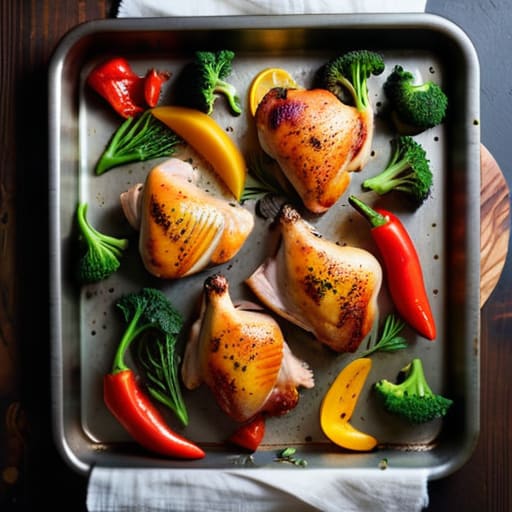
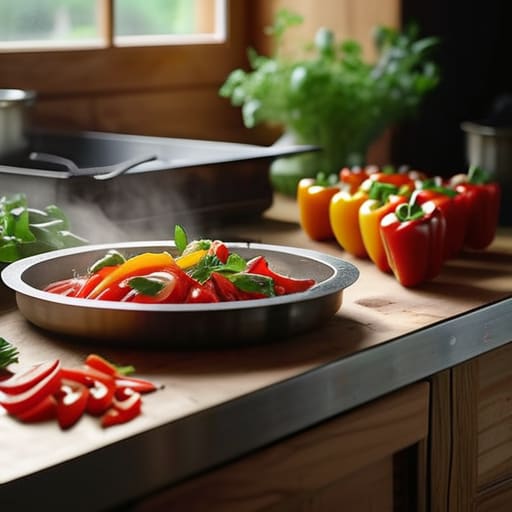
If you’re like I was when I first started living on my own, you probably view cleaning dishes as a personal insult. The sheet pan method is the ultimate hack for anyone who wants to eat well without the mountain of cleanup afterward. You just toss some protein—think chicken thighs or sausages—along with chopped veggies like broccoli or bell peppers onto a single tray, drizzle with olive oil and salt, and let the oven do the heavy lifting.
One-Pot Pasta Logic
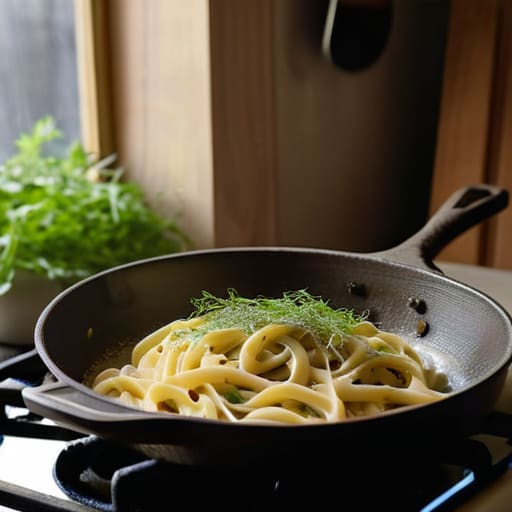
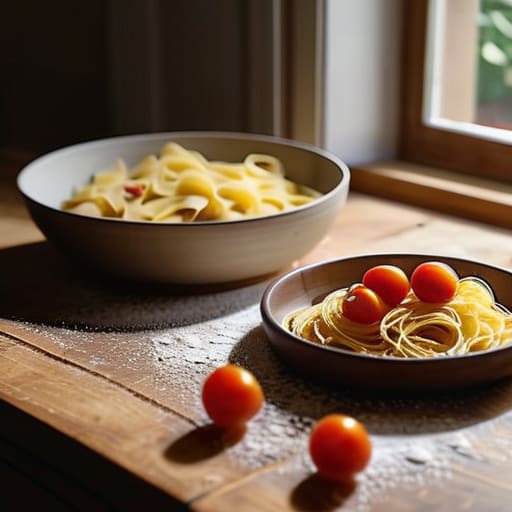
There is a specific kind of chaos that comes with managing three different boiling pots while trying not to burn your garlic. I’ve learned to bypass that entirely by leaning into the one-pot pasta philosophy. You essentially throw your dry pasta, aromatics, broth, and a few pantry staples into a single deep pan and let it simmer together. The starch from the pasta stays in the pot, which creates a naturally creamy sauce that tastes way more expensive than it actually is.
The Breakfast-for-Dinner Pivot
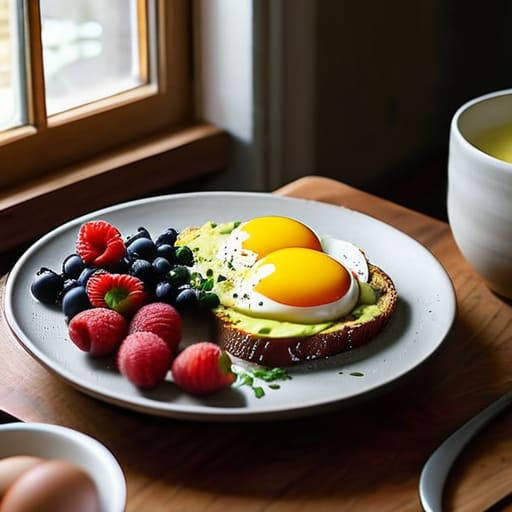
We’ve all had those days where the idea of prepping a “real” dinner feels insurmountable. That is exactly when I lean into the breakfast-for-dinner pivot. Scrambled eggs, some avocado toast, or even a quick omelet can be a nutritionally complete meal if you do it right. It’s fast, the ingredients are almost always in your fridge, and there is zero decision fatigue involved.
Grain Bowls and Assembly Lines
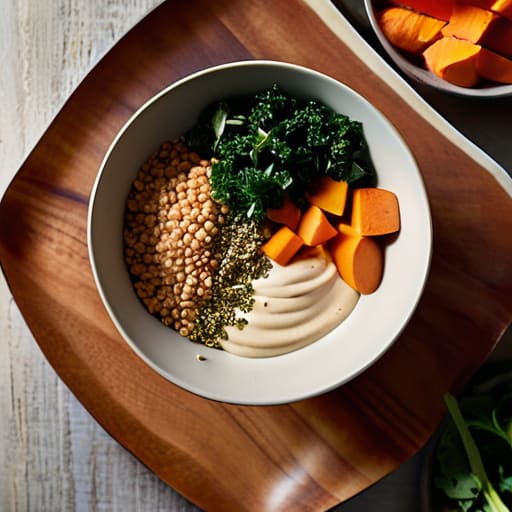
I like to think of grain bowls as a modular system rather than a recipe. Instead of following a strict set of instructions, you build an assembly line: a base of grains (like quinoa or rice), a protein, some roasted veggies, and a sauce. This approach is incredibly resilient to change because if you’re out of spinach, you just grab kale, or if you’re tired of chicken, you swap in canned chickpeas.
ITEM_HEADING: Tacos Without the Tension
Tacos are arguably the most forgiving meal in the culinary world. You don’t need to master complex techniques; you just need to get some seasoned protein into a tortilla. Whether you’re using ground beef, black beans, or even leftover rotisserie chicken, the flavor profile is almost impossible to mess up as long as you have some decent spices and a bit of lime juice.
The Rotisserie Chicken Shortcut
If you want to cheat the system, go buy a pre-cooked rotisserie chicken from the grocery store. It is arguably the highest ROI ingredient in the entire supermarket. You can shred it for salads, toss it into pasta, use it for tacos, or just eat it with some steamed greens. It’s a pre-made foundation that saves you an hour of prep and cook time.
Loaded Baked Potatoes
A baked potato is essentially a blank canvas for whatever you have lying around in your pantry. Once you get the potato in the oven, the passive cooking time is your friend. While it’s roasting, you aren’t standing over a stove; you’re just waiting for the timer to go off. It’s a very low-maintenance way to get a hearty, comforting meal.
Stir-Fry Efficiency
Stir-frying is the fastest way to get a high volume of vegetables into your diet without feeling like you’re eating a bowl of plain salad. The goal here is high heat and rapid movement. You want to chop your ingredients into uniform pieces so they cook at the same rate, then toss them in a pan with a bit of soy sauce, ginger, and garlic.
The Philosophy of the Plate
“Cooking shouldn’t feel like a second job. You don’t need a gourmet pantry or a culinary degree to eat well; you just need a repeatable system that gets you fed without draining your mental battery by 7:00 PM.”
Nathaniel 'Nate' Brooks
Streamline Your Kitchen, Save Your Sanity
At the end of the day, cooking doesn’t need to be a high-stakes production or a source of constant stress. Whether you’re leaning on the efficiency of a sheet-pan dinner, mastering the versatility of grains, or just keeping a few high-quality frozen staples on hand, the goal is the same: reducing the friction between being hungry and being fed. You don’t need a pantry full of exotic spices or a professional-grade knife set to get this right. Just focus on building a few reliable systems that work with your schedule rather than against it. Once you have these baseline meals down, you’ll realize that most of the “work” is just about having a solid plan in place before the hunger hits.
I know how it feels to stare at a fridge full of random ingredients and just decide it’s easier to order takeout again. We’ve all been there. But I promise you, the moment you stop viewing cooking as a chore and start seeing it as a small life optimization, everything changes. You aren’t trying to win a Michelin star; you’re just trying to fuel your body without draining your bank account or your mental energy. Start small, keep your tools simple, and don’t sweat the occasional burnt edge. We aren’t aiming for perfection here—we’re just aiming for a better, more efficient way to live.
Frequently Asked Questions
I don't have much time on weeknights; how can I prep these without spending my entire Sunday in the kitchen?
Look, I get it. I’ve spent too many Sundays staring at a mountain of Tupperware feeling like I’d wasted my entire weekend. You don’t need a marathon session; you need “micro-prepping.” Instead of cooking full meals, just prep components. Roast a big batch of chicken or some veggies while you’re already using the oven, or chop your onions once. It’s about reducing friction during the week, not turning your Sunday into a second job.
Is it worth investing in specialized kitchen gadgets right away, or should I just stick to the basics?
Stick to the basics. I spent way too much of my twenties buying “as seen on TV” gadgets that just ended up gathering dust in a cabinet. Most specialized tools are just friction in disguise—more things to wash, more things to store. If you can’t cook a decent meal with a sharp knife, a heavy pan, and a decent pot, a garlic press isn’t going to save you. Master the fundamentals first.
How do I keep these meals from getting boring if I'm eating similar things throughout the week?
The trick is to stop viewing a recipe as a final destination and start seeing it as a base layer. I call it “modular eating.” Keep your core proteins and grains the same, but swap the friction points: change the sauce, switch the spice profile, or throw in a different crunch. One night it’s a Mediterranean bowl with feta; the next, it’s the same base but with sriracha and lime. Same effort, totally different vibe.
What’s the most efficient way to grocery shop for these recipes so I don't end up with a fridge full of wasted ingredients?
The secret isn’t a better list; it’s a better system. Before you hit the store, audit what you actually have. I use a “component-based” approach: I shop for versatile staples—like a bag of spinach or a carton of eggs—that can pivot between several of these recipes. If a recipe calls for half an onion, make sure another meal uses the other half. If you can’t find a use for it by Thursday, don’t buy it.