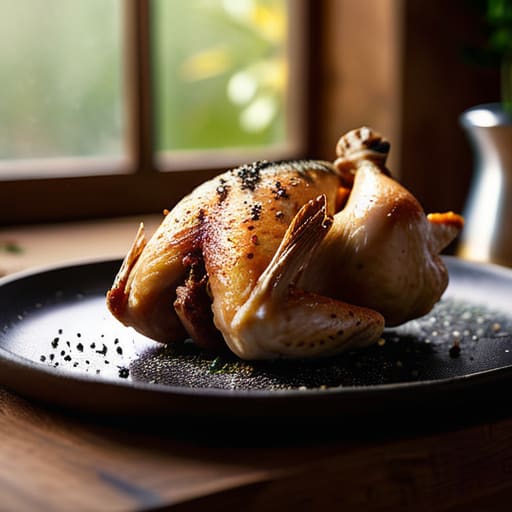
I remember sitting in my cramped apartment during my early twenties, staring down a piece of chicken that looked perfectly cooked but tasted like absolutely nothing. I had followed a recipe to the letter, yet the meal was fundamentally broken. It turns out, most people treat seasoning like a chore or a scientific mystery involving twenty-dollar spice blends, when really, learning how to season food is just about understanding basic chemistry and intuition. You don’t need a pantry full of obscure powders to fix a bland dinner; you just need to stop treating salt and acid like afterthoughts and start treating them like the essential tools they actually are.
I’m not here to give you a culinary lecture or suggest you buy a professional-grade spice rack. My goal is to strip away the fluff and give you a streamlined system for building flavor from the ground up. I’ll show you the small, repeatable adjustments that turn a mediocre meal into something worth eating, focusing on efficiency and impact rather than complexity. We aren’t aiming for a Michelin star here; we’re just aiming to make sure you never have to eat a tasteless meal again.
Table of Contents
Enhancing Natural Flavors Without Overcomplicating Your Life
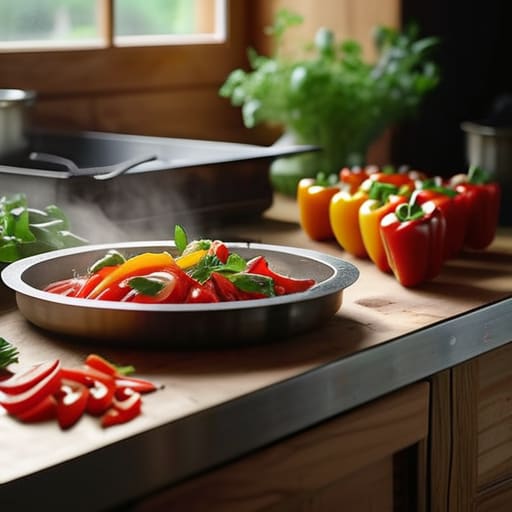
Look, you don’t need a pantry full of exotic powders to make a meal taste professional. Most of the time, you’re just trying to unlock what’s already there. I’ve learned through a lot of mediocre dinners that the real secret isn’t adding more stuff; it’s about enhancing natural flavors by understanding how ingredients interact. If you’re cooking a piece of chicken or a roasted vegetable, your goal shouldn’t be to mask the ingredient under a layer of spice, but to make it taste like the best version of itself.
The quickest way to fix a dish that feels “flat” isn’t actually more salt—it’s often a splash of something bright. I’m talking about balancing salt and acid. If a soup or a sauce tastes heavy or dull, a squeeze of lemon or a teaspoon of vinegar acts like a light switch for your taste buds. It cuts through the richness and makes everything pop.
When you’re building your foundation, don’t get bogged down in complexity. Focus on a few essential spice cabinet staples—think smoked paprika, cumin, and dried oregano—and learn how they behave. Once you master the basics, you stop guessing and start building flavor with intention.
Essential Spice Cabinet Staples Every Busy Kitchen Needs
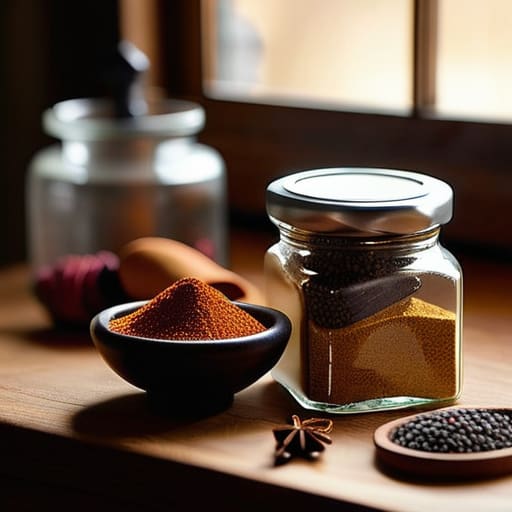
Look, you don’t need a spice rack that looks like a professional chef’s pantry to make decent food. In fact, having fifty different jars just creates decision fatigue, which is the last thing you need after a long workday. I like to keep my setup lean. Start with the heavy hitters: Kosher salt, coarse black pepper, smoked paprika, and garlic powder. These are my essential spice cabinet staples because they work in almost any scenario, from a quick Tuesday night stir-fry to a slow-cooked brisket on the weekend.
Once you have the basics, I’d suggest adding a few things to help with balancing salt and acid. If a dish feels heavy or flat, a pinch of dried oregano or some red pepper flakes can shift the profile instantly. It’s also worth understanding the difference between spices and herbs so you aren’t making mistakes; remember that spices come from seeds, bark, or roots and usually need heat to wake them up, while dried herbs are more delicate. If you want to level up without much effort, keep some cumin or coriander on hand. They add depth without requiring you to spend an hour prepping.
My Five Rules for Seasoning Without the Stress
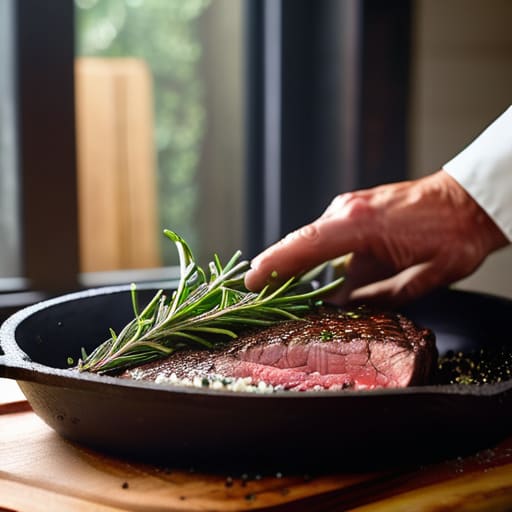
- Salt early and often. If you wait until the very end to add salt, you’re just seasoning the surface. By adding it during the cooking process, you actually penetrate the ingredients, building a foundation of flavor rather than just a salty crust.
- Taste as you go. This sounds obvious, but I see people skip it all the time. You can’t fix a bland meal once it’s already on the plate. Keep a spoon handy and sample your progress; it’s the only way to know if you’re actually getting closer to where you want to be.
- Don’t fear the acid. If a dish tastes “heavy” or “flat” even after you’ve added salt, it usually doesn’t need more salt—it needs acid. A quick squeeze of lemon or a splash of vinegar acts like a brightener, cutting through fat and waking up the other flavors.
- Balance your heat. If you’ve gone a little too heavy on the red pepper flakes or cayenne, don’t panic. You can counteract that sting with a bit of fat (like butter or oil) or a touch of sweetness (like honey) to bring the dish back into equilibrium.
- Use fresh herbs at the finish line. Dried spices are great for the heavy lifting during the cooking process, but fresh herbs are delicate. If you want that vibrant, punchy aroma, stir them in right before you serve so they don’t wilt into nothingness.
The Philosophy of Flavor
“Seasoning isn’t about masking what you’re cooking with a mountain of spices; it’s about building a system that lets the actual ingredients do their job. If you’re constantly fighting the food to make it taste good, your process is broken.”
Nathaniel 'Nate' Brooks
The Bottom Line
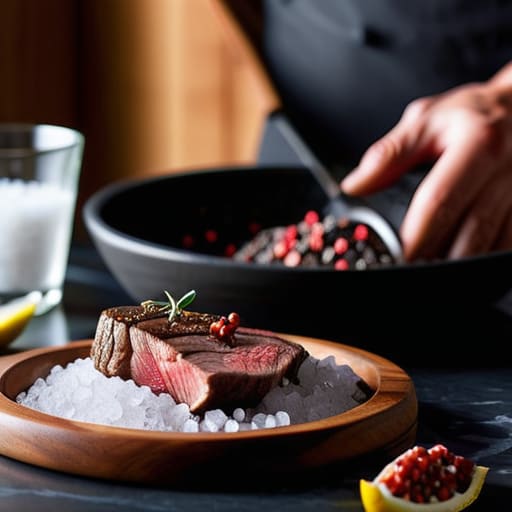
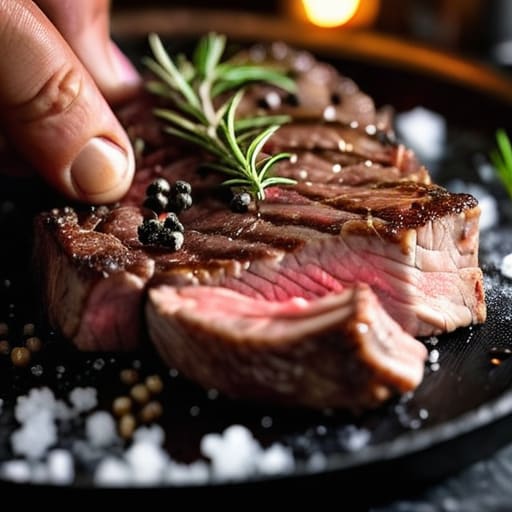
At the end of the day, seasoning isn’t about following a complex blueprint or memorizing a hundred different spice ratios. It’s about building a reliable system of basics—salt, acid, heat, and a few versatile pantry staples—that you can lean on when you’re tired or running low on time. Whether you’re just adding a pinch of salt to a steak or using a splash of vinegar to brighten up a heavy stew, the goal is to eliminate the blandness that makes cooking feel like a chore. If you have the right tools in your cabinet and you aren’t afraid to taste as you go, you’ve already won half the battle.
Don’t let the fear of “doing it wrong” keep you from actually enjoying your food. Cooking should be a way to fuel your life, not another high-stakes project that adds to your mental load. Start small, trust your palate, and remember that better is better than perfect. You don’t need a Michelin star to make something that tastes incredible; you just need to stop settling for uninspired meals and start making those small, intentional adjustments. Now, go grab your salt, get in the kitchen, and make something worth eating.
Frequently Asked Questions
How do I know if I've added too much salt without ruining the whole dish?
It’s a classic mistake, and honestly, it happens to the best of us. If you realize you’ve gone overboard, don’t panic and don’t toss the whole thing. If it’s a soup or sauce, try adding a splash of acid—like lemon juice or vinegar—to balance it out, or a bit of starch like a potato to soak up some excess. If it’s a solid dish, just lean into more unseasoned ingredients to dilute the saltiness.
Is there a specific order I should follow when adding spices so they don't burn or clump?
Think of it like debugging code: timing is everything. If you’re using dried herbs or delicate spices like paprika, wait until the end. They’ll burn and turn bitter if they hit high heat too early. For the heavy hitters—think cumin, coriander, or chili flakes—hit them in the oil right after your aromatics (onions, garlic) soften. This “blooming” process wakes up the oils without ruining the flavor. Build the base first, then fine-tune.
Can I use dried herbs instead of fresh ones, or will the flavor be totally different?
Look, it’s not a “yes or no” situation—it’s a “how you use them” situation. Dried herbs are more concentrated, so if you swap them one-for-one, you’re going to end up with a flavor bomb that’s way too intense. My rule of thumb? Use about one-third of the amount of dried herbs compared to fresh. Add them early in the cooking process so they can rehydrate; save the fresh stuff for the very end.
How do I balance a dish if it ends up tasting way too salty or too spicy halfway through cooking?
Look, we’ve all been there. You’re mid-prep and suddenly the dish hits you like a freight train of salt or heat. Don’t panic and don’t throw it out. If it’s too salty, add an acid—like a squeeze of lime or a splash of vinegar—to cut through it, or toss in a potato to soak up the excess. If it’s too spicy, reach for dairy or something sweet. It’s just a system error; we can debug it.