
I remember sitting at my desk three years ago, staring at a spreadsheet that looked more like a crime scene than a budget. I had spent my entire paycheck on “convenience”—subscription services I never used, overpriced takeout because I was too drained to cook, and those little impulse buys that felt necessary at the time but left my bank account looking tragically hollow. Most gurus will tell you that learning how to do a no spend challenge requires a complete lifestyle overhaul or living like a hermit, but that’s just bad system design. If you try to go from zero to hero overnight, you’re going to crash, and you’re going to end up spending even more when the burnout hits.
I’m not here to sell you on some unrealistic asceticism or a complicated “money fasting” ritual. Instead, I want to show you how to build a sustainable framework that plugs the leaks in your finances without making you miserable. I’ve spent years refining my own routines to eliminate friction, and I’m going to share the exact, low-effort tweaks I use to keep my spending in check. We aren’t aiming for perfection here; we’re just aiming to stop the bleeding and get your money back under your control.
Table of Contents
Mastering the Art of Reducing Impulse Spending

The hardest part of a no-spend period isn’t the big stuff; it’s the “death by a thousand cuts” caused by those tiny, mindless purchases. You know the drill: you’re scrolling through your phone at 10:00 PM, see a gadget that looks vaguely useful, and click “Buy Now” before your brain even processes the cost. To win this, you have to break the neurological loop. I’ve found that the most effective way to practice reducing impulse spending is to implement a mandatory 48-hour cooling-off period. If you see something you want, put it in the cart, then close the tab. If you still feel like you need it two days later, then—and only then—can you look at your spreadsheet to see if it actually fits.
Beyond just waiting, you need to audit your digital environment. Most of our friction comes from how easy it is to spend. Unsubscribe from those retail email lists that trigger your FOMO, and for heaven’s sake, remove your saved credit card info from your browser and shopping apps. Forcing yourself to manually type in those sixteen digits creates just enough friction to give your logical brain a chance to catch up with your impulses. It’s not about being restrictive; it’s about building better financial wellness habits that protect your future self from a momentary dopamine hit.
Tracking Daily Expenses Without Losing Your Mind
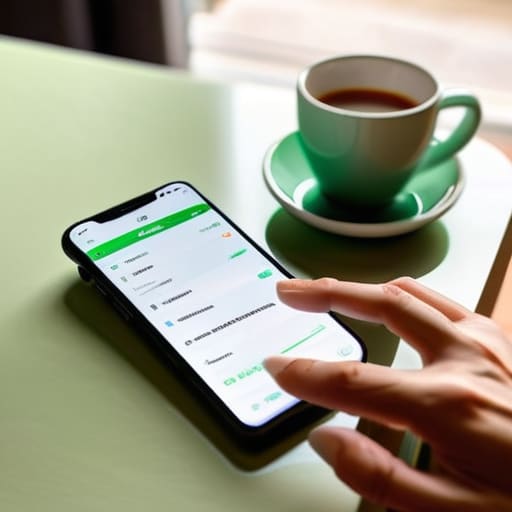
The biggest mistake I see people make when they start a no-spend month is trying to track every single cent using a complex, multi-layered spreadsheet from day one. If you make the barrier to entry too high, you’re going to quit by Wednesday. I’ve spent enough time optimizing systems to know that complexity is the enemy of consistency. Instead of trying to be a forensic accountant, just pick one method and stick to it. Whether it’s a simple dedicated note in your phone or a basic app, the goal is to make tracking daily expenses as frictionless as possible.
If you’re looking for some real-world frugal living tips, my best advice is to log the transaction the second it happens. Don’t wait until you’re sitting on the couch at 10:00 PM trying to remember if that coffee was five dollars or seven. That mental load is exactly what leads to burnout. If you can automate the process—like using a banking app that categorizes your spending automatically—do it. We aren’t aiming for a perfect audit; we’re just trying to build better financial wellness habits so we can actually see where the leaks are happening.
Five Tactics to Keep Your Momentum (and Your Sanity)

- Audit your “autopilot” subscriptions. Most of us are bleeding twenty bucks a month on a streaming service we haven’t touched since 2022. Go through your bank statement, find the recurring charges that don’t serve your current life, and kill them immediately. It’s the easiest win you’ll get.
- Build a “Wait List” for non-essentials. When you feel that itch to buy something—a new gadget, a piece of clothing, whatever—don’t just say “no.” Tell yourself you can have it in 72 hours. Usually, by the time the clock runs out, the dopamine hit has faded and the urge is gone.
- Shop your own pantry. Before you even think about a grocery run, do a deep dive into your cabinets. I’ve found that I can usually stretch a week of meals just by being creative with that bag of lentils and the canned tomatoes gathering dust in the back. It turns meal prep into a bit of a puzzle rather than a chore.
- Define your “Non-Negotiables” early. A no-spend challenge shouldn’t feel like a prison sentence. Decide ahead of time what is okay to spend money on—maybe it’s your morning coffee or your gym membership. If you try to restrict everything at once, you’ll burn out by Wednesday.
- Use the “Cash Buffer” method for social pressure. If you know you’re going out with friends, pull a specific amount of cash out of the ATM. Once that physical cash is gone, you’re done for the night. It’s much harder to overspend when you can literally see the money disappearing from your hand.
The Mindset Shift
“A no-spend challenge isn’t about punishing yourself or living like a monk; it’s about auditing the friction between your impulses and your actual goals so you can stop leaking money on things that don’t even matter.”
Nathaniel 'Nate' Brooks
The Finish Line is Just a Reset

At the end of the day, a no-spend challenge isn’t about punishing yourself or living on nothing but rice and beans. It’s about the mechanics of how you interact with your money. We’ve looked at how to kill the impulse buy before it happens, how to keep your expense tracking from becoming a second, unpaid job, and how to tighten the leaks in your budget. If you can master these small, structural shifts, you aren’t just saving a few bucks this month—you’re building a systematic defense against the constant urge to consume. It’s about moving from reactive spending to intentional living.
Don’t get discouraged if you slip up and buy a coffee or a gadget you didn’t plan for. I’ve been there, and I’ve definitely had my own spreadsheets go off the rails. The goal isn’t a perfect streak; it’s about reclaiming your agency. If you stumble, just reset the system and keep moving. This challenge is a tool, not a trap. Use it to find out where your friction points are, fix them, and then get back to focusing on the things that actually bring you value. You’ve got this.
Frequently Asked Questions
How do I handle unexpected "must-pay" expenses like car repairs or medical bills without feeling like I've failed the challenge?
Here’s the thing: life happens. A blown tire or an unexpected dental bill isn’t a failure; it’s just reality crashing into your spreadsheet. If you try to treat a “must-pay” expense like a personal defeat, you’ll burn out by week two. Instead, categorize these as “non-negotiables.” They don’t count against your challenge goals because they aren’t discretionary. Acknowledge the hit, adjust your numbers, and keep moving. The system is meant to serve you, not punish you.
Is it better to go completely zero-spend, or should I build in a small daily "sanity budget" for things like coffee or lunch?
Look, if you try to go absolute zero-spend from day one, you’re going to crash. I’ve seen it happen—people treat it like a crash diet, burn out by Wednesday, and end up splurging on a massive takeout order because they’re starving and frustrated. Build in a “sanity budget.” Give yourself a small, daily allowance for that coffee or a quick lunch. It keeps the system sustainable, and a sustainable system is the only one that actually works.
What’s the best way to deal with social pressure when all my friends want to go out to dinner or grab drinks?
This is the hardest part of any no-spend challenge because, let’s be real, life happens in social settings. Don’t go AWOL or pretend you’ve moved to a cave; that just makes things awkward. Instead, be the architect of the plan. Suggest a potluck, a movie night, or a hike. If you do go out, grab a drink at the bar before meeting them, or just commit to one appetizer. Control the environment so you can control the cost.
How long should a challenge actually last to see real results without burning myself out?
Look, if you try to go full hermit for three months straight, you’re going to crash and burn by week two. That’s not a system; that’s a recipe for resentment. I’ve found that a 30-day sprint is the sweet spot. It’s long enough to break the dopamine loop of mindless scrolling and clicking “buy now,” but short enough that the finish line actually feels attainable. Aim for thirty days. It’s about building a rhythm, not a marathon.