Posted on

Low-effort Slow Cooker Dinners for Busy Evenings

Easy slow cooker recipes for busy evenings.

Look, I get it. You finish a ten-hour workday, your brain feels like mush, and the last thing you want to do is stand over a hot stove wrestling with pans. I spent most of my twenties eating takeout because my “system” for dinner was basically non-existent, which was a massive drain on both my energy and my bank account. That’s why I eventually leaned into the efficiency of a slow cooker. Using easy slow cooker recipes isn’t about being lazy; it’s about optimizing your time so you can actually enjoy your evening instead of being a slave to the kitchen timer.

In this guide, I’ve curated eight specific meals that hit that sweet spot between minimal effort and maximum flavor. I’m not talking about complicated, twenty-step instructions that require a culinary degree; I’m talking about real, hearty food that you can prep in minutes. These eight picks are designed to help you eliminate the evening chaos and build a sustainable meal routine that actually works. Let’s get into the recipes that will help you reclaim your weeknights.

Table of Contents

The "Set It and Forget It" Pot Roast

The "Set It and Forget It" Pot Roast.

Look, if you’re going to use a slow cooker, you might as well do it right with a classic beef chuck roast. The trick here isn’t fancy techniques; it’s about choosing a cut with enough fat marbling to survive eight hours of low heat. I usually toss in some halved carrots, onions, and a splash of beef stock, and then I just walk away. It’s the ultimate way to eliminate decision fatigue after a long day at the desk.

Salsa Verde Chicken for Meal Prep

Salsa Verde Chicken for Meal Prep recipe.

If you want to optimize your entire week, this is the only recipe you need in your rotation. You literally take three chicken breasts, dump a jar of decent salsa verde on top, and let it cook until it’s ready to fall apart. There is zero prep work involved, which is exactly why I love it. It’s the kind of system that actually works when you’re running on three hours of sleep.

Creamy Garlic Parmesan Chicken

Slow cooker Creamy Garlic Parmesan Chicken.

Sometimes you just need comfort food that doesn’t require a mountain of dishes. This recipe is a game changer for those nights when you’re feeling burnt out and just want something decadent but easy. You combine chicken thighs with heavy cream, garlic, and parmesan cheese, and let the slow cooker create its own rich sauce. It’s incredibly efficient because the sauce develops its texture right in the pot.

Hearty Three-Bean Chili

Slow-cooked Hearty Three-Bean Chili in crockpot.

Chili is the perfect candidate for slow cooking because the flavors need time to actually get to know each other. I like to use a mix of kidney, black, and pinto beans to get a good variety of textures. You just dump the canned beans, some crushed tomatoes, chili powder, and cumin into the crock, and let the heat do the heavy lifting. It’s a foolproof way to feed a crowd or stock your freezer.

Sausage and Tortellini Soup

This is my go-to when the weather turns cold and I want something that feels substantial. You grab some Italian sausage, a bag of frozen tortellini, and some chicken broth, and you’re basically done. The sausage provides all the seasoning you need, so you don’t have to spend time fiddling with spice ratios. It’s a streamlined approach to a complex-tasting soup.

Honey Garlic Pork Shoulder

If you’re tired of dry, uninspired pork, this is the system you need to implement. A pork shoulder (or butt) is incredibly forgiving in a slow cooker, and the honey-garlic sauce creates a sticky, savory glaze that is addictive. You don’t need a culinary degree to pull this off; you just need a decent bottle of soy sauce and some honey.

Slow Cooker Lentil Stew

For a plant-based option that actually fills you up, lentils are the answer. They hold their shape well and absorb flavors beautifully without needing the intense heat of a stovetop. I toss in some diced celery, carrots, and a bit of vegetable broth, and it becomes a nutritious, low-effort powerhouse. It’s the perfect meal for when you want to feel good without spending an hour prepping vegetables.

BBQ Pulled Chicken Sandwiches

This is the ultimate “low-friction” meal for a weekend afternoon. You take chicken breasts, pour over your favorite BBQ sauce, and let it go. There is almost no cognitive load required for this recipe, which is exactly what you want when you’re busy working on a project or finally getting around to cleaning the garage.

The Philosophy of the Slow Cooker

“A slow cooker isn’t just a kitchen appliance; it’s a way to outsource the mental load of dinner. I don’t care about fancy culinary techniques—I care about a system that lets me walk through the door after a long day and actually feel like I have my life under control.”

Nathaniel 'Nate' Brooks

Final Thoughts on Low-Effort Wins

At the end of the day, these recipes aren’t about becoming a Michelin-star chef; they are about eliminating the decision fatigue that usually hits around 5:00 PM. Whether you’re leaning on a hearty beef stew or a hands-off salsa chicken, the goal is the same: get the ingredients in the pot, set the timer, and walk away. By automating your dinner prep, you’re not just making food—you’re reclaiming the mental bandwidth you’d otherwise waste staring blankly into a half-empty fridge.

I know life can feel like a constant battle against a ticking clock, but your kitchen shouldn’t be another source of friction. Use these slow cooker wins to build a system that actually works for you, rather than trying to force yourself into a lifestyle of elaborate meal prep that you’ll inevitably abandon by Wednesday. We aren’t aiming for a perfect, gourmet kitchen every night; we are just aiming to simplify the chaos. Once you stop fighting the clock and start letting the machine do the heavy lifting, you’ll realize that better routines are much easier to maintain than perfection.

Frequently Asked Questions

Can I use frozen meat in these recipes, or will that mess with the texture and safety?

Look, I get the temptation to toss a frozen block of beef straight into the pot when you’re running behind, but don’t do it. From a food safety standpoint, it’s a gamble with the temperature danger zone, and from a texture perspective, it’s a disaster. You’ll likely end up with unevenly cooked meat or a weird, rubbery consistency. Plan ahead, thaw it in the fridge overnight, and let the system work for you.

How do I keep my slow cooker meals from turning into a mushy, overcooked mess?

The “mush factor” usually comes down to two things: timing and liquid. I’ve learned the hard way that if you toss delicate veggies in at the start, they’re gone by dinner. Add your aromatics and hearty roots early, but wait until the last hour for anything green or tender. Also, watch your liquid levels. You don’t need to submerge everything; the steam does the work. Less water means more texture and actual flavor.

Is it worth buying a specific brand of slow cooker, or will any basic model do the job?

Look, I’m a systems guy, so I tend to over-analyze gear. But here’s the reality: don’t drop $200 on a high-end brand just for the name. A slow cooker is a relatively simple heating element. As long as the stoneware insert is heavy and the lid fits snugly to prevent steam escape, a basic $30 model will do the job perfectly. Save your money for better ingredients—that’s where the real flavor lives.

What’s the best way to prep these ingredients ahead of time without everything getting soggy in the fridge?

The secret is separating your textures. Never prep your aromatics (onions, garlic) and your proteins in the same container as your delicate veggies. I keep my chopped veggies in airtight glass containers with a paper towel at the bottom to soak up excess moisture. For the meat, prep it dry and store it separately. Combine everything only when the slow cooker is actually turned on. It’s a small step, but it saves your dinner from becoming mush.

Posted on

How to Build a Kitchen Setup That Makes Healthy Eating Effortless

Tips on how to stock a healthy kitchen.

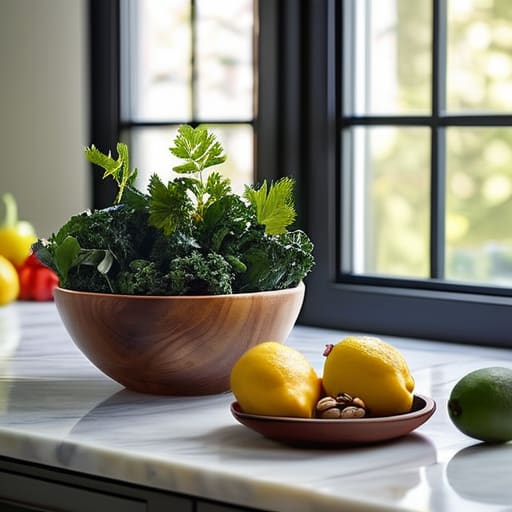
I used to think that learning how to stock a healthy kitchen meant buying every superfood trend on Instagram and filling my pantry with expensive, obscure grains that I’d eventually just let expire. I spent way too many paychecks chasing the “perfect” organic lifestyle, only to end up staring at a $200 grocery receipt and a fridge full of wilted kale. It was a massive waste of money and, more importantly, a massive waste of mental energy. I realized that most of the advice out there is designed to make you feel like you’re failing if you aren’t living in a wellness boutique.
I’m not here to sell you on a lifestyle overhaul or a complicated meal-prep regime that requires three hours of your Sunday. Instead, I want to show you how to build a functional system of versatile staples that actually works for a busy life. We’re going to strip away the fluff and focus on the small, repeatable adjustments that make eating well feel effortless. My goal is to help you build a pantry that serves you, rather than a pantry that stresses you out.

Table of Contents

Building Your Nutritious Grocery List Essentials

Building Your Nutritious Grocery List Essentials.

The biggest mistake I see people make is walking into a grocery store without a framework. They wander the aisles, grab whatever looks good in the moment, and end up with a cart full of expensive, single-use ingredients that eventually rot in the crisper drawer. To avoid that, you need to focus on whole food pantry staples that serve as the building blocks for dozens of different meals. Think of these as your system’s “core modules.” I’m talking about things like quinoa, canned beans, lentils, oats, and olive oil. These items have a long shelf life and high utility, meaning they won’t go to waste when your schedule gets chaotic.

Once you have your foundation, you can layer in the freshness. When I’m planning for meal prepping with healthy ingredients, I always prioritize a rotation of versatile vegetables—spinach, broccoli, and sweet potatoes are my go-to’s because they hold up well under different cooking methods. Don’t forget the flavor, either; a well-stocked collection of essential spices like cumin, smoked paprika, and garlic powder is what prevents healthy eating from feeling like a chore. If you build your list around these categories—grains, proteins, produce, and aromatics—you stop shopping for recipes and start shopping for possibilities.

A Low Processed Food Shopping Guide That Works

A Low Processed Food Shopping Guide That Works

The biggest mistake I see people make is treating the grocery store like a scavenger hunt for “diet food.” That’s a recipe for burnout. Instead, think of your shopping trip as a mission to source ingredients, not pre-packaged solutions. If you spend most of your time in the center aisles, surrounded by colorful boxes and long ingredient lists you can’t pronounce, you’ve already lost the battle. My rule of thumb is to stick to the perimeter—the produce, the butcher counter, and the dairy section. This is where you find your whole food pantry staples that actually require zero assembly.

When you do find yourself in the middle aisles, look for things that have been minimally altered. A bag of dried lentils or a jar of crushed tomatoes is fine; a “ready-to-eat” pasta bowl filled with preservatives is not. This is essentially a low processed food shopping guide for real life: if the ingredient list looks like a chemistry textbook, put it back. I’ve found that if I focus on buying single-ingredient items, I don’t have to spend my Sunday nights obsessing over calorie counts. I just cook, eat, and get on with my life.

5 Systems to Keep Your Kitchen from Turning into a Junk Food Graveyard

5 Systems to Keep Your Kitchen from Turning into a Junk Food Graveyard
  • Shop the perimeter first. I used to wander the middle aisles aimlessly, which is a recipe for a cart full of processed crap. Stick to the edges where the real food lives—produce, proteins, and dairy—and you’ll find your grocery bill gets a lot more intentional.
  • Master the art of the “Emergency Meal.” Always keep a few non-perishable, healthy staples on hand, like canned chickpeas, quinoa, or frozen veggies. When you’re too drained to cook a real meal, these prevent you from defaulting to expensive, greasy takeout.
  • Don’t trust your “future self.” We all have this idea that we’ll be some culinary god on Tuesday night, but usually, we’re just tired. Buy ingredients that actually work together for quick, 20-minute meals rather than complex recipes that require a dozen niche ingredients.
  • Use your freezer as a buffer. Frozen fruits and vegetables are just as nutritious as fresh ones, and they won’t rot in your crisper drawer if you have a busy week. It’s the ultimate way to minimize waste and ensure you always have something green on hand.
  • Audit your pantry before you leave the house. There is nothing more frustrating than getting home and realizing you bought a second jar of cumin when you already had one hiding in the back. A quick five-minute scan saves money and keeps your kitchen from becoming a cluttered mess.

The Philosophy of the Pantry

A well-stocked kitchen isn’t about having a gourmet pantry full of ingredients you’ll never use; it’s about building a reliable system of versatile staples so that when you’re exhausted on a Tuesday night, the path of least resistance is actually a healthy one.

Nathaniel 'Nate' Brooks

Getting the System Running

Getting the System Running with healthy staples.

At the end of the day, stocking a healthy kitchen isn’t about buying every superfood on a trending list; it’s about building a reliable foundation. We talked about grabbing versatile staples, prioritizing low-processed options, and creating a list that actually serves your lifestyle rather than complicating it. If you focus on having those core ingredients—the proteins, the greens, and the grains—on hand, you’ve already won half the battle. You’re essentially removing the decision fatigue that usually leads to expensive, unhealthy takeout orders when you’re too tired to think. It’s about creating a buffer between you and chaos, ensuring that even on your worst, most exhausted days, you still have the tools to fuel yourself properly.

Don’t feel like you have to overhaul your entire pantry by this Sunday. If you try to go from zero to a perfectly curated, organic kitchen overnight, you’re going to burn out, and you’ll end up right back where you started. Start small. Maybe this week you just focus on mastering your grocery list, or maybe next week you focus on reducing the processed stuff. The goal isn’t to achieve some unattainable standard of dietary perfection; it’s about incremental optimization. Build the system one step at a time, and eventually, you’ll look back and realize that healthy eating isn’t a chore anymore—it’s just how your life works.

Frequently Asked Questions

How do I keep these healthy staples from going bad and wasting money if I don't cook every single night?

The real trick isn’t buying more; it’s managing your inventory. I treat my fridge like a system with expiration dates. First, adopt a “FIFO” approach—First In, First Out. Move older produce to the front so it doesn’t get lost in the back. Second, invest in a few glass containers; they keep greens crisper than plastic. If you see something wilting, don’t toss it—toss it into a freezer bag for a future smoothie or soup.

I’m on a tight budget; what are the absolute cheapest ways to stock up without just buying bags of rice and beans?

Look, I get it. Rice and beans are the classic “broke student” fallback, but eating that every day is a recipe for burnout. To keep costs low without sacrificing variety, focus on frozen vegetables and canned proteins like tuna or sardines. They’re cheap, they don’t spoil, and they actually have decent nutrition. Also, stop buying pre-cut produce or individual snack packs; you’re paying a massive premium for someone else to do the slicing for you.

How much freezer space do I actually need to make a "system" like this work?

Look, you don’t need a commercial-grade walk-in to make this work. If you’re running a standard top-freezer or bottom-drawer unit, you’re fine—as long as you stop treating it like a graveyard for forgotten frozen pizzas. Aim for about 40% “buffer space.” You need enough room to stash a couple of bulk proteins and a few bags of frozen greens without playing a high-stakes game of Tetris every time you come home from the store.

What’s the best way to organize my pantry so I can actually see what I have instead of letting things hide in the back?

The “out of sight, out of mind” problem is a massive source of food waste and unnecessary spending. To fix it, stop stacking things vertically. Use clear, airtight containers for staples like rice or pasta—if you can’t see the level, you won’t know when to restock. I also swear by lazy Susans for corner cabinets and tiered organizers for cans. If you can’t see the label, the system is broken. Keep it visible, keep it simple.

Posted on

Protein-packed Breakfasts That Will Keep You Satisfied All Morning

Delicious high protein breakfast ideas for satiety.

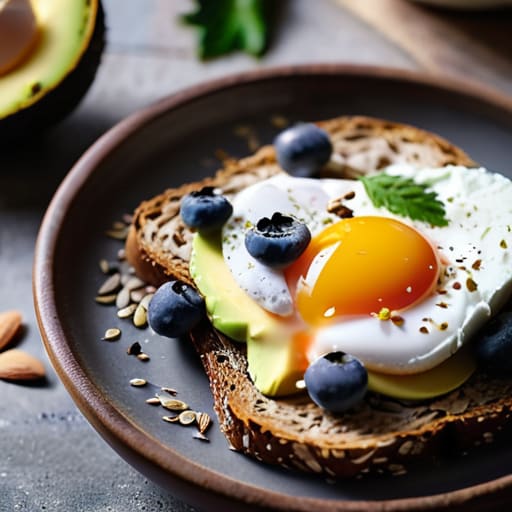
I spent most of my early twenties running on nothing but black coffee and a prayer, only to hit a massive wall of brain fog by 10:30 AM every single morning. I realized that my “quick” breakfast of a sugary pastry or just skipping the meal entirely was actually sabotaging my productivity and making my workday feel like a slog. If you want to stop that mid-morning crash and actually stay focused, you need to stop treating breakfast as an afterthought and start viewing it as essential fuel. Finding reliable high protein breakfast ideas isn’t just about hitting a macro goal; it’s about eliminating the friction of hunger so you can actually get things done.
In this guide, I’ve narrowed down eight specific options that I’ve personally vetted for speed, efficiency, and nutritional density. These aren’t complicated, five-star gourmet recipes that require a culinary degree; they are practical, low-friction meals designed for real life. Whether you have five minutes before a Zoom call or you’re prepping everything on a Sunday to save time later, these ideas will help you streamline your morning routine without sacrificing flavor.

Table of Contents

The Overnight Oats Hack

The Overnight Oats Hack with chia seeds.

If you’re like I was in my early twenties, you probably thought breakfast was something you figured out at 8:30 AM while staring blankly at your inbox. That’s a recipe for a mid-morning crash. Instead, I started prepping overnight oats using Greek yogurt and chia seeds. By doing the work the night before, you’re essentially automating your morning so you can focus on your actual priorities.

Savory Cottage Cheese Bowls

Savory Cottage Cheese Bowls with vegetables.

Most people treat cottage cheese like it’s some sort of sad, diet food, but they’re missing out on a massive nutritional win. It’s one of the most efficient ways to hit your protein targets without having to cook a full meal. I like to top mine with sliced cucumbers, cherry tomatoes, and a heavy sprinkle of everything bagel seasoning.

The Egg White Scramble Upgrade

The Egg White Scramble Upgrade with spinach.

Whole eggs are great, but if you’re trying to maximize protein without skyrocketing your fat intake, you need to start incorporating egg whites. I usually do a mix of one whole egg for flavor and a half-cup of liquid egg whites for that extra punch. Throw in some spinach and feta, and you’ve got a meal that actually feels like real food.

Smoked Salmon and Rye Toast

Smoked salmon and rye toast breakfast.

When I have a bit more time on a Saturday morning, I lean toward smoked salmon on toasted rye. It’s a classic for a reason. The combination of healthy fats and high-quality protein provides a level of sustained energy that a bagel and cream cheese simply can’t match.

Protein-Packed Greek Yogurt Parfaits

This isn’t the sugary yogurt you find in those pre-packaged cups at the gas station. I’m talking about plain, full-fat or 2% Greek yogurt that you customize yourself. By controlling the ingredients, you avoid the hidden sugars that lead to that inevitable 11:00 AM energy slump.

Turkey Sausage and Veggie Skillets

If you’re someone who prefers a hot, hearty meal, a turkey sausage skillet is your best friend. Turkey sausage offers a much higher protein-to-fat ratio than traditional pork sausage, making it a smarter fuel source. I toss it into a pan with some bell peppers and onions for a quick, one-pan solution.

High-Protein Smoothie Blends

Smoothies get a bad rap for being nothing but fruit and sugar, but they can be a powerhouse if you treat them like a formula. I always start with a base of unsweetened soy or pea milk, add a scoop of high-quality whey or plant protein, and then add some fiber through flaxseeds.

Tofu Scramble for the Plant-Based Crowd

You don’t need meat to hit your protein goals in the morning. A firm tofu scramble is incredibly versatile and, frankly, much faster to whip up than a traditional egg dish. I season mine heavily with nutritional yeast and turmeric to give it that savory, egg-like profile without the heavy lifting.

The Bottom Line

“A high-protein breakfast isn’t about following some strict fitness dogma; it’s about system optimization. If you fuel yourself properly in the first hour, you eliminate the mid-morning brain fog and the inevitable sugar cravings that wreck your productivity by 2 PM.”

Nathaniel 'Nate' Brooks

Streamlining Your Morning Fuel

Look, the point isn’t to turn your kitchen into a professional chef’s studio or to spend forty minutes prepping a five-star meal every single morning. Whether you’re opting for the zero-effort approach of overnight oats, the quick efficiency of Greek yogurt, or the more structured ritual of a savory egg scramble, the goal remains the same: stabilizing your blood sugar and preventing that inevitable mid-morning crash. By integrating these high-protein options into your routine, you aren’t just eating breakfast; you are building a functional foundation that supports your focus and energy levels throughout the entire workday.

At the end of the day, I’m a big believer in systems over willpower. Don’t wait until you’re starving and reaching for a sugary pastry to make a decision; plan your protein ahead of time so the choice is already made. You don’t need to overhaul your entire life overnight to see a difference in how you feel. Just pick one of these ideas, try it for a week, and see how much more efficiently you operate when your body actually has the fuel it needs. Stop fighting your biology and start optimizing your output from the moment you wake up.

Frequently Asked Questions

How much protein do I actually need in my breakfast to stay full until lunch?

Look, there’s no magic number that works for everyone, but if you want to stop that 10:30 AM blood sugar crash, aim for 25 to 30 grams. For most people, that’s the sweet spot for satiety. Anything less and you’re just delaying the inevitable hunger pangs; anything significantly more and you’re probably just overcomplicating your morning. Find a baseline that keeps you focused, not just full.

Can I prep these high-protein options on Sunday to save time during the work week?

Absolutely. In fact, if you aren’t prepping these on Sunday, you’re just creating unnecessary friction for your Monday self. I live by the “prep once, eat all week” rule. Most of these—like the egg bites or overnight oats—are perfect for batch cooking. Just make sure you have decent airtight containers. It turns a frantic morning scramble into a simple grab-and-go situation, which is exactly how we should be operating.

What are some good low-carb or dairy-free alternatives if I’m trying to avoid certain ingredients?

If you’re looking to cut out the dairy or the carbs, don’t overcomplicate it. For dairy-free, swap Greek yogurt for coconut or almond-based versions, and use unsweetened nut milks in your shakes. If carbs are the issue, ditch the toast and swap it for sliced avocado or even a handful of smoked salmon. The goal is to keep the protein high without the bloat or the sugar crash. Keep it simple.

Is it better to focus on whole foods or is using a protein powder in my morning routine actually efficient?

Look, if we’re talking pure efficiency, protein powder wins. It takes thirty seconds to shake a bottle, whereas prepping a whole-food meal takes time you probably don’t have at 7:00 AM. But don’t ditch the real stuff entirely. I treat powder as my “emergency backup” for busy mornings. Aim for whole foods most days to stay satiated, but use powder as a tool to eliminate the friction of a missed meal.

Posted on

A Faster, Safer Way to Chop and Prep Your Vegetables

Learn how to prep vegetables quickly.

I used to think that “meal prepping” meant spending my entire Sunday afternoon hunched over a cutting board, surrounded by a mountain of onion skins and a sink full of dirty water. I’d finish a marathon chopping session feeling less like a culinary pro and more like a victim of my own schedule. Most of the advice you see online about how to prep vegetables is way too intense; it treats a simple Tuesday night dinner like a high-stakes logistics operation. Honestly, if your prep routine feels like a second job, the system is broken, not you.
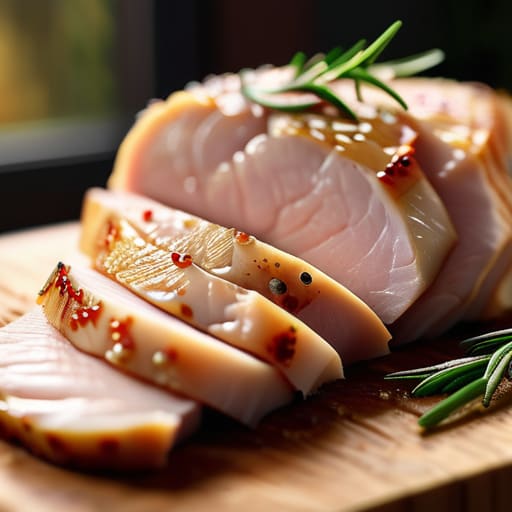
I’m not here to teach you how to turn your kitchen into a professional sous-chef station or how to buy twenty matching glass containers. Instead, I want to show you how to implement a few small, logical adjustments that actually stick. I’m going to share the specific, low-friction methods I use to get my produce ready without losing my mind or my evening. We aren’t aiming for a Pinterest-perfect fridge; we’re just aiming to make sure that when you’re hungry at 6:00 PM, the hard part is already done.

Table of Contents

Mastering the Basics Essential Knife Skills for Cooking

Mastering the Basics Essential Knife Skills for Cooking

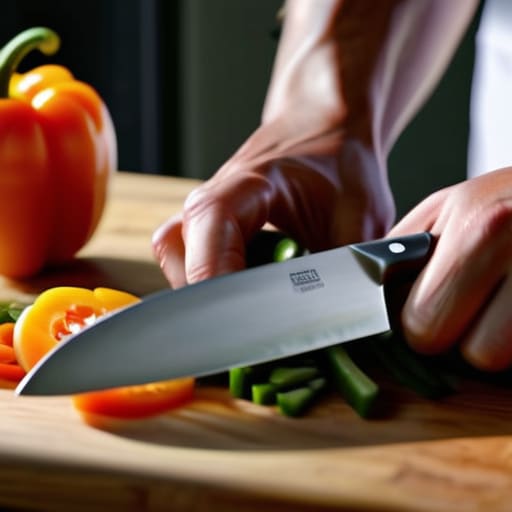
Look, I’ve spent way too many Sunday afternoons with a pile of onion skins on my counter and a stinging sensation in my thumb because I was rushing. If you want to actually enjoy your time in the kitchen, you have to treat your knife like a tool, not a weapon. Developing decent knife skills for cooking isn’t about being a Michelin-star chef; it’s about efficiency and safety. Start by mastering the “claw grip”—tuck your fingertips in so your knuckles act as a guide for the blade. This keeps your skin away from the edge and ensures your cuts are uniform, which is the secret to making sure everything cooks at the same rate.

Once you have the grip down, focus on your setup. You don’t need a massive arsenal of expensive kitchen tools for veggie prep, but you do need one decent chef’s knife and a stable cutting board. If your board slides around, shove a damp paper towel underneath it to lock it in place. It sounds like a small thing, but eliminating that tiny bit of friction makes the entire process feel significantly more controlled. When your tools are steady and your technique is consistent, you stop fighting the food and start actually preparing it.

The Right Gear Essential Kitchen Tools for Veggie Prep

The Right Gear Essential Kitchen Tools for Veggie Prep

You don’t need a professional chef’s kitchen to get this right, but you do need to stop fighting against subpar equipment. If you’re trying to slice through a butternut squash with a dull steak knife, you’re just asking for a headache—or worse, a trip to the ER. The foundation of any good setup is a high-quality chef’s knife that actually holds an edge. I’m a big believer in the “buy once, cry once” philosophy; investing in one solid, well-balanced blade is infinitely better than owning a drawer full of cheap, serrated junk that tears through your produce instead of slicing it.

Beyond the blade, your kitchen tools for veggie prep should focus on stability and speed. A heavy-duty wooden cutting board is non-negotiable—it provides the weight you need so the board doesn’t slide around while you’re working. I also swear by a sharp vegetable peeler and a decent mandoline if you’re looking to standardize your slices, though be careful with those. Finally, don’t overlook the importance of containers. If you’re serious about meal prep for beginners, grab a set of airtight glass containers. They make the transition from chopping to storing seamless, ensuring your hard work doesn’t go to waste by Tuesday.

The Workflow: 5 Small Tweaks to Stop the Prep Chaos

The Workflow: 5 Small Tweaks to Stop the Prep Chaos
  • Batch your tasks by category. Don’t wash one carrot, chop one carrot, and then move to a pepper. Instead, wash everything first, then chop everything. It keeps your workspace clean and stops you from constantly switching between tools and sinks.
  • Use the “Dry Storage” rule for leafy greens. If you prep kale or spinach ahead of time, make sure they are bone-dry before they hit the container. Use a paper towel to soak up any stray moisture; otherwise, you’re just prepping a bag of compost for next Tuesday.
  • Invest in a few high-quality airtight containers. I’ve learned the hard way that if you put pre-cut onions in a cheap, loose-fitting Tupperware, your entire fridge ends up smelling like a deli. Spend the extra few bucks on containers that actually seal.
  • Don’t be a hero with the “all-at-once” mentality. If you’re prepping for a week, only chop the high-moisture veggies (like cucumbers or tomatoes) a day or two in advance. Other stuff, like hearty root vegetables, can handle being prepped on Sunday without losing their texture.
  • Keep a “scrap bowl” on your counter. There is nothing more frustrating than stopping your flow every thirty seconds to walk to the trash can. Keep a small bowl right next to your cutting board for peels and ends; it keeps your station clear and your focus sharp.

The Real Goal of Prep

“Meal prep isn’t about becoming a professional chef on a Sunday afternoon; it’s about making sure that when you’re tired on a Tuesday night, the friction between you and a healthy dinner is as close to zero as possible.”

Nathaniel 'Nate' Brooks

Cutting Through the Chaos

Cutting Through the Chaos with meal prep.

At the end of the day, prepping vegetables isn’t about becoming a Michelin-star chef or owning every gadget in the catalog. It’s about the systems you put in place to prevent that 6:00 PM meltdown when you realize you’re too tired to chop a single onion. By sharpening your knife skills, investing in a few reliable tools, and getting ahead of the curve with a little bit of prep, you’re effectively buying back your own time. You’re shifting from a reactive state of “What am I going to eat?” to a proactive state of “I’ve already got this handled.”

Don’t feel like you have to overhaul your entire kitchen routine overnight. Start small—maybe just one batch of peppers or a container of minced garlic on a Sunday night. The goal isn’t to reach some impossible standard of culinary perfection; it’s to eliminate the friction that makes cooking feel like a chore. Once you stop fighting your produce and start working with a bit of structure, you’ll find that cooking becomes less of a task to endure and more of a way to actually reclaim your evening. Just keep it simple, keep it organized, and let the systems do the heavy lifting for you.

Frequently Asked Questions

How long can I actually keep chopped vegetables in the fridge before they turn into a soggy mess?

Look, I’ve learned the hard way that “prepped” can quickly turn into “slimy” if you aren’t careful. Generally, you’re looking at a three-to-five-day window for most hardy veggies like carrots, peppers, or broccoli. If you’re doing delicate stuff like leafy greens or sliced cucumbers, you might only get two days before they lose their structural integrity. My rule of thumb? If it looks dull or feels soft, toss it. Don’t waste money on food you can’t eat.

Is there a way to prep things like onions or garlic without crying every single time?

Look, I used to dread onion night because I’d end up with red, stinging eyes and a ruined mood. Here’s the system: keep your knife incredibly sharp. A dull blade crushes the cells, which releases those irritating sulfur gases into the air. If you want to go a step further, chill the onion in the fridge for fifteen minutes before you start. It slows down the chemical reaction, making the whole process a lot less painful.

Should I be prepping everything on Sunday, or is it better to do it in smaller batches throughout the week?

Honestly? It’s all about the friction point. If you’re the type who gets overwhelmed by a messy kitchen mid-week, go for a Sunday “power hour” to get the heavy lifting done. But for me, I prefer a hybrid approach. I’ll prep the hardy stuff—onions, carrots, peppers—on Sunday, but I leave the delicate greens for smaller batches. It prevents that sad, wilted look and keeps your fridge from feeling like a graveyard of soggy produce.

How do I organize my containers so I’m not constantly digging through a crowded fridge looking for one bag of peppers?

Stop treating your fridge like a junk drawer. If you’re digging for peppers, your system has already failed. I swear by the “First In, First Out” rule: new groceries go in the back, older stuff moves to the front. Use clear, stackable containers—not random mismatched tubs—and group by category. Keep your prepped veggies in a dedicated “grab-and-go” zone on an eye-level shelf. If you can’t see it, you won’t eat it.

Posted on

The Secret to Juicy Chicken Breasts Every Single Time

Learn how to cook chicken breast juicy.

I used to think that mastering how to cook chicken breast required a culinary degree or a kitchen full of expensive, specialized gadgets. I spent my early twenties in a cramped apartment, staring at a dry, rubbery slab of protein that tasted more like cardboard than actual food, wondering why every recipe online made it sound so much more complicated than it actually was. Most of those “gourmet” tutorials are just noise—they add unnecessary steps and fancy terminology that only serve to waste your time and ruin a perfectly good meal.
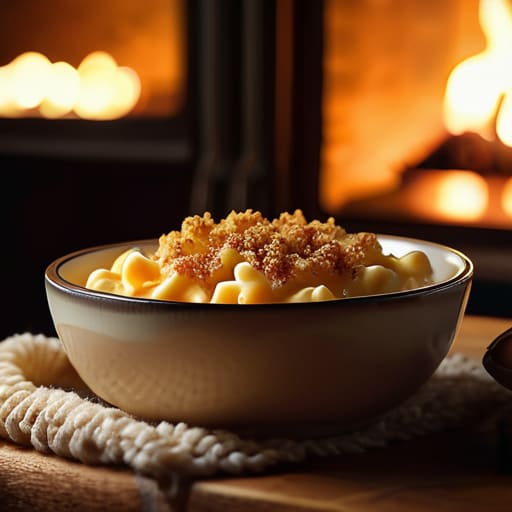
I’m not here to teach you how to make a five-course meal; I’m here to help you build a better system for your Tuesday night dinners. I’m going to show you the exact, streamlined method I use to ensure every single piece is juicy, seasoned properly, and cooked with zero wasted effort. We aren’t aiming for a Michelin star here; we’re just aiming for a reliable routine that eliminates the guesswork and keeps you from throwing good money down the drain.

Table of Contents

Simple Chicken Breast Seasoning Ideas for Busy Nights

Simple Chicken Breast Seasoning Ideas for Busy Nights

Look, I don’t have the bandwidth for a spice cabinet that looks like a chemistry lab. When I’m staring down a Tuesday night and need a win, I stick to a few reliable chicken breast seasoning ideas that require zero mental heavy lifting. My go-to is the “Mediterranean Minimalist”: olive oil, dried oregano, garlic powder, and a heavy pinch of sea salt. It’s foolproof and works whether you’re doing a quick pan sear or throwing it in the oven. If you’re feeling like you need a bit more punch, a simple smoked paprika and cumin rub adds a depth that makes it feel like you actually tried, even if it only took thirty seconds to prep.

The secret to making these flavors actually pop isn’t just the spices, though—it’s about not ruining the protein before you even start. I’ve learned the hard way that if you don’t pat the meat dry with a paper towel before seasoning, you’re just making a salty, wet mess. A dry surface is non-negotiable for preventing dry chicken and ensuring you get that golden-brown crust we’re all after. Once you nail the seasoning and the surface prep, the rest is just managing the heat.

The Minimalist Approach to Oven Baked Chicken Breast

The Minimalist Approach to Oven Baked Chicken Breast

If you’re like me, you want the highest ROI for your effort. You don’t want to stand over a stove for twenty minutes, and you certainly don’t want to end up with something that feels like chewing on a piece of drywall. The secret to a successful oven baked chicken breast isn’t some complex culinary technique; it’s about managing heat and moisture. I usually skip the heavy pans and go straight for a rimmed baking sheet lined with parchment. It cuts down on the cleanup—one less thing to deal with after dinner—and keeps the workflow clean.

The real mistake most people make is treating the oven like a “set it and forget it” black box. If you want to master preventing dry chicken, you have to stop guessing. I always keep a digital meat thermometer on my counter; it’s the single most important tool in my kitchen. Don’t wait until the meat looks white and opaque on the outside. Instead, pull the tray out the second you hit that magic number. If you aim for an internal temperature for chicken of about 160°F (74°C) and let it rest for five minutes, the carryover cooking will bring it to a safe 165°F while keeping the juices locked inside. It’s simple, systematic, and it works every single time.

The Systems Approach: 5 Ways to Stop Ruining Your Chicken

The Systems Approach: 5 Ways to Stop Ruining Your Chicken
  • Buy a digital instant-read thermometer. If you aren’t checking the internal temp, you’re just guessing, and guessing is how you end up with something that feels like a piece of drywall. Aim for 165°F (74°C) and stop there.
  • Let it rest. This is the part everyone skips because they’re hungry, but if you cut into that chicken the second it leaves the pan, all the moisture escapes. Give it five minutes on the cutting board to let the juices redistribute.
  • Standardize your prep with a meat mallet. Chicken breasts are notoriously uneven—thick at one end and paper-thin at the other. Pound them to a uniform thickness so the whole piece cooks at the same rate.
  • Salt early. If you have the bandwidth, salt your chicken 30 minutes before you cook it. It helps the seasoning penetrate deeper and keeps the protein from tightening up too much during the heat application.
  • Don’t crowd the pan. If you’re stovetop cooking, give each piece some breathing room. If you pile them in, you’re essentially steaming the meat instead of searing it, and you’ll lose that crucial golden-brown crust.

The Philosophy of the Perfect Protein

“Cooking chicken shouldn’t be a high-stakes math problem or a source of kitchen anxiety; it’s just about mastering a few basic variables so you can stop hovering over the stove and get back to your actual life.”

Nathaniel 'Nate' Brooks

Stop Overthinking the Protein

Stop Overthinking the Protein with easy chicken.

At the end of the day, cooking a decent chicken breast isn’t about mastering some complex culinary technique or owning a kitchen full of expensive gadgets. It’s about having a few reliable systems in place. Whether you’re leaning on a handful of basic seasonings to beat the weekday burnout or using a straightforward oven method to keep the kitchen clean, the goal is the same: consistent, edible results. You don’t need a gourmet kitchen to avoid the dry, tasteless mess that usually happens when you’re rushing through a Tuesday night. Just hit your internal temperature, don’t neglect the seasoning, and you’ve effectively eliminated the friction of meal prep.

I know how it goes—sometimes you just want to eat something that doesn’t feel like a chore to prepare or consume. My advice is to stop chasing the “perfect” recipe you saw on a high-production cooking show and just focus on building a routine that actually works for your schedule. Once you have these basic frameworks down, you’ll find you have more mental bandwidth for the things that actually matter. We aren’t trying to win a Michelin star here; we’re just trying to optimize our evening so we can stop worrying about dinner and start actually enjoying our time.

Frequently Asked Questions

How can I tell if the chicken is actually done without constantly cutting into it and losing the juices?

Look, I used to do the same thing—cutting into it every five minutes like I was performing surgery—only to end up with a dry, sawdust-textured mess. Stop the guesswork. Buy a digital instant-read thermometer. It’s the only way to eliminate the friction. Pull the chicken when it hits 160°F (71°C); carryover cooking will bring it up to the safe 165°F mark while it rests. It’s precise, fast, and keeps the juices exactly where they belong.

Is it worth the extra effort to brine the chicken, or is that just more friction than I need on a weeknight?

Look, if you’re already staring down a deadline or just want to eat, skip the traditional wet brine. It’s too much friction for a weeknight. Instead, try a “dry brine.” Just hit the meat with salt about 30 minutes before you cook. It’s a low-effort system that achieves 90% of the same moisture benefits without the messy bowls or extra cleanup. It’s the efficiency play—maximum result, minimum chaos.

What’s the best way to prevent the meat from turning into a dry, rubbery mess in the pan?

The secret isn’t a fancy technique; it’s heat management and timing. Most people treat a pan like a race, cranking the heat to max and then wondering why the meat is tough. Don’t do that. Use medium heat, pat the chicken bone-dry with paper towels first (moisture is the enemy of a good sear), and for the love of everything, get a meat thermometer. Pull it off the heat a few degrees early. Let it rest.

Can I prep these breasts ahead of time for the week, or will they get weird in the fridge?

You can definitely prep them ahead, but don’t just throw raw meat in a container and hope for the best. If you’re doing raw prep, keep it to two days max; after that, the texture starts to get a bit suspicious. My preferred system? Cook a batch of plain breasts on Sunday, slice them up, and keep them in an airtight container. It’s much more efficient for weekday lunches and keeps the fridge from smelling like a butcher shop.

Posted on

Cozy Comfort Food Recipes for Your Next Night in

Easy comfort food recipes for cozy nights.

We’ve all been there: it’s 6:30 PM, your brain is fried from a day of troubleshooting systems, and the last thing you want to do is stare at a complex recipe that requires twenty different spices and an hour of prep. When life gets heavy, we tend to default to either expensive takeout or whatever sad, processed snack is within arm’s reach. I’ve spent too many years oscillating between those two extremes, but I eventually realized that you don’t need a culinary degree to feel human again. You just need a few reliable, easy comfort food recipes that actually work when your energy levels are hitting zero.
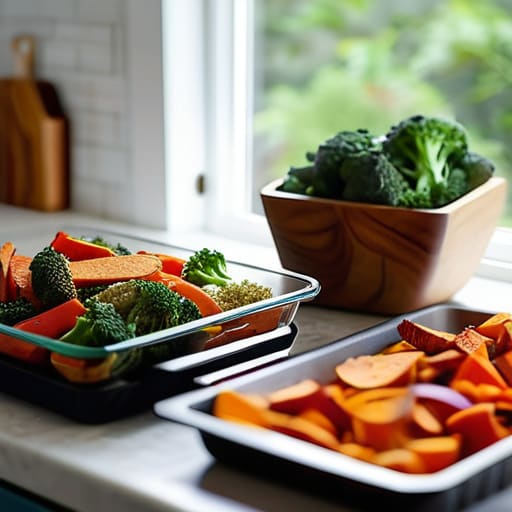
In this guide, I’ve boiled down my personal rotation into eight streamlined options that prioritize flavor without the unnecessary friction. These aren’t just random ideas; they are my go-to solutions for reclaiming your evening without turning your kitchen into a disaster zone. I’m going to walk you through a selection of meals that hit that sweet spot between minimal effort and maximum satisfaction. By the time you finish reading, you’ll have a toolkit of meals designed to help you decompress efficiently and get back to what actually matters.

Table of Contents

The One-Pot Pesto Pasta

Cooking The One-Pot Pesto Pasta.

When I’m staring at a mountain of spreadsheets at 6:00 PM, the last thing I want to do is wash five different pans. This recipe is my go-to because it relies on the minimalist approach to cleanup. You just toss your pasta, some vegetable broth, and a jar of high-quality pesto into a single pot and let it simmer until the liquid is absorbed.

Sheet Pan Sausage and Peppers

Sheet Pan Sausage and Peppers on baking sheet.

I’ve learned that the best way to optimize a weeknight is to let the oven do the heavy lifting. By slicing up some Italian sausages, bell peppers, and onions and tossing them in olive oil on a single baking sheet, you’ve basically automated your dinner. There’s no constant stirring or temperature monitoring required; you just set a timer and walk away.

Upgraded Grilled Cheese and Tomato Soup

Upgraded Grilled Cheese and Tomato Soup.

We’ve all been there—you’re exhausted, and you just need something that feels like a hug. Instead of the standard plastic-wrapped singles, I recommend upgrading your setup with a sharp cheddar and a thick sourdough. Use a bit of salted butter on the outside of the bread to get that perfect, golden-brown crunch that makes the whole experience feel intentional rather than lazy.

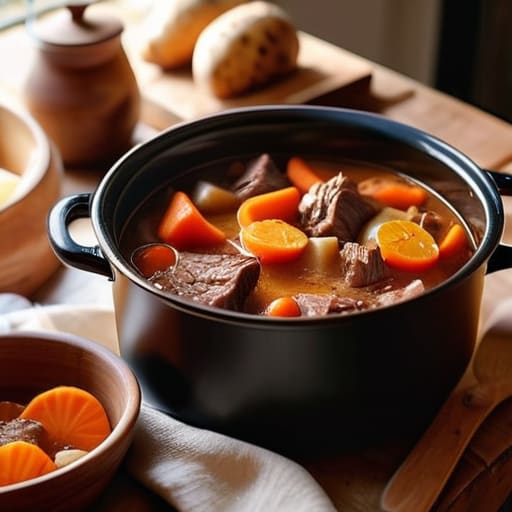
Slow-Cooker Beef Stew

Hearty Slow-Cooker Beef Stew with vegetables.

This is where my love for slow-cooking really pays off. If you prep this in the morning, you aren’t “cooking” dinner; you’re just executing a pre-planned task. Throw your beef chunks, potatoes, carrots, and a bit of beef stock into the slow cooker, set it to low, and let the physics of heat do the work while you focus on your actual life.

Loaded Baked Potatoes

Loaded Baked Potatoes

There is something deeply satisfying about the simplicity of a baked potato. It’s a blank canvas that requires almost zero technical skill to master. I usually scrub a few large Russets, prick them with a fork, and let them roast in the oven until the skin is perfectly crisp. It’s a low-cost way to feel full and satisfied.

Skillet Quesadillas

If you have tortillas and cheese, you have a meal. I view quesadillas as the emergency backup system for my kitchen. They take less than ten minutes to assemble and cook, making them ideal for those nights when your schedule has completely derailed. You don’t need fancy techniques, just a hot pan and a steady hand.

Breakfast for Dinner Shakshuka

Sometimes, the most comforting thing to eat is something that feels a little bit indulgent but is actually quite easy to assemble. Shakshuka is essentially just eggs poached in a spicy tomato sauce, and it’s a one-pan wonder. You can use a jar of marinara as a base if you’re really short on time, then just add some cumin and chili flakes to give it character.

Creamy Garlic Butter Gnocchi

Store-bought shelf-stable gnocchi is one of my favorite pantry staples because it cooks in about three minutes. When I want something that feels “fancy” without the actual work, I pan-fry the gnocchi in a little butter and garlic until they get a crispy exterior. It’s a texture game-changer that elevates a basic meal significantly.

The Philosophy of the Low-Effort Meal

“At the end of a long day, your kitchen shouldn’t feel like another system you have to troubleshoot. Comfort food isn’t about culinary perfection; it’s about choosing recipes that give you back your time and your sanity without sacrificing the flavor that makes you feel human again.”

Nathaniel 'Nate' Brooks

The Bottom Line on Low-Effort Comfort

At the end of the day, these recipes aren’t about culinary mastery or impressing anyone on social media. They are about building a reliable system for those evenings when your mental bandwidth is hitting zero. Whether you’re leaning on a one-pot pasta to save on dishes or utilizing a slow cooker to automate your dinner, the goal is the same: reducing the friction between being hungry and being fed. By keeping these few, versatile staples in your rotation, you ensure that a bad day at the office doesn’t inevitably lead to a chaotic, expensive, and stressful night in the kitchen.

I know I used to think that if a meal wasn’t complicated, it wasn’t “real” cooking, but I’ve learned that there is immense value in simplicity. We spend so much of our lives trying to optimize our workflows and our finances; don’t forget to optimize your downtime, too. Use these meals to reclaim your evening and give yourself the space to actually decompress. Life is unpredictable enough as it is—don’t let your dinner menu be another source of unnecessary complexity. Just pick one recipe, get it on the table, and let the rest of the world wait.

Frequently Asked Questions

How can I make these recipes even faster if I'm coming home from a late shift?

Look, if you’re rolling in from a late shift, you don’t want to be chopping onions at 10 PM. My rule is simple: prep the friction away. Spend twenty minutes on Sunday washing and chopping your aromatics, or keep high-quality pre-cut frozen veggies on hand. Better yet, keep a “buffer” ingredient like a rotisserie chicken or pre-cooked grains in the fridge. It turns a 30-minute cook into a 10-minute assembly job.

Are there ways to prep these meals in advance so I'm not cooking from scratch every night?

Look, the whole point of a good system is reducing friction. Don’t try to prep the entire meal; just prep the components. I usually spend Sunday afternoon chopping aromatics—onions, garlic, peppers—and storing them in airtight containers. If a recipe calls for a grain or a protein, cook a double batch. Having a container of pre-cooked quinoa or roasted chicken in the fridge turns a “cooking” task into a simple “assembly” task.

Can I swap out some of the heavier ingredients for healthier options without losing that comfort factor?

Absolutely. You can definitely lighten the load without losing the soul of the dish. I’m a big believer in the “substitution principle”—swapping heavy cream for Greek yogurt or using cauliflower mash instead of potatoes keeps the texture while cutting the sluggishness. The trick is to keep the spices and aromatics high. If the flavor profile is strong, your brain won’t even notice you’ve optimized the macros. It’s about smarter systems, not deprivation.

What are the best pantry staples I should keep on hand to make these meals more consistent?

To make these meals actually repeatable, you need to stop treating grocery trips like a scavenger hunt. I keep my pantry stocked with “building block” items: high-quality olive oil, kosher salt, a few types of dried pasta, canned chickpeas, and crushed red pepper. Throw in some long-grain rice, chicken or vegetable stock, and a handful of aromatics like garlic and onions, and you’ve got the foundation to whip up almost anything without a frantic mid-week run to the store.

Posted on

Stress-free Weeknight Dinners You Can Prep in Advance

Stress-free make ahead meals for weeknights.

I used to think that “meal prepping” meant spending my entire Sunday in a kitchen-sized version of hell, surrounded by twenty identical plastic containers and enough Tupperware to supply a small army. The internet loves to sell this fantasy of aesthetic, color-coded glass jars that look like they belong in a lifestyle magazine, but let’s be real: that’s a recipe for burnout, not efficiency. Most of those complex recipes are just extra work disguised as organization. I learned the hard way that if your system for make ahead meals takes more effort than just ordering Thai food on a Tuesday, your system is fundamentally broken.
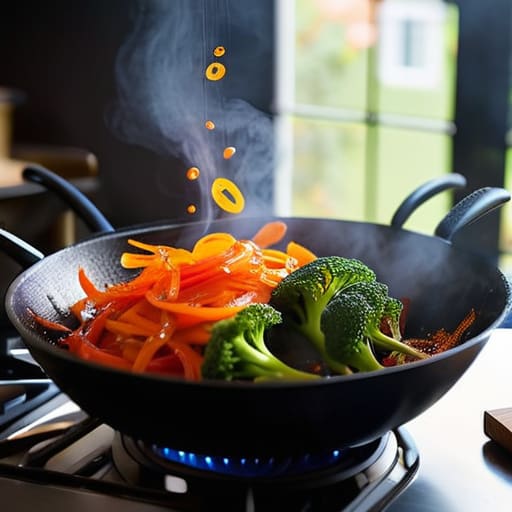
I’m not here to teach you how to become a gourmet chef or a professional organizer. My goal is to help you build a functional, low-friction system that actually survives a long work week. I’m going to share the exact, no-nonsense frameworks I use to prep versatile components rather than rigid recipes, so you can eat well without losing your sanity. We aren’t aiming for a Pinterest-perfect pantry; we’re just aiming to eliminate the decision fatigue that turns your evenings into a chaotic scramble.

Table of Contents

Smart Weekly Meal Prep Ideas for Better Days

Smart Weekly Meal Prep Ideas for Better Days

Instead of trying to cook five elaborate recipes every Sunday, I’ve learned that the most efficient way to handle the week is to focus on “component prepping.” This means roasting two large trays of seasonal vegetables, cooking a massive batch of a versatile grain like quinoa or farro, and prepping two different proteins—maybe some lemon-herb chicken and a batch of seasoned chickpeas. When you have these building blocks ready, you aren’t just following a recipe; you’re building a customized bowl in under five minutes. This is one of my favorite time saving cooking hacks because it prevents the “decision fatigue” that usually leads to me ordering expensive, greasy takeout at 7:00 PM.

To make this actually sustainable, you need to invest in a decent set of meal prep containers for storage. I’m a bit of a minimalist, so I don’t want a kitchen cabinet overflowing with mismatched plastic. I stick to a uniform set of glass containers that are airtight and, most importantly, look decent enough to take to the office. If your food looks appetizing and stays fresh, you’re much more likely to stick to your plan. It’s not about being a gourmet chef; it’s about building a reliable system that feeds you without requiring constant mental energy.

Healthy Meal Planning Tips That Actually Work

Healthy Meal Planning Tips That Actually Work

The biggest mistake I see people make is trying to cook elaborate, five-course feasts every Sunday. That’s a recipe for burnout, not efficiency. Instead, I focus on building a modular system. Don’t think in terms of “meals”; think in terms of components. Roast two trays of seasonal vegetables, cook a large batch of a versatile grain like quinoa, and prep a couple of proteins. When you have these building blocks ready, you can assemble a different bowl every night in under five minutes. This approach is one of my favorite healthy meal planning tips because it prevents the “flavor fatigue” that usually leads to ordering pizza by Wednesday.

Another thing that changed the game for me was investing in quality gear. I used to use those flimsy, mismatched plastic tubs that leaked everywhere and made my fridge look like a disaster zone. Now, I swear by uniform meal prep containers for storage that are glass and stackable. It sounds minor, but having a streamlined, visual inventory of what’s in your fridge reduces decision fatigue. If you can see your options clearly, you’re much more likely to stick to your plan and actually enjoy the process rather than feeling like you’re managing a second job.

My Low-Friction Rules for Meal Prep Success

My Low-Friction Rules for Meal Prep Success
  • Stop trying to cook five different recipes on Sunday. You’ll burn out by hour two. Instead, pick two proteins, one grain, and two roasted veggies. That’s your modular toolkit for the week.
  • Invest in high-quality, glass containers with airtight lids. I learned this the hard way after a month of leaking plastic containers ruined my fridge and made everything taste like old Tupperware.
  • Don’t prep everything to the point of being “ready to eat.” If you pre-cook your pasta completely, it’ll be mush by Wednesday. Prep the components—sauce, protein, noodles—and combine them when you’re actually hungry.
  • Use the “Freeze Half” rule. If you make a big batch of chili or stew, immediately portion out half into individual freezer bags. It creates an instant “emergency meal” for those nights when your systems inevitably fail.
  • Label everything with a piece of masking tape and a sharpie. It sounds overkill, but knowing exactly what’s in that container and when you made it saves you from that awkward “is this still safe?” moment at 8:00 PM.

The Philosophy of Prep

“Meal prepping isn’t about spending your entire Sunday in a kitchen trance; it’s about building a small buffer of time and sanity so that when Tuesday hits and everything goes sideways, your nutrition doesn’t go down with the ship.”

Nathaniel 'Nate' Brooks

Getting Started Without the Stress

Getting Started Without the Stress: Meal Prepping

At the end of the day, meal prepping isn’t about turning your kitchen into a high-efficiency factory or spending your entire Sunday in a flour-covered trance. It’s about building a few reliable systems that protect your time and your budget. Whether you’re batch-cooking a massive pot of chili, prepping protein components for quick salads, or just making sure you have healthy snacks ready to go, the goal is the same: reducing the number of decisions you have to make when you’re tired and hungry. Remember, you don’t need to master a hundred recipes; you just need to master a few basics that actually work for your specific schedule.

Don’t let the fear of a failed experiment keep you from trying. If you prep a batch of quinoa and realize you hate it, don’t sweat it—just adjust the system next week. Life is messy, and your meal plan will occasionally fall apart, but that’s fine. We aren’t aiming for a Pinterest-perfect kitchen; we’re just trying to eliminate the friction that makes Tuesday nights feel like a crisis. Start small, stay consistent, and give yourself the breathing room to actually enjoy your food rather than just using it as fuel to survive the grind. You’ve got this.

Frequently Asked Questions

How long can I actually keep these meals in the fridge before they start tasting like cardboard?

Look, I’ve been there—staring at a container of leftovers that looks fine but tastes like a science experiment. Generally, you’re looking at a three-to-four-day window for peak quality. Anything past day four is when the textures start to degrade and things get “cardboardy.” If you’re prepping for a full seven days, my rule is simple: keep half in the fridge and freeze the rest immediately. It saves the flavor and prevents waste.

Is it worth investing in high-quality containers, or should I just stick with whatever is cheap?

Look, I’ve been there—buying a massive pack of cheap, mismatched plastic tubs thinking I’m being smart. It’s a trap. Cheap containers warp in the dishwasher, stain from every tomato sauce, and eventually leak, turning your fridge into a mess. If you’re serious about a system, invest in a few high-quality, glass, airtight sets. They last forever, they don’t leach chemicals, and they actually stack. It’s a small upfront cost to eliminate long-term friction.

How do I prep food without spending my entire Sunday stuck in the kitchen?

Stop treating meal prep like a marathon. You don’t need a five-hour kitchen siege; you just need better systems. My rule is “component prepping” instead of full-meal assembly. Instead of cooking five identical Tupperware containers, roast two trays of veggies, boil a pot of grains, and prep one versatile protein. This gives you the building blocks to assemble different meals in minutes during the week, rather than being stuck at the stove all Sunday.

What’s the best way to reheat everything so it doesn't end up dry or rubbery?

The biggest mistake I see is the “blast it on high” approach. If you want to avoid that rubbery, sad texture, you need moisture. For leftovers like chicken or grains, add a splash of water or broth before microwaving, then cover it with a damp paper towel to create a mini-steam chamber. If you have the time, use a skillet on low heat for proteins; it’s a bit more effort, but the results are night and day.

Posted on

The Ultimate Guide to Making a Stir-fry With Random Fridge Ingredients

Learn how to make a stir fry.

I’ve spent way too many Tuesday nights staring at a takeout menu, convinced that the only way to get a decent meal was to pay a $15 delivery fee and wait forty minutes for something that arrives lukewarm. Most recipe blogs make it seem like you need a specialized carbon steel wok and a pantry full of exotic oils just to learn how to make a stir fry that doesn’t taste like soggy disappointment. Honestly, the idea that you need a culinary degree or a massive grocery budget to nail this dish is a total myth designed to sell more gadgets.
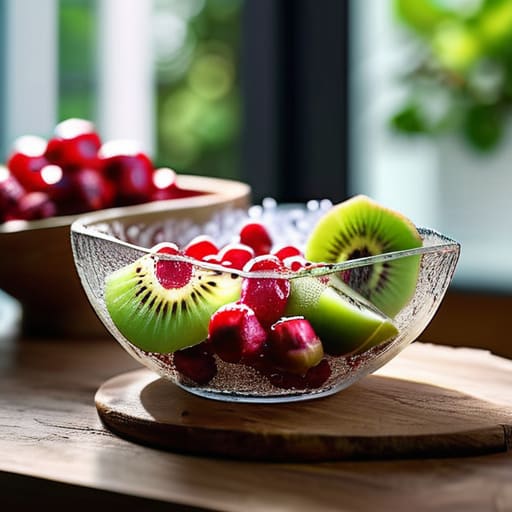
I’m not here to give you a lecture on traditional techniques or suggest you spend your evening prepping twenty different micro-greens. My goal is to show you how to build a reliable, repeatable system in your own kitchen using what you actually have in the fridge. I’m going to walk you through a streamlined approach that focuses on heat management and timing, ensuring you get crispy, flavorful results every single time. We aren’t aiming for a Michelin star here; we’re just aiming to get a high-quality dinner on the table without the usual chaos.

Table of Contents

Mastering Vegetable Prep for Stir Fry Efficiency

Mastering Vegetable Prep for Stir Fry Efficiency

The biggest mistake I see people make is trying to chop veggies while the pan is already smoking. If you wait until the oil is hot to start slicing, you’ve already lost the battle. For me, efficient vegetable prep for stir fry is all about the “mise en place” mindset—having everything in small bowls within arm’s reach before you even touch the stove. If you’re working with denser items like carrots or broccoli, slice them thin or into small florets so they actually cook through in the time it takes to sear your protein.

I also like to group my prep by cook time. Don’t just throw everything in at once; that’s a recipe for mushy disappointment. I separate my “hard” veggies (carrots, bell peppers, snap peas) from my “soft” ones (spinach, bean sprouts, or scallions). This way, you can master those high heat cooking methods without worrying about your delicate greens turning into a dark green sludge. Think of it as a sequence: hard stuff goes in first to take the heat, and the soft stuff gets a quick toss at the very end. It’s a small adjustment, but it’s the difference between a professional-grade meal and a chaotic mess.

Essential Protein Seasoning for Stir Fry Success

Essential Protein Seasoning for Stir Fry Success

Once your veggies are prepped and waiting, it’s time to focus on the heavy lifter: the protein. I’ve learned the hard way that if you just toss raw, unseasoned meat into a hot pan, you’re essentially wasting your time. You end up with grey, bland chunks that lack character. Instead, treat your protein seasoning for stir fry as the foundation of the entire dish. Whether you’re working with thinly sliced flank steak, chicken thighs, or even firm tofu, I like to keep things simple. A quick toss in soy sauce, a dash of toasted sesame oil, and a pinch of cornstarch is my go-to move. That cornstarch is the real secret weapon; it creates a slight barrier that helps the meat retain moisture and helps your stir fry sauce ingredients cling to the protein later in the process.

Don’t overthink the spice profile, but do be intentional. If you’re aiming for those quick weeknight stir fry meals that actually taste like takeout, don’t skip the aromatics. Rubbing a little grated ginger and garlic directly into the meat before it hits the heat ensures the flavor is baked in, not just sitting on the surface. This step is non-negotiable if you want to avoid that “boiled meat” texture. Get it seasoned, let it sit for just five minutes, and you’re ready to go.

The Workflow: 5 Rules to Keep Your Kitchen from Turning into Chaos

The Workflow: 5 Rules to Keep Your Kitchen from Turning into Chaos
  • Prep everything before you touch the heat. I learned this the hard way during a late-night hunger spike: if you’re chopping onions while your garlic is already burning in the pan, you’ve already lost. Get your sauces, proteins, and veggies into small bowls first. Think of it like staging a deployment—you don’t push code until the environment is ready.
  • Control your heat, but don’t be afraid to crank it. Stir fry is all about high heat and fast movement. If your pan looks dry or your ingredients start steaming instead of searing, you’re likely crowding the pan. Work in batches if you have to; it’s better to cook twice than to end up with a soggy, lukewarm mess.
  • Sequence your ingredients by cook time. Don’t just throw everything in at once. Start with the densest stuff—carrots, broccoli, or peppers—and let them get a head start. Add the softer greens and aromatics like ginger and garlic toward the end so they don’t turn into bitter mush. It’s all about managing the timeline.
  • The sauce is your system’s glue. Don’t just pour liquid into a hot pan and hope for the best. Mix your soy sauce, sesame oil, and cornstarch in a small ramekin beforehand. Adding a slurry ensures the sauce thickens instantly and coats everything evenly, rather than pooling at the bottom like a watery disaster.
  • Keep the momentum going with “active” cooking. A stir fry isn’t a “set it and forget it” meal. You need to be moving—tossing the pan, stirring the contents, and adjusting the heat. If you step away to check an email or grab a drink, you’re going to find burnt bits at the bottom of your wok. Stay present.

The Philosophy of the Wok

“A great stir fry isn’t about following a rigid recipe; it’s about managing heat and timing so you aren’t fighting your ingredients. If you control the prep and respect the temperature, the meal practically cooks itself.”

Nathaniel 'Nate' Brooks

Streamlining Your Final Result

Streamlining Your Final Result with stir fry.

At the end of the day, a great stir fry isn’t about following a rigid, complicated recipe; it’s about managing the workflow. Once you’ve mastered the prep work, seasoned your proteins to pull out every bit of flavor, and organized your sauce components, the actual cooking part becomes a breeze. You aren’t fighting the heat or scrambling for ingredients mid-sear because you’ve already done the heavy lifting. By focusing on systematic preparation and high-heat execution, you turn what used to be a messy, stressful kitchen ordeal into a repeatable, efficient process that delivers a high-quality meal every single time.

My goal isn’t to turn you into a professional chef, but to help you stop wrestling with your dinner. Cooking should be a way to fuel your life, not a source of unnecessary friction that leaves you exhausted before you’ve even sat down to eat. Use these systems to reclaim your time and your evenings. Don’t worry about making it look like a Michelin-star plate—just focus on getting the flavors right and the timing tight. Once you get the rhythm down, you’ll realize that better systems lead to much better meals, with significantly less stress. Now, get in there and get cooking.

Frequently Asked Questions

What’s the best way to keep the sauce from turning into a watery mess?

The secret is all in the starch and the timing. Most people dump the sauce in too early, which just boils the ingredients. Instead, mix a teaspoon of cornstarch into your cold sauce before it hits the pan. Once your veggies and protein are cooked, pour the mixture in and let it bubble for thirty seconds. That’s when the magic happens—the sauce thickens into a glossy coating that actually sticks to your food instead of pooling at the bottom.

Can I use frozen vegetables, or will they ruin the texture?

Look, I’m all about efficiency, so I get the temptation to reach for the frozen bag. You can use them, but don’t treat them like fresh produce. If you toss them straight into the wok, they’ll release a ton of moisture and you’ll end up steaming your dinner instead of searing it. My rule of thumb? Thaw them first and pat them bone-dry with a paper towel. It’s an extra step, but it saves the texture.

How do I know when the pan is actually hot enough to start searing?

Look, there’s nothing more frustrating than dumping ingredients into a lukewarm pan and watching them steam instead of sear. To know you’re ready, use the water droplet test. Flick a few drops of water into the pan; if they sit there, keep waiting. If they dance and skitter around like beads on a hot plate, you’ve hit the sweet spot. That’s your signal to move—get that protein in before the heat escapes.

Is there a specific order I should add ingredients so nothing gets overcooked?

Think of it like a workflow: you want to move from the densest, slowest-cooking items to the most delicate. Start with your aromatics like garlic and ginger—just enough to scent the oil. Next, toss in your hard veggies (carrots, broccoli). Once they’ve lost that raw crunch, add the softer stuff (peppers, snap peas). Save the leafy greens and any pre-cooked proteins for the very last minute. It keeps everything textured instead of turning into a mushy mess.

Posted on

Practical Tips for Reducing Sugar in Your Daily Diet

Tips on how to reduce sugar in your diet.

I used to think that figuring out how to reduce sugar in your diet required a complete kitchen overhaul—expensive organic replacements, complicated keto recipes, and enough willpower to rival an Olympic athlete. I spent my early twenties chasing that “clean eating” high, only to crash by 3:00 PM every single day because my systems were fundamentally broken. The truth is, most of the advice you see online is just unnecessary noise designed to sell you a subscription to a meal kit service or a fancy supplement.
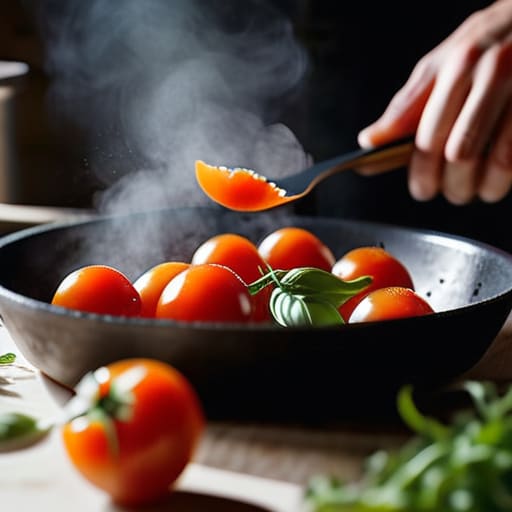
I’m not here to tell you to go on a radical detox or live on kale alone. My approach is much more pragmatic: we’re going to look at the data, identify the friction points in your current routine, and implement small, sustainable adjustments that actually stick. I’m going to share the specific, low-effort swaps I used to stabilize my energy without turning my life into a full-time job. We aren’t aiming for a perfect, sugar-free utopia; we’re just aiming to build a better system for how you fuel your day.

Table of Contents

Decoding the Chaos How to Read Nutrition Labels for Sugar

Decoding the Chaos How to Read Nutrition Labels for Sugar

Most people walk into a grocery store, glance at the front of a box, and think they know exactly what they’re getting. But as someone who spent years obsessing over data structures, I can tell you that the marketing on the packaging is often just noise. To actually understand what you’re consuming, you have to look past the “all-natural” or “low fat” claims and master how to read nutrition labels for sugar with a bit of skepticism. The real story isn’t in the colorful graphics; it’s buried in the fine print of the ingredient list and the serving size breakdown.

The first thing I do is check the serving size. A single bottle of juice might look healthy, but if the label says it contains two servings, you’re effectively doubling your intake before you’ve even taken a sip. Once you’ve cleared that hurdle, look for the ingredient list. This is where you’ll find the hidden sugars in processed foods lurking under different aliases—syrups, maltodextrin, or anything ending in “-ose.” If sugar is one of the first three ingredients listed, it’s a red flag. It’s not about being a perfectionist; it’s about recognizing when a product is essentially a dessert masquerading as a staple.

Unmasking the Saboteurs Finding Hidden Sugars in Processed Foods

Unmasking the Saboteurs Finding Hidden Sugars in Processed Foods

If you think you’ve mastered the art of avoiding sweets because you stopped buying dessert, I have some bad news: your “healthy” breakfast might be working against you. This is where the real battle begins. Manufacturers are experts at camouflage, tucking sweetness into things that don’t even taste like candy. I spent way too many mornings thinking I was being productive by grabbing a “fruit” yogurt or a granola bar, only to realize I was essentially eating a bowl of sugar disguised as wellness. These hidden sugars in processed foods are the silent disruptors of a steady routine.

The trick is to look past the marketing jargon on the front of the box. Words like “organic cane juice,” “maltodextrin,” or “agave nectar” are often just fancy aliases for the same spike in your system. When you consume these high-velocity sweeteners, the immediate impact of sugar on blood glucose is what leads to that inevitable 2:00 PM crash. Instead of trying to overhaul your entire pantry in one afternoon, I recommend a systematic audit. Start by checking your condiments and bread; once you identify the culprits, you can swap them out for cleaner versions that don’t require a nap to recover from.

The Low-Friction Approach: 5 Small Tweaks to Cut the Sugar

The Low-Friction Approach: 5 Small Tweaks to Cut the Sugar
  • Stop the “all-or-nothing” mindset. If you try to cut every gram of sugar from your diet by Monday morning, you’re going to crash and burn by Wednesday. Instead, pick one thing—like your morning coffee or your afternoon snack—and swap it for a lower-sugar version. Small, sustainable wins beat a massive, failed overhaul every time.
  • Audit your liquid calories. This was a huge realization for me: it’s much easier to drink sugar than it is to eat it. You can polish off a 40-gram sugar soda in five minutes without even feeling full. Switching to sparkling water or plain tea is probably the single most effective way to drop your intake without feeling like you’re starving.
  • Reclaim your breakfast. Most “healthy” cereals and yogurts are essentially dessert in a bowl, loaded with enough sugar to send your insulin on a rollercoaster before you’ve even left the house. I started opting for Greek yogurt with actual berries or eggs instead. It’s more satiating, and you won’t be hunting for a sugar hit by 10:30 AM.
  • Keep a “buffer” of whole foods. When I’m working deep in a project, I tend to reach for whatever is easiest. If your pantry is full of processed granola bars, you’re going to eat them. Keep some almonds, hard-boiled eggs, or even just some sliced cucumbers on hand. If the easy option is a real food, you’re less likely to default to the sugar bomb.
  • Don’t fear the fruit, just watch the juice. Fruit is great—it has fiber, which slows down the sugar absorption. But fruit juice is a different beast entirely; it’s basically concentrated sugar water without the structural benefits of the fiber. Stick to the whole fruit when you’re craving something sweet.

## The Systemic Approach

“Don’t treat sugar reduction like a crash diet or a war against your willpower; treat it like a system upgrade. You aren’t looking for overnight perfection, you’re just looking to identify the glitches in your pantry and swap them out for something that actually works for your body.”

Nathaniel 'Nate' Brooks

Streamlining Your Path Forward

Streamlining Your Path Forward with healthy eating.

At the end of the day, cutting back on sugar isn’t about a radical, overnight overhaul that leaves you feeling deprived and miserable. It’s about the small, systemic adjustments we talked about: learning to spot those sneaky aliases on nutrition labels and identifying the processed “saboteurs” that hide in your pantry. When you start viewing your diet through the lens of optimization rather than deprivation, the process becomes much more manageable. By swapping out one sugary soda for sparkling water or opting for whole foods over pre-packaged snacks, you aren’t just changing what you eat; you are reclaiming control over your energy levels and your long-term health.

Look, I’m not interested in perfection, and I don’t expect you to be either. Life is messy, and there will be days when a dessert or a sweetened coffee is exactly what you need to get through. The goal here isn’t to build a rigid, joyless cage around your eating habits; it’s to build a better system that works for you. Focus on the incremental wins and the small shifts that reduce the friction in your daily routine. If you can manage the small things, the big changes will eventually take care of themselves. Just aim for better, not perfect.

Frequently Asked Questions

How do I deal with the inevitable sugar cravings or "withdrawal" during the first week of cutting back?

Look, I get it. The first few days feel like your brain is actively glitching. When you cut the sugar, your dopamine levels take a hit, and your body starts protesting. Don’t fight it with willpower alone—that’s a losing system. Instead, lean on high-quality fats and protein to stabilize your blood sugar. If the craving hits hard, grab a handful of almonds or some Greek yogurt. It’s about managing the crash, not just white-knuckling through it.

Are there any specific natural sweeteners that won't spike my insulin or mess up my progress?

Look, I’m a big believer in minimizing friction, but even “natural” sweeteners can be a trap if you aren’t careful. If you’re trying to keep your insulin steady, steer clear of honey or agave—they’re basically just liquid sugar in a fancy wrapper. I usually stick to monk fruit or stevia. They don’t trigger that massive glucose spike, and they actually fit into a streamlined routine without the mid-afternoon crash.

How much total sugar is actually "too much" per day if I'm trying to maintain a healthy balance?

Look, I’m not a doctor, but I am a big believer in following established benchmarks to avoid decision fatigue. The general rule of thumb I follow? Aim for no more than 25 to 36 grams of added sugar per day. For me, that’s the “red line.” If I see a snack hitting 20 grams right out of the gate, I know I’ve used up my budget. It’s about managing your daily intake like any other resource.

What are some quick, low-sugar snack alternatives that actually taste good and don't feel like a punishment?

Look, if you try to swap a candy bar for a plain celery stick, you’re going to fail. That’s a bad system. You need snacks that actually satisfy your brain. I usually reach for Greek yogurt with a handful of berries—the protein keeps me full, and the fruit hits that sweetness craving. If you need something crunchy, try salted almonds or roasted chickpeas. It’s about finding that balance of texture and flavor without the sugar crash.

Posted on

Mastering the Art of Cooking Without a Recipe

Learning how to cook without a recipe.

I remember sitting in my tiny apartment during my first year as a junior analyst, staring at a cookbook like it was a complex piece of legacy code I couldn’t debug. I had every ingredient for a simple pasta dish laid out on the counter, but I was paralyzed because I didn’t have the exact measurement for the dried oregano or the specific brand of heavy cream the book demanded. It felt like such a massive waste of mental energy—spending forty minutes reading instructions just to execute a ten-minute meal. That’s when I realized that learning how to cook without a recipe isn’t about being a culinary genius; it’s about understanding the basic logic of flavor so you can stop being a slave to a printed page.

I’m not here to give you some flowery, “trust your soul” nonsense that leaves you with a burnt pan and a hungry stomach. Instead, I want to show you how to build a functional framework for your kitchen. I’ll share the small, systematic adjustments—like mastering salt-acid balance and heat control—that will allow you to look at whatever random leftovers are in your fridge and turn them into a solid meal. We aren’t aiming for Michelin stars here; we’re just aiming to eliminate the friction of deciding what’s for dinner.

Table of Contents

Mastering the Art of Improvised Meal Planning

Mastering the Art of Improvised Meal Planning

The biggest mistake I see people make is thinking they need a full grocery haul just to make a decent dinner. In reality, the best way to build your kitchen confidence building is to stop looking at your fridge as a collection of random items and start seeing it as a set of modular components. I rely heavily on pantry staple cooking—think grains, canned beans, aromatics, and oils—to form the backbone of almost everything I eat. If you have a base, a protein, and a fat, you’re already 70% of the way to a finished plate.

Once you have those components, the real magic happens when you stop measuring and start observing. Instead of following a list of instructions, focus on understanding cooking ratios—the relationship between acids, fats, and salts. If a dish feels heavy or flat, it probably needs a splash of vinegar or lemon juice to brighten it up. This isn’t about guesswork; it’s about applying basic flavor balancing principles to whatever happens to be in your cupboard. When you stop treating every meal like a high-stakes chemistry experiment and start treating it like a series of small, logical adjustments, the stress just evaporates.

Building Real Kitchen Confidence Building Skills

Building Real Kitchen Confidence Building Skills

The real secret to moving away from the cookbook isn’t some innate talent; it’s about shifting your focus from following instructions to understanding flavor balancing principles. When you stop viewing a recipe as a set of laws and start seeing it as a blueprint for acidity, fat, salt, and heat, everything changes. I spent years paralyzed by the fear of “doing it wrong” until I realized that most great dishes are just a series of small adjustments. If a sauce tastes flat, it probably needs acid, not more salt. If it’s too sharp, it needs a fat to mellow it out. Once you grasp these basic mechanics, you stop guessing and start actually knowing what your food needs.

This kind of intuition comes from practicing sensory cooking techniques—basically, using your nose, eyes, and tongue as your primary tools rather than a timer. I always tell people to keep a small “testing spoon” nearby. Taste your components at every stage: the sautéed aromatics, the simmering broth, the final reduction. This habit builds a mental library of how ingredients evolve under heat. Instead of checking a screen every five minutes, you’ll find yourself waiting for that specific aroma or color change that signals a dish is ready. It turns cooking from a chore into a feedback loop that actually feels rewarding.

Five Small Tweaks to Stop Relying on the Page

Five Small Tweaks to Stop Relying on the Page
  • Build a “flavor profile” mental map. Instead of looking for a specific recipe, think in terms of balance: acid (lemon, vinegar), fat (oil, butter), salt, and heat. If a dish tastes flat, don’t reach for more salt immediately—try a squeeze of lime or a splash of vinegar to brighten it up.
  • Learn the “Base + Protein + Veg” framework. This is my go-to when I’m staring at a half-empty fridge. Pick a starch (rice, pasta, quinoa), a protein (chicken, beans, tofu), and whatever greens are looking sad in the crisper. Toss them in a pan with some garlic and olive oil, and you’ve got a meal.
  • Master one versatile technique rather than ten recipes. If you know how to properly sauté an onion or roast a tray of vegetables, you can apply that logic to almost any ingredient. Once you understand how heat interacts with food, the recipe becomes secondary to the process.
  • Keep a “flavor toolkit” in your pantry. I don’t care if you aren’t a chef; having high-quality olive oil, a few good dried herbs, soy sauce, and some chili flakes on hand means you can pivot any boring ingredient into something intentional without needing a manual.
  • Taste as you go—seriously. This is the biggest mistake people make. If you wait until the dish is plated to see if it’s good, it’s too late. Taste it at the beginning, middle, and end. It’s the only way to actually learn how flavors evolve as they cook.

The System Behind the Spontaneity

“Cooking without a recipe isn’t about being a culinary genius; it’s about moving away from rigid instructions and toward a basic understanding of how flavors actually interact. Once you stop treating a cookbook like a manual and start treating your ingredients like variables in a system, the kitchen stops being a source of stress and starts being a place where you actually have control.”

Nathaniel 'Nate' Brooks

Finding Your Rhythm in the Kitchen

Finding Your Rhythm in the Kitchen.

At the end of the day, moving away from rigid recipes isn’t about throwing your cookbooks in the trash; it’s about building a mental framework that allows for real-time adjustments. We’ve covered how to improvise your meal planning, how to build genuine confidence through technique, and how to trust your palate over a printed list of measurements. Once you stop viewing a meal as a strict set of instructions and start seeing it as a collection of components—fats, acids, salts, and heat—the anxiety of “getting it wrong” starts to evaporate. You’ll find that the most successful meals aren’t the ones that look exactly like a photo in a magazine, but the ones that actually taste good to you.

I spent years thinking that if I didn’t follow a system to the letter, I was failing. But in my kitchen, as in my work as a systems analyst, I’ve learned that the best systems are the ones that are flexible enough to adapt. Don’t let the fear of a wasted ingredient keep you tethered to a page. Start small, trust your senses, and remember that even a “failed” experiment is just data for your next successful dinner. You aren’t looking for culinary perfection; you’re just looking to reclaim your time and enjoy the process. Now, go see what’s actually in your pantry and start cooking.

Frequently Asked Questions

What are the absolute "must-have" pantry staples I need to keep on hand so I'm never actually starting from zero?

Think of your pantry as your system’s hardware; if the base components are solid, you can run any “program” you want. To avoid starting from zero, keep the essentials: dried pasta, long-grain rice, canned beans, and high-quality olive oil. For flavor, don’t skimp on garlic, onions, soy sauce, and a decent stock. If you have these building blocks, you aren’t just cooking; you’re improvising with a safety net.

How do I know if I've gone too far with the spices or seasoning before the dish is actually ruined?

The moment you feel that “panic spike”—where you’re staring at a pot wondering if it’s salvageable—you’ve probably hit the limit. If the flavor feels aggressive rather than layered, stop adding salt or heat immediately. To test it, take a tiny spoonful, let it cool, and taste it. If it’s too spicy, add fat (like cream or avocado) or acid (lemon/vinegar) to balance it. If it’s too salty, add a starch or more liquid. Don’t force it.

Is there a basic framework or "mental template" I can follow to make sure I'm balancing flavors correctly?

Think of it like debugging a piece of code: you’re just looking for what’s missing. I use a simple mental framework based on the five pillars: Salt, Fat, Acid, Heat, and Sweet. If a dish feels “flat,” it usually needs salt or acid (like a squeeze of lemon) to wake it up. If it’s too sharp, add a bit of fat or sweetness to mellow it out. Just taste, adjust, and repeat.

How do I handle dietary restrictions or cooking for picky eaters when I'm not following a set list of ingredients?

This is where most people freeze up, but think of it like modular programming: keep your base components neutral. I always build a “safe” foundation—like a simple grain or a roasted protein—and then treat sauces, spices, or toppings as add-ons. If someone is gluten-free or hates onions, you aren’t redesigning the whole system; you’re just swapping out a single variable at the end. It keeps the workflow efficient without making you a short-order cook.