
I used to think that figuring out how to reduce sugar in your diet required a complete kitchen overhaul—expensive organic replacements, complicated keto recipes, and enough willpower to rival an Olympic athlete. I spent my early twenties chasing that “clean eating” high, only to crash by 3:00 PM every single day because my systems were fundamentally broken. The truth is, most of the advice you see online is just unnecessary noise designed to sell you a subscription to a meal kit service or a fancy supplement.
I’m not here to tell you to go on a radical detox or live on kale alone. My approach is much more pragmatic: we’re going to look at the data, identify the friction points in your current routine, and implement small, sustainable adjustments that actually stick. I’m going to share the specific, low-effort swaps I used to stabilize my energy without turning my life into a full-time job. We aren’t aiming for a perfect, sugar-free utopia; we’re just aiming to build a better system for how you fuel your day.
Table of Contents
Decoding the Chaos How to Read Nutrition Labels for Sugar
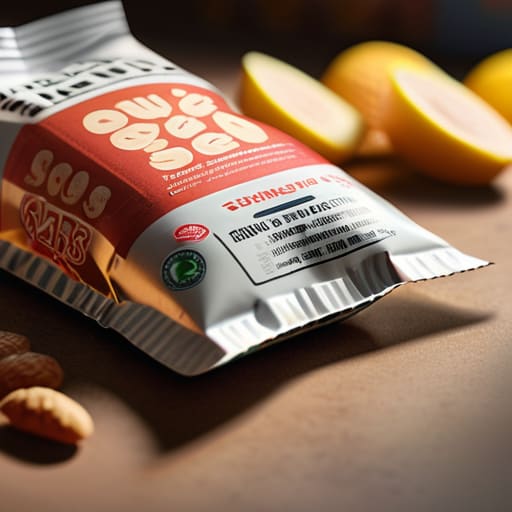
Most people walk into a grocery store, glance at the front of a box, and think they know exactly what they’re getting. But as someone who spent years obsessing over data structures, I can tell you that the marketing on the packaging is often just noise. To actually understand what you’re consuming, you have to look past the “all-natural” or “low fat” claims and master how to read nutrition labels for sugar with a bit of skepticism. The real story isn’t in the colorful graphics; it’s buried in the fine print of the ingredient list and the serving size breakdown.
The first thing I do is check the serving size. A single bottle of juice might look healthy, but if the label says it contains two servings, you’re effectively doubling your intake before you’ve even taken a sip. Once you’ve cleared that hurdle, look for the ingredient list. This is where you’ll find the hidden sugars in processed foods lurking under different aliases—syrups, maltodextrin, or anything ending in “-ose.” If sugar is one of the first three ingredients listed, it’s a red flag. It’s not about being a perfectionist; it’s about recognizing when a product is essentially a dessert masquerading as a staple.
Unmasking the Saboteurs Finding Hidden Sugars in Processed Foods

If you think you’ve mastered the art of avoiding sweets because you stopped buying dessert, I have some bad news: your “healthy” breakfast might be working against you. This is where the real battle begins. Manufacturers are experts at camouflage, tucking sweetness into things that don’t even taste like candy. I spent way too many mornings thinking I was being productive by grabbing a “fruit” yogurt or a granola bar, only to realize I was essentially eating a bowl of sugar disguised as wellness. These hidden sugars in processed foods are the silent disruptors of a steady routine.
The trick is to look past the marketing jargon on the front of the box. Words like “organic cane juice,” “maltodextrin,” or “agave nectar” are often just fancy aliases for the same spike in your system. When you consume these high-velocity sweeteners, the immediate impact of sugar on blood glucose is what leads to that inevitable 2:00 PM crash. Instead of trying to overhaul your entire pantry in one afternoon, I recommend a systematic audit. Start by checking your condiments and bread; once you identify the culprits, you can swap them out for cleaner versions that don’t require a nap to recover from.
The Low-Friction Approach: 5 Small Tweaks to Cut the Sugar

- Stop the “all-or-nothing” mindset. If you try to cut every gram of sugar from your diet by Monday morning, you’re going to crash and burn by Wednesday. Instead, pick one thing—like your morning coffee or your afternoon snack—and swap it for a lower-sugar version. Small, sustainable wins beat a massive, failed overhaul every time.
- Audit your liquid calories. This was a huge realization for me: it’s much easier to drink sugar than it is to eat it. You can polish off a 40-gram sugar soda in five minutes without even feeling full. Switching to sparkling water or plain tea is probably the single most effective way to drop your intake without feeling like you’re starving.
- Reclaim your breakfast. Most “healthy” cereals and yogurts are essentially dessert in a bowl, loaded with enough sugar to send your insulin on a rollercoaster before you’ve even left the house. I started opting for Greek yogurt with actual berries or eggs instead. It’s more satiating, and you won’t be hunting for a sugar hit by 10:30 AM.
- Keep a “buffer” of whole foods. When I’m working deep in a project, I tend to reach for whatever is easiest. If your pantry is full of processed granola bars, you’re going to eat them. Keep some almonds, hard-boiled eggs, or even just some sliced cucumbers on hand. If the easy option is a real food, you’re less likely to default to the sugar bomb.
- Don’t fear the fruit, just watch the juice. Fruit is great—it has fiber, which slows down the sugar absorption. But fruit juice is a different beast entirely; it’s basically concentrated sugar water without the structural benefits of the fiber. Stick to the whole fruit when you’re craving something sweet.
## The Systemic Approach
“Don’t treat sugar reduction like a crash diet or a war against your willpower; treat it like a system upgrade. You aren’t looking for overnight perfection, you’re just looking to identify the glitches in your pantry and swap them out for something that actually works for your body.”
Nathaniel 'Nate' Brooks
Streamlining Your Path Forward

At the end of the day, cutting back on sugar isn’t about a radical, overnight overhaul that leaves you feeling deprived and miserable. It’s about the small, systemic adjustments we talked about: learning to spot those sneaky aliases on nutrition labels and identifying the processed “saboteurs” that hide in your pantry. When you start viewing your diet through the lens of optimization rather than deprivation, the process becomes much more manageable. By swapping out one sugary soda for sparkling water or opting for whole foods over pre-packaged snacks, you aren’t just changing what you eat; you are reclaiming control over your energy levels and your long-term health.
Look, I’m not interested in perfection, and I don’t expect you to be either. Life is messy, and there will be days when a dessert or a sweetened coffee is exactly what you need to get through. The goal here isn’t to build a rigid, joyless cage around your eating habits; it’s to build a better system that works for you. Focus on the incremental wins and the small shifts that reduce the friction in your daily routine. If you can manage the small things, the big changes will eventually take care of themselves. Just aim for better, not perfect.
Frequently Asked Questions
How do I deal with the inevitable sugar cravings or "withdrawal" during the first week of cutting back?
Look, I get it. The first few days feel like your brain is actively glitching. When you cut the sugar, your dopamine levels take a hit, and your body starts protesting. Don’t fight it with willpower alone—that’s a losing system. Instead, lean on high-quality fats and protein to stabilize your blood sugar. If the craving hits hard, grab a handful of almonds or some Greek yogurt. It’s about managing the crash, not just white-knuckling through it.
Are there any specific natural sweeteners that won't spike my insulin or mess up my progress?
Look, I’m a big believer in minimizing friction, but even “natural” sweeteners can be a trap if you aren’t careful. If you’re trying to keep your insulin steady, steer clear of honey or agave—they’re basically just liquid sugar in a fancy wrapper. I usually stick to monk fruit or stevia. They don’t trigger that massive glucose spike, and they actually fit into a streamlined routine without the mid-afternoon crash.
How much total sugar is actually "too much" per day if I'm trying to maintain a healthy balance?
Look, I’m not a doctor, but I am a big believer in following established benchmarks to avoid decision fatigue. The general rule of thumb I follow? Aim for no more than 25 to 36 grams of added sugar per day. For me, that’s the “red line.” If I see a snack hitting 20 grams right out of the gate, I know I’ve used up my budget. It’s about managing your daily intake like any other resource.
What are some quick, low-sugar snack alternatives that actually taste good and don't feel like a punishment?
Look, if you try to swap a candy bar for a plain celery stick, you’re going to fail. That’s a bad system. You need snacks that actually satisfy your brain. I usually reach for Greek yogurt with a handful of berries—the protein keeps me full, and the fruit hits that sweetness craving. If you need something crunchy, try salted almonds or roasted chickpeas. It’s about finding that balance of texture and flavor without the sugar crash.