Posted on

Delicious Meals You Can Make Without Breaking the Bank

Delicious and budget friendly meals.

I’m tired of seeing “budget cooking” influencers post videos of fifteen-ingredient organic grain bowls that cost more than a decent bottle of bourbon. There is this pervasive myth that eating well on a dime requires a massive time investment or a specialized degree in culinary arts, but that’s just noise. In my experience, the biggest drain on your wallet isn’t the cost of the food itself; it’s the lack of a functional system. When you don’t have a plan, you end up panic-buying overpriced pre-made salads or ordering takeout because your fridge looks like a graveyard of wilted spinach. We need to stop chasing expensive health trends and start focusing on actual budget friendly meals that work for a real schedule.

I’m not here to give you a list of complicated recipes that require a trip to three different specialty grocery stores. Instead, I want to show you how to apply a little systems analysis to your kitchen. I’ll be sharing the exact, no-nonsense frameworks I use to minimize waste, optimize my grocery runs, and build meals that actually taste good without breaking the bank. We aren’t aiming for a Michelin star here; we’re just aiming to eliminate the friction of deciding what’s for dinner.

Table of Contents

Low Cost Grocery Shopping Tips for Busy People

Low Cost Grocery Shopping Tips for Busy People

The biggest drain on your wallet isn’t usually the “fancy” stuff; it’s the impulse buys and the forgotten produce rotting in the crisper drawer. To fix this, you need to stop treating grocery shopping like a scavenger hunt and start treating it like a logistics problem. My first rule is to master the art of economical meal planning before you even step foot in the store. If you don’t have a roadmap, you’re going to end up grabbing whatever looks easy in the moment, which is almost always the most expensive option. Check your inventory first—know what you already have so you aren’t buying a third jar of cumin by mistake.

Once you’re in the aisles, lean heavily into bulk cooking for savings. I’m a big fan of buying versatile staples like rice, lentils, or large packs of chicken in bulk. It takes a bit more mental energy upfront to portion them out, but the cost-per-meal drops significantly. Also, don’t sleep on the frozen aisle. Frozen vegetables are just as nutritious as fresh ones, they don’t spoil in three days, and they’re usually much easier on the bank account. It’s about building a system that works with your schedule, not against it.

Economical Meal Planning to Reclaim Your Evenings

Economical Meal Planning to Reclaim Your Evenings

The biggest mistake I see people make isn’t actually the amount they spend at the register; it’s the decision fatigue that hits at 6:00 PM on a Tuesday. When you’re exhausted and haven’t decided what’s for dinner, the easiest path is usually a delivery app that drains your bank account. To break this cycle, you need a system for economical meal planning that removes the guesswork. I don’t advocate for rigid, complex calendars that feel like a second job. Instead, I focus on a “modular” approach: pick two proteins, three grains, and a handful of seasonal vegetables, then rotate them. It keeps things predictable enough to prevent impulse buys but varied enough to keep you from getting bored.

Another way to reclaim your time and your wallet is through strategic bulk cooking. I’m a big believer in the “cook once, eat twice” philosophy. If I’m making a batch of chili or a roasted vegetable medley, I always double the portion. These become the building blocks for your midweek meals, turning raw ingredients into quick, assembly-style dinners. By leaning heavily on pantry staple recipes—think lentils, canned tomatoes, and grains—you create a safety net that ensures you’re always eating well without having to perform a grocery run every single day.

Five Systems to Stop the Grocery Store Drain

Five Systems to Stop the Grocery Store Drain
  • Master the art of the “pantry staple” base. I don’t care if it’s lentils, rice, or oats—pick three versatile, cheap foundations and build your meals around them. When you have a reliable base, you aren’t buying expensive pre-packaged kits; you’re just adding a little protein or a vegetable to something you already own.
  • Stop buying pre-cut produce. It’s a tax on your laziness, and it’s a steep one. I’ve learned the hard way that spending ten minutes chopping an onion or a bell pepper saves you three dollars every single time. Buy the whole vegetable; it lasts longer and costs significantly less.
  • Embrace the frozen aisle without guilt. Frozen vegetables and fruits are often more nutrient-dense than the “fresh” stuff that’s been sitting in a truck for a week, and they don’t rot in your crisper drawer. It eliminates the waste, which is essentially throwing money directly into the trash.
  • Audit your “convenience” spending. Before you hit the checkout, look at your cart. If you’re buying pre-marinated meats or individual snack packs, you’re paying for the packaging and the labor. Buy the bulk version and do the minimal work yourself. The math always favors the DIY approach.
  • Shop with a strict, non-negotiable list. Wandering the aisles without a plan is how you end up with a cart full of impulse buys that you’ll never actually cook. Treat your grocery trip like a system: input is defined by the list, and any deviation is just unnecessary friction in your budget.

The Philosophy of the Plate

“Eating well on a budget isn’t about deprivation or eating the same bland meal every night; it’s about building a better system so you aren’t paying a ‘convenience tax’ every time you’re too tired to think.”

Nathaniel 'Nate' Brooks

The Bottom Line

The Bottom Line: eating well on budget.

At the end of the day, eating well on a budget isn’t about deprivation or living on instant noodles; it’s about optimizing your inputs. We’ve covered how a more intentional grocery run and a basic meal-planning system can stop the bleeding in your bank account and, more importantly, stop the decision fatigue that hits you at 6:00 PM. By focusing on versatile staples and shopping with a clear strategy, you aren’t just saving money—you’re reclaiming your time and reducing the mental load that usually comes with managing a household.

Don’t feel like you need to overhaul your entire kitchen overnight. If you try to implement every single system I’ve mentioned at once, you’ll likely burn out by next Tuesday. Instead, just pick one thing—maybe it’s a simple grocery list or a dedicated prep hour on Sundays—and get that system running smoothly first. Life is messy, and some weeks will still end with a chaotic takeout order, and that’s perfectly fine. The goal isn’t to achieve a flawless, Pinterest-perfect pantry; it’s about building sustainable habits that make your daily life just a little bit easier to navigate.

Frequently Asked Questions

How do I keep my grocery bill low without eating the same three boring meals every single week?

The secret isn’t buying more food; it’s buying more versatile food. Instead of planning specific recipes, I shop for “modular ingredients.” Think of a bag of lentils, a carton of eggs, and some seasonal greens as building blocks. One night they’re a hearty Mediterranean bowl; the next, they’re the base of a quick shakshuka. If you master the art of the pivot, you can keep the budget tight without feeling like you’re stuck on a culinary loop.

Is it actually cheaper to buy in bulk, or am I just wasting money on stuff that eventually goes bad in the pantry?

It depends entirely on your inventory management. If you’re buying a five-pound bag of lentils because the unit price is lower, but they sit in your pantry for six months gathering dust, you didn’t save money—you just misallocated it. Bulk buying only works if the item is a high-frequency staple with a long shelf life. For everything else, stick to smaller quantities. Don’t let a “good deal” become expensive waste.

What are some high-protein, budget-friendly staples that don't require a massive amount of prep time?

If you’re looking to hit your protein goals without spending your entire Sunday in the kitchen, stick to the basics. Canned tuna and chickpeas are my go-to’s for zero-prep protein. For something a bit more substantial, grab some rotisserie chicken; shred it once and you’ve got protein for salads or wraps all week. Eggs are also non-negotiable—they’re cheap, versatile, and take five minutes. Keep these on hand to avoid the expensive, high-effort takeout trap.

How can I meal prep effectively if I don't have a ton of specialized kitchen gear or hours of free time on Sundays?

Look, you don’t need a $500 air fryer or a dedicated “prep day” to make this work. I used to think I needed a kitchen full of gadgets, but it’s actually about batch-cooking components, not complex recipes. Roast a big tray of veggies, boil some grains, and cook a protein all at once. Use whatever pots you already own. It’s about building a modular system that fits into your actual life, not a Pinterest fantasy.

Posted on

Quick and Easy Dinner Solutions for Hectic Weeknights

Quick and easy dinner recipes for weeknights.

We’ve all been there: it’s 6:30 PM, the workday drain is hitting hard, and you’re staring into a fridge that feels more like a void than a pantry. The mental load of deciding what to eat often feels more exhausting than the actual cooking, leading to that inevitable, expensive slide into takeout delivery. I spent years letting my evenings descend into chaos because I lacked a system, but I eventually realized that the secret isn’t about being a gourmet chef—it’s about finding easy dinner recipes that actually respect your time and your sanity.
I’ve spent a lot of time testing different workflows to see which meals provide the highest return on investment for effort versus satisfaction. In this guide, I’m sharing eight of my go-to setups that minimize cleanup and eliminate decision fatigue. These aren’t just random meals; they are streamlined, reliable options designed to help you reclaim your evening without breaking the bank or spending two hours hovering over a stove. Let’s get your kitchen running like a well-oiled machine.

Table of Contents

The Sheet Pan Savior

Easy meal with The Sheet Pan Savior.

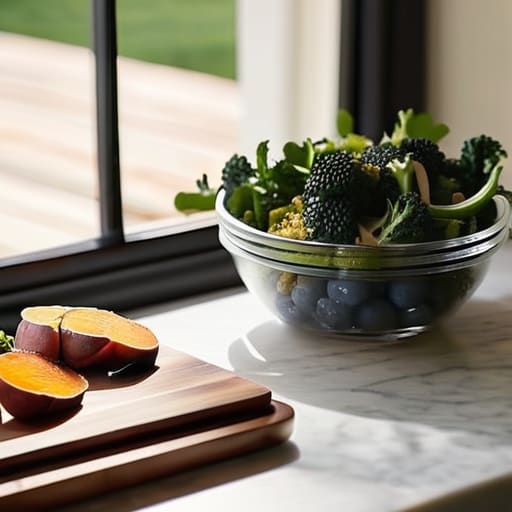
If you’re like me, the last thing you want to do after a long day of troubleshooting systems is stand over a stove for forty minutes. The beauty of a sheet pan meal is the minimal cleanup; you throw some protein, like salmon or chicken thighs, onto a tray with chopped veggies, drizzle some olive oil, and let the oven do the heavy lifting. It’s a low-friction way to get a decent meal on the table without a mountain of dishes waiting for you later.

One-Pot Pesto Pasta

Creamy One-Pot Pesto Pasta with peas.

I’ve learned that the more pots I use, the more mental clutter I create in my kitchen. This pesto pasta recipe is my go-to because it’s basically fail-proof. You boil your pasta, and in the last three minutes, you toss in some frozen peas or baby spinach. Drain it, stir in a high-quality jarred pesto, and maybe some parmesan, and you’re done.

The Rotisserie Chicken Hack

Using The Rotisserie Chicken Hack for meals.

Let’s be real: sometimes the most efficient system is the one someone else already built. Picking up a rotisserie chicken from the grocery store is a strategic move for any busy week. It’s pre-cooked, relatively cheap, and provides a massive head start on several different meals throughout the week.

Breakfast for Dinner

Quick breakfast for dinner with eggs.

There are nights when my brain is so fried that even following a basic recipe feels like too much. In those moments, I pivot to breakfast. Scrambled eggs, avocado toast, or even a simple omelet take less than ten minutes to execute and require almost zero cognitive load.

Loaded Quesadillas

Quesadillas are the ultimate “low-effort, high-reward” meal. They are incredibly versatile and allow you to use up whatever random bits of food are lingering in your fridge. A bit of cheese, some black beans, and maybe some leftover peppers, and you have a solid, filling meal that takes about five minutes on a skillet.

Slow Cooker Chili

If you have the foresight to prep in the morning, the slow cooker is your best friend. I like to dump ground meat, canned beans, crushed tomatoes, and chili spices into the pot before I head out for the day. By the time I’m closing my laptop, the house smells amazing and dinner is already finished.

Stir-Fry Speedrun

Stir-fry is all about the assembly line. If you have a bag of frozen stir-fry veggies and some pre-sliced beef or tofu, you can have a meal ready in under fifteen minutes. It’s a high-heat, fast-paced way to get a lot of nutrients into your system without a long-term commitment to the kitchen.

Mediterranean Grain Bowls

These bowls are my favorite way to meal prep because they don’t require reheating, which makes them perfect for those days when I’m working late. You start with a base of quinoa or farro, add some cucumber, feta, olives, and a protein, and you have a structured, delicious meal that feels much fancier than it actually is.

## The Efficiency of the Plate

“A good dinner recipe isn’t about culinary artistry; it’s about reducing the cognitive load of a long day so you can actually enjoy your evening instead of just surviving it.”

Nathaniel 'Nate' Brooks

Cutting the Kitchen Chaos

At the end of the day, these eight recipes aren’t about becoming a gourmet chef or mastering complex culinary techniques. They are about reducing decision fatigue when your brain is already fried from a long day of work. Whether you’re leaning on a sheet-pan salmon for minimal cleanup or throwing together a quick pasta when the fridge looks empty, the goal is the same: getting a decent meal on the table without the mental overhead. By keeping these specific staples in your rotation, you stop treating dinner like a high-stakes problem to be solved and start treating it like a simple, repeatable system that just works.

I know how it feels to stare at a pantry and feel that sudden wave of exhaustion, but remember that you don’t need a perfect kitchen or an hour of free time to eat well. We aren’t aiming for a Michelin star here; we are just aiming to stop the chaos from dictating our evenings. Once you automate these small decisions, you reclaim that mental space for things that actually matter—like finally relaxing on the couch or actually enjoying a conversation with your family. Pick one recipe from this list to try tonight, get the win, and let the rest of the week unfold a little more smoothly.

Frequently Asked Questions

How can I keep these meals from feeling like "same-old, same-old" if I'm cooking them every week?

The trick isn’t changing the base recipe; it’s about modularity. Think of these meals as frameworks rather than rigid rules. One week, a sheet-pan chicken is Mediterranean with feta and olives; the next, it’s Mexican-inspired with lime and cumin. Keep a “flavor kit” in your pantry—spices, acids, and oils—that lets you pivot the profile without adding extra prep time. Small tweaks to the seasoning keep the routine from feeling like a chore.

What are your go-to pantry staples that can turn a basic recipe into something better with zero extra effort?

I’m a big believer in building a “buffer” in your pantry so you’re never caught off guard. For me, it’s all about high-impact, low-effort flavor. I always keep smoked paprika, soy sauce, and high-quality olive oil on hand. If a dish feels flat, a splash of acid from a jar of pickled jalapeños or some red pepper flakes usually fixes the friction. It’s about having the right tools to upgrade a meal instantly.

I’m usually cleaning up a massive mess after cooking; are there ways to make these even lower-maintenance?

The mess is usually where the friction starts, and honestly, that’s where most people give up on cooking altogether. To keep things low-maintenance, I follow two rules: one-pan only and “clean as you go.” If you’re waiting for the pasta to boil, wash the cutting board then. Also, invest in high-quality parchment paper or silicone mats for your baking sheets. It turns a scrubbing session into a simple toss-in-the-trash moment.

How do I meal prep these without everything turning into a soggy, unappealing mess by Wednesday?

The “soggy mess” is the death of any good system. To avoid it, stop treating meal prep like a single event and start treating it like an assembly line. Keep your sauces and dressings in separate small containers—don’t commit them to the greens or grains until you’re actually eating. Also, let your hot components cool completely before sealing the lids. If you trap steam in that Tupperware, you’re basically building a sauna for your leftovers.

Posted on

How to Master Meal Planning and End Dinnertime Indecision

Guide on how to meal plan effectively.

I remember standing in my kitchen at 6:30 PM three years ago, staring blankly into a fridge full of half-used condiments and wilted spinach, feeling that familiar, heavy knot of decision fatigue in my chest. I was exhausted from work, my brain was fried, and the thought of figuring out how to meal plan felt like another unpaid project on my to-do list. I ended up ordering expensive takeout—again—and watching my weekly budget vanish into a delivery app. It wasn’t a lack of willpower; it was a system failure.
I’m not here to sell you on some aesthetic, Pinterest-perfect lifestyle involving glass containers and five-hour Sunday prep sessions that leave you too tired to actually enjoy your life. Instead, I want to show you how to build a lean, functional framework that works with your actual schedule, not against it. We’re going to focus on eliminating friction and reducing wasted money through small, repeatable adjustments. My goal is to help you master the logistics of your kitchen so you can stop stressing about dinner and start reclaiming your evenings.

Table of Contents

Simple Meal Prep for Beginners Who Hate Complexity

Simple Meal Prep for Beginners Who Hate Complexity

If you’re anything like me, the idea of spending six hours in a kitchen on a Sunday afternoon, surrounded by Tupperware and crying over chopped onions, sounds like a special kind of hell. I used to think meal prep meant being a Pinterest-perfect chef with perfectly color-coded containers. It’s not. For most of us, the goal isn’t gourmet plating; it’s just making sure we don’t end up ordering expensive, greasy takeout because we’re too tired to think. The secret is to embrace batch cooking strategies that focus on components rather than complete, rigid recipes.

Instead of cooking five different meals, just cook a few versatile building blocks. Roast two trays of mixed vegetables, boil a big pot of grains, and grill a couple of pounds of protein. When you have these “modules” ready in the fridge, you can assemble a bowl in three minutes. This approach is the backbone of budget friendly meal planning because it eliminates the guesswork and the impulse buys. You aren’t building a complicated menu; you’re just building an inventory of ingredients that make your weekday self much more efficient.

Small Tweaks to Master Your Grocery List Organization

Small Tweaks to Master Your Grocery List Organization

The biggest mistake I see people make is treating their grocery list like a random scratchpad. If you’re walking through the aisles jumping from the produce section to the dairy aisle and back again, you’re wasting time and willpower. I’ve found that the most efficient way to handle grocery list organization is to map your list to the physical layout of your local store. Group your items by department—produce, proteins, pantry, frozen—before you even leave the house. It sounds like overkill, but it turns a chaotic forty-minute trek into a streamlined, ten-minute loop.

Another tweak that saved my sanity is the “inventory check” phase. Before you finalize anything, spend two minutes looking in your fridge and pantry. There is nothing more frustrating than buying a third jar of cumin when you already have two hiding in the back. This simple habit is one of the best budget friendly meal planning hacks I’ve ever used; it stops the unnecessary spending that happens when we double up on stuff we already own. Once your list is organized by aisle and verified against your current stock, the actual shopping becomes a mindless, efficient task rather than a source of decision fatigue.

Five Low-Friction Hacks to Keep Your System Running

Five Low-Friction Hacks to Keep Your System Running
  • Audit your pantry before you shop. There is nothing more frustrating than buying a second jar of cumin or a fresh bag of rice when you already have three hiding in the back of the cupboard. I make it a rule to do a quick “inventory scan” before I even touch my grocery list; it prevents waste and keeps my budget from leaking.
  • Build a “Formulaic Menu” for your busiest nights. You don’t need a new recipe every Tuesday. Pick three reliable frameworks—like “Grain Bowl,” “Sheet Pan Protein,” or “Taco Night”—and just rotate the flavors. It removes the decision fatigue that usually leads to expensive, unhealthy takeout orders.
  • Shop your seasonal produce to save money. I’ve realized that trying to force a specific meal plan that relies on out-of-season ingredients is a recipe for a high grocery bill and mediocre flavor. If berries are expensive and tasteless in February, pivot the plan to something using citrus or root vegetables. Work with the market, not against it.
  • Embrace the “Cook Once, Eat Twice” rule. I never cook just one portion of a protein. If I’m roasting chicken on Sunday, I’m roasting enough to shred for salads or wraps on Tuesday. It’s not about spending your entire Sunday in the kitchen; it’s about making the work you already do go further.
  • Keep a “Digital Win List” of meals you actually enjoyed. We all have those recipes we try once, hate, and then realize we spent $40 on ingredients for nothing. I keep a simple note in my phone of the meals that were easy, cheap, and actually tasted good. When I’m feeling burnt out and don’t want to think, I just scroll through that list.

The Philosophy of the System

“Meal planning isn’t about becoming a gourmet chef on a Sunday afternoon; it’s about building a system that protects your time and your sanity when Tuesday hits and you’re too exhausted to think.”

Nathaniel 'Nate' Brooks

The Path to Less Friction

The Path to Less Friction meal planning.

At the end of the day, meal planning isn’t about becoming a gourmet chef or spending your entire Sunday hunched over Tupperware. It’s about the systems we’ve discussed: keeping your prep simple enough that you actually stick to it, and organizing your grocery list so you aren’t wandering aimlessly through the aisles. When you stop treating every single meal like a brand-new decision, you stop the constant mental drain that comes with decision fatigue. You’ve gone from reacting to hunger to proactively managing your resources, and honestly, that’s where the real win is.

I know it feels like just another chore on an already overflowing to-do list, but I promise you, the payoff is worth the initial setup. Don’t feel like you need to overhaul your entire kitchen overnight; just pick one small system and run with it. Perfection is a trap that leads to burnout, so just aim for consistency over complexity. Once you get these small gears turning, you’ll find you have more time, more money, and significantly less stress. Now, go reclaim your evenings and stop wrestling with the chaos.

Frequently Asked Questions

How do I meal plan if my schedule changes every single week?

The mistake most people make is trying to plan specific meals for specific days. If your schedule is a moving target, stop building rigid calendars. Instead, build a “modular pantry.” Plan by components, not recipes. Prep a batch of protein, a grain, and a roasted veggie. If Tuesday turns into a late night, you’ve got a quick bowl ready. If Wednesday is free, you can cook something fresh. Plan for flexibility, not a fixed schedule.

Is it actually worth the time to prep everything on Sunday, or should I just prep components?

Look, if you try to prep full, identical meals every Sunday, you’re going to burn out by week three. It’s too rigid. I’ve found that prepping components—think a big batch of roasted chicken, a tray of seasoned veggies, and a pot of grains—is much more efficient. It gives you the flexibility to mix and match throughout the week so you don’t feel like you’re eating the exact same Tupperware nightmare every single night.

How do I stop the "food fatigue" that happens when I eat the same three meals for five days straight?

The problem isn’t the meals; it’s the lack of modularity. I used to hit that wall every Thursday. The fix is “component prepping” instead of “meal prepping.” Don’t cook five identical chicken bowls. Instead, prep two proteins, two grains, and a tray of roasted veggies. By swapping the sauces—taco seasoning one night, soy ginger the next—you’re eating different flavors using the same base components. It cuts the work but kills the boredom.

What’s the best way to handle leftovers so they don't just end up rotting in the back of the fridge?

The “mystery container” graveyard in the back of your fridge is a symptom of a bad system. To fix it, I use a “First In, First Out” rule, but with a visual tweak: I keep a small dry-erase marker in the fridge drawer. Label every container with the date and what it is. If it’s been there more than three days, it’s either lunch tomorrow or it’s going in the bin. No excuses.

Posted on

Low-mess One-pot Meals for Easy Cleanup

Quick and easy one pot meals.

I’ve spent a significant portion of my life trying to optimize everything from my workflow to my morning routine, but nothing drains my mental battery quite like a kitchen full of dirty dishes. There is a specific kind of mid-week exhaustion that hits when you realize you have to cook something decent, but the thought of scrubbing three different pans and a colander feels like a full-time job. We all want a real meal, but we don’t want to spend our entire evening playing catch-up with the sink. That’s where finding reliable, easy one pot meals becomes a total game-changer for your sanity.
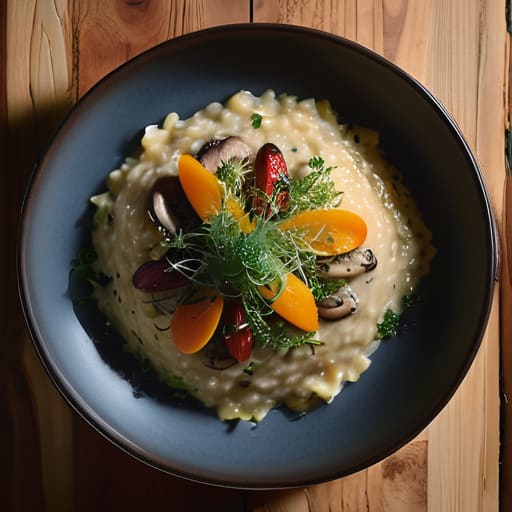
In this guide, I’m stripping away the complexity and giving you eight of my personal go-to recipes that actually deliver on flavor without the logistical nightmare. These aren’t just random ideas; they are the specific, streamlined systems I use to ensure I’m eating well even when my schedule is falling apart. You’re going to learn how to leverage single-vessel cooking to reclaim your time and eliminate the friction of weeknight dinners. Let’s get into it.

Table of Contents

The Sunday Night Sausage and Pepper Bake

The Sunday Night Sausage and Pepper Bake.

If you’re staring at a fridge full of random vegetables and feeling that low-level dread about meal prep, this is your solution. I love this because it’s essentially a set-it-and-forget-it system for your oven. You just toss sliced Italian sausages, bell peppers, and onions onto a sheet pan with some olive oil and dried oregano, then let the heat do the heavy lifting.

One-Pot Creamy Garlic Pasta

One-Pot Creamy Garlic Pasta in a pan.

I used to think you needed a separate pot for boiling water and a pan for the sauce, but that’s just adding unnecessary complexity to your kitchen workflow. By cooking the pasta directly in a mixture of chicken broth and a little cream, the starch from the noodles stays in the pan, creating a naturally velvety sauce that you just can’t replicate with the traditional method.

Red Lentil Dahl for Low-Energy Days

Red Lentil Dahl for Low-Energy Days.

There are days when my brain is too fried to even think about chopping onions, and that’s when I turn to red lentils. They are the ultimate “system” food because they cook incredibly fast and don’t require the soaking time that other legumes demand. You just simmer them with coconut milk, turmeric, and cumin until they break down into a comforting, thick consistency.

Beef and Broccoli Skillet

Beef and Broccoli Skillet in heavy pan.

This is my go-to when I want something that feels substantial but doesn’t require a multi-step recipe. You sear your thin strips of beef in a heavy skillet, toss in a bag of frozen broccoli florets, and finish it with a quick splash of soy sauce and ginger. Using frozen veggies isn’t “cheating”—it’s an optimization tactic that saves you from prep work and reduces food waste.

The Ultimate Shakshuka

Most people think of Shakshuka as a breakfast thing, but I’ve found it’s the perfect “emergency” dinner. It’s essentially just poaching eggs in a simmering tomato and pepper sauce, and it’s incredibly forgiving. If your pantry is looking a bit bare, you can easily swap out ingredients—add some feta if you have it, or toss in some chickpeas to increase the protein density.

Sheet Pan Lemon Herb Chicken

When I’m meal prepping for the week, I lean heavily on the sheet pan method for protein. I lay out chicken thighs, halved baby potatoes, and green beans, season them all with the same lemon-herb blend, and roast them together. The juices from the chicken season the vegetables as they cook, creating a cohesive flavor profile without any extra steps.

Skillet Chili with Ground Turkey

Chili is the king of batch cooking, and doing it in a single skillet keeps the process moving quickly. I prefer using ground turkey because it cooks faster than beef and feels a bit lighter, which helps avoid that mid-afternoon slump the next day. You just brown the meat, dump in your canned beans and crushed tomatoes, and let it simmer while you decompress from work.

One-Pan Shrimp Scampi

If you have fifteen minutes and a bag of frozen shrimp, you have a gourmet meal. I cook the shrimp in a pan with plenty of garlic, butter, and a splash of white wine or lemon juice, then toss the cooked pasta right into that same pan. The residual heat and the sauce combine to create a seamlessly integrated dish that tastes much more complex than it actually is.

The Philosophy of the Single Pot

“A good one-pot meal isn’t just about cutting down on dishes; it’s about reducing the cognitive load of a Tuesday night. When you minimize the moving parts in the kitchen, you reclaim the mental bandwidth you need to actually enjoy your evening.”

Nathaniel 'Nate' Brooks

Efficiency on a Plate

At the end of the day, these eight meals aren’t just about getting food into your system; they are about reducing the cognitive load that comes with deciding what to eat every single night. Whether you’re leaning into a hearty chili to prep for the week or whipping up a quick sheet-pan salmon, the goal remains the same: minimizing the mess and maximizing your downtime. By shifting your focus toward these one-pot systems, you’re essentially automating the most tedious part of your evening. You stop fighting the kitchen and start actually enjoying the meal, which is a massive win for your mental bandwidth.

Look, I know it’s tempting to think that a “better” life requires a gourmet kitchen and hours of prep work, but that’s a recipe for burnout. Real optimization happens in the small, repeatable choices we make when we’re tired and hungry. Don’t feel like you have to master all eight of these recipes by next Tuesday. Just pick one, test the system, and see how much time you claw back for yourself. Life is far too short to spend it scrubbing a mountain of pots and pans when you could be recharging or relaxing. Let’s just focus on making the next meal a little bit easier.

Frequently Asked Questions

How do I make sure my one-pot meals don't turn into a mushy, overcooked mess?

The “mush factor” usually happens because you’re treating every ingredient like it has the same structural integrity. You can’t throw delicate spinach and hearty potatoes into the pot at the same time. I follow a strict layering system: start with your aromatics and hard veggies, then add your proteins, and save the greens or soft starches for the final five minutes. Control the timing, and you control the texture.

Is it actually possible to get enough protein in a single-pot meal without it feeling heavy?

It’s absolutely possible, but you have to stop thinking about protein as just “meat and potatoes.” If you lean too hard on heavy fats or massive portions of starch, you’re going to feel like a lead weight by 8:00 PM. The trick is to use lean proteins—think lentils, shrimp, or ground turkey—and pair them with high-volume, low-density veggies. It’s about optimizing the nutrient density without overloading the calorie count.

Can I prep these ingredients ahead of time, or am I still stuck chopping everything right before I cook?

Look, if you’re asking this, you’re already thinking like a systems analyst—and I love that. Don’t wait until the pan is hot to start hacking away at onions. Prep your aromatics, veggies, and proteins as soon as you get home from the store. Store them in airtight containers (dark mode for your fridge, if you will) so that when dinner time hits, you’re just dumping and stirring, not frantically chopping while something burns.

What’s the best way to clean a heavy pot if the sauce or starch gets stuck to the bottom?

Don’t reach for the steel wool just yet; you’ll ruin the finish. The most efficient way to handle stuck-on starch is the “simmer method.” Pour enough water into the pot to cover the mess, add a generous pinch of baking soda, and bring it to a gentle simmer. Let it sit for ten minutes. The heat and alkalinity will break those bonds, letting you wipe the residue away with zero friction.

Posted on

Vegetarian Dishes That Even Meat-eaters Will Devour

Delicious easy vegetarian recipes for everyone.

I used to think that eating vegetarian meant spending my entire Sunday afternoon prepping complex grain bowls or wrestling with ingredients that felt like a second job. Between a demanding career in systems analysis and trying to maintain some semblance of a social life, the last thing I want to do after a long day is navigate a recipe that requires twenty different spices and an hour of chopping. We often fall into the trap of thinking healthy eating has to be a massive logistical undertaking, but that’s just bad design. I’ve spent way too much time overcomplicating my kitchen routine, and frankly, I’m done with it. I’ve realized that finding easy vegetarian recipes isn’t about following some strict dietary dogma; it’s about finding high-yield, low-friction meals that actually fuel you.
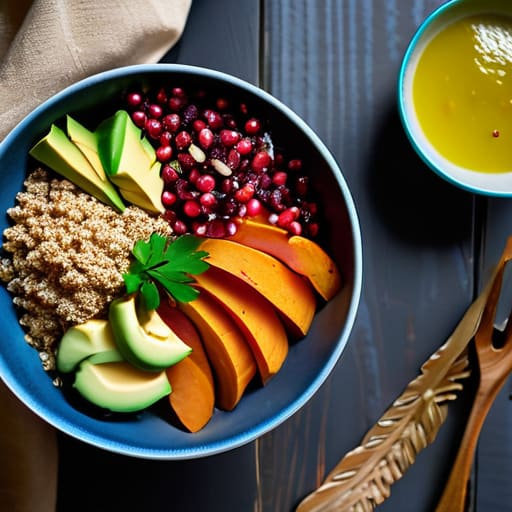
In this guide, I’m stripping away the fluff and sharing eight of my personal go-to meals that prioritize efficiency without sacrificing flavor. These aren’t just random ideas; they are tested, streamlined solutions designed to help you reclaim your evening. Whether you’re looking to save money, reduce waste, or just stop staring blankly at the fridge at 6:00 PM, these eight picks will help you optimize your dinner routine once and for all.

Table of Contents

The One-Pan Chickpea Shakshuka

The One-Pan Chickpea Shakshuka in skillet.

When I’m staring at a fridge that looks like a desert, this is my go-to. It’s basically just simmering canned chickpeas in a spiced tomato sauce and cracking a few eggs right on top. I love it because it minimizes the cleanup friction; you use one pan, you eat from the pan, and you’re done. It’s the ultimate low-effort, high-reward meal for those nights when your brain is too fried to follow a complex recipe.

Sheet Pan Roasted Veggie Medley

Sheet Pan Roasted Veggie Medley photograph.

If you want to optimize your nutrition without actually “cooking,” sheet pan roasting is the answer. I grab whatever is on sale—sweet potatoes, broccoli, bell peppers, maybe some red onion—toss them in olive oil and salt, and let the oven do the heavy lifting. It’s a set-it-and-forget-it system that works every single time.

Black Bean and Avocado Tostadas

Black Bean and Avocado Tostadas on shells.

These are my “emergency” dinners for when I’ve had a particularly brutal day at the office. There is zero actual cooking involved if you use pre-made tostada shells. You just mash some canned black beans with a little lime juice and cumin, spread them on the shell, and pile on some sliced avocado. It’s a minimalist approach to a meal that still feels substantial.

Red Lentil Dahl

Creamy one-pot Red Lentil Dahl.

I used to think lentils were a chore, but red lentils are a total game-changer for anyone who values efficiency. Unlike other legumes, they break down quickly, turning into a thick, comforting porridge without needing a pressure cooker. It’s a one-pot powerhouse that stays good in the fridge for days, making it perfect for meal prepping.

Pesto Pasta with Blistered Tomatoes

We’ve all been there: it’s 7:00 PM, you’re hungry, and the thought of chopping an onion feels like an insurmountable task. This is where high-quality, store-bought pesto saves your life. While your pasta is boiling, you just toss some cherry tomatoes into a pan with a little oil until they burst and release their juices.

Halloumi and Roasted Pepper Wraps

Halloumi is my secret weapon for adding “meatiness” to vegetarian dishes without the hassle of processing plant-based substitutes. It has a high melting point, so you can pan-fry it until it’s golden and squeaky without it turning into a puddle. I wrap it in a warm tortilla with some jarred roasted red peppers and a smear of hummus.

Caprese Quinoa Bowls

I lean on quinoa when I need a high-protein meal that doesn’t require me to monitor a stovetop for twenty minutes. It’s much more forgiving than rice and has a much better shelf life in the fridge. For a Caprese twist, I just mix the cooked quinoa with cherry tomatoes, fresh mozzarella pearls, and a drizzle of balsamic glaze.

Sweet Potato and Black Bean Quesadillas

This is the ultimate way to use up those leftover roasted sweet potatoes sitting in your fridge. Mash them slightly so they act as a “glue” for the black beans and cheese inside the tortilla. It’s a low-friction way to turn leftovers into a completely different, delicious meal.

The Philosophy of the Plate

“I don’t care about gourmet plating or complex culinary gymnastics; I care about systems that work. A good vegetarian meal should be like a well-written script—minimal overhead, high efficiency, and enough substance to keep you running without the mid-afternoon crash.”

Nathaniel 'Nate' Brooks

Streamlining Your Meatless Evenings

At the end of the day, these recipes aren’t about achieving some impossible standard of culinary perfection or following a strict dietary dogma. They are simply tools to help you reduce decision fatigue during those high-friction hours between finishing work and finally sitting down to relax. Whether you’re leaning on a one-pot lentil stew to save on cleanup or utilizing a quick chickpea stir-fry to reclaim your evening, the goal is the same: getting nutritious food on the table without the mental overhead of a complex production line. By keeping a few of these staples in your rotation, you turn mealtime from a chaotic chore into a predictable, manageable system.

I’ve spent a lot of my life trying to optimize every minute, but I’ve learned that the best systems are the ones that actually leave you with room to breathe. Don’t feel like you have to master all eight of these dishes by next Tuesday. Just pick one, add it to your weekly spreadsheet, and see how it feels. The real win isn’t just eating more vegetables; it’s about eliminating the friction that makes healthy living feel like a second job. We aren’t aiming for a gourmet transformation here—we’re just aiming for better, simpler days.

Frequently Asked Questions

How can I make sure I'm actually getting enough protein without constantly eating beans?

Look, I get it. If I had to eat another bowl of lentils to hit my macros, I’d probably stage a protest. To keep protein high without the bean fatigue, diversify your sources. Lean on Greek yogurt, cottage cheese, or eggs for breakfast. For lunch and dinner, integrate tofu, tempeh, or even seitan—which is a total game-changer for texture. If you’re really pressed for time, a clean pea protein shake is a solid, low-friction way to fill the gap.

What are some ways to meal prep these recipes so they don't taste like leftovers by Wednesday?

The secret is decoupling your components. Don’t mix everything into one giant, soggy container on Sunday. Instead, prep your grains, roasted veggies, and proteins separately. Keep your sauces in small, airtight jars and add them right before eating. If a recipe involves greens, keep them in a separate bag so they stay crisp. It’s a bit more washing up, but it’s the only way to ensure Wednesday’s dinner doesn’t feel like a chore.

Are there specific pantry staples I should keep on hand to make these even faster?

To make these even faster, you need to treat your pantry like a well-optimized database. Keep a rotation of canned beans (chickpeas and black beans are non-negotiable), quick-cooking grains like couscous or quinoa, and jarred marinara. I also swear by high-quality vegetable bouillon and nutritional yeast—they add instant depth without the prep work. If you have these on hand, you’ve already cleared half the friction of starting a meal.

How do I keep my grocery bill from spiking when I switch to more plant-based ingredients?

The trick is to stop buying “fake meat” as your primary protein. Those processed, plant-based patties are expensive and high-friction. Instead, lean into the heavy hitters: dried lentils, chickpeas, and black beans. They cost pennies per serving and have an indefinite shelf life. I treat my pantry like a system—keep the staples stocked so you aren’t impulse-buying expensive meat alternatives when you’re tired. Focus on whole foods, and the savings will follow.

Posted on

Better Lunch Ideas Than a Boring Desk Salad

Healthy and quick lunch ideas.

We’ve all been there: it’s 12:30 PM, your stomach is growling, and you realize you have zero plan for food. You either end up staring blankly into a half-empty fridge or, even worse, falling into the expensive trap of ordering delivery that arrives late and leaves you feeling sluggish by 3:00 PM. I used to let these midday decision loops drain my mental energy, but I eventually realized that finding reliable quick lunch ideas isn’t just about eating; it’s about protecting your productivity. When your fuel system is broken, your entire afternoon tends to spiral into chaos.
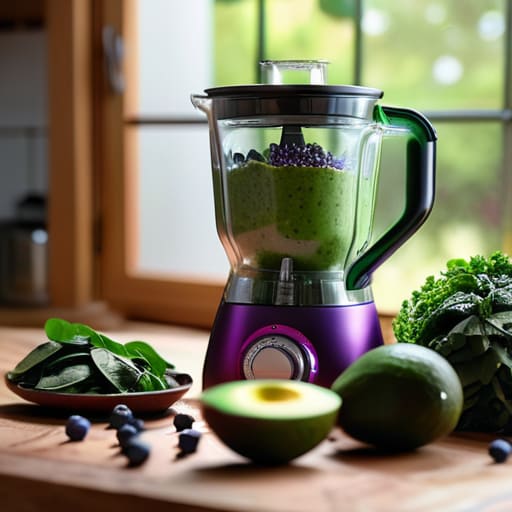
I’ve spent a lot of time refining my own midday routine to eliminate that friction, and I want to share the results with you. In this guide, I’m breaking down eight specific, streamlined options that prioritize efficiency without sacrificing actual flavor. We aren’t talking about complicated recipes that require a culinary degree; we are looking for low-effort, high-yield meals that you can assemble in minutes. By the end of this list, you’ll have a repeatable system to keep you fed and focused, so you can stop wrestling with your lunch and get back to what actually matters.

Table of Contents

The Adult Lunchable Upgrade

The Adult Lunchable Upgrade snack tray.

Look, I’m not judging if you grew up on those plastic snack trays, but if you’re going to do the “charcuterie for one” thing, you need to do it with some intention. Instead of processed crackers and mystery cheese, grab some high-quality sourdough, sharp cheddar, and a handful of almonds. It’s all about minimizing prep time while maximizing the actual nutritional value you’re getting.

The "One-Bowl" Grain Powerhouse

The "One-Bowl" Grain Powerhouse lunch bowl.

If you’re someone who hits a wall around 3:00 PM, your lunch is likely the culprit. I’ve found that relying on heavy sandwiches often leads to a massive energy crash. Instead, I lean heavily on a base of quinoa or farro that I prep in a big batch on Sunday. You just toss in some canned chickpeas, cucumber, and a drizzle of olive oil, and you’ve got a sustained energy source that won’t leave you face-down on your keyboard.

The High-Protein Wrap Strategy

The High-Protein Wrap Strategy lunch idea.

Wraps are the unsung heroes of the efficient lunch. They are compact, portable, and far more versatile than a standard sandwich. I usually go for large whole-wheat tortillas and load them with rotisserie chicken—which, by the way, is the ultimate productivity hack for anyone who hates cooking. It’s pre-cooked, seasoned, and ready to go.

Cold Soba Noodle Salads

Fresh Cold Soba Noodle Salads with vegetables.

When the weather gets warm or you just don’t want a heavy meal, cold noodle salads are a lifesaver. Soba noodles cook incredibly fast, and they hold up much better in the fridge than traditional pasta. I like to mix them with edamame, shredded carrots, and a ginger-soy dressing. It feels intentional and fresh rather than just something you threw together to survive.

The Mason Jar Salad Method

The Mason Jar Salad Method

If you’ve ever opened a salad container only to find a wilted, sad mess of lettuce, you know the pain. The Mason jar method is the only way to solve this. You layer your dressing at the bottom, followed by the heavy stuff like cucumbers or chickpeas, and keep the delicate greens at the very top. This physical separation keeps everything crisp until the moment you’re ready to shake it up and eat.

Loaded Avocado Toast 2.0

We need to talk about avocado toast, but let’s move past the basic version. If you’re going to use this as a meal, you need to add some substance to it so you aren’t hungry again in an hour. I like to top mine with a soft-boiled egg and some hemp seeds. It’s a dense nutritional profile that fits perfectly into a busy workday.

The Mediterranean Tuna Plate

Canned tuna gets a bad rap for being boring, but it’s actually one of the most efficient protein sources available. Skip the heavy mayo-based tuna salad and try a Mediterranean style instead. Mix your tuna with some feta, olives, and cherry tomatoes. It’s bright, flavorful, and incredibly fast to put together.

Sheet Pan Veggie & Sausage Roast

This is my go-to for when I actually have a little bit of time on a Sunday to set my future self up for success. You toss some sliced sausages, bell peppers, and onions on a sheet pan with some olive oil and spices, and let the oven do the heavy lifting. Once it’s done, you’ve got enough for three or four meals that reheat beautifully.

The Philosophy of the Midday Meal

“A lunch shouldn’t be a logistical hurdle or a nutritional afterthought; it’s just fuel meant to bridge the gap between your morning momentum and your afternoon output. If it takes more than ten minutes to assemble or leaves you feeling sluggish by 2:00 PM, your system is broken.”

Nathaniel 'Nate' Brooks

Streamlining Your Midday Routine

At the end of the day, the goal isn’t to become a gourmet chef between meetings; it’s about building a sustainable system that prevents the dreaded afternoon slump. Whether you’re leaning on the simplicity of a high-protein grain bowl, the speed of a classic wrap, or the sheer efficiency of meal-prepped leftovers, the common thread is removing decision fatigue. By keeping a few of these reliable, low-effort staples in your rotation, you stop treating lunch as a chaotic problem to solve and start treating it as a recharge period that fuels the rest of your work.

I spent far too many years letting my midday nutrition fall apart, usually resulting in expensive, heavy takeout that left me feeling sluggish and unproductive. I realized that small, intentional shifts in how I approach my meal prep can save more than just money—they save my mental energy. Don’t feel like you need to overhaul your entire kitchen or master complex recipes overnight. Just pick one or two of these ideas, integrate them into your weekly workflow, and focus on consistent progress over perfection. You’re not just eating; you’re optimizing your day.

Frequently Asked Questions

How do I prep these meals on a Sunday without spending my entire afternoon in the kitchen?

Look, I’ve spent way too many Sundays staring at a mountain of Tupperware feeling defeated. The trick isn’t cooking everything from scratch; it’s component prepping. Don’t make full meals. Instead, roast a big batch of protein, boil some grains, and chop your veggies all at once. Treat them like building blocks. You can mix and match them in five minutes during the week, saving your brainpower for things that actually matter.

What are some ways to keep these quick lunches from getting boring after a few days?

The trick is to treat your lunch base like a modular system. Don’t prep a finished meal; prep components. If you’ve got roasted chicken and quinoa, change the flavor profile every day using different “add-on” modules. Monday is lemon and feta; Tuesday is spicy sriracha mayo; Wednesday is a balsamic glaze. By swapping out small, high-impact condiments or textures, you reset your palate without adding any real friction to your workflow.

Are there specific ways to meal prep these so they actually stay fresh in the fridge until Friday?

The secret isn’t just what you pack, but how you layer it. I live by the “wet-to-dry” rule: keep dressings, sauces, or anything juicy at the very bottom of the container, then layer your proteins, then your hearty grains, and save the greens for the very top. This prevents that dreaded “soggy salad” syndrome. Also, invest in decent glass containers; they seal tighter and keep things much fresher than cheap plastic.

How can I keep my lunch costs down while still sticking to these streamlined options?

Look, efficiency isn’t just about time; it’s about not bleeding money through small, mindless transactions. My rule is simple: stop treating lunch like a daily decision. Buy your staples—grains, proteins, canned beans—in bulk. If you’re buying pre-cut veggies or individual snack packs, you’re paying a massive “convenience tax.” Batch-prep your components on Sunday night. When the ingredients are already in your fridge, you’ll actually use them instead of hitting the expensive takeout app.

Posted on

The Secret to Making Smoothies That Are Truly Nutritious

Nutritious tips on how to make a smoothie.

Look, I’m going to be blunt: most of the advice you find online about how to make a smoothie is a total waste of time and money. You don’t need a $600 high-speed blender, a subscription to a boutique superfood brand, or a fifteen-step recipe that requires ingredients you can’t find at a normal grocery store. I spent way too many mornings in my mid-twenties staring at a pile of expensive, half-used powders and a sink full of dishes, feeling like I was failing at being healthy just because I couldn’t follow a complex ritual. It’s not a lifestyle overhaul; it’s just breakfast.
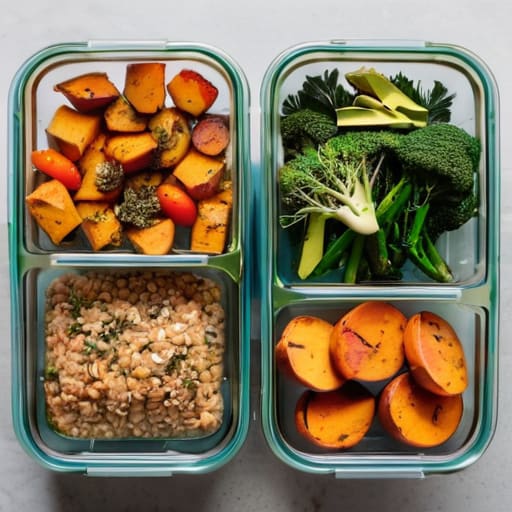
I’m not here to sell you on a wellness cult. My goal is to give you a systematic approach to building a drink that actually tastes good and fits into a busy schedule without adding friction to your morning. I’ll show you how to balance flavors, manage textures, and prep your ingredients so you can stop overthinking and start drinking. We’re stripping away the fluff to focus on efficiency and results.

Table of Contents

Selecting the Best Blender for Smoothies Without Wasting Money

Selecting the Best Blender for Smoothies Without Wasting Money

Look, you don’t need a $600 professional-grade blender sitting on your counter to get a decent drink. I spent way too much of my early twenties buying gear I didn’t need, thinking the price tag would magically fix my lack of discipline. Most of the time, you just need something with enough torque to handle ice and frozen produce without sounding like a jet engine taking off in your kitchen. When you’re hunting for the best blender for smoothies, look for high-speed motors and easy-to-clean components. If it’s a nightmare to scrub, you won’t use it, and that’s just wasted money.

The real secret to a great drink isn’t actually the machine, though; it’s how you use it to manage your smoothie texture tips. If you end up with a chunky, unappealing mess, it’s usually because your hardware can’t keep up with your ingredients. I always recommend a mid-range model that can handle the transition from liquid to solid seamlessly. Whether you’re adding protein to smoothies to fuel a workout or just trying to sneak some greens into your breakfast, the goal is consistency. Don’t overbuy for the sake of status; buy for the specific workflow you actually intend to follow.

Mastering Your Smoothie Base Ingredients for Maximum Efficiency

Once you’ve got the hardware sorted, the real friction starts in the kitchen. Most people fail because they treat their smoothie like a science experiment every single morning, weighing out powders and chopping kale at 7:00 AM. That’s a recipe for burnout. To keep this efficient, you need to standardize your smoothie base ingredients. I’ve found that the most streamlined approach is to prep “smoothie packs” on Sunday. Throw your greens, seeds, and fruit into individual silicone bags and keep them in the freezer. When it’s time to go, you just dump the bag into the jar, add your liquid, and hit start.

The biggest variable you’ll face is consistency, specifically regarding frozen fruit vs fresh fruit. If you rely solely on fresh produce, you’re going to end up with a lukewarm, watery mess that feels more like juice than a meal. Using frozen fruit acts as your built-in ice, giving you that thick, creamy consistency without diluting the flavor. If you’re looking to turn your drink into a legitimate meal replacement, don’t forget about adding protein to smoothies via Greek yogurt or a clean scoop of whey. It stabilizes your blood sugar and ensures you aren’t crashing by mid-morning.

Five Small Tweaks to Streamline Your Smoothie Routine

Five Small Tweaks to Streamline Your Smoothie Routine
  • Stop washing the blender every single morning. If you’re just making a quick fruit blend, fill the pitcher halfway with warm water and a drop of dish soap, run it on high for thirty seconds, rinse, and you’re done. It saves five minutes and a lot of mental friction.
  • Use frozen fruit as your liquid’s replacement. I stopped using massive amounts of ice because it just dilutes the flavor and creates a grainy texture. Using frozen berries or mango chunks gives you that thick, creamy consistency without the watered-down mess.
  • Master the “Layering Logic” to save your motor. Always put your liquids in first, followed by powders, then solids, and your frozen items last. It prevents that annoying scenario where your blades are spinning in air while the heavy frozen stuff sits stuck at the top.
  • Batch-prep your “Smoothie Packs” on Sundays. Don’t hunt for ingredients at 7:00 AM when you’re half-asleep. Portion your fruit, greens, and seeds into reusable silicone bags. When it’s time to go, you just dump the bag in, add liquid, and hit start.
  • Don’t overthink the “superfoods.” You don’t need twenty different expensive powders to make this work. Pick one protein source and one green, and call it a day. Adding too many variables just makes the cleanup harder and the grocery bill unnecessary.

The Philosophy of the Pour

The Philosophy of the Pour photograph.

A smoothie shouldn’t be a culinary project; it’s a system. If you’re spending twenty minutes cleaning a mountain of dishes or hunting for a specific superfood, your system is broken. Aim for high-impact ingredients and low-friction cleanup so you can actually get out the door.

Nathaniel 'Nate' Brooks

Streamlining Your Morning Routine

Streamlining Your Morning Routine with efficient smoothies.

At the end of the day, making a great smoothie isn’t about following a complex recipe or owning a thousand-dollar piece of kitchen hardware. It’s about the system you build. You’ve learned how to pick a blender that actually does the job without draining your bank account, and you know how to prep your base ingredients so you aren’t standing in your kitchen at 7:00 AM staring blankly at a pile of kale. Once you have the right tools and a repeatable formula, the friction disappears. You aren’t “making breakfast” anymore; you’re simply executing a highly efficient process that fuels your body and keeps your morning on track.

Don’t get caught up trying to make the “perfect” smoothie every single time. If you try to optimize for every single micronutrient on day one, you’ll burn out and go back to grabbing a sugary pastry on your way out the door. Start simple, find a combination that works for your palate, and standardize the routine. The goal here isn’t culinary excellence—it’s about removing the decision fatigue that eats away at your mental energy. Get your nutrition sorted, get it done quickly, and get on with your life.

Frequently Asked Questions

How do I stop my smoothies from turning into a liquid mess that tastes like nothing?

The problem is usually your ratios. Most people treat a smoothie like a glass of juice, but if you want texture, you need structure. Stop drowning your ingredients in milk or water right away. Start with your frozen components—think frozen berries or banana chunks—and add your liquid slowly. If it’s too thin, add more frozen fruit or a spoonful of Greek yogurt. You want a thick, spoonable consistency, not a lukewarm soup.

Is it actually worth buying expensive protein powders, or can I get the same results with real food?

Look, unless you’re a competitive athlete with a hyper-specific macro target, most expensive protein powders are just overpriced convenience. If you have the time to meal prep, whole foods like Greek yogurt, eggs, or even a bit of hemp seed will always give you better nutrient density and satiety. I view powder as a tool for friction reduction—use it when you’re rushing between meetings, but don’t let it replace a real meal.

How can I prep my ingredients ahead of time so I'm not cleaning the kitchen every single morning?

The secret to a zero-friction morning is the “smoothie pack” method. On Sunday, portion out your greens, fruit, and seeds into reusable silicone bags or glass jars and keep them in the freezer. When you wake up, you aren’t chopping or measuring; you’re just dumping a single bag into the blender, adding liquid, and hitting start. It eliminates the morning clutter and keeps your counter clear of a mountain of dirty prep bowls.

What’s the best way to clean a blender without spending twenty minutes scrubbing every nook and cranny?

Stop wasting twenty minutes scrubbing blades. If you’ve just finished your smoothie, don’t let the residue dry. Fill the blender halfway with warm water, add a single drop of dish soap, and run it on high for thirty seconds. Rinse it out, and you’re done. It’s a simple system that eliminates the friction of cleanup so you can actually get on with your day. Efficiency over effort, every single time.

Posted on

Meal Prep Strategies for a Healthier Week

Healthy meal prep ideas for the week.

I used to spend my Sunday nights staring at a fridge full of random ingredients, feeling that familiar knot of dread about Monday morning. We’ve all been there: you start the week with the best intentions, but by Wednesday, you’re staring at a takeout menu because your “system” for eating well completely collapsed. The problem isn’t your willpower; it’s that your approach is too rigid. Most people treat cooking like a chore instead of a process, and that’s where the friction starts. I realized that finding sustainable healthy meal prep ideas isn’t about becoming a gourmet chef overnight; it’s about eliminating the decision fatigue that drains your energy before the work week even begins.
In this guide, I’m stripping away the fluff and giving you eight practical, low-friction strategies that actually work for a busy professional. I’m not talking about spending six hours in a kitchen or eating uninspired steamed broccoli every single day. Instead, I’ll show you how to build a modular system that keeps your food fresh, your budget intact, and your sanity preserved. By the end of this, you’ll have the tools to reclaim your time and turn your kitchen from a source of stress into a well-oiled machine.

Table of Contents

Master the Protein Batch

Master the Protein Batch for meal prep.

Most people fail at meal prep because they try to cook a specific, complex recipe for every single meal. That’s a recipe for burnout. Instead, I treat my Sunday prep like a systems update: I focus on bulk-cooking versatile proteins. Whether it’s two pounds of seasoned chicken thighs or a big batch of seasoned lentils, having a reliable protein base ready to go is the foundation of everything else.

The Grain Foundation

Stable grains from The Grain Foundation.

If you want to stay full without feeling like you need a nap an hour after eating, you need to stop ignoring complex carbohydrates. I always make sure I have a large container of a stable grain ready to go. I’m talking about things like farro, brown rice, or quinoa—grains that actually hold their texture even after being reheated in a microwave.

Don't Neglect the Sauce

Don't Neglect the Sauce for better meals.

This is where most people go wrong. They prep all these healthy ingredients, but by Wednesday, everything tastes like wet cardboard. A meal without a sauce isn’t a meal; it’s just a collection of ingredients. I always set aside ten minutes to whip up two or three high-impact dressings or sauces that I can rotate through the week.

Chop Once, Eat Twice

Chop Once, Eat Twice vegetable meal prep.

I view vegetable prep as a way to reduce friction. There is nothing that kills my motivation to eat healthy faster than having to pull out a cutting board and a knife after a long day at work. My rule is simple: if I’m chopping an onion for dinner, I’m chopping enough for three days.

The Sheet Pan Strategy

If you’re looking for the ultimate low-effort, high-reward method, you need to become a devotee of the sheet pan. This is my go-to when I want to prep something that feels a bit more “cooked” rather than just “assembled.” You just toss your proteins and veggies in some olive oil and spices, spread them out, and let the oven do the heavy lifting.

Invest in Quality Containers

This might sound like a small detail, but if you’re serious about a routine, your hardware matters. I spent way too long using cheap, mismatched plastic containers that stained easily and leaked in my bag. Now, I exclusively use glass containers with locking lids. They don’t retain smells, they’re microwave-safe, and they actually stack neatly in the fridge.

Build-Your-Own Bowls

The “Bowl Concept” is perhaps the most resilient meal prep system I’ve ever implemented. Instead of making “Chicken Pasta” or “Beef Stew,” you prep components for a customizable bowl. You have your base (grains), your protein, your roasted veggies, and your fresh toppings (like avocado or seeds).

The Frozen Safety Net

Let’s be real: sometimes life happens. A project runs late, or you just plain forget that it’s your “prep day.” This is where having a frozen backup plan becomes essential. I always keep a few high-quality frozen options in the freezer—think frozen edamame, organic veggie blends, or even a healthy frozen meal that I know is decent.

The Philosophy of the Prep

“Meal prep isn’t about spending your entire Sunday in a plastic apron playing chef; it’s about building a system that prevents you from making terrible decisions when you’re tired, hungry, and staring at an empty fridge on a Tuesday night.”

Nathaniel 'Nate' Brooks

Stop Overthinking the Process

Look, you don’t need to spend your entire Sunday in a flour-dusted kitchen to make this work. Whether you’re focusing on prepping versatile proteins, batch-cooking grains, or just getting your veggies chopped and ready, the goal is the same: reducing decision fatigue. When you’re exhausted on a Tuesday night, you shouldn’t have to debate whether to eat a salad or order takeout; the system should already have the answer waiting in your fridge. By implementing even just two or three of these methods, you aren’t just preparing food—you’re building a buffer against the chaos of a busy week.

At the end of the day, I don’t care if your meal prep looks like a professional chef’s spread or a collection of Tupperware containers. If it keeps you fed, keeps you healthy, and saves you from that mid-week burnout, then it’s a success. Don’t let the pursuit of a “perfect” routine stop you from starting a functional one. Start small, tweak your systems as you go, and remember that the best meal prep plan is simply the one you actually stick to. Now, go clear some space in your fridge and get moving.

Frequently Asked Questions

How do I keep my prepped meals from getting soggy or tasting like a science experiment by Thursday?

The “science experiment” phase usually happens because of moisture trapped in the container. If you’re layering wet ingredients—like dressing or salsa—directly onto greens or grains, you’ve already lost. Use the “dry-bottom” method: grains and proteins on the bottom, veggies in the middle, and keep anything saucy in a separate tiny container. Also, let your food cool completely before sealing the lid. If you trap steam, you’re just inviting sogginess.

I don't have five hours on a Sunday; is there a way to do this without turning my entire weekend into a chore?

Look, I get it. The idea of spending your entire Sunday hovering over a stove feels less like “optimization” and more like a second job. You don’t need a marathon session; you just need a better workflow. Try “component prepping” instead of full meals. Roast a tray of veggies, boil some eggs, and cook a big batch of grains while you’re making dinner on Tuesday. It’s about building a pantry of ready-to-go parts, not a week of Tupperware.

What’s the best way to meal prep if I actually enjoy eating different flavors every night instead of the same chicken and broccoli?

The secret is to stop prepping “meals” and start prepping “components.” If you cook a batch of chicken, a tray of roasted veggies, and a pot of quinoa, you haven’t committed to one flavor profile. On Monday, toss them in soy sauce and ginger for a stir-fry; on Tuesday, add black beans and salsa for a burrito bowl. You’re building a modular system that gives you variety without the Sunday night burnout.

Which containers are actually worth the investment for keeping food fresh versus the cheap plastic ones that stain?

Look, I’ve spent way too much money on cheap plastic containers that end up stained orange from tomato sauce and smelling like old onions. It’s a waste of space and money. If you want to do this right, invest in borosilicate glass with snap-locking lids. They don’t stain, they’re microwave-safe, and they actually last. If you’re tight on space, high-quality silicone bags are a solid secondary option, but for the long haul? Go glass.

Posted on

Pro Tips for Storing Food to Maximize Freshness

Tips on how to store food properly.

I used to think that if I just bought the most expensive, vacuum-sealed, gadget-heavy containers on the market, I’d finally stop finding science experiments in the back of my fridge. I spent way too much money in my twenties chasing those “revolutionary” storage systems, only to realize I was still tossing wilted spinach and fuzzy berries every single Sunday. The truth is, most of the advice you see online about how to store food properly is either way too complicated or designed to sell you a subscription to a lifestyle you don’t actually have time for. It’s not about the gear; it’s about the system.
I’m not here to give you a lecture on food science or tell you to buy a $200 specialized bin for every vegetable. My goal is much simpler: I want to show you how to implement a few small, logical adjustments that actually work. We’re going to focus on practical, low-friction habits—the kind that save you money and stop the kitchen chaos without requiring a degree in chemistry. We aren’t aiming for a pristine, Pinterest-perfect pantry; we’re just aiming to stop throwing your hard-earned money in the trash.

Table of Contents

Mastering Refrigerator Organization Tips for Less Waste

Mastering Refrigerator Organization Tips for Less Waste

Most people treat their fridge like a junk drawer on ice, just shoving whatever was on sale into the first available gap. That’s a recipe for a massive grocery bill and a lot of science experiments hiding behind the milk. If you want to actually see what you own, you need to implement some basic refrigerator organization tips that prioritize visibility. I’m a big believer in the “first in, first out” method—it sounds like something out of a warehouse manual, but it works. When you get home from the store, move the older produce to the front and put the new stuff in the back. It’s a simple logic shift that drastically improves your success at preventing food spoilage.

Beyond just where things sit, you have to respect the zones. Your fridge isn’t a uniform box of cold air; the temperature fluctuates depending on where you look. I always keep my dairy and proteins on the lower shelves where it’s most consistent, rather than in the door, which is basically a temperature rollercoaster every time you grab a soda. Also, don’t underestimate the airtight container benefits. Moving leftovers from flimsy plastic wrap into glass containers doesn’t just look better in my head—it actually keeps things fresh longer and stops that weird “fridge smell” from taking over your entire kitchen.

Safe Food Temperature Guidelines to Protect Your Family

Safe Food Temperature Guidelines to Protect Your Family

Look, you can have the most organized fridge in the world, but if your thermometer is lying to you, you’re still looking at a potential food poisoning situation. I learned this the hard way during a particularly bad bout of foodborne illness a few years back—it’s not worth the risk. To keep things safe, your refrigerator needs to stay consistently below 40°F (4°C), and your freezer should be at 0°F (-18°C). I always tell people to stop relying on the little dial on the fridge door; those things are notoriously inaccurate. Grab a cheap, standalone appliance thermometer and place it in the middle of the center shelf. This ensures you’re actually following safe food temperature guidelines rather than just guessing based on a knob.

Temperature isn’t just about the fridge, though; it’s about the “danger zone” between 40°F and 140°F where bacteria throw a party. If you’re meal prepping, don’t let cooked proteins sit on the counter while you’re cleaning up. Get them into the fridge within two hours—or one hour if it’s a scorcher outside. This simple habit is one of the most effective ways of preventing food spoilage and keeping your family healthy. It’s a small tweak to your post-dinner routine, but it eliminates a massive amount of unnecessary stress.

Five Low-Effort Tweaks to Save Your Groceries (and Your Sanity)

Five Low-Effort Tweaks to Save Your Groceries (and Your Sanity)
  • Ditch the original packaging. Most grocery store plastic is designed for display, not longevity. Invest in a decent set of glass airtight containers; they keep things fresher longer and, frankly, they don’t hold onto weird smells like cheap plastic does.
  • Treat your herbs like a bouquet. Instead of shoving a bunch of cilantro into a plastic bag where it’ll turn into slime in three days, trim the stems and stand them upright in a small jar of water in the fridge. It’s a tiny bit of extra work that pays off massively.
  • Stop overcrowding the freezer. I know it’s tempting to jam everything in there, but if air can’t circulate, you’re going to end up with massive freezer burn. Leave some breathing room so the temperature stays consistent.
  • Use the “First In, First Out” rule. It sounds like something out of a boring warehouse manual, but it works. When you get home from the store, move the older stuff to the front of the pantry or fridge and put the new stuff in the back. It stops that “mystery container” phenomenon.
  • Master the paper towel trick for leafy greens. If you’re storing salad or spinach, tuck a dry paper towel into the container or bag. It absorbs the excess moisture that usually turns your greens into a soggy mess, giving you an extra few days of usability.

## The Bottom Line on Food Waste

“Proper food storage isn’t about being a perfectionist or following some complex culinary manual; it’s about building a simple system that respects your budget and your time. If you stop treating your fridge like a junk drawer and start treating it like a managed inventory, you’ll stop throwing money in the trash and start actually enjoying what you buy.”

Nathaniel 'Nate' Brooks

Cutting Through the Kitchen Chaos

Cutting Through the Kitchen Chaos with organization.

At the end of the day, mastering food storage isn’t about becoming a professional chef or a master of organization; it’s about building a system that actually works for your lifestyle. We’ve covered the essentials: keeping your fridge organized to prevent that “mystery Tupperware” syndrome, respecting temperature guidelines to keep your family safe, and choosing the right containers to stop your groceries from turning into expensive compost. It might feel like a lot of small moving parts, but once you stop treating food storage as an afterthought, you’ll notice the friction in your daily routine starts to melt away.

Look, I know it’s easy to let these little habits slide when life gets busy, but I promise you that the effort pays off in more than just saved dollars. When you have a streamlined kitchen, you have more mental bandwidth for the things that actually matter—like enjoying a slow-cooked meal or finally relaxing after a long shift. We aren’t aiming for a perfectly sterile, Pinterest-worthy pantry; we’re just aiming to eliminate the unnecessary waste of time and money. Start with one small tweak this week, get the system running, and let the rest follow.

Frequently Asked Questions

How do I know when a container is actually airtight versus just being "closed"?

Look, “closed” doesn’t mean airtight. If you want to know if a container actually works, try the pressure test: seal it, flip it upside down, and give it a firm squeeze. If you feel air escaping or see even a tiny bit of moisture weeping from the lid, it’s useless for long-term storage. You’re looking for a physical seal—usually a silicone gasket—that creates actual resistance. If it doesn’t fight back, it’s just a box.

Is it worth the extra effort to freeze everything, or am I just overcomplicating my life?

Look, I get it. It feels like another chore on an already overflowing to-do list. But here’s the reality: freezing isn’t about being a perfectionist; it’s about building a buffer. When you freeze leftovers or extra produce, you’re essentially buying yourself time and saving money on those “I have nothing to eat” takeout orders. Don’t freeze everything—that’s just chaos. Just freeze the stuff that’s about to expire. It’s a small system tweak that pays off.

What’s the best way to handle leftovers so they don't taste like "fridge" by day three?

The “fridge taste” is usually just oxidation and moisture mingling with whatever else is in there. First, stop using those flimsy plastic takeout containers; they’re porous and let odors seep in. Switch to glass—it’s non-reactive and seals better. Most importantly, let your food cool down slightly before sealing it, but don’t leave it out too long. If you seal it while it’s steaming hot, you’re just trapping moisture that turns everything into a soggy, flavorless mess.

Are there specific foods that should never be stored near each other to prevent spoilage?

Think of your fridge like a delicate system; if one component fails, it can crash the whole thing. The biggest offenders are ethylene-producing fruits—like apples and avocados—and your leafy greens. If you store them together, the gas from the fruit will turn your spinach into slime overnight. Also, keep your onions away from your potatoes; the moisture from the onions triggers the potatoes to sprout. Keep them separate, and you’ll stop throwing money away.

Posted on

How to Craft Salads You’ll Actually Crave

Tips on how to make salad interesting.

I spent most of my early twenties thinking that “eating healthy” meant staring down a bowl of lukewarm, unseasoned arugula while questioning every life choice that led me to a cubicle. I used to see these ridiculous recipe blogs claiming you needed twenty-dollar organic microgreens and hand-pressed oils just to figure out how to make salad interesting, and frankly, it felt like a scam designed to waste both my time and my paycheck. If a meal feels like a chore or a punishment, your system is broken, and you’re never going to stick to it.

I’m not here to sell you on some overpriced superfood trend or a complicated culinary technique that takes forty minutes to prep. Instead, I want to show you how to apply a little systematic logic to your greens by focusing on texture, acidity, and smart layering. I’ve spent years iterating on my own lunch routine to find the most efficient ways to add actual flavor without the friction. We aren’t aiming for a Michelin-star salad; we’re just aiming to make sure your lunch is actually worth the effort.

Table of Contents

Mastering Simple Flavor Balancing in Salads

Mastering Simple Flavor Balancing in Salads guide.

Most people treat salad dressing like an afterthought—something you pour over a pile of leaves to hide the fact that you’re eating a bowl of nothing. That’s a mistake. If you want to actually enjoy what you’re eating, you need to focus on flavor balancing in salads by hitting the four pillars: fat, acid, salt, and heat. If your bowl tastes flat, you’re likely missing acid. A squeeze of fresh lemon or a splash of apple cider vinegar acts as the “reset button” for your palate, cutting through heavy fats and making everything else pop.

Once you have the liquid base down, you have to stop thinking in terms of just “greens” and start thinking about layers. I treat my salads like I treat my vintage synths—every component needs to serve a specific purpose. If you’ve got soft greens and creamy avocado, you’re missing the crunch. This is where adding texture to salads becomes non-negotiable. I’m talking about toasted pepitas, crushed walnuts, or even crispy chickpeas. When you combine a sharp, acidic dressing with a hit of salt and a varied crunch, you stop eating out of necessity and start actually tasting your meal.

The Magic of Better Salad Dressing Combinations

The Magic of Better Salad Dressing Combinations

If you’re still reaching for that bottled, preservative-heavy ranch every time you want a salad, we need to talk. Most people think a salad is just a bowl of wet leaves, but the dressing is actually the operating system that makes the whole thing run. Instead of buying pre-made stuff, I’ve started making my own in about thirty seconds using a jar and a whisk. The secret to great salad dressing combinations is simple: you need an acid (lemon juice or apple cider vinegar), a fat (extra virgin olive oil or avocado oil), and a binder (a teaspoon of Dijon mustard or honey). This creates an emulsion that actually clings to the greens rather than pooling at the bottom of the bowl like a sad, oily puddle.

Once you master that basic ratio, you can start playing with more complex profiles to keep things from getting repetitive. If you’re working with bitter greens like arugula, try a heavy balsamic glaze to counter the bite. If you’re using something mild like romaine, a creamy tahini-lemon dressing works wonders. I also like to experiment with adding texture to salads by tossing in some toasted seeds or crushed nuts directly into the dressing before pouring it on. It ensures every single bite has that necessary crunch and a hit of flavor that makes the meal feel intentional rather than just a chore.

Texture is the Secret Variable

Texture is the Secret Variable concept.
  • Stop treating your salad like a pile of wet leaves. If everything in the bowl is soft, your brain is going to check out halfway through. You need crunch to keep things engaging—think toasted pumpkin seeds, sliced radishes, or even some crushed pita chips.
  • Don’t overlook the power of a good fat. A salad without a creamy element feels unfinished. I usually throw in some crumbled feta, sliced avocado, or even some hard-boiled egg to give it some actual weight so you aren’t hungry twenty minutes later.
  • Use fruit to break the monotony. It sounds weird if you’re used to strictly savory greens, but a handful of dried cranberries or some sliced pear cuts through the bitterness of arugula perfectly. It’s a simple way to add a layer of complexity without much effort.
  • Temperature matters more than you think. I’ve started throwing warm elements into my salads—like roasted sweet potatoes or even warm chickpeas—to create a contrast against the cold greens. It makes the whole meal feel more intentional and less like a side dish.
  • Season your greens, not just your dressing. This is a mistake I made for years. Before you even pour on the vinaigrette, hit the vegetables with a pinch of salt and some cracked black pepper. It wakes up the natural flavors of the produce so they don’t just get drowned in oil.

The Philosophy of the Bowl

A salad shouldn’t feel like a chore you’re forcing yourself to complete; it should be a deliberate assembly of textures and acid that actually makes you want to sit down and eat.

Nathaniel 'Nate' Brooks

Stop Settling for Boring Bowls

Stop Settling for Boring Bowls with salads.

At the end of the day, making a salad interesting isn’t about following some complex, five-star recipe that requires a culinary degree. It’s about applying a little bit of logic to your plate. We’ve covered how to balance your flavors so you aren’t just eating acid or salt, how to layer in textures like toasted nuts or crunchy seeds, and how to ditch the bottled, preservative-heavy dressings for something that actually tastes alive. Once you realize that a salad is just a system of components—acid, fat, crunch, and salt—you stop viewing it as a chore and start seeing it as a customizable framework.

My goal isn’t to turn you into a chef; it’s to help you stop wasting your lunch hour on something that leaves you feeling unsatisfied. Life is complicated enough without having to endure a meal that feels like an afterthought. Start small. Pick one new texture or one better dressing combo this week and see how it changes the experience. You don’t need to aim for a perfect, Instagram-worthy bowl every single time; you just need to eliminate the friction of a mediocre meal. Eat something that actually tastes good, and then get back to the things that actually matter.

Frequently Asked Questions

How do I stop my salad from getting soggy if I'm prepping it ahead of time for work?

The “sad, soggy salad” is a classic failure of logistics. If you’re prepping for work, stop mixing everything in one bowl the night before. You need to build a structural hierarchy. Use a tall glass container and layer it like a system: heavy, hardy items like chickpeas or cucumbers go at the bottom; greens go in the middle; and anything delicate or moisture-heavy stays at the very top. Most importantly, keep the dressing in a separate tiny container. Don’t let it touch the greens until you’re actually sitting down to eat.

Are there any specific proteins that actually pair well with a salad without making it feel like a heavy meal?

The trick is avoiding anything that feels like a side of heavy protein. Skip the thick steak or breaded chicken; they turn a salad into a chore to eat. Instead, I go for lighter, high-quality options like chilled poached shrimp, soft-boiled eggs, or even some smoked tofu. If you want more substance without the weight, canned chickpeas or lentils are my go-to. They add texture and satiety without making you feel like you need a nap immediately after.

I'm tired of spending twenty minutes chopping; is there a way to get these textures without the constant kitchen cleanup?

I hear you. Twenty minutes of prep is a massive friction point that kills the momentum of even the best meal. If you want texture without the cleanup, stop over-engineering. Buy pre-washed baby greens, grab a bag of high-quality toasted seeds or nuts, and keep some crumbled feta in the fridge. You can also lean on “shelf-stable” crunch like dried cranberries or crispy chickpeas. It’s not cheating; it’s optimizing your time so you actually eat.

How do I balance a salad if I don't have a pantry full of expensive oils and vinegars?

Look, you don’t need a $40 bottle of artisanal balsamic to make this work. If your pantry is bare, stick to the basics: a decent olive oil and whatever acid you have on hand—lemon juice, apple cider vinegar, or even a splash of pickle juice. The goal is just a simple ratio of three parts oil to one part acid. Season it aggressively with salt and pepper. That’s the system. Don’t overcomplicate it.