I used to think that being “healthy” required a $150 monthly subscription to a boutique fitness app and a kitchen full of organic superfoods I didn’t have time to prep. I spent my mid-twenties chasing these performative wellness trends, only to end up more burnt out and frustrated than when I started. The truth is, most of the advice you see online about healthy habits for a busy schedule is just noise designed to sell you a lifestyle that doesn’t actually fit into a forty-hour work week. We don’t need more complexity; we need systems that actually work when we’re running on four hours of sleep and a deadline.
I’m not here to give you a lecture on perfection or suggest you overhaul your entire existence by Monday morning. Instead, I want to share the small, low-friction adjustments I’ve used to optimize my own life without turning my calendar into a second job. I’m going to walk you through a few practical, no-nonsense tweaks that prioritize efficiency and sustainability over hype. We aren’t aiming for a total transformation; we’re just looking to eliminate the friction so you can feel human again.
Table of Contents
Mastering Time Efficient Meal Prepping Without the Sunday Chaos
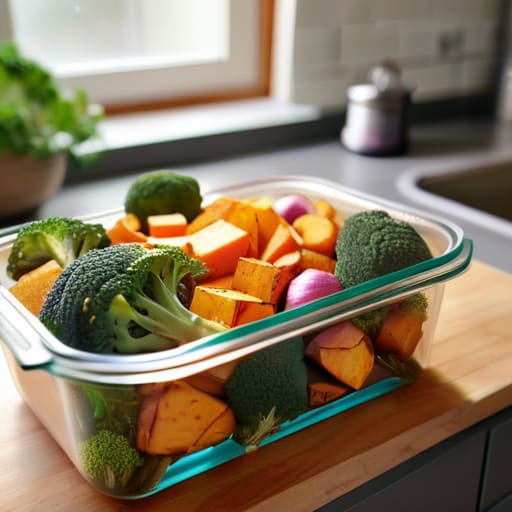
Look, I used to spend my entire Sunday afternoon hunched over a kitchen counter, surrounded by Tupperware and a mountain of wilted kale, feeling like I’d just finished a second shift at work. It was exhausting, and frankly, it was a bad system. The mistake most people make is trying to cook twenty different meals at once. Instead, I shifted to a strategy of time-efficient meal prepping that focuses on “component cooking.” I don’t make full recipes; I prep versatile building blocks—a big batch of roasted sweet potatoes, two types of protein, and a jar of pickled onions. This way, I’m not a slave to a specific menu, but I’m also not staring blankly at the fridge at 7:00 PM on a Tuesday.
The goal here isn’t to become a Michelin-star chef; it’s to eliminate the decision fatigue that drains your mental battery. If you can spend thirty minutes on a Wednesday night roasting a tray of veggies and prepping some nutritious snacks for office workers like spiced chickpeas or hard-boiled eggs, you’ve already won half the battle. By treating your kitchen like a well-oiled machine rather than a battlefield, you stop fighting your schedule and start actually using it to fuel your day.
Nutritious Snacks for Office Workers to Kill Mid Day Crashes
The 3:00 PM slump is a systemic failure. You’re staring at a spreadsheet, your brain feels like it’s running on low-battery mode, and suddenly the vending machine starts looking like a legitimate solution. This is where most people derail their entire afternoon. Instead of reaching for that sugar-laden granola bar that’ll just lead to a massive insulin spike and a subsequent crash, you need to treat your snack selection like a well-optimized system.
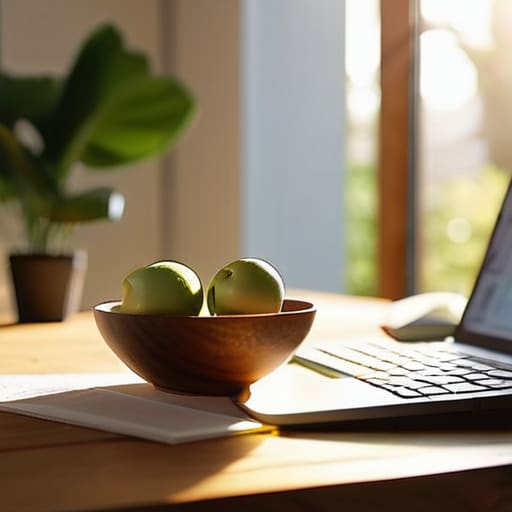
The goal is to find nutritious snacks for office workers that prioritize a steady release of energy rather than a quick hit. I’ve found that a combination of complex carbs and healthy fats is the ultimate hack for sustained focus. Think almonds paired with an apple, or Greek yogurt with a handful of walnuts. If you can prep these in small containers during your weekend sessions—leveraging that time-efficient meal prepping we talked about earlier—you remove the decision fatigue that usually leads to bad choices. By keeping these high-protein, low-glycemic options at your desk, you aren’t just eating; you’re effectively managing your cognitive load for the rest of the workday.
Low-Friction Habits to Keep Your Energy from Tanking
- Stop treating your sleep schedule like an afterthought. I used to think I could power through on five hours of sleep and a massive coffee, but that’s just bad systems engineering. Pick a “digital sunset” time—say, 30 minutes before bed—where you kill the bright screens and switch to a book or a podcast. It’s a small tweak that stops the midnight brain-spin.
- Automate your hydration. If you wait until you’re thirsty, you’ve already lost the battle. I keep a dedicated, reusable water bottle on my desk at all times. If it’s in my line of sight, I drink it. It’s much easier to sip throughout the day than to try and “catch up” on liters of water at 8 PM.
- Use “Movement Snacks” to break up the sedentary grind. You don’t need an hour-long HIIT session to see benefits. If I have a heavy workload, I set a timer for every 90 minutes to just stand up, stretch, or walk to the kitchen. It resets your focus and keeps your body from feeling like it’s locking up.
- Batch your “life admin” tasks. Don’t let small chores like booking a dentist appointment or paying a utility bill bleed into your focus time throughout the week. Dedicate one 20-minute block on a Friday afternoon to knock them all out at once. It clears the mental clutter so you can actually enjoy your weekend.
- Build a “Minimum Viable Workout.” On days when the schedule is absolute chaos, don’t scrap your fitness goals entirely. If you can’t hit the gym, do ten minutes of bodyweight exercises in your living room. It’s about maintaining the habit and the identity, not just the calorie burn. Consistency beats intensity every single time.
The Perfection Trap
Stop trying to overhaul your entire life overnight; just pick one tiny habit today that makes your morning feel a little less chaotic. We aren’t aiming for a perfect lifestyle, just a system that actually works when things get messy.
Nathaniel 'Nate' Brooks
The Bottom Line
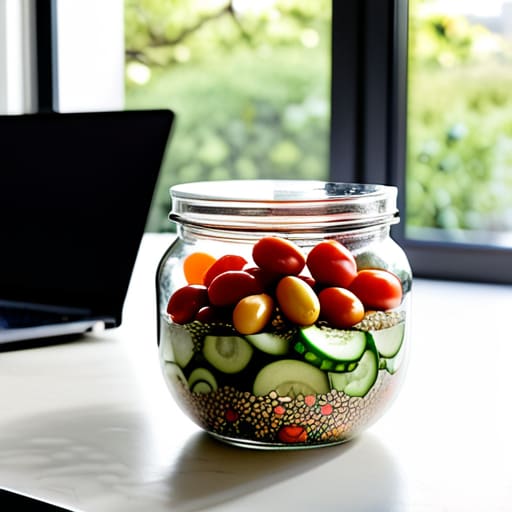
Look, I’m not going to sit here and tell you that you need to spend four hours every Sunday in the kitchen or start waking up at 4:00 AM to meditate. That’s a recipe for burnout, not health. We’ve covered how to simplify your meal prep so it doesn’t eat your weekend, and how to keep your energy stable with better snacking choices during the workday. The goal here isn’t to build a perfect, sterile lifestyle; it’s about reducing the friction between you and the decisions that keep you feeling good. If you can automate your lunch or keep a bag of almonds in your desk, you’ve already won more ground than most people do in a month.
At the end of the day, these aren’t just “wellness tips”—they are system upgrades for your life. When your nutrition and your schedule aren’t constantly at war, you actually have the mental bandwidth to enjoy the things that matter, like a good brisket or a quiet evening. Don’t feel like you have to implement everything I’ve mentioned by tomorrow morning. Just pick one small tweak, test it out for a week, and see if it makes your life feel a little less chaotic. We aren’t chasing perfection; we’re just aiming for better.
Frequently Asked Questions
I’ve tried meal prepping before, but I always end up eating the same three bland meals by Wednesday—how do I keep things interesting without spending hours in the kitchen?
The mistake most people make is prepping full recipes instead of components. When you prep a “chicken stir-fry,” you’re locked into that flavor profile by Tuesday. Instead, prep “modular” ingredients: a batch of roasted sweet potatoes, some grilled chicken, and a versatile grain like quinoa. Keep three different sauces in the fridge—maybe a spicy tahini, a soy-ginger, and a pesto. It takes the same amount of time, but you can pivot the flavor profile instantly.
What do I do when my schedule completely falls apart and I don't have time for even the "quick" healthy options I planned?
Look, we’ve all been there. The meeting ran over, the car wouldn’t start, and suddenly your “optimized” plan is a joke. When the system breaks, stop aiming for the perfect meal and aim for damage control. Grab a rotisserie chicken and a bag of pre-washed spinach, or even just a protein shake and a handful of almonds. It isn’t ideal, but it beats the drive-thru. Just keep moving; we’ll get back on track tomorrow.
How much of my mid-day energy crash is actually due to my food versus just poor sleep or screen fatigue?
It’s usually a cocktail of all three, but here’s how I triage it: if you feel a sharp, heavy slump about an hour after lunch, that’s your glucose levels playing games with your food. If you’re just feeling “foggy” and irritable regardless of when you last ate, that’s sleep debt or screen fatigue. Don’t try to fix everything at once. Audit your lunch first—if the crash persists, then we look at your sleep hygiene.
I struggle with mindless snacking while working; are there ways to manage those cravings without feeling like I'm constantly on a restrictive diet?
Look, I get it. When I’m deep in a system audit, my hand just reflexively reaches for whatever is closest. The trick isn’t willpower; it’s friction. Stop keeping the “danger foods” on your desk. If you have to stand up and walk to the kitchen to get them, you’ll realize you’re just bored, not hungry. Keep a bowl of almonds or sliced cucumbers in sight instead. Make the good stuff easy and the bad stuff a chore.