
I used to think self-care meant booking a weekend at a spa or buying a mountain of expensive skincare products I didn’t actually need. But after years of staring at system logs and burning the candle at both ends, I realized that most of those “wellness” trends are just more noise in an already loud life. The truth is, we don’t need more complicated routines; we need better systems to protect our mental bandwidth. If you’re constantly feeling like you’re running on a low battery, it’s likely because you haven’t found the right self care ideas that actually fit into a realistic, busy schedule.
In this post, I’m stripping away the fluff and focusing on high-impact, low-friction adjustments. I’ve curated eight specific strategies that prioritize efficiency and genuine recovery over performative relaxation. You aren’t going to find any “lifestyle hacks” here that require three hours of your afternoon or a massive budget. Instead, I’m sharing the practical methods I use to reclaim my headspace and stop the daily grind from turning into total burnout. Let’s get into it.
Table of Contents
Audit Your Digital Noise
Most people think self-care means lighting a candle, but for me, it starts with my phone. If your notifications are constantly pinging with useless junk, you aren’t relaxing; you’re just reacting to digital clutter. I spent a weekend going through my settings and realized how much mental bandwidth I was wasting on apps that didn’t actually add value to my life.
The Low-Friction Meal Prep
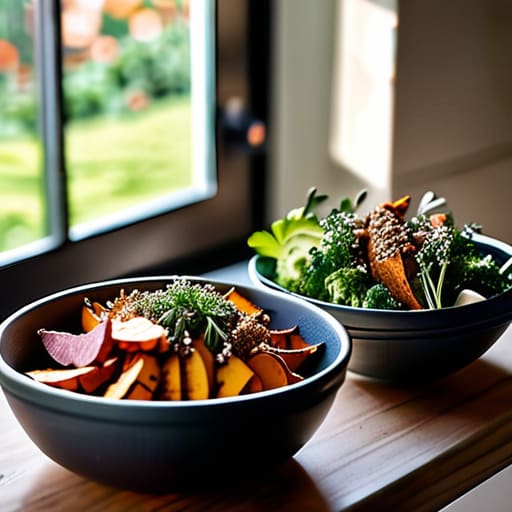
I used to think meal prepping meant spending six hours on a Sunday sweating over a stove to make fifteen identical Tupperware containers. That approach is a recipe for burnout, not wellness. Now, I focus on component prepping—cooking a large batch of protein, a grain, and a roasted vegetable that can be mixed and matched throughout the week.
Optimize Your Sleep Environment

As someone who obsesses over efficiency, I view sleep as the ultimate system reboot. If your bedroom is a mess of tangled cables and bright LED lights from your electronics, your brain isn’t going to enter a deep recovery state. You need to treat your sleeping quarters like a dedicated recovery zone.
Automate Your Finances
Financial stress is one of the biggest silent killers of mental peace. I spent way too much time in my early twenties manually moving money around and wondering where my paycheck went. The solution wasn’t more complex spreadsheets; it was simply automating the boring stuff.
Movement Without the Performance
We tend to view exercise as another task on a checklist—something to “crush” or “conquer.” That mindset makes it feel like a chore, and chores are the opposite of self-care. I’ve learned that the best way to stay healthy is to find movement that doesn’t feel like a performance.
Curate Your Physical Workspace
Since I spend most of my working hours in front of a monitor, my desk setup is essentially my cockpit. If it’s cluttered with old coffee mugs and unnecessary paperwork, my brain feels just as disorganized. I follow a strict minimalist philosophy when it comes to my desk: if it doesn’t serve a specific purpose, it doesn’t belong there.
The Sunday Reset Routine
I don’t believe in “relaxing” all weekend; I believe in preparing for the week ahead. I use a small window on Sunday evenings to perform what I call a system check. This involves looking at my calendar for the coming week, checking my grocery list, and ensuring my laundry is actually put away.
Scheduled Unplugging
In a world that is “always on,” true self-care is the ability to be intentionally unavailable. We’ve become conditioned to believe that being reachable at all hours is a requirement of modern life, but it’s actually a recipe for constant, low-grade exhaustion.
The Efficiency of Rest
Self-care isn’t about adding more tasks to your to-do list or buying expensive gadgets you don’t need; it’s about identifying the friction points in your day and ruthlessly removing them so you actually have the bandwidth to breathe.
Nathaniel 'Nate' Brooks
The Bottom Line
Look, I’m not going to tell you that picking up a book or prepping a healthy meal is going to magically solve every stressor in your life. It won’t. But what these eight ideas do is provide a framework to stop the bleeding when things get overwhelming. Whether it’s setting a strict digital sunset to save your eyes or finally automating your meal prep to reclaim your Sunday afternoons, the goal is the same: reducing the cognitive load of existing. You don’t need a complete lifestyle overhaul to feel the difference; you just need to identify the small, repetitive friction points and apply a bit of intentionality to fix them.
At the end of the day, self-care isn’t about luxury or indulgence—it’s about system maintenance. Think of it like optimizing a piece of software; if you never clear the cache or update the drivers, eventually, the whole system crashes. You aren’t a machine, but you do function better when you aren’t running on empty. Don’t feel pressured to implement everything we talked about at once. Just pick one thing, integrate it into your routine, and see how it feels. Stop aiming for a perfect life and just focus on building better systems for the one you actually have.
Frequently Asked Questions
How do I stay consistent with these habits when my schedule is already packed?
Look, I’ve been there. When my schedule is redlining, the last thing I want to do is add “self-care” to my to-do list. The trick isn’t finding more time; it’s reducing the friction. Don’t aim for a 30-minute ritual. If you’re slammed, do the two-minute version. Drink a glass of water. Stretch for sixty seconds. If it feels like a chore, you’ve over-engineered it. Keep the bar low so you can actually clear it.
Are there ways to practice self-care that don't involve spending money?
Look, the wellness industry wants you to believe self-care requires a $90 candle or a spa membership, but that’s just bad math. Real self-care is about reducing friction, not adding expenses. I’m talking about things like a twenty-minute walk without a podcast, finally cleaning that one junk drawer that’s been bugging you, or just getting to bed thirty minutes earlier. If it restores your headspace without draining your bank account, it’s working.
How can I tell the difference between actual self-care and just procrastinating on my responsibilities?
Here’s the litmus test I use: How do you feel after the activity? Real self-care leaves you feeling recharged or at least steady—it’s an investment in your future self. Procrastination, on the other hand, usually leaves you with that nagging, low-grade anxiety in the back of your head because that unfinished task is still looming. If you’re scrolling through feeds to avoid a deadline, you aren’t resting; you’re just running.
What should I do if I feel guilty about taking time for myself?
Look, I get it. I used to feel like every hour not spent “grinding” was an hour wasted. But here’s the reality: guilt is just a sign of a bad system. If you don’t schedule downtime, your body will eventually schedule a burnout for you—and that’s much more expensive. Stop viewing self-care as a luxury and start seeing it as essential maintenance. You wouldn’t skip an OS update for your laptop; don’t skip it for yourself.