I used to think that learning how to stock a healthy kitchen meant buying every superfood trend on Instagram and filling my pantry with expensive, obscure grains that I’d eventually just let expire. I spent way too many paychecks chasing the “perfect” organic lifestyle, only to end up staring at a $200 grocery receipt and a fridge full of wilted kale. It was a massive waste of money and, more importantly, a massive waste of mental energy. I realized that most of the advice out there is designed to make you feel like you’re failing if you aren’t living in a wellness boutique.
I’m not here to sell you on a lifestyle overhaul or a complicated meal-prep regime that requires three hours of your Sunday. Instead, I want to show you how to build a functional system of versatile staples that actually works for a busy life. We’re going to strip away the fluff and focus on the small, repeatable adjustments that make eating well feel effortless. My goal is to help you build a pantry that serves you, rather than a pantry that stresses you out.
Table of Contents
Building Your Nutritious Grocery List Essentials
The biggest mistake I see people make is walking into a grocery store without a framework. They wander the aisles, grab whatever looks good in the moment, and end up with a cart full of expensive, single-use ingredients that eventually rot in the crisper drawer. To avoid that, you need to focus on whole food pantry staples that serve as the building blocks for dozens of different meals. Think of these as your system’s “core modules.” I’m talking about things like quinoa, canned beans, lentils, oats, and olive oil. These items have a long shelf life and high utility, meaning they won’t go to waste when your schedule gets chaotic.
Once you have your foundation, you can layer in the freshness. When I’m planning for meal prepping with healthy ingredients, I always prioritize a rotation of versatile vegetables—spinach, broccoli, and sweet potatoes are my go-to’s because they hold up well under different cooking methods. Don’t forget the flavor, either; a well-stocked collection of essential spices like cumin, smoked paprika, and garlic powder is what prevents healthy eating from feeling like a chore. If you build your list around these categories—grains, proteins, produce, and aromatics—you stop shopping for recipes and start shopping for possibilities.
A Low Processed Food Shopping Guide That Works
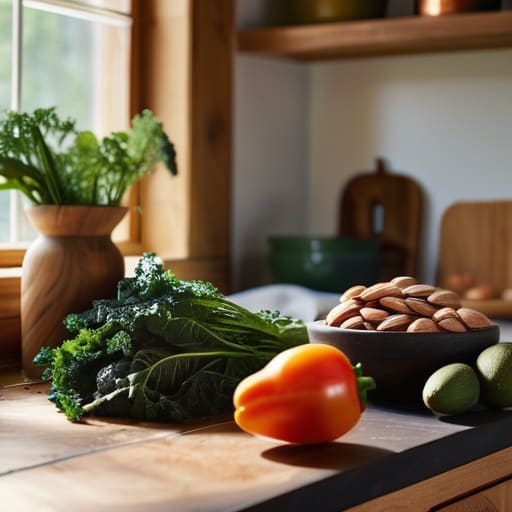
The biggest mistake I see people make is treating the grocery store like a scavenger hunt for “diet food.” That’s a recipe for burnout. Instead, think of your shopping trip as a mission to source ingredients, not pre-packaged solutions. If you spend most of your time in the center aisles, surrounded by colorful boxes and long ingredient lists you can’t pronounce, you’ve already lost the battle. My rule of thumb is to stick to the perimeter—the produce, the butcher counter, and the dairy section. This is where you find your whole food pantry staples that actually require zero assembly.
When you do find yourself in the middle aisles, look for things that have been minimally altered. A bag of dried lentils or a jar of crushed tomatoes is fine; a “ready-to-eat” pasta bowl filled with preservatives is not. This is essentially a low processed food shopping guide for real life: if the ingredient list looks like a chemistry textbook, put it back. I’ve found that if I focus on buying single-ingredient items, I don’t have to spend my Sunday nights obsessing over calorie counts. I just cook, eat, and get on with my life.
5 Systems to Keep Your Kitchen from Turning into a Junk Food Graveyard
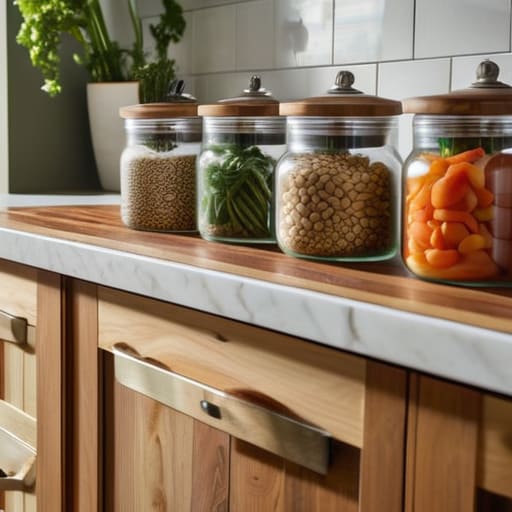
- Shop the perimeter first. I used to wander the middle aisles aimlessly, which is a recipe for a cart full of processed crap. Stick to the edges where the real food lives—produce, proteins, and dairy—and you’ll find your grocery bill gets a lot more intentional.
- Master the art of the “Emergency Meal.” Always keep a few non-perishable, healthy staples on hand, like canned chickpeas, quinoa, or frozen veggies. When you’re too drained to cook a real meal, these prevent you from defaulting to expensive, greasy takeout.
- Don’t trust your “future self.” We all have this idea that we’ll be some culinary god on Tuesday night, but usually, we’re just tired. Buy ingredients that actually work together for quick, 20-minute meals rather than complex recipes that require a dozen niche ingredients.
- Use your freezer as a buffer. Frozen fruits and vegetables are just as nutritious as fresh ones, and they won’t rot in your crisper drawer if you have a busy week. It’s the ultimate way to minimize waste and ensure you always have something green on hand.
- Audit your pantry before you leave the house. There is nothing more frustrating than getting home and realizing you bought a second jar of cumin when you already had one hiding in the back. A quick five-minute scan saves money and keeps your kitchen from becoming a cluttered mess.
The Philosophy of the Pantry
A well-stocked kitchen isn’t about having a gourmet pantry full of ingredients you’ll never use; it’s about building a reliable system of versatile staples so that when you’re exhausted on a Tuesday night, the path of least resistance is actually a healthy one.
Nathaniel 'Nate' Brooks
Getting the System Running
At the end of the day, stocking a healthy kitchen isn’t about buying every superfood on a trending list; it’s about building a reliable foundation. We talked about grabbing versatile staples, prioritizing low-processed options, and creating a list that actually serves your lifestyle rather than complicating it. If you focus on having those core ingredients—the proteins, the greens, and the grains—on hand, you’ve already won half the battle. You’re essentially removing the decision fatigue that usually leads to expensive, unhealthy takeout orders when you’re too tired to think. It’s about creating a buffer between you and chaos, ensuring that even on your worst, most exhausted days, you still have the tools to fuel yourself properly.
Don’t feel like you have to overhaul your entire pantry by this Sunday. If you try to go from zero to a perfectly curated, organic kitchen overnight, you’re going to burn out, and you’ll end up right back where you started. Start small. Maybe this week you just focus on mastering your grocery list, or maybe next week you focus on reducing the processed stuff. The goal isn’t to achieve some unattainable standard of dietary perfection; it’s about incremental optimization. Build the system one step at a time, and eventually, you’ll look back and realize that healthy eating isn’t a chore anymore—it’s just how your life works.
Frequently Asked Questions
How do I keep these healthy staples from going bad and wasting money if I don't cook every single night?
The real trick isn’t buying more; it’s managing your inventory. I treat my fridge like a system with expiration dates. First, adopt a “FIFO” approach—First In, First Out. Move older produce to the front so it doesn’t get lost in the back. Second, invest in a few glass containers; they keep greens crisper than plastic. If you see something wilting, don’t toss it—toss it into a freezer bag for a future smoothie or soup.
I’m on a tight budget; what are the absolute cheapest ways to stock up without just buying bags of rice and beans?
Look, I get it. Rice and beans are the classic “broke student” fallback, but eating that every day is a recipe for burnout. To keep costs low without sacrificing variety, focus on frozen vegetables and canned proteins like tuna or sardines. They’re cheap, they don’t spoil, and they actually have decent nutrition. Also, stop buying pre-cut produce or individual snack packs; you’re paying a massive premium for someone else to do the slicing for you.
How much freezer space do I actually need to make a "system" like this work?
Look, you don’t need a commercial-grade walk-in to make this work. If you’re running a standard top-freezer or bottom-drawer unit, you’re fine—as long as you stop treating it like a graveyard for forgotten frozen pizzas. Aim for about 40% “buffer space.” You need enough room to stash a couple of bulk proteins and a few bags of frozen greens without playing a high-stakes game of Tetris every time you come home from the store.
What’s the best way to organize my pantry so I can actually see what I have instead of letting things hide in the back?
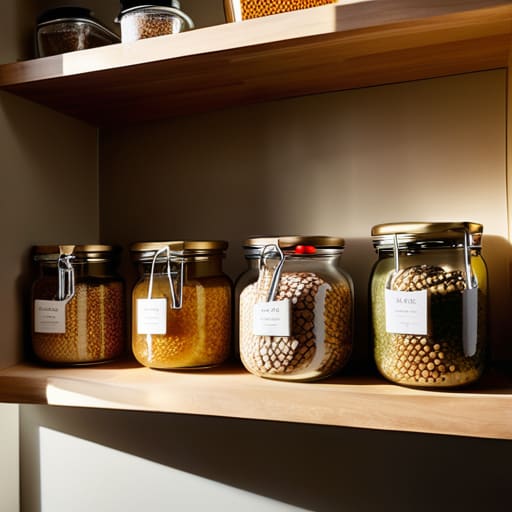
The “out of sight, out of mind” problem is a massive source of food waste and unnecessary spending. To fix it, stop stacking things vertically. Use clear, airtight containers for staples like rice or pasta—if you can’t see the level, you won’t know when to restock. I also swear by lazy Susans for corner cabinets and tiered organizers for cans. If you can’t see the label, the system is broken. Keep it visible, keep it simple.