
I used to think “getting back to nature” was just some expensive, aesthetic nonsense reserved for people with endless PTO and high-end hiking gear. I spent years trying to optimize my mental clarity through complex meditation apps and color-coded productivity frameworks, only to realize I was just adding more digital noise to an already loud life. The truth is, the real benefits of time in nature aren’t found in a curated retreat or a $200 pair of trekking boots; they’re found in the simple, unoptimized act of stepping away from a glowing screen and actually feeling the wind on your face.
I’m not here to sell you on a spiritual awakening or some vague, flowery concept of “oneness.” I want to talk about the practical mechanics of how a quick walk or a few minutes in a park can actually reset your cognitive load and stop the mid-afternoon brain fog. I’m going to share the small, low-friction adjustments I’ve integrated into my own routine to make the outdoors work for my schedule, not against it. We aren’t aiming for a lifestyle overhaul—we’re just aiming to reclaim your focus without the unnecessary hype.
Table of Contents
Understanding the Biophilia Hypothesis Explained
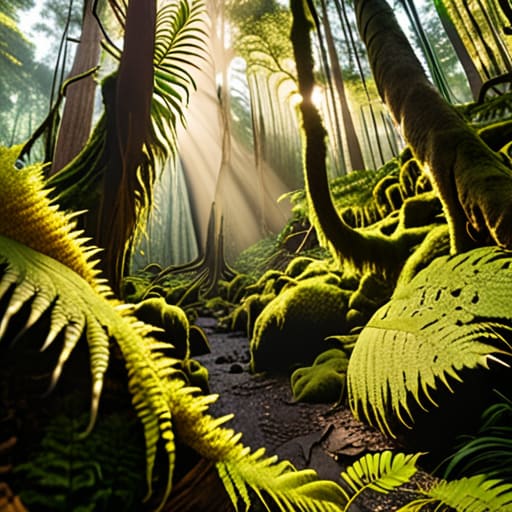
If you want to understand why stepping into the woods feels less like a luxury and more like a biological necessity, you have to look at the biophilia hypothesis explained through a more scientific lens. The concept, popularized by E.O. Wilson, suggests that humans possess an innate, evolutionary tendency to seek connections with nature and other forms of life. We didn’t evolve in cubicles under flickering fluorescent lights; we evolved in complex, living ecosystems. When we strip ourselves away from those environments, we aren’t just missing a nice view—we are actually operating in a state of biological mismatch.
This isn’t just some “woo-woo” philosophy, either. There is a measurable physiological response when we re-engage with the wild. When I’m feeling particularly burnt out from staring at spreadsheets all day, I’ve noticed that even a brief walk through a park helps in reducing cortisol through outdoor activity. It’s a systemic reset. By leaning into the impact of green spaces on well-being, we aren’t just distracting ourselves from our to-do lists; we are providing our nervous systems with the specific environmental cues they need to shift from a state of high-alert survival back into a state of recovery and focus.
The Physiological Effects of Natural Environments

When I look at the data, it’s hard to argue with the biological reality: our bodies are literally wired to respond to the outdoors. It’s not just some “woo-woo” feeling of peace; we’re talking about measurable shifts in your chemistry. When you step away from the blue light of your monitors and into a park, you’re actively reducing cortisol through outdoor activity. High cortisol is the silent killer of productivity, keeping you in a state of low-grade, constant fight-or-flight. Nature acts as a natural circuit breaker for that stress loop.
Beyond just lowering stress hormones, the physiological effects of natural environments extend to your autonomic nervous system. In a city or a cluttered office, your sympathetic nervous system—the one responsible for that “on edge” feeling—is constantly humming. Transitioning into a green space helps trigger the parasympathetic nervous system, which is your body’s version of “system maintenance mode.” This is where your heart rate stabilizes and your blood pressure actually begins to drop. It’s less about a spiritual awakening and more about optimizing your biological hardware so you aren’t running at 100% capacity when you should be idling.
Low-Friction Ways to Integrate Nature into Your Routine

- Stop waiting for a weekend hiking trip to reset. If you’re feeling the mental fog, just step outside for fifteen minutes. A quick walk around the block without your phone is often enough to break a cycle of unproductive scrolling.
- Audit your workspace. If you’re stuck in a cubicle or a home office all day, bring the outside in. Even a few low-maintenance plants on your desk can provide a subtle visual break that helps lower your baseline stress levels.
- Practice “Digital Minimalism” while you’re out. When you go for a walk, leave the podcasts and the music behind. Let your brain process the ambient sounds instead of constantly feeding it more data; it’s the fastest way to clear your mental cache.
- Use nature as a transition ritual. Instead of jumping straight from your laptop to the couch, use a short outdoor stroll to create a hard boundary between “work mode” and “life mode.” It helps prevent that lingering burnout feeling.
- Optimize your light exposure. Try to get some actual sunlight in your eyes first thing in the morning. It sounds simple, but syncing your circadian rhythm with natural light is one of the most effective ways to stabilize your energy levels for the rest of the day.
The Efficiency of Silence
We spend our entire lives trying to optimize our digital workflows and automate our schedules, yet we ignore the most effective system reset available: stepping away from the screen and into the real world. Nature isn’t a luxury or a distraction; it’s the ultimate way to clear the mental cache and stop the burnout before it starts.
Nathaniel 'Nate' Brooks
Cutting Through the Noise

At the end of the day, the science is pretty clear: nature isn’t just a “nice-to-have” luxury; it’s a fundamental biological requirement. We’ve looked at how the biophilia hypothesis explains our innate connection to the wild, and how stepping away from the screen actually recalibrates your nervous system by lowering cortisol and steadying your heart rate. You don’t need to go on a week-long trekking expedition in the Himalayas to see these results. Whether it’s a quick walk through the local park or just sitting on your porch without your phone, these small, intentional shifts in your environment act as a system reset for your brain, clearing out the mental clutter that builds up during a standard workday.
My advice? Stop treating nature like an item on a weekend bucket list and start viewing it as a critical tool for maintenance. We spend so much time optimizing our tech, our diets, and our workflows, yet we often neglect the most basic operating system we have: our own biology. You don’t need to achieve some perfect state of zen or master the art of mindfulness to reap the rewards. Just get outside, leave the notifications behind, and let the natural world do the heavy lifting for a while. Life is messy enough; don’t make it harder by ignoring the simplest way to find your center again.
Frequently Asked Questions
How much time do I actually need to spend outside to see a real difference in my stress levels?
Look, I’m not a doctor, but I’m a big believer in the law of diminishing returns. You don’t need a weekend trekking through the Sierras to reset your nervous system. Based on what the research suggests, even 20 minutes of intentional time outside can significantly drop your cortisol levels. If you’re feeling particularly fried, aim for an hour. It’s about consistency, not intensity. Just get out there, leave the phone in your pocket, and breathe.
Can I get these same benefits if I'm stuck in a city with nothing but a small park nearby?
Look, I get it. You’re living in a concrete jungle and the nearest “wilderness” is a patch of grass between two high-rises. But here’s the reality: you don’t need a mountain range to reset your system. Even a fifteen-minute sit on a park bench can break that mental loop. It’s about the visual break from screens and the shift in sensory input. Use what you have; even a small green pocket works.
Is there a difference between just sitting in a backyard and actually being out on a trail?
Look, if you’re stuck in a cubicle all day, even a manicured backyard is a massive win for your nervous system. It’s a solid baseline. But there’s a distinct shift when you hit a trail. A backyard is still “managed” space—you see the fence, the neighbor’s house, the familiar patterns. A trail offers true immersion. It forces a cognitive reset because the environment is unpredictable. If you’re looking to actually clear the mental fog, go for the trail.
How do I fit nature time into a schedule that's already packed with work and errands?
Look, I get it. You don’t have a four-hour window to go hiking every Tuesday. Don’t try to force a massive lifestyle shift; just optimize the micro-moments. Take your calls while walking the perimeter of the block, or eat your lunch on a park bench instead of staring at your monitor. If you can’t get to the woods, bring the outdoors to you with a desk plant. It’s about reducing friction, not adding a chore to your list.