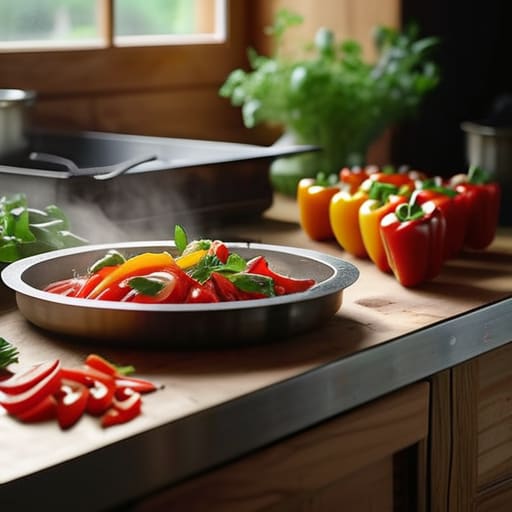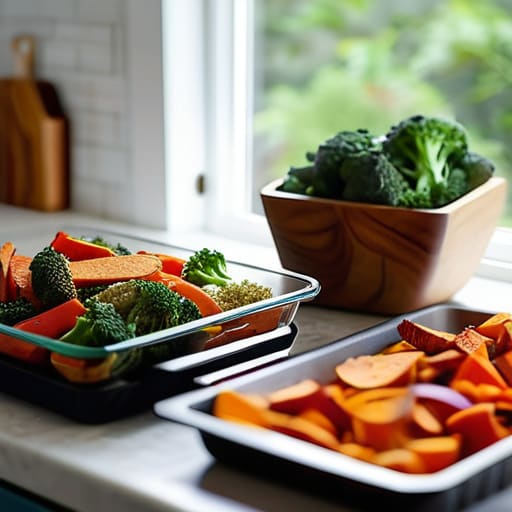
I used to think that “meal prepping” meant spending my entire Sunday in a kitchen-sized version of hell, surrounded by twenty identical plastic containers and enough Tupperware to supply a small army. The internet loves to sell this fantasy of aesthetic, color-coded glass jars that look like they belong in a lifestyle magazine, but let’s be real: that’s a recipe for burnout, not efficiency. Most of those complex recipes are just extra work disguised as organization. I learned the hard way that if your system for make ahead meals takes more effort than just ordering Thai food on a Tuesday, your system is fundamentally broken.
I’m not here to teach you how to become a gourmet chef or a professional organizer. My goal is to help you build a functional, low-friction system that actually survives a long work week. I’m going to share the exact, no-nonsense frameworks I use to prep versatile components rather than rigid recipes, so you can eat well without losing your sanity. We aren’t aiming for a Pinterest-perfect pantry; we’re just aiming to eliminate the decision fatigue that turns your evenings into a chaotic scramble.
Table of Contents
Smart Weekly Meal Prep Ideas for Better Days
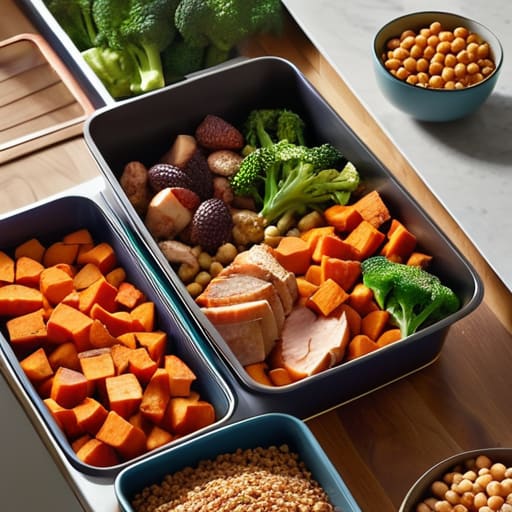
Instead of trying to cook five elaborate recipes every Sunday, I’ve learned that the most efficient way to handle the week is to focus on “component prepping.” This means roasting two large trays of seasonal vegetables, cooking a massive batch of a versatile grain like quinoa or farro, and prepping two different proteins—maybe some lemon-herb chicken and a batch of seasoned chickpeas. When you have these building blocks ready, you aren’t just following a recipe; you’re building a customized bowl in under five minutes. This is one of my favorite time saving cooking hacks because it prevents the “decision fatigue” that usually leads to me ordering expensive, greasy takeout at 7:00 PM.
To make this actually sustainable, you need to invest in a decent set of meal prep containers for storage. I’m a bit of a minimalist, so I don’t want a kitchen cabinet overflowing with mismatched plastic. I stick to a uniform set of glass containers that are airtight and, most importantly, look decent enough to take to the office. If your food looks appetizing and stays fresh, you’re much more likely to stick to your plan. It’s not about being a gourmet chef; it’s about building a reliable system that feeds you without requiring constant mental energy.
Healthy Meal Planning Tips That Actually Work
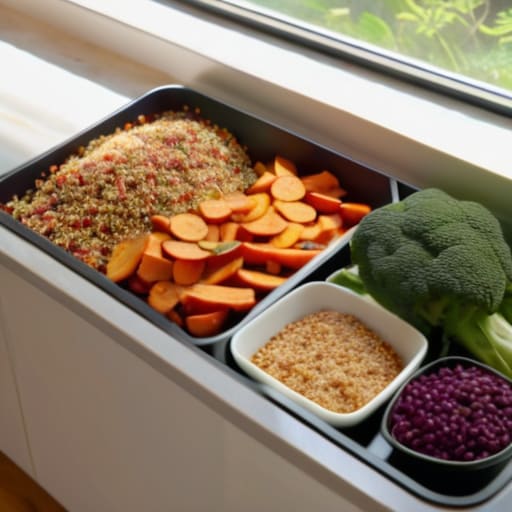
The biggest mistake I see people make is trying to cook elaborate, five-course feasts every Sunday. That’s a recipe for burnout, not efficiency. Instead, I focus on building a modular system. Don’t think in terms of “meals”; think in terms of components. Roast two trays of seasonal vegetables, cook a large batch of a versatile grain like quinoa, and prep a couple of proteins. When you have these building blocks ready, you can assemble a different bowl every night in under five minutes. This approach is one of my favorite healthy meal planning tips because it prevents the “flavor fatigue” that usually leads to ordering pizza by Wednesday.
Another thing that changed the game for me was investing in quality gear. I used to use those flimsy, mismatched plastic tubs that leaked everywhere and made my fridge look like a disaster zone. Now, I swear by uniform meal prep containers for storage that are glass and stackable. It sounds minor, but having a streamlined, visual inventory of what’s in your fridge reduces decision fatigue. If you can see your options clearly, you’re much more likely to stick to your plan and actually enjoy the process rather than feeling like you’re managing a second job.
My Low-Friction Rules for Meal Prep Success
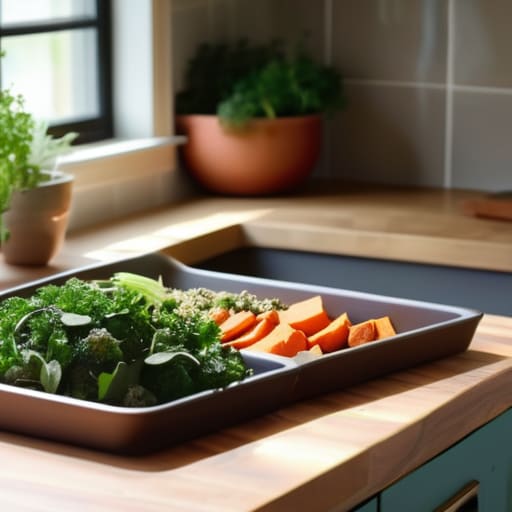
- Stop trying to cook five different recipes on Sunday. You’ll burn out by hour two. Instead, pick two proteins, one grain, and two roasted veggies. That’s your modular toolkit for the week.
- Invest in high-quality, glass containers with airtight lids. I learned this the hard way after a month of leaking plastic containers ruined my fridge and made everything taste like old Tupperware.
- Don’t prep everything to the point of being “ready to eat.” If you pre-cook your pasta completely, it’ll be mush by Wednesday. Prep the components—sauce, protein, noodles—and combine them when you’re actually hungry.
- Use the “Freeze Half” rule. If you make a big batch of chili or stew, immediately portion out half into individual freezer bags. It creates an instant “emergency meal” for those nights when your systems inevitably fail.
- Label everything with a piece of masking tape and a sharpie. It sounds overkill, but knowing exactly what’s in that container and when you made it saves you from that awkward “is this still safe?” moment at 8:00 PM.
The Philosophy of Prep
“Meal prepping isn’t about spending your entire Sunday in a kitchen trance; it’s about building a small buffer of time and sanity so that when Tuesday hits and everything goes sideways, your nutrition doesn’t go down with the ship.”
Nathaniel 'Nate' Brooks
Getting Started Without the Stress
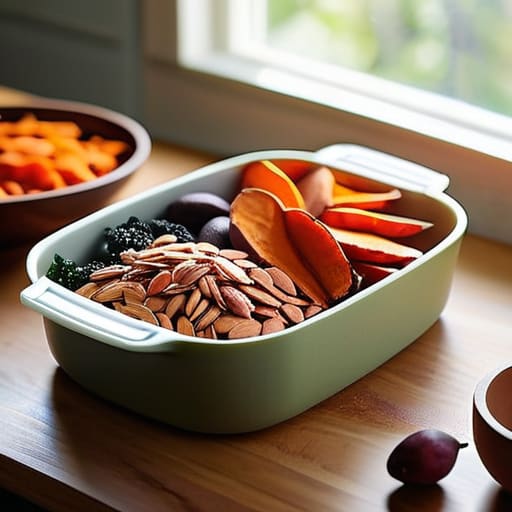
At the end of the day, meal prepping isn’t about turning your kitchen into a high-efficiency factory or spending your entire Sunday in a flour-covered trance. It’s about building a few reliable systems that protect your time and your budget. Whether you’re batch-cooking a massive pot of chili, prepping protein components for quick salads, or just making sure you have healthy snacks ready to go, the goal is the same: reducing the number of decisions you have to make when you’re tired and hungry. Remember, you don’t need to master a hundred recipes; you just need to master a few basics that actually work for your specific schedule.
Don’t let the fear of a failed experiment keep you from trying. If you prep a batch of quinoa and realize you hate it, don’t sweat it—just adjust the system next week. Life is messy, and your meal plan will occasionally fall apart, but that’s fine. We aren’t aiming for a Pinterest-perfect kitchen; we’re just trying to eliminate the friction that makes Tuesday nights feel like a crisis. Start small, stay consistent, and give yourself the breathing room to actually enjoy your food rather than just using it as fuel to survive the grind. You’ve got this.
Frequently Asked Questions
How long can I actually keep these meals in the fridge before they start tasting like cardboard?
Look, I’ve been there—staring at a container of leftovers that looks fine but tastes like a science experiment. Generally, you’re looking at a three-to-four-day window for peak quality. Anything past day four is when the textures start to degrade and things get “cardboardy.” If you’re prepping for a full seven days, my rule is simple: keep half in the fridge and freeze the rest immediately. It saves the flavor and prevents waste.
Is it worth investing in high-quality containers, or should I just stick with whatever is cheap?
Look, I’ve been there—buying a massive pack of cheap, mismatched plastic tubs thinking I’m being smart. It’s a trap. Cheap containers warp in the dishwasher, stain from every tomato sauce, and eventually leak, turning your fridge into a mess. If you’re serious about a system, invest in a few high-quality, glass, airtight sets. They last forever, they don’t leach chemicals, and they actually stack. It’s a small upfront cost to eliminate long-term friction.
How do I prep food without spending my entire Sunday stuck in the kitchen?
Stop treating meal prep like a marathon. You don’t need a five-hour kitchen siege; you just need better systems. My rule is “component prepping” instead of full-meal assembly. Instead of cooking five identical Tupperware containers, roast two trays of veggies, boil a pot of grains, and prep one versatile protein. This gives you the building blocks to assemble different meals in minutes during the week, rather than being stuck at the stove all Sunday.
What’s the best way to reheat everything so it doesn't end up dry or rubbery?
The biggest mistake I see is the “blast it on high” approach. If you want to avoid that rubbery, sad texture, you need moisture. For leftovers like chicken or grains, add a splash of water or broth before microwaving, then cover it with a damp paper towel to create a mini-steam chamber. If you have the time, use a skillet on low heat for proteins; it’s a bit more effort, but the results are night and day.