We’ve all been there: it’s 3:00 PM, your focus is cratering, and your brain is screaming for anything with a high sugar content just to survive the final stretch of the workday. I used to fall into that trap constantly, thinking I could power through on black coffee alone, only to end up crashing hard and making terrible decisions at the vending machine. The problem isn’t your willpower; it’s that you lack a reliable system for refueling. When you don’t have a plan, you default to whatever is easiest, which is rarely what your body actually needs to stay sharp.
I’ve spent a lot of time auditing my own habits to find healthy snack ideas that actually work for a busy lifestyle—meaning they require minimal prep and don’t leave you feeling sluggish. I’m not interested in complicated recipes or “superfoods” that cost a fortune and take an hour to assemble. Instead, I’ve narrowed it down to eight practical, low-friction options that provide steady energy without the mid-afternoon slump. Here is how you can stop the cycle of energy crashes and start snacking with intention.
Table of Contents
- Greek Yogurt with a Nutty Twist
- Apple Slices and Almond Butter
- Hard-Boiled Eggs: The Ultimate Prep
- Hummus and Crunchy Veggies
- Handful of Raw Almonds or Walnuts
- Cottage Cheese and Berries
- Edamame with Sea Salt
- Dark Chocolate and Sea Salt
- The Philosophy of Fueling
- Don't Overthink the Process
- Frequently Asked Questions
Greek Yogurt with a Nutty Twist
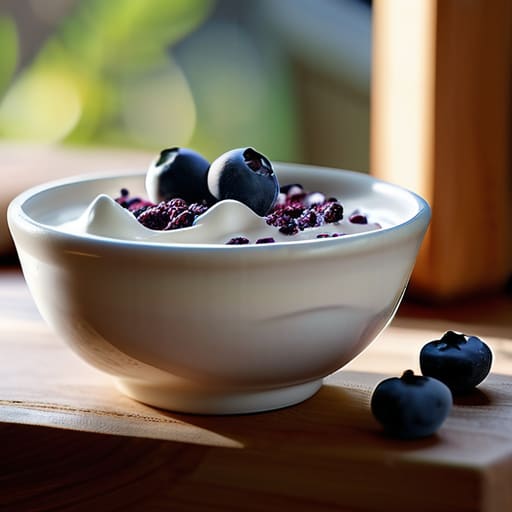
I used to reach for those sugary fruit cups when I felt a slump coming on, but I quickly realized I was just setting myself up for a massive insulin spike and an even harder crash. Switching to plain Greek yogurt changed the game for me. It’s packed with protein, which is the secret weapon for staying full when you’re deep in a spreadsheet rabbit hole.
Apple Slices and Almond Butter
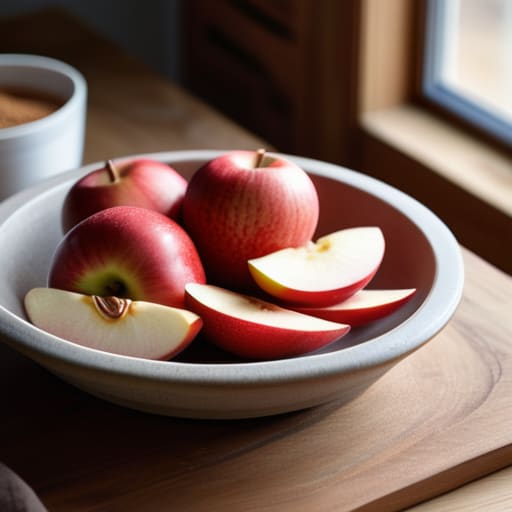
This is my go-to when I’m working from home and need something that requires almost zero prep time. An apple and a spoonful of nut butter is a classic pairing for a reason: it hits that perfect balance of natural sweetness and healthy fats. It’s a low-friction snack that keeps my brain fueled without making me feel heavy or sluggish.
Hard-Boiled Eggs: The Ultimate Prep
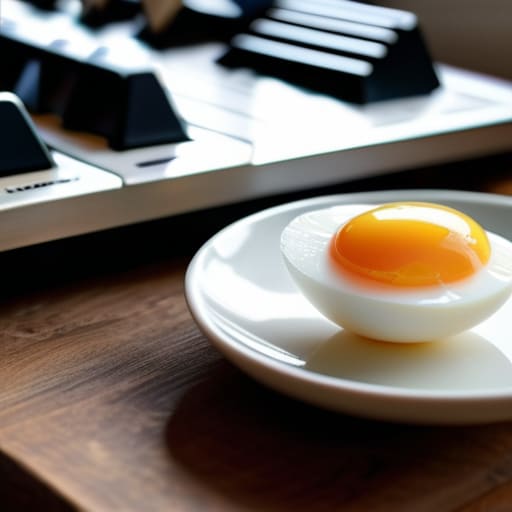
If you’re like me and prefer to optimize your week in one go, hard-boiled eggs are a non-negotiable. I usually boil a half-dozen on Sunday night so they’re sitting in the fridge, ready to go. They are the ultimate portable protein source, and you can eat them anywhere—at your desk, in the car, or even while you’re tinkering with your vintage synths.
Hummus and Crunchy Veggies
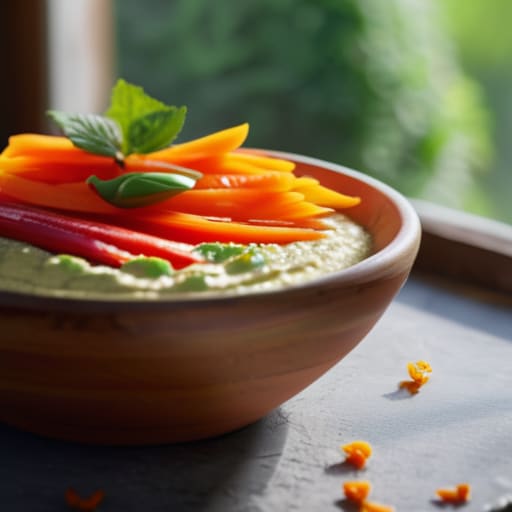
I’ve found that a lot of people fail at healthy snacking because they miss the “crunch factor.” When you’re stressed, your brain craves texture. Instead of reaching for a bag of chips, I grab some sliced cucumbers, bell peppers, or carrots and dip them into a decent hummus. It’s satisfying, hydrating, and keeps the mid-afternoon brain fog at bay.
Handful of Raw Almonds or Walnuts
Sometimes, the best system is the simplest one. When I’m traveling or running between meetings, I don’t have time to play chef. A small container of raw nuts is my fallback. They are calorie-dense in a good way, providing the sustained energy required to power through a long afternoon without needing a caffeine reload.
Cottage Cheese and Berries
If you need something that feels a bit more substantial, cottage cheese is an underrated powerhouse. It’s incredibly high in casein protein, which digests slowly and keeps you satiated for a long stretch. I like to top mine with some blueberries or raspberries to add a bit of natural sweetness and some antioxidant benefits to the mix.
Edamame with Sea Salt
There is something weirdly meditative about shelling edamame, and it’s a great way to force yourself to slow down during a hectic day. It’s a fantastic source of plant-based protein and fiber, making it a nutrient-dense option that actually fills you up. I usually keep a bag of frozen, pre-shelled edamame in the freezer for maximum convenience.
Dark Chocolate and Sea Salt
Let’s be real: sometimes you just want something sweet, and trying to fight that urge entirely is a losing battle. Instead of reaching for a candy bar loaded with corn syrup, I keep a bar of high-quality dark chocolate (at least 70% cocoa) in the pantry. It satisfies the craving while providing a bit of actual nutritional value in the form of flavonoids.
The Philosophy of Fueling
“Stop treating snacking like a reward for surviving a bad day and start treating it like the fuel that prevents the day from falling apart in the first place. It’s not about restrictive dieting; it’s about choosing high-leverage inputs so you don’t crash when you actually need to be productive.”
Nathaniel 'Nate' Brooks
Don't Overthink the Process
At the end of the day, the goal isn’t to transform into a nutritionist or spend your entire Sunday meal prepping elaborate trays of organic kale. It’s really just about reducing the friction between feeling hungry and making a poor decision. Whether you’re grabbing a handful of almonds, some Greek yogurt, or slicing up an apple, the common thread here is simplicity. If you have these basic, low-effort options readily available, you stop the mid-afternoon energy crash before it even starts. The key is to build a reliable system of staples so you aren’t forced to rely on willpower when your brain is already fried from a long day of work.
I know how easy it is to get caught up in the idea that healthy living requires a massive, sweeping overhaul of your entire lifestyle. It doesn’t. Real, sustainable change usually happens in the small, quiet moments—like choosing a piece of fruit over a bag of processed chips because it was already sitting on your counter. Don’t aim for a perfect diet; just aim for better decisions than you made yesterday. Once you automate these small wins, you’ll find you have a lot more mental bandwidth left over for the things that actually matter.
Frequently Asked Questions
How do I keep these snacks from going bad if I'm prepping them all on a Sunday?
The key here is modularity. Don’t pre-mix anything that can get soggy. Keep your dry stuff—nuts, seeds, or granola—in airtight glass jars, and keep the moisture-heavy items like berries or yogurt in separate, sealed containers. If you’re prepping veggie sticks, put a damp paper towel in the container to keep them crisp. Basically, treat your fridge like a well-organized server rack: keep the components separate until they’re ready to be deployed.
Are there ways to make these even quicker when I'm stuck in back-to-back meetings?
When you’re stuck in back-to-back meetings, you can’t afford a “prep session.” My rule is simple: if it takes more than thirty seconds to grab, it’s not a meeting snack. Keep a “emergency stash” of single-serve packs—think individual almond packets or jerky sticks—right in your desk drawer or laptop bag. If you’re working from home, pre-portion your nuts or yogurt into small containers on Sunday. Eliminate the decision fatigue before the calendar invites even hit.
What are some better options if I'm looking for something savory instead of sweet?
If you’re leaning toward savory, I get it—sometimes fruit just feels like eating dessert for lunch. For me, the goal is high protein or healthy fats to avoid that blood sugar spike. Try some roasted chickpeas for a crunch that actually fills you up, or keep some hard-boiled eggs in the fridge for a zero-effort option. If you need something more substantial, a few slices of turkey rolled around some avocado is a total game-changer.
How much of these should I actually be eating without accidentally blowing my calorie budget?
Look, I’m a big believer in systems, not restriction. If you’re counting calories, don’t guess—that’s how you end up accidentally eating a whole bag of almonds. Stick to the “handful rule.” A handful of nuts, a single piece of fruit, or half a cup of yogurt. If it fits in your palm, you’re usually in the safe zone. Treat snacks as bridges between meals, not as full-blown dining events.