I spent most of my early twenties thinking that learning how to cook on a budget meant living on a sad, repetitive cycle of instant noodles and unseasoned rice. I used to see those “extreme savings” influencers online—the ones claiming you can thrive on five dollars a day—and honestly, it just felt like a recipe for burnout. To me, that wasn’t efficiency; it was just another bad system that made life harder instead of easier. I realized pretty quickly that if your meal prep feels like a second job or a punishment, you’re going to fail, no matter how much money you save.
I’m not here to give you a list of impossible dietary restrictions or tell you to spend four hours prepping kale every Sunday. Instead, I want to show you how to apply a little bit of systems thinking to your kitchen to eliminate the friction of mealtime. We’re going to focus on small, actionable adjustments—like smarter grocery sequencing and high-yield staples—that keep your bank account intact without turning dinner into a chore. We aren’t aiming for some Pinterest-perfect pantry; we’re just aiming to make your daily routine actually work.
Table of Contents
Mastering Meal Planning for Savings Without the Stress
Look, I used to treat meal planning like a massive, daunting project that required a PhD in logistics. I’d spend my Sunday afternoons staring at a blank notebook, feeling overwhelmed by the sheer number of decisions I had to make. That’s where the friction starts. To actually make this work, you have to stop treating it like a chore and start treating it like a systematic workflow. Instead of trying to invent new recipes every week, I focus on meal planning for savings by building a rotating framework. I pick three core proteins and two versatile vegetables, then find ways to pivot them across different meals. It’s about creating a repeatable loop that minimizes decision fatigue.
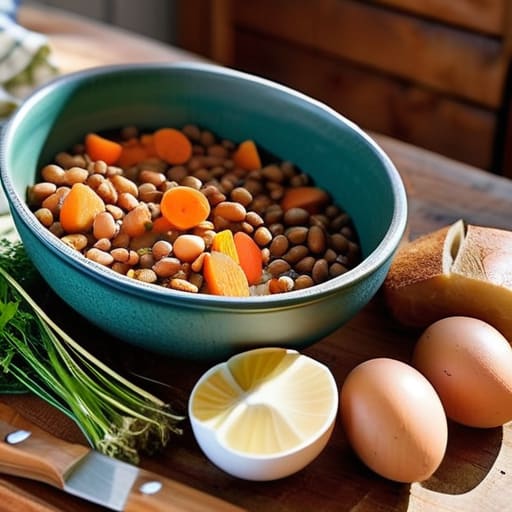
The real secret to keeping your sanity—and your bank account—is leaning heavily on pantry staple recipes. Before you even touch a grocery app, audit what you already have. If you’ve got half a bag of lentils and some rice in the back of the cupboard, that’s a meal that’s already paid for. By building your weekly plan around what’s already in your kitchen, you aren’t just saving money; you’re drastically reducing food waste. This isn’t about eating the same bland meal five days in a row; it’s about being smart with your inventory so you aren’t throwing money in the trash every Sunday night.
Grocery Shopping on a Budget to End Decision Fatigue
If you’ve ever stood in the middle of a grocery aisle, staring blankly at twenty different brands of pasta sauce while your mental battery hits zero, you’ve experienced decision fatigue. It’s a productivity killer. When we shop without a system, we don’t just spend more money; we burn through the mental energy we need for the rest of our day. To fix this, I treat my grocery trips like a deployment: everything needs a pre-defined path. Stop wandering the aisles and start sticking to a strict, list-based protocol. By leaning into grocery shopping on a budget through a disciplined list, you eliminate those impulse buys that quietly bleed your bank account dry.
The real secret to streamlining this process is building a rotation around your pantry staple recipes. I’m talking about the stuff that never expires and costs pennies—lentils, rice, canned tomatoes, and oats. When you have a foundation of reliable ingredients, you aren’t reinventing the wheel every Tuesday night. Instead, you’re just assembling high-quality meals from a predictable inventory. This approach doesn’t just save cash; it’s one of the most effective ways of reducing food waste because you’re actually using what you buy rather than letting it rot in the crisper drawer.
Five High-Impact Swaps to Trim Your Food Expenses
- Stop buying pre-cut veggies and individual snack packs. You’re essentially paying a “convenience tax” for someone else to do the knife work. Buy the whole head of broccoli or the large bag of carrots and spend ten minutes on Sunday prepping them; your bank account will thank you.
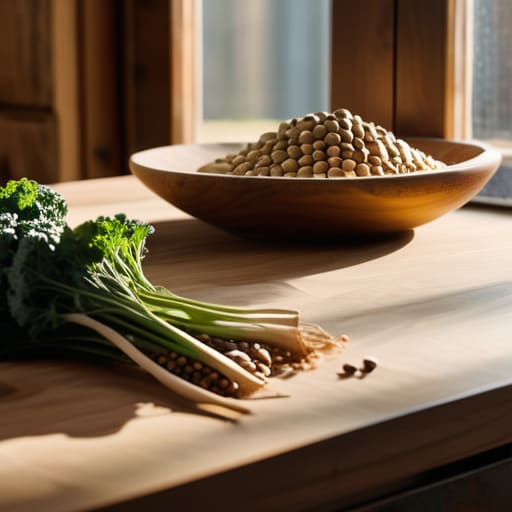
- Lean heavily on “modular” ingredients like grains, legumes, and frozen vegetables. A big bag of dried lentils or a bulk box of quinoa serves as a foundation you can pivot between different flavor profiles—tacos one night, a grain bowl the next—without needing expensive, specialized ingredients for every single meal.
- Treat your freezer like a secondary pantry. Frozen produce is often more nutrient-dense than the “fresh” stuff that’s been sitting on a truck for a week, and it won’t turn into a science experiment in the bottom of your crisper drawer if you forget about it.
- Audit your spice cabinet before you shop. There is nothing more frustrating than getting halfway through a recipe only to realize you’re out of cumin, or worse, realizing you’ve spent $40 on spices you only use once a year. Build a core kit of versatile seasonings and stick to them.
- Master the art of the “repurposed leftover.” Instead of seeing yesterday’s roasted chicken as a finished meal, view it as a component. Shred it into a salad, toss it into a pasta, or fold it into an omelet. It eliminates food waste and slashes the time you spend standing over a stove.
## The Philosophy of the Low-Friction Kitchen
“Cooking on a budget isn’t about deprivation or eating bland leftovers; it’s about building a better system. When you stop treating every meal like a high-stakes decision and start treating your kitchen like an optimized workflow, you stop wasting money and start reclaiming your time.”
Nathaniel 'Nate' Brooks
Streamlining Your Kitchen Routine

At the end of the day, cooking on a budget isn’t about deprivation or eating bland, repetitive meals. It’s about building a reliable system that works for you, rather than against you. We’ve looked at how intentional meal planning can strip away the mental load, and how a structured grocery run can stop those impulse buys from draining your checking account. When you stop treating every dinner as a brand-new logistical problem and start seeing it as a series of small, repeatable wins, the friction starts to disappear. You aren’t just saving money; you’re reclaiming the time and mental energy you used to waste on decision fatigue.
Don’t feel like you have to overhaul your entire kitchen overnight. If you try to implement every single optimization at once, you’re just going to burn out—and we both know how that ends. Start with one small tweak this week. Maybe it’s just committing to a single grocery list or choosing one night to cook from what’s already in your pantry. The goal isn’t to become a master chef or a financial wizard; it’s to create a lifestyle that is sustainable and efficient. Focus on the progress, not the perfection, and eventually, these small adjustments will become your new, effortless baseline.
Frequently Asked Questions
How do I keep my meals varied so I don't end up eating the exact same three things every single week?
The trick is to stop thinking in terms of entire recipes and start thinking in terms of “modular ingredients.” I keep a rotation of three proteins, three grains, and five versatile veggies in my pantry and freezer. Instead of a new meal, I just swap the flavor profile. One week it’s a Mediterranean bowl with chickpeas and lemon; the next, it’s a spicy taco bowl with the same base. It’s low friction, high variety.
Is it actually cheaper to buy in bulk, or am I just wasting money on stuff that sits in my pantry forever?
It depends entirely on your consumption velocity. If you’re buying a five-pound bag of lentils because they’re cheap, but they sit there for eighteen months gathering dust, you haven’t saved money—you’ve just converted cash into pantry clutter. I use a simple rule: only buy in bulk if it’s a non-perishable staple you use weekly. If it’s a “maybe” item, stick to the smaller, more expensive unit. Don’t let a “deal” trick you into overspending.
What are some high-protein, low-cost staples I should always keep on hand to avoid expensive takeout?
If you want to stop the “I’m too tired, let’s just order DoorDash” cycle, you need protein that’s ready to go. Keep dried lentils and canned beans in the pantry; they’re dirt cheap and shelf-stable. For the fridge, grab a carton of eggs and some Greek yogurt. If you can swing it, frozen chicken breasts are a lifesaver. These are my go-to building blocks for quick, high-protein meals that don’t break the bank.
How do I manage food waste so I’m not literally throwing money into the trash at the end of the week?
The easiest way to stop the bleeding is to treat your fridge like a high-priority inventory system. I started using the “Eat Me First” bin—a dedicated container for anything nearing its expiration date. If it’s in there, it’s the priority for tonight’s dinner. Also, stop overbuying produce; buy what you actually need for your plan, not what looks good on sale. If you can’t finish it, freeze it. Don’t let good money rot.