I spent most of my twenties thinking that learning how to build a balanced meal required a degree in nutrition and a kitchen full of expensive, specialized gadgets. I used to stare at meal prep blogs that looked more like art installations than actual food, feeling like if I wasn’t weighing out organic microgreens on a digital scale, I was somehow failing. It’s exhausting, and frankly, it’s a waste of mental bandwidth. We’ve been sold this idea that healthy eating has to be a high-maintenance project, but that’s just another way to create friction in an already busy life.
I’m not here to give you a lecture on macronutrient ratios or suggest you spend your entire Sunday meal prepping in Tupperware prisons. Instead, I want to show you how to strip away the complexity and focus on a few simple, repeatable frameworks that actually work when you’re tired after a long shift. My goal is to give you a system—not a diet—that helps you fuel your body without turning your kitchen into a second job. We’re going to focus on small, actionable adjustments that make eating well feel like a routine, not a chore.
Table of Contents
The Nutritional Plate Method for Busy People
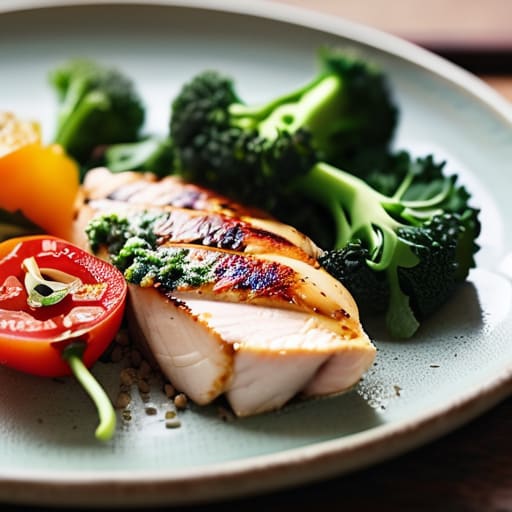
Look, I don’t have the bandwidth to weigh every gram of chicken or track every calorie in a spreadsheet like I do for my server logs. When life gets hectic, the last thing I want to do is perform complex math just to eat lunch. That’s where the nutritional plate method comes in. It’s a visual system that bypasses the mental load of calorie counting by using your eyes instead of a scale. Think of it as a quick heuristic for your dinner plate: half the space goes to non-starchy vegetables, a quarter to high-quality protein, and the final quarter to complex carbs.
This approach isn’t about restriction; it’s about optimizing your protein vegetable carbohydrate ratio so you don’t crash two hours after eating. If you fill half your plate with greens, you’re essentially automating your fiber intake, which keeps you full longer. By mastering these healthy food proportions, you stop guessing and start executing. You don’t need a PhD in nutrition to get this right; you just need to stop treating every meal like a math problem and start treating it like a simple, repeatable system.
Mastering Your Protein Vegetable Carbohydrate Ratio
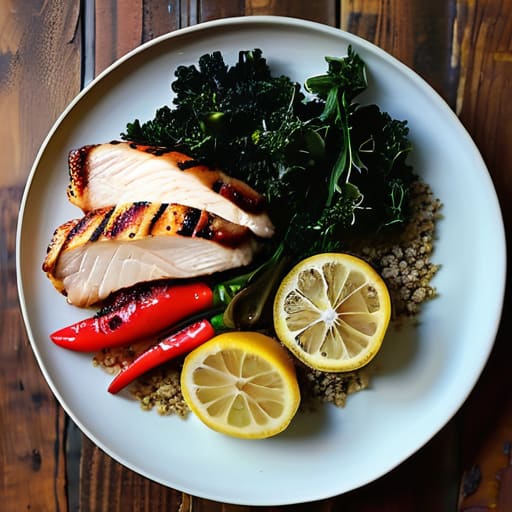
Look, I’m not interested in counting every single gram of food like it’s a data entry project. That’s a fast track to burnout. Instead, I treat my meals like a system that needs to be balanced for optimal performance. The secret isn’t in the math; it’s in the protein vegetable carbohydrate ratio. If you get this ratio right, you’re essentially automating your satiety. I aim for a heavy lean on protein and fiber to keep my blood sugar from spiking, which prevents that inevitable 3:00 PM brain fog that kills my productivity.
When I’m meal prepping for the week, I use a mental macronutrient distribution guide that’s much simpler than any app. I start with my protein—usually chicken, tofu, or lean beef—and aim for a portion about the size of my palm. Then, I fill half the space with whatever greens are in the fridge. The carbs are my “energy fuel,” so I keep those to about a quarter of the plate. It’s a basic form of portion control for healthy eating that doesn’t require a scale or a spreadsheet. Once you nail this ratio, you stop thinking about “dieting” and start just eating for efficiency.
Five Low-Friction Hacks for Better Plates
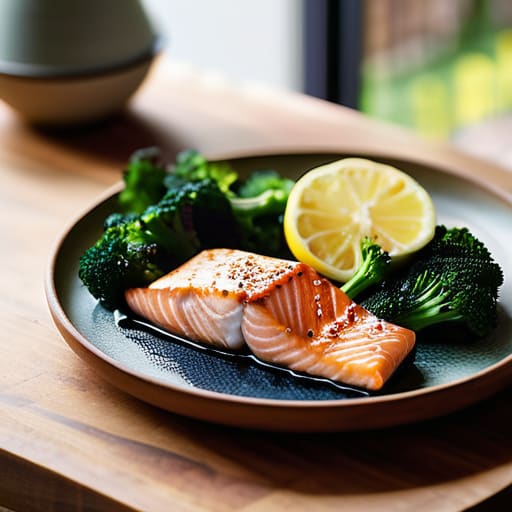
- Stop buying individual ingredients for every meal. I’ve learned that buying versatile staples—like a big bag of quinoa, frozen broccoli, and bulk chicken thighs—makes building a balanced plate a five-minute task rather than a chore.
- Use the “emergency frozen veggie” rule. Keep a bag of frozen mixed vegetables in the freezer at all times. If you realize your meal is looking a little heavy on the carbs, you can toss a handful into the pan to add fiber without any prep work.
- Don’t fear the sauce, just watch the sugar. A meal can be perfectly balanced, but if you drown it in a high-sugar BBQ sauce, you’re going to crash by 3 PM. Stick to olive oil, lemon, or hot sauce to keep the macros clean.
- Prep your proteins in batches. There is nothing that kills my productivity like standing over a stove at 6:30 PM. If I cook two pounds of protein on Sunday, I can assemble a balanced meal in the time it takes to toast a piece of bread.
- Aim for the “visual check” rather than the scale. You don’t need a kitchen scale to be efficient. If your plate looks like a sea of white rice with a tiny piece of meat, you’ve got the ratio wrong. Aim for color and volume, not just calories.
## The Philosophy of the Plate
“Stop treating meal prep like a chemistry lab experiment. You don’t need a PhD in nutrition to eat well; you just need a repeatable system that prioritizes fuel over friction.”
Nathaniel 'Nate' Brooks
Stop Overthinking Your Next Meal
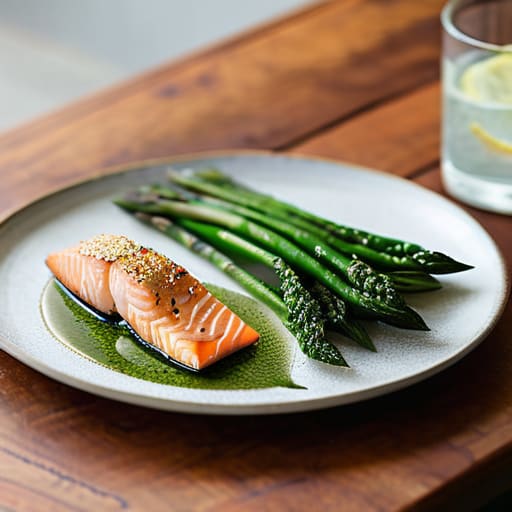
At the end of the day, building a balanced meal isn’t about tracking every single microgram of fiber or obsessing over a perfect macro split. It’s really just about the mechanics: getting your protein sorted, adding a handful of greens, and choosing a carb that won’t leave you crashing by 3:00 PM. Once you grasp the Plate Method and get comfortable with those basic ratios, the decision fatigue starts to vanish. You aren’t trying to engineer a masterpiece every time you open the fridge; you’re just trying to build a reliable system that fuels your body without draining your mental bandwidth.
My advice? Don’t let the fear of doing it “wrong” stop you from doing it at all. If you end up with a plate that’s a little heavy on the carbs or light on the veggies one night, it’s not a system failure. It’s just data for next time. Life is messy, and your diet will be too, but if you focus on these small, repeatable adjustments, you’ll find that healthy eating stops feeling like a chore and starts feeling like just another part of a well-oiled routine. Just aim for better, not perfect.
Frequently Asked Questions
What if I'm eating out or ordering takeout? How do I apply this without feeling like a social outcast?
Look, I get it. You don’t want to be the person lecturing the waiter while your friends are just trying to enjoy a burger. You don’t need to be a social outcast to stay on track. Just use the “swap and subtract” rule. Ordering a pasta dish? Swap half the noodles for extra veggies. Getting takeout? Ask for the dressing on the side. It’s not about being rigid; it’s about making smart, low-friction adjustments.
How much of a difference does meal prepping actually make if I'm only doing it once a week?
Look, if you’re only prepping once a week, you’re not building a gourmet buffet; you’re building a safety net. Even if it’s just roasting a massive tray of veggies and grilling some chicken on Sunday, you’re effectively eliminating the “decision fatigue” that usually leads to expensive, mediocre takeout on a Tuesday night. It’s about reducing friction. You aren’t aiming for a perfect kitchen; you’re just making sure you have a baseline of decent fuel ready to go.
I’m trying to save money—what are the cheapest protein and carb sources that actually taste good?
Look, you don’t need expensive organic supplements to hit your macros. For protein, I lean heavily on dried lentils, canned tuna, and eggs—they’re reliable, shelf-stable, and incredibly cheap per gram. For carbs, skip the fancy grain blends and stick to bulk bags of jasmine rice, oats, or sweet potatoes. If you buy these in larger quantities and prep them in batches, you’re not just saving money; you’re eliminating the decision fatigue of mealtime.
Is there a way to do this for breakfast and lunch, or is this mostly just for dinner?
Absolutely. If you only apply this to dinner, you’re leaving too much efficiency on the table. I use the same logic for my morning oatmeal—just swap the heavy grains for more protein or berries to avoid that 10:00 AM brain fog. For lunch, it’s even easier: think of a grain bowl or a salad with a solid protein source. It’s not about different rules for different meals; it’s just about applying the same system everywhere.