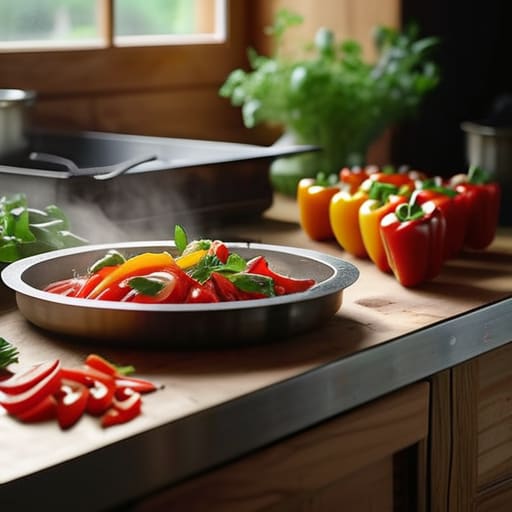
I remember standing in my kitchen at 7:00 PM on a Tuesday, staring blankly into a fridge full of half-used vegetables and feeling that familiar, heavy sense of defeat. I was exhausted from a day of troubleshooting system errors, and the last thing I wanted to do was play chef. Most “expert” advice on batch cooking for beginners makes it sound like you need a professional-grade kitchen and four hours of uninterrupted focus to succeed. They tell you to spend your entire Sunday measuring out grams of quinoa and prepping twenty identical plastic containers, which is a fast track to burnout, not a solution for it.
I’m not here to sell you on a lifestyle overhaul or some Pinterest-perfect aesthetic that requires a degree in culinary arts. My goal is to help you build a functional system that actually works when your energy is low. I’m going to show you how to use a few simple, repeatable methods to prep food that tastes good on Thursday, not just Monday. We aren’t aiming for a gourmet buffet; we’re just aiming to eliminate the decision fatigue that ruins your evenings.
Table of Contents
Smart Weekly Meal Planning Tips That Actually Stick
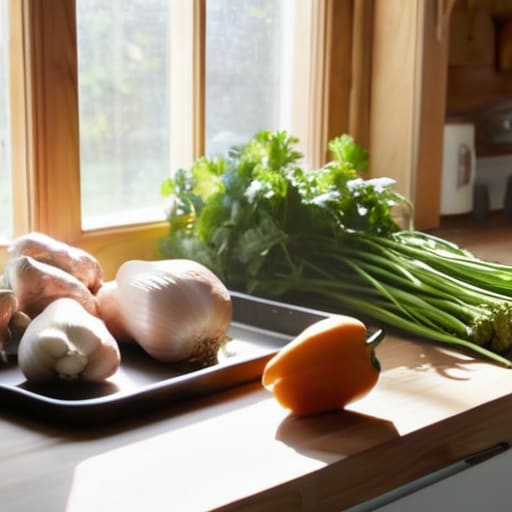
The biggest mistake I see people make is trying to plan a gourmet five-course menu every Sunday. That’s a recipe for burnout, not efficiency. Instead, I treat my planning like a systems audit: look at what you already have in the pantry before you even touch a grocery app. I find that the most effective weekly meal planning tips involve picking just two proteins and three versatile vegetables to rotate through the week. This reduces decision fatigue and keeps your grocery bill from spiraling. If you try to cook something entirely new every single night, you’ll eventually give up and order takeout.
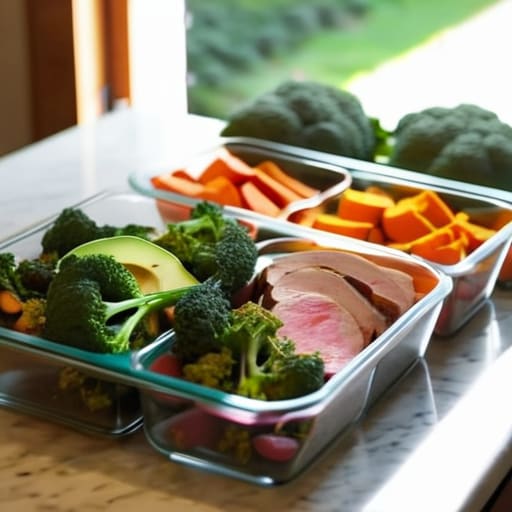
Once you have the plan, you need the right hardware to make it sustainable. Don’t bother with cheap, flimsy plastic that stains the second you put tomato sauce in it; invest in a few decent meal prep containers for beginners that actually seal tight and stack neatly in the fridge. I’m a big believer in the “component method”—prepping ingredients like roasted sweet potatoes, shredded chicken, or sautéed greens separately rather than making finished meals. This gives you the flexibility to mix and match flavors throughout the week so you don’t feel like you’re eating the exact same thing every single day.
Simple Batch Cooking Meal Ideas to Get Started
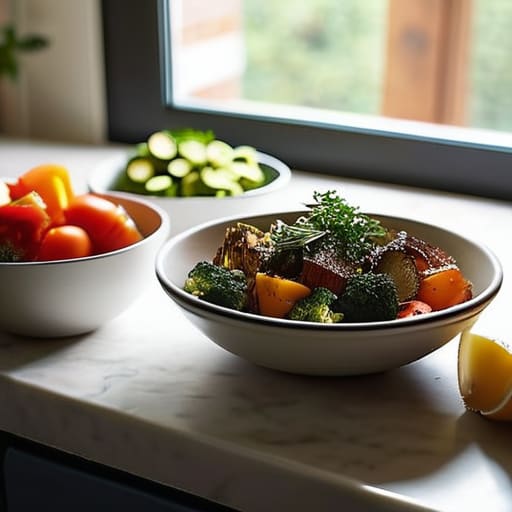
If you’re staring at a blank meal plan, don’t try to reinvent the wheel with complex recipes. Start with “component cooking”—it’s much more flexible. Instead of making five identical containers of chicken and broccoli, just roast two trays of seasoned vegetables and a large batch of a versatile protein like pulled pork or seasoned ground turkey. This gives you a base you can pivot between different flavors throughout the week. One night it’s a burrito bowl, the next it’s a quick Mediterranean salad. It’s one of my favorite time saving kitchen hacks because it prevents the “food fatigue” that usually kills my motivation by Wednesday.
Another solid approach is leaning into one-pot wonders like hearty chili, lentil soup, or a big tray of roasted root vegetables and sausage. These are perfect batch cooking meal ideas because they actually taste better the next day after the flavors have had time to settle. If you find yourself making more than you can eat in a single week, don’t let it clutter your fridge; use a simple freezing cooked meals guide approach by portioning the extras into airtight bags immediately. It turns your Sunday effort into a “safety net” of easy dinners for those inevitable nights when you’re too drained to even think about cooking.
Five Ways to Keep Your Batch Cooking From Becoming a Chore
- Don’t try to be a Michelin-star chef on a Sunday afternoon. Start with one “anchor” protein—like a big batch of shredded chicken or seasoned ground beef—and use it across three different meals. It keeps the cooking window short and prevents you from feeling like you’re working a double shift in your own kitchen.
- Invest in decent, stackable containers. I learned this the hard way after a week of digging through mismatched Tupperware that wouldn’t seal. If your containers are uniform and clear, you can see exactly what you have at a glance, which stops you from overbuying groceries or letting things rot in the back of the fridge.
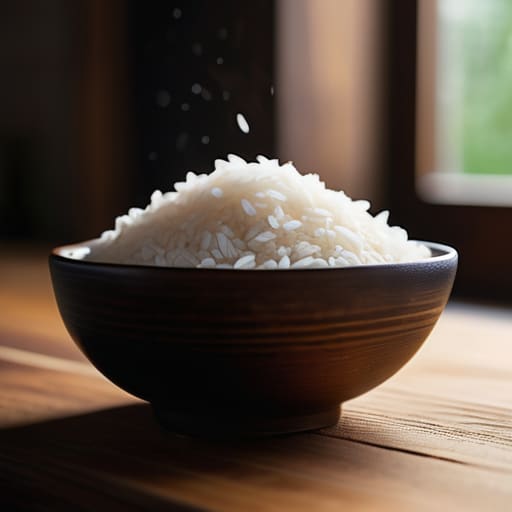
- Embrace the “component” method instead of full recipes. Instead of making five identical heavy casseroles that make you feel sluggish by Wednesday, prep individual components: a big bowl of roasted veggies, a pot of grains, and a couple of proteins. It gives you the flexibility to mix and match flavors so you don’t get “food fatigue.”
- Keep your spice cabinet organized and accessible. If you have to hunt through a cluttered pantry every time you need cumin, you’ll lose momentum. Having a streamlined setup makes the actual assembly phase of batch cooking feel like a quick system update rather than a scavenger hunt.
- Leave a little room for error. Don’t plan a meal prep that takes up your entire Sunday. Aim for a 90-minute window. If you try to prep every single calorie for the week in one sitting, you’ll burn out by week two and go right back to ordering takeout. Build in some margin so the system actually stays sustainable.
The Philosophy of the Prep
“Batch cooking isn’t about becoming a gourmet chef on a Sunday afternoon; it’s about building a system that buys you back your sanity on a Tuesday night when you’re too tired to think.”
Nathaniel 'Nate' Brooks
Stop Overthinking It and Just Start
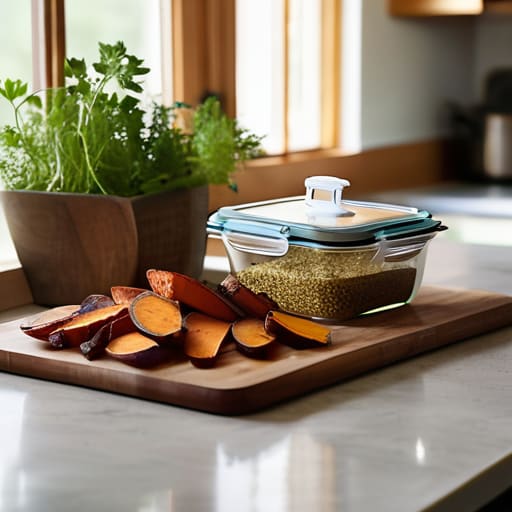
At the end of the day, batch cooking isn’t about becoming a Michelin-star chef or spending your entire Sunday hunched over a cutting board. It’s about the systems we discussed: picking a few versatile recipes, planning your week before the chaos hits, and leaning into the simplicity of prepared ingredients. You don’t need to prep twenty different meals to see a difference; even just having a batch of seasoned protein or a large pot of grains ready in the fridge can drastically reduce the mental load of deciding what’s for dinner when you’re exhausted at 6:00 PM.
Look, I know the idea of changing your routine feels like just another chore on an already overflowing to-do list. But I promise you, the friction you feel every single evening is much more draining than the hour you spend prepping on a Sunday. Don’t aim for a perfectly organized, aesthetic fridge like you see on Instagram. Just aim for a system that works for your life and your schedule. Once you get those first few wins under your belt, you’ll realize that you aren’t just saving money or food—you’re actually reclaiming your time for the things that actually matter.
Frequently Asked Questions
How do I keep the food from tasting like it’s been sitting in the fridge for five days?
The “fridge fatigue” is real, and it usually comes down to two things: moisture and texture. If you’re throwing everything into one big container, the sauces turn everything into mush. Instead, treat your containers like a system. Keep your proteins and grains separate, and never dress a salad or add sauce until the moment you’re actually eating. Also, invest in decent glass containers; they hold temperature better and don’t hold onto those weird plastic smells.
Do I really need to buy a bunch of expensive matching containers, or can I just use what I have?
Look, I get the temptation. Those sleek, glass sets look great on Instagram, but let’s be real: they’re an unnecessary friction point. If you’re waiting for a perfect matching set to start, you’ll never actually start. Just use what you have—mismatched Tupperware, old deli containers, even glass jars. The goal is to streamline your week, not curate a kitchen museum. As long as they’re airtight and stackable, they’re doing their job.
What’s the best way to freeze things without ending up with a block of ice that's impossible to portion out?
The biggest mistake I see is tossing a giant mass of food into a single bag and hoping for the best. You end up with a frozen brick that’s useless unless you thaw the whole thing.
How much time am I actually going to spend in the kitchen on a Sunday versus the time I'm saving during the week?
Look, I get it. You’re staring at a mountain of Tupperware wondering if this is actually worth the Sunday afternoon sacrifice. Here’s the math: you’ll likely spend two to three hours in the kitchen on Sunday. But in exchange, you’re reclaiming about 30 to 45 minutes every single weeknight. You aren’t just saving time; you’re eliminating the “decision fatigue” of staring blankly at a fridge at 6:00 PM. That’s a massive win for your mental bandwidth.