I used to stare at the Tupperware graveyard in the back of my fridge every Sunday night, feeling that familiar sting of wasted money and wasted effort. There is this pervasive, annoying myth that knowing how to use leftovers requires some kind of culinary degree or an endless supply of niche ingredients you’ll only use once. Honestly, that’s just bad systems design. I spent my twenties throwing away perfectly good protein because I didn’t have a plan, treating my groceries like a disposable resource rather than the investment they actually are.
I’m not here to give you a list of “gourmet transformations” that take an hour to prep. Instead, I want to show you how to build a repeatable framework for your kitchen. I’m going to share the specific, low-friction methods I use to turn last night’s roasted chicken or half a bag of wilted spinach into a functional meal in under fifteen minutes. We aren’t aiming for a Michelin star here; we are just aiming to stop the bleed in your grocery budget and reclaim your evening.
Table of Contents
Smart Food Waste Reduction Tips for Busy People
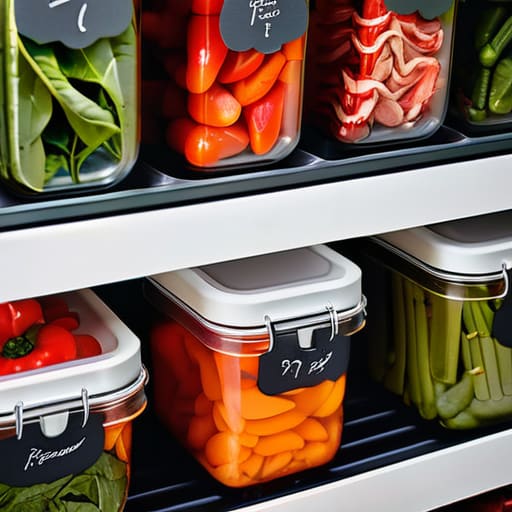
If you’re like I was in my early twenties, you probably treat the fridge like a graveyard for expensive groceries. We’ve all been there—buying a massive pack of chicken breasts with the best intentions, only to watch them turn into science experiments by Friday. To break this cycle, you need to stop viewing leftovers as “old food” and start seeing them as pre-processed ingredients. One of my favorite food waste reduction tips is to dedicate a specific container in your fridge—I call it the “Use Me First” bin—for anything that’s nearing its expiration date. It’s a simple visual cue that removes the decision fatigue when you’re tired after a long shift.
Another way to reclaim your time is through repurposing cooked proteins. Instead of trying to eat the exact same meal three nights in a row (which is a one-way ticket to burnout), shift the format. That roasted salmon from Tuesday? Flake it into a quick grain bowl with some avocado on Wednesday. That batch of ground beef? Toss it into a taco shell or a quick pasta sauce. By focusing on creative kitchen hacks rather than rigid meal plans, you turn your kitchen into a high-efficiency system that actually works with your schedule, not against it.
Mastering the Art of Storing Leftovers Safely
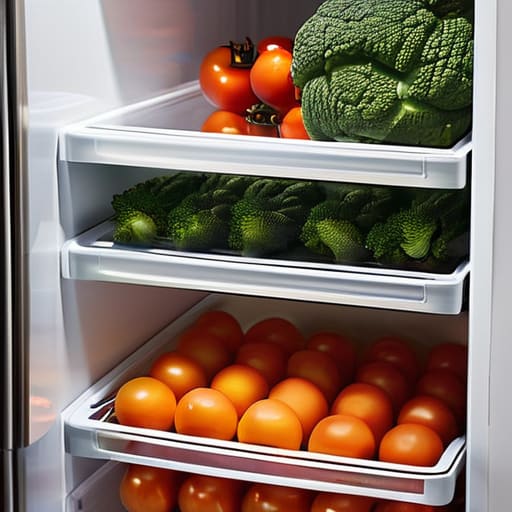
Look, there is no point in being efficient if you end up throwing half your groceries in the trash because something turned fuzzy in the back of the fridge. Storing leftovers safely is the foundation of any good system; if the storage fails, the whole plan collapses. I’ve learned the hard way that the “toss it in a Tupperware” method is too vague. You need to invest in a set of high-quality, airtight glass containers. They don’t stain, they don’t hold onto old smells, and they actually seal properly, which is the difference between a meal lasting three days or becoming a science project.
When it comes to repurposing cooked proteins, timing is everything. I try to get everything into the fridge within two hours of cooking. If you’re planning a larger meal prep with leftovers for the week ahead, don’t just stack everything in one massive pile. Portion things out into individual servings immediately. It’s much easier to grab one container for lunch than to fight with a giant, lukewarm pot of chili every morning. Also, a quick tip from my own kitchen: label your containers with a piece of masking tape and a sharpie. It feels a little overkill, but knowing exactly when that roasted chicken was cooked takes the guesswork—and the anxiety—out of your meal planning.
The "Component Method": Turning Ingredients into New Meals
- Stop viewing leftovers as “old meals” and start seeing them as pre-prepped components. That roasted chicken isn’t just dinner from Tuesday; it’s the protein base for a quick pesto pasta or a hearty chicken salad on Wednesday.
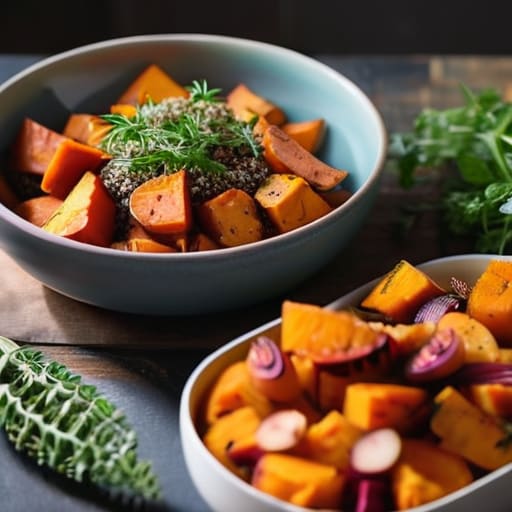
- Build a “base” mindset for your grains and starches. If you have extra quinoa, rice, or roasted sweet potatoes, don’t just reheat them in a bowl. Throw them into a breakfast hash or a grain bowl with a fresh egg to change the texture and flavor profile entirely.
- Master the “Transformative Sauce” trick. A heavy, creamy pasta sauce might feel unappealing the next day, but if you thin it out with a little broth or coconut milk, it becomes a base for a different soup or a dipping sauce for roasted veggies.
- Keep a “Rescue Kit” in your pantry. Having high-impact items like soy sauce, sriracha, feta cheese, or toasted nuts on hand allows you to pivot a boring leftover into something that feels intentional rather than just “reheated.”
- Use the “One-New-Ingredient” rule. To prevent leftover fatigue, always add one fresh, crunchy, or acidic element to your repurposed meal—like a squeeze of lime, some fresh cilantro, or sliced radish. It breaks the monotony and makes the meal feel new.
The Philosophy of the Reused Meal
“Leftovers shouldn’t feel like a chore or a compromise; they’re just ingredients that have already been paid for. When you view them as a head start on your next meal rather than a relic of your last one, you stop wasting money and start reclaiming your time.”
Nathaniel 'Nate' Brooks
Streamlining Your Kitchen Routine
At the end of the day, managing leftovers isn’t about becoming a gourmet chef or a master of food preservation; it’s about building a better system for your kitchen. We’ve covered how to shop with intention to reduce waste, the right way to store your meals so they actually stay fresh, and how to transform yesterday’s dinner into a brand-new meal without much effort. When you stop viewing leftovers as “old food” and start seeing them as pre-prepped ingredients, you reclaim both your time and your grocery budget. It’s a small shift in perspective, but it’s one that eliminates the daily decision fatigue that usually hits right around 6:00 PM.
I know it can feel like just another chore on an already overflowing to-do list, but I promise you that the payoff is worth the initial setup. You don’t need to overhaul your entire life or buy a dozen specialized containers to see the benefits. Just start small—maybe it’s just committing to one “repurpose night” a week or finally investing in some decent airtight glass containers. My goal isn’t to help you achieve a perfect, zero-waste lifestyle; I just want to help you remove the friction from your evening routine. Once you get these systems running in the background, you’ll find you have more mental energy for the things that actually matter.
Frequently Asked Questions
How long can I actually keep leftovers in the fridge before they become a safety risk?
Look, I’m a big believer in systems, but I’m not a fan of playing food roulette. Generally, you’ve got a three-to-four-day window for most cooked meals before things get dicey. If it’s seafood or something heavy on the cream, aim for the shorter end of that scale. My rule of thumb? If you can’t remember when you actually cooked it, or if the texture feels “off,” just toss it. It’s not worth the risk.
Are there specific containers I should be using to keep food from getting soggy or tasting like the fridge?
If you’re tired of your leftovers tasting like whatever onion soup is sitting in the back of the fridge, ditch the cheap, thin plastic. Invest in glass containers with airtight silicone seals—they don’t absorb odors and they won’t stain. For anything crispy, like roasted veggies or fried proteins, avoid sealing them completely while they’re still warm. Use a paper towel at the bottom of a shallow container to absorb excess moisture and prevent that dreaded sogginess.
How do I reheat things so they don't end up dry or rubbery?
The biggest mistake people make is treating the microwave like a magic wand. If you want to avoid that rubbery, sad texture, stop blasting it on high. Use medium power and add a splash of water or broth to create steam—it’s a game changer for rice and pasta. For proteins like chicken, I actually prefer a skillet with a lid on low heat. It keeps the moisture locked in so you aren’t chewing on leather.
What’s the best way to freeze leftovers without losing all the texture and flavor?
The trick is to stop thinking about leftovers as “old food” and start thinking about them as ingredients. If you want to preserve texture, avoid freezing things with high water content like delicate greens or creamy sauces—they’ll turn into a sad, separated mess once thawed. Instead, flash-freeze components separately. For proteins, use airtight vacuum bags to prevent freezer burn. It’s all about minimizing air contact and managing moisture.