I used to think that achieving the perfect meal required a kitchen full of specialized gadgets and a recipe book thick enough to use as a doorstop. I spent far too much of my early twenties thinking that if I didn’t have a professional-grade copper pot or a degree in culinary arts, I’d never figure out how to cook pasta perfectly. I’d end up with a bowl of gummy, overcooked starch that felt more like a chore to eat than a reward at the end of a long workday. It was a complete waste of time and, more importantly, a waste of good ingredients.
I’m not here to sell you on some expensive, complicated system or a ten-step ritual that requires a sous-chef. Instead, I want to show you how to optimize the process using the basic tools you already have in your cupboard. I’m going to break down the few, high-impact adjustments—like salt ratios and timing—that actually make a difference. My goal is to help you eliminate the friction in your kitchen routine so you can stop overthinking the mechanics and just enjoy a damn good bowl of pasta.
Table of Contents
The Truth About Boiling Water for Pasta
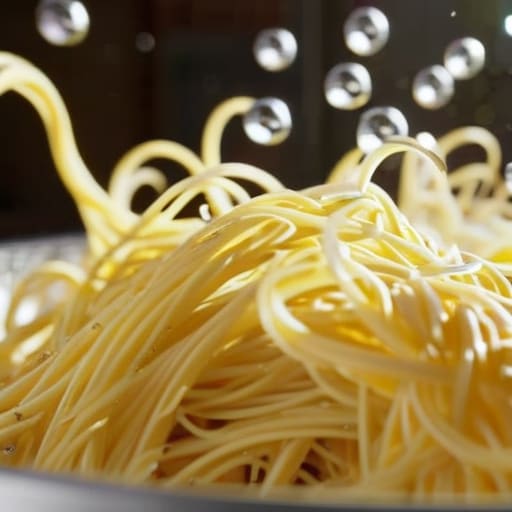
Most people treat boiling water like a background task—something you just set and forget while you scroll through your phone. But if you want to actually master the process, you need to treat the pot like a controlled environment. The biggest mistake I see is using a pot that’s too small or not using enough water. If the pot is cramped, the starch concentration gets too high, too fast, and you end up with a gummy, clumping mess. You want enough volume so the temperature recovers quickly once the pasta hits the heat.
Then there’s the salt debate. I’m not talking about a light sprinkle; I’m talking about salting pasta water correctly so it actually tastes like something. Think of it as your only chance to season the pasta from the inside out. If you wait until the end to add salt, you’re just seasoning the surface, and the texture will feel hollow.
Finally, don’t be so quick to dump that liquid down the drain when you’re done. That cloudy, starchy liquid is gold. I always save a cup of pasta water for sauces because the starch acts as a natural emulsifier. It’s the secret to getting a sauce to actually cling to the noodles rather than just sliding off to the bottom of the bowl.
Salting Pasta Water Correctly Without Overdoing It
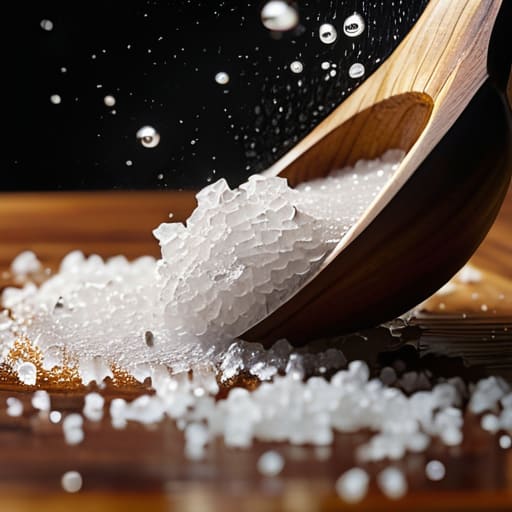
Most people treat salt like an afterthought, tossing in a tiny pinch right before the noodles hit the pot. That’s a mistake. If you want to actually flavor the dough from the inside out, you need to be aggressive with it. I like to think of it as seasoning the foundation. A good rule of thumb is to aim for water that tastes like the sea—not quite ocean-level, but definitely not bland. This is the most critical step in salting pasta water correctly because once that starch is released, you can’t go back and fix the seasoning.
However, there is a fine line between seasoned and salty. If you’re using a heavy, salty sauce like a traditional carbonara or a concentrated pomodoro, you might want to dial the salt back just a hair. But for most recipes, that extra salinity is what allows you to achieve al dente texture that actually tastes like something.
One more thing: don’t pour that liquid gold down the drain immediately. That cloudy, starchy water is your secret weapon. I always reserve a cup of it before draining; adding a splash of that pasta water for sauces is the easiest way to emulsify your fats and create a silky, restaurant-quality coating that clings to every single strand.
Five Small Tweaks for a Professional Result
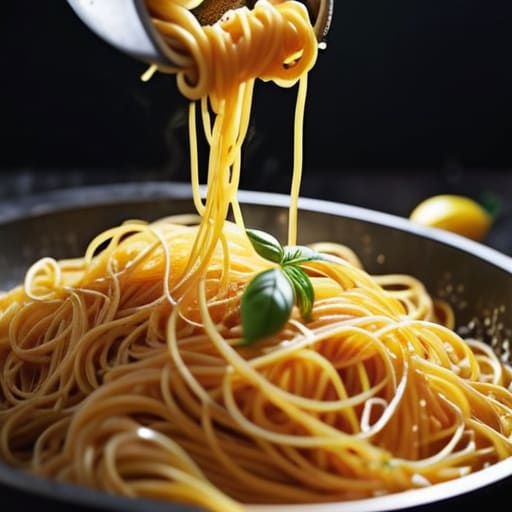
- Stop draining the water down the sink. That starchy, salty liquid is liquid gold; save a mug of it before you drain the pot so you have a way to bind your sauce to the noodles later.
- Aim for “al dente” by pulling the pasta out 60 to 90 seconds before the box says it’s done. The pasta will finish cooking in the pan with the sauce, absorbing all that flavor instead of just sitting in it.
- Ditch the oil. I used to think a splash of olive oil in the water prevented sticking, but it actually just coats the noodles in a slick film that keeps the sauce from sticking to the pasta. Just use enough water and keep it moving.
- Treat the sauce and the pasta as a single unit. Never just dump sauce on top of a pile of plain noodles. Toss them together in the pan over medium heat for a minute so the sauce actually penetrates the starch.
- Use the right vessel. If you’re using a tiny saucepan for a large box of pasta, you’re asking for a gummy, clumpy mess. Get a wide pot so the noodles have room to move freely without colliding and sticking.
The Philosophy of the Perfect Bite
“Cooking pasta isn’t about following a rigid recipe; it’s about managing the variables. If you control your water temperature, respect the salt, and learn to trust your palate over the box instructions, you stop fighting the ingredients and start actually cooking them.”
Nathaniel 'Nate' Brooks
The Final Setup
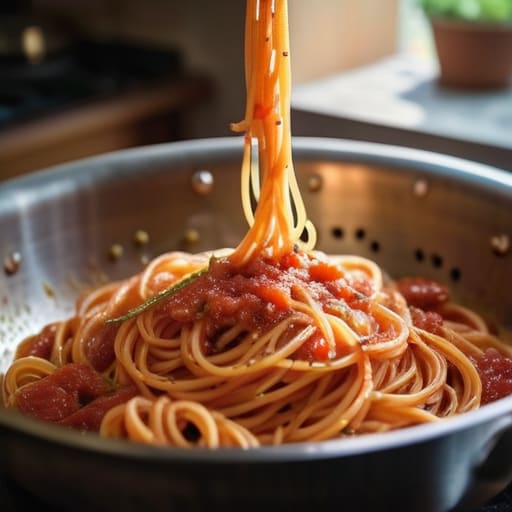
At the end of the day, cooking great pasta isn’t about mastering some complex culinary technique; it’s about managing the variables. We’ve covered the essentials: using a large enough pot so the noodles have room to move, salting that water until it actually tastes like the sea, and—most importantly—respecting the timer. If you remember to pull the pasta out a minute or two before the package says it’s done, you’ve already won half the battle. By finishing the cook directly in the sauce, you ensure that every strand is properly coated and seasoned, rather than just sitting there under a layer of oil. It’s a small system adjustment that yields a massive difference in the final result.
I know it can feel like a lot of extra steps when you’re just hungry and tired after a long shift, but I promise it’s worth the effort. We spend so much of our lives rushing through the mundane parts of our routines, but there is something deeply satisfying about taking five extra minutes to do a thing correctly. You don’t need a professional kitchen or expensive gadgets to eat well; you just need a little bit of intention and a better process. Stop settling for mushy, bland noodles and start treating your dinner like the small, restorative ritual it should be. Better systems make for better meals.
Frequently Asked Questions
Should I toss the pasta in a pan with the sauce immediately, or let it sit in the colander for a second?
Whatever you do, do not let that pasta sit in a colander. That’s how you end up with a bowl of dry, gummy noodles. The moment you drain it, you’re losing the most valuable resource in your kitchen: that starchy, salty pasta water. Transfer the noodles directly into your sauce pan. If it looks too thick, splash in a bit of that liquid gold to emulsify everything into a silky, cohesive sauce.
How much of that starchy pasta water should I actually save for the sauce?
Don’t dump the whole pot down the drain. I usually grab a mug—about a cup or so—right before I strain the noodles. That starchy liquid is basically liquid gold for your sauce. When you toss the pasta into the pan, add a splash of that water. It acts as an emulsifier, helping the fat and the sauce bind together so you get that silky, restaurant-quality coating instead of a greasy mess.
Is there a real difference between using dried pasta and fresh pasta when it comes to timing?
There’s a massive difference. Think of it like the difference between a software update and a complete system rebuild—the timelines are totally different. Dried pasta is built for durability; it needs those few minutes of boiling to hydrate and soften. Fresh pasta, however, is hyper-efficient. It usually cooks in two to three minutes. If you treat fresh pasta like dried, you’ll end up with a gummy mess. Always check the clock early.
Do I really need to stir the pasta constantly, or is that just a myth to prevent sticking?
It’s not a total myth, but you definitely don’t need to stand there like a sentry. The real danger zone is the first two minutes. When the pasta first hits the water, the starch is at its stickiest. Give it a good, thorough stir right away to break up those initial bonds. After that, a quick swirl every few minutes is plenty. If you’re using a large enough pot with plenty of water, you can relax.