I used to think that if I wasn’t spending forty-five minutes on a specialized yoga mat with a subscription-based app guiding my every breath, I wasn’t actually doing anything useful. I fell for the hype that the real benefits of stretching required expensive gear or a dedicated hour of “mindfulness” that I simply didn’t have time for between system audits and troubleshooting server errors. But here’s the reality: most of that high-end wellness industry is just noise designed to sell you a lifestyle you don’t need. You don’t need a designer mat; you just need to stop treating your body like a piece of hardware that you can ignore until it inevitably crashes.
I’m not here to sell you a spiritual awakening or a complicated new workout regimen. Instead, I want to share the low-friction, high-impact adjustments I’ve integrated into my own life to keep my joints from feeling like a rusted machine. I’ll show you how to leverage the actual, science-backed benefits of stretching through minimalist movements that fit into the gaps of your existing routine. We aren’t aiming for Olympic flexibility here—we’re just aiming to eliminate the physical friction that slows you down.
Table of Contents
Improving Range of Motion Without the Chaos

Look, I’m not a physical therapist, but as someone who spends eight hours a day hunched over a monitor, I know what it feels like when your joints start feeling like they’ve been seized by rust. If you want to see real progress in improving range of motion, you have to stop treating stretching like a chore you do once a month and start treating it like a system update. The biggest mistake I see is people jumping straight into deep, intense holds when their muscles are still cold. That’s a recipe for a pulled muscle, not a better lifestyle.
To actually see results without the chaos, you need to understand the difference between static vs dynamic stretching. I like to use dynamic movements—think controlled swings or rotations—to wake the system up before I sit down for a long work session. Save the long, held stretches for the end of the day when you’re winding down. It’s about timing the input to match your body’s current state. When you stop fighting your own mechanics and start working with them, you’ll notice that movement stops feeling like a struggle and starts feeling like a streamlined process.
Posture Improvement Through Stretching for Daily Ease
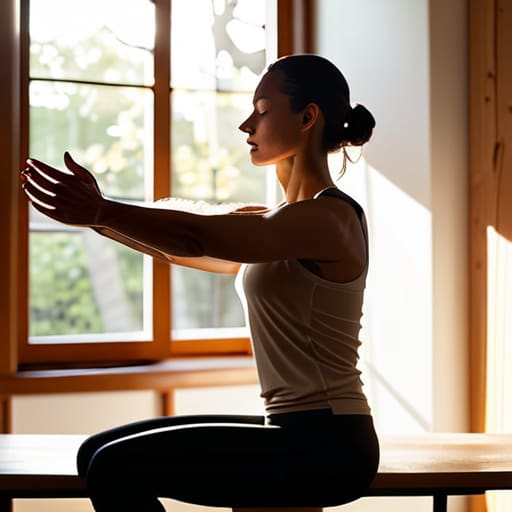
If you’re anything like me, you’ve spent a significant portion of your life hunched over a keyboard or staring down at a smartphone. Over time, that “tech neck” isn’t just a temporary ache; it becomes your default setting. I realized a few years ago that my constant tension wasn’t just a lack of fitness, it was a systemic failure of my physical alignment. This is where posture improvement through stretching becomes a non-negotiable part of the workflow. By targeting the chest and hip flexors—the two areas most likely to tighten up during a long shift—you can actually counteract that seated slump.
I don’t advocate for hour-long yoga sessions here. Instead, I focus on integrating a few specific movements into my day to prevent my body from feeling like a rusted machine. For instance, I’ve found that understanding the difference between static vs dynamic stretching is key; I use dynamic movements to wake up my joints in the morning, but I save the deeper, held stretches for the evening to help my nervous system wind down. It’s about minimizing the physical friction caused by poor alignment so you aren’t spending your entire evening fighting a dull ache in your upper back.
Five Low-Friction Ways to Make Stretching Actually Work
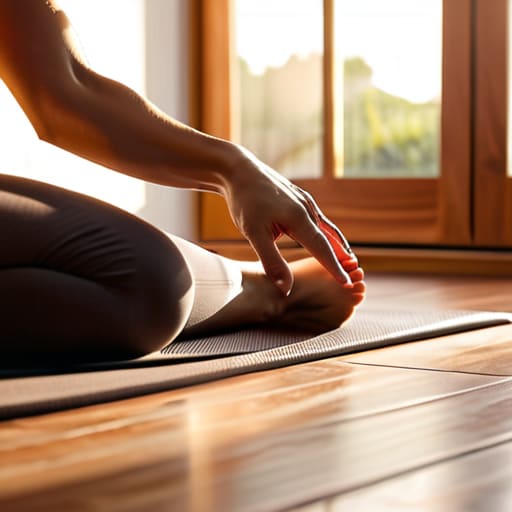
- Stop treating stretching like a workout. You don’t need a yoga mat or a 45-minute block of time; just hit a few basic movements while your coffee is brewing or during a meeting where you’re mostly just listening.
- Focus on the “desk muscles.” If you spend your day staring at a monitor, your hip flexors and chest are likely locked in a permanent state of tension. Prioritize opening those up to stop the physical compounding of a sedentary workday.
- Use dynamic movement instead of just holding static poses. Instead of just reaching for your toes and staying there, try some gentle leg swings or arm circles. It keeps the blood flowing and feels less like a chore.
- Consistency beats intensity every single time. I’d much rather do two minutes of stretching every single morning than one grueling hour-long session once a week that leaves me sore and unmotivated.
- Listen to your body’s feedback loop. If a stretch feels like a sharp, localized pain, stop. We’re looking for that “good” tension that signals a release, not an injury that’s going to derail your entire week.
The Efficiency of Movement
“Stretching isn’t about becoming a gymnast; it’s about maintenance. Think of it as clearing the cache for your body—removing the tension and friction so you can actually move through your day without feeling like a piece of legacy hardware that’s about to crash.”
Nathaniel 'Nate' Brooks
The Bottom Line
At the end of the day, stretching isn’t about becoming a contortionist or hitting some arbitrary fitness milestone. It’s about system maintenance. We’ve looked at how expanding your range of motion reduces physical friction and how fixing your posture can stop that mid-afternoon slump from turning into a full-blown backache. Whether you’re spending ten minutes on a yoga mat or just doing some quick lunges between meetings, the goal is to eliminate the physical drag that slows you down. If you treat your body like any other piece of critical hardware, you’ll realize that a little bit of regular upkeep goes a long way in preventing a total system failure.
Don’t feel like you need to overhaul your entire lifestyle overnight to see results. I used to think that if I wasn’t doing a full hour of intense mobility work, it wasn’t worth the effort, but I was wrong. Real progress lives in the small, consistent adjustments that actually stick. Pick one movement, do it daily, and let the momentum build from there. You aren’t aiming for a perfect physique; you’re just aiming to move through your world with a little more ease and a lot less pain. Start small, stay consistent, and just focus on being slightly better than you were yesterday.
Frequently Asked Questions
Do I really need to stretch every single day, or is once a week enough to see a difference?
Look, if you’re treating stretching like a heavy lifting session once a week, you’re missing the point. A weekly marathon won’t undo five days of sitting at a desk. Think of it like system maintenance: you don’t wait for a server to crash before running updates. Aim for ten minutes most days. It’s about consistent, low-friction micro-adjustments that keep the gears turning, rather than one massive overhaul that you’ll likely skip.
Should I be doing dynamic movements before a workout or static holds after I'm done?
Think of it like warming up an old synthesizer: you don’t just flip the switch and crank the volume. You need dynamic movements first—leg swings, arm circles, whatever gets the blood flowing—to prep your joints for the work ahead. Save the static holds for the cooldown. Once the session is done, that’s when you hold those long stretches to signal to your nervous system that it’s time to decompress and recover.
How do I know if I'm actually improving my flexibility or if I'm just pushing into a way that's going to cause an injury?
Look, there’s a massive difference between “productive discomfort” and “system failure.” If you feel a deep, dull pull in the muscle, you’re likely in the sweet spot. But if you hit sharp, stabbing, or radiating pain—especially near a joint—stop immediately. That’s your body’s way of flagging a critical error. Don’t try to power through it. Real progress is measured by steady, repeatable gains, not by how much pain you can tolerate.
Is there a specific time of day when stretching is most effective for reducing that midday stiffness?
Honestly, there isn’t a single “perfect” time, but if you’re fighting that specific midday slump, aim for the 2:00 PM wall. That’s usually when my body starts feeling like a rusted machine after hours of sitting. Don’t wait until you’re in pain to move. Just set a recurring calendar invite for a five-minute mobility break. Think of it as a system reset to clear the physical friction before the afternoon grind hits.