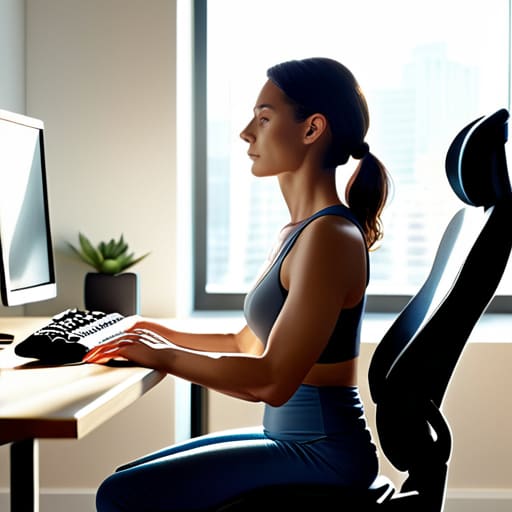
I spent most of my mid-twenties hunched over a dual-monitor setup like a gargoyle, convinced that if I just bought the right $500 ergonomic chair, my back pain would magically vanish. It was a lie. Most of the “expert” advice you see online—the expensive braces, the complicated yoga flows, the high-tech gadgets—is just noise designed to sell you something you don’t need. If you’re looking for a magic pill on how to improve your posture, you’re going to be disappointed. The truth is much more boring, but significantly more effective: it’s about managing your environment and fixing the small, systemic failures in your daily routine.
I’m not here to sell you a lifestyle overhaul or a subscription to a wellness app. Instead, I want to walk you through the practical, low-friction adjustments I’ve used to stop my body from feeling like a rusted-out machine by 3:00 PM. We’re going to focus on small, actionable tweaks to your desk, your movement, and your habits that actually stick. No fluff, no expensive gear—just a way to eliminate the friction between your body and your work so you can stop fighting yourself and start focusing on what actually matters.
Table of Contents
Small Wins Correcting Rounded Shoulders Without the Struggle

Most of us spend our days hunched over a laptop, slowly turning into a question mark. If you feel like your chest is tight and your shoulders are perpetually creeping toward your ears, you’re likely dealing with the classic “tech neck” slump. Instead of trying to force yourself into a rigid, military-style stance—which is exhausting and usually fails by lunchtime—focus on correcting rounded shoulders through small, rhythmic resets. I like to use the “doorway stretch” whenever I’m transitioning between tasks. Just stand in a doorway, place your forearms on the frame, and lean forward gently. It takes thirty seconds, but it breaks that cycle of tension that comes from the effects of sitting too long.
The real secret, though, isn’t just about stretching what’s tight; it’s about waking up what’s sleepy. When we slouch, our upper back muscles turn off and our chest muscles tighten up. To fix this, you need to integrate a few simple posture correction exercises that target the muscles between your shoulder blades. Think of it as recalibrating your hardware. Even something as simple as a “wall slide” once an hour can help re-establish your natural alignment. You don’t need a gym membership or a fancy ergonomic overhaul to see progress; you just need to stop letting your body settle into its worst habits.
Simple Spinal Alignment Techniques for Busy People
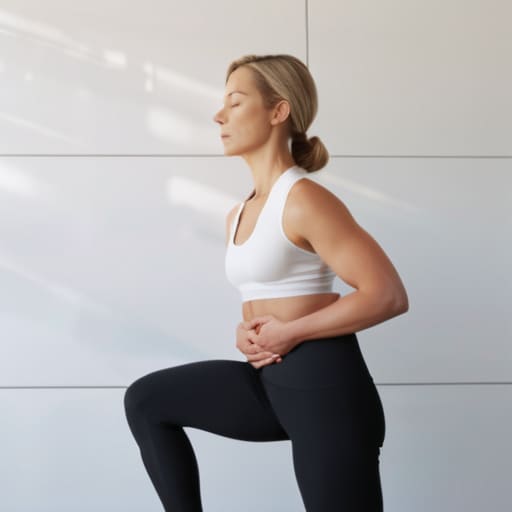
Look, I get it. You aren’t going to spend forty minutes a day on a yoga mat just to offset eight hours of desk time. Most of us are just trying to survive the workday without feeling like a question mark. If you want to address the effects of sitting too long, you don’t need a complete lifestyle overhaul; you just need to interrupt the slump. I’ve found that the most effective spinal alignment techniques are the ones that require zero extra equipment. Try the “wall sit” method during a quick coffee break: stand with your back against a flat surface and ensure your heels, glutes, and shoulder blades are all making contact. It’s a quick way to reset your nervous system and remind your body where “upright” actually is.
Beyond just standing up, we need to talk about your environment. You can do all the posture correction exercises in the world, but if your monitor is sitting on a stack of old textbooks, you’re fighting a losing battle. A basic ergonomic workspace setup—specifically getting your screen to eye level—does about 70% of the heavy lifting for you. When your eyes are looking straight ahead rather than down at your lap, your spine naturally follows suit. It’s about reducing the friction between your body and your chair.
Low-Friction Habits for a Better Setup
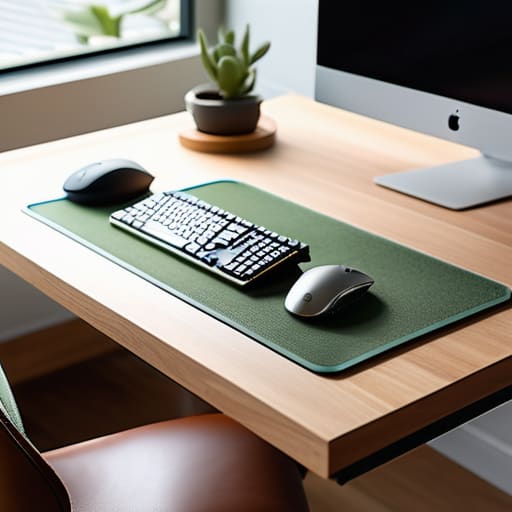
- Stop fighting your monitor; if you’re hunched over a laptop all day, your neck is paying the price. Get a cheap riser or even a stack of sturdy books to bring the screen to eye level so you aren’t constantly looking down.
- Audit your chair without buying a new one. Most of us sit too far back or lean too far forward; try using a small lumbar roll or even a rolled-up towel behind your lower back to force your spine into a more natural curve.
- Set a “movement trigger” in your workflow. Every time you finish a meeting or hit “send” on a major email, stand up and reach for the ceiling for ten seconds. It breaks the static load on your muscles before they start to lock up.
- Watch your phone usage, not just your desk posture. We spend half our lives in “tech neck” mode; instead of looking down into your lap, bring the phone up to your face. It feels weird for a day, but your cervical spine will thank you.
- Use your feet as an anchor. If you find yourself slouching or crossing your legs—which is a recipe for hip misalignment—plant both feet flat on the floor. It sounds basic, but it creates a stable foundation that makes staying upright feel less like a chore.
The Philosophy of Alignment
“Posture isn’t about performing a rigid, military-style drill every time you sit down; it’s about reducing the constant, low-level friction between your body and your environment so you can actually focus on your work instead of your ache.”
Nathaniel 'Nate' Brooks
The Long Game

At the end of the day, improving your posture isn’t about achieving some flawless, military-grade stance that feels unnatural. It’s about the small, cumulative wins we talked about—nudging your monitor up, consciously dropping your shoulders when you feel that tension creeping in, and making sure your spine isn’t doing all the heavy lifting while your core stays dormant. You don’t need a complete lifestyle overhaul or an expensive ergonomic chair to see progress. Just focus on eliminating the friction between your body and your workspace. If you can implement even two of these minor adjustments into your daily routine, you’re already ahead of the curve.
Look, I’m a systems guy, and I know that even the best-designed systems fail if you try to implement everything at once. Don’t beat yourself up if you find yourself slouching over your keyboard again by 3:00 PM; that’s just part of being human. The goal isn’t to be perfect; it’s to be slightly more intentional than you were yesterday. Treat your body like a piece of fine machinery that needs a little bit of regular calibration. If you stay consistent with these small tweaks, you’ll find that you have more energy and less physical noise to deal with by the time you clock out. Keep it simple, keep it steady, and just keep moving forward.
Frequently Asked Questions
How do I tell if my posture issues are just bad habits or something that actually needs a physical therapist?
Look, I’m a systems guy, not a doctor, so take this as a rule of thumb. If it’s just a habit, you’ll usually feel “tight” but can snap back into alignment with a conscious effort. But if you’re dealing with sharp, radiating pain, numbness in your hands, or a dull ache that won’t quit even after you stretch, that’s a hardware issue. Don’t try to patch a broken system yourself—go see a professional.
Are there specific stretches I can do at my desk without looking like a total weirdo to my coworkers?
Look, I get it. Nobody wants to be the person doing yoga in the middle of an open-plan office. To keep things low-profile, try seated spinal twists—just grab your chair arm and gently rotate your torso. You can also do “desk chin tucks” to reset your neck alignment; it just looks like you’re deep in thought. These subtle movements fix the tension without turning your cubicle into a studio session.
Does investing in a high-end ergonomic chair actually make a difference, or is it just marketing hype?
Look, I’ve spent enough time staring at spreadsheets to know that a $1,200 chair isn’t a magic fix for bad habits. If you sit like a shrimp, a Herman Miller won’t save you. However, it’s not all hype either. A high-end chair provides the structural support that cheap foam just can’t sustain over an eight-hour shift. It’s an investment in reducing friction, not a cure for a sedentary lifestyle.
How much time do I really need to spend on these adjustments every day to see a real change?
Look, I’m not going to tell you to block out an hour for “posture training.” If you tried that, you’d quit by Tuesday. The secret isn’t duration; it’s frequency. I aim for two or three minutes every few hours. Think of it like a system reboot. A quick stretch or a monitor adjustment during a coffee break is more effective than a marathon session once a week. Consistency beats intensity every single time.