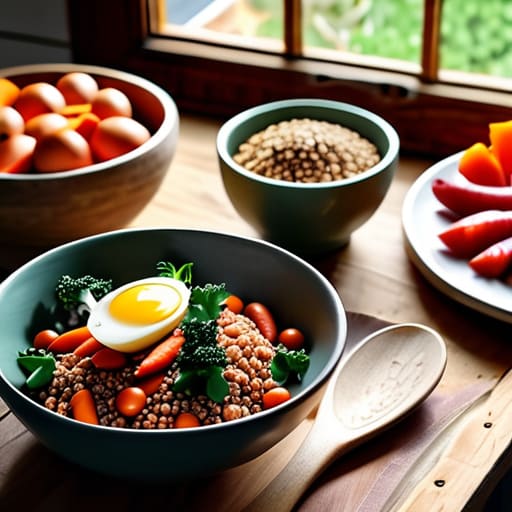
I used to think that eating well required a massive subscription to a meal-kit service or a pantry stocked with $15 jars of organic almond butter. I spent my early twenties thinking that “wellness” was something you bought in a shiny, overpriced package, often resulting in a bank account that was as depleted as my energy levels. But after years of analyzing my own spending and realizing that most “health trends” are just clever marketing, I realized that healthy eating on a budget isn’t about finding a magic superfood; it’s about fixing a broken system.
I’m not here to sell you on a complicated lifestyle overhaul or a list of exotic ingredients you can’t find at your local grocer. Instead, I want to give you the actual framework I use to keep my kitchen stocked and my body fueled without the constant financial friction. We’re going to skip the fluff and focus on high-leverage shifts—like smarter grocery logistics and versatile staples—that turn nutrition from a stressful chore into a seamless routine. We aren’t aiming for a perfect diet; we’re just aiming for a better system.
Table of Contents
Mastering the Art of Nutritious Grocery Shopping Tips
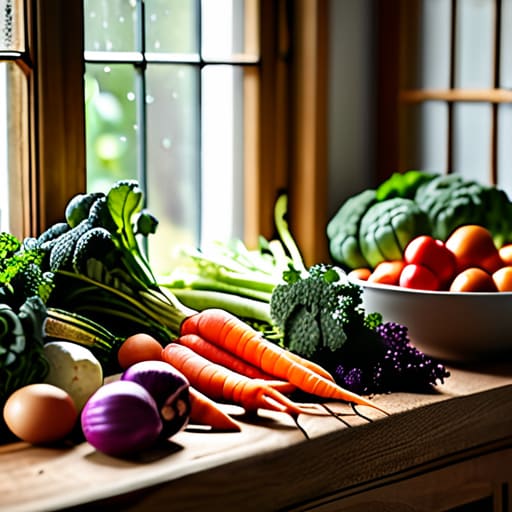
The biggest mistake I see people make is walking into a grocery store without a tactical plan. They wander the aisles, get distracted by flashy packaging, and end up with a cart full of expensive, processed junk that doesn’t actually fuel them. To fix this, you need to focus on affordable whole foods rather than convenience items. I always tell myself: if it comes in a box with a long list of ingredients I can’t pronounce, it’s probably a bad deal for both my wallet and my health. Stick to the perimeter of the store where the real stuff lives—produce, meat, and dairy—and you’ll find you’re already winning.
Another system that changed the game for me was leaning into seasonal produce benefits. When you buy strawberries in January, you’re paying a premium for flavorless, shipped-in mediocrity. But when you shop what’s actually in season, the prices drop and the nutrient density goes up. I also make it a point to scout for low cost protein sources like lentils, chickpeas, or canned tuna. These aren’t just cheap; they are incredibly versatile staples that make meal prepping for savings much easier. If you build your foundation on these basics, you stop fighting the system and start making it work for you.
Finding Value in Affordable Whole Foods
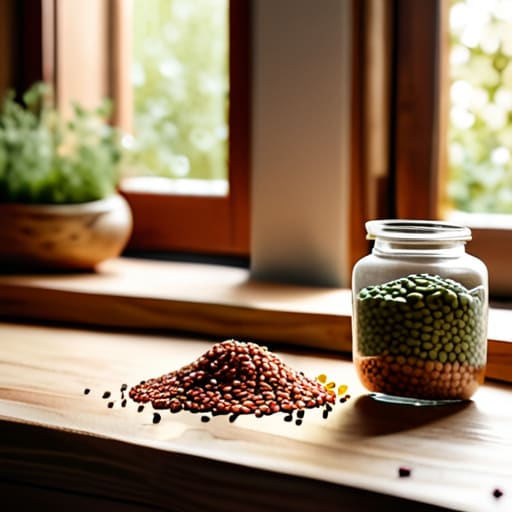
If you want to stop the cycle of expensive, processed convenience food, you have to get comfortable with the basics. I’ve learned that the most efficient way to fuel your body without draining your bank account is to lean heavily into affordable whole foods like lentils, oats, and brown rice. These aren’t just filler; they are the structural foundation of a solid nutrition system. When you stop buying pre-packaged “health foods” that are mostly marketing and salt, you’ll notice your grocery bill drops almost immediately.
The real trick, though, is knowing where to look for variety. I always keep an eye on the seasonal produce benefits—buying berries in July is cheap, but trying to find them in January is a recipe for a wasted paycheck. If you stick to what’s currently in season, you’re getting better flavor and better nutrients for a fraction of the cost. For those of us looking to optimize our protein intake, I suggest looking toward low cost protein sources like dried beans, eggs, or canned tuna. They’re shelf-stable, easy to integrate into a routine, and they don’t require a complex recipe to be effective. It’s about building a pantry that works for you, not against you.
Five Low-Friction Moves to Keep Your Kitchen Efficient and Cheap
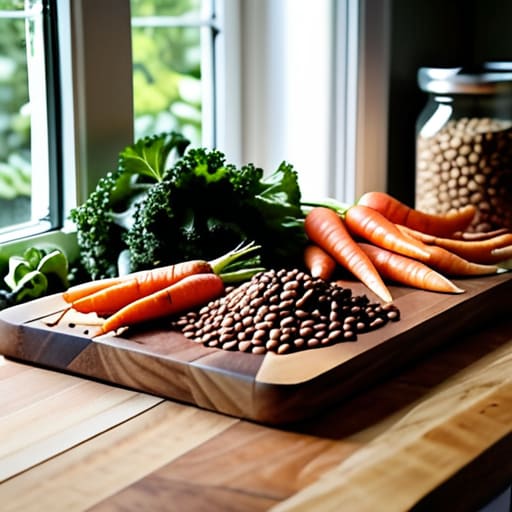
- Stop treating every meal like a culinary masterpiece; embrace the “component method” by prepping big batches of versatile staples like quinoa, roasted veggies, or lentils that you can mix and match all week.
- Audit your pantry before you hit the store—there is nothing more frustrating (or wasteful) than spending twenty minutes hunting for a jar of cumin only to realize you already have three sitting in the back of the cupboard.
- Lean heavily into frozen produce; it’s often more nutrient-dense than the “fresh” stuff that’s been sitting in a shipping container for a week, and it won’t turn into a science project in your crisper drawer.
- Build your meals around seasonal proteins and plant-based anchors like beans or eggs, which provide way more bang for your buck than trying to force a high-end steak into your weekly budget.
- Implement a “one-in, one-out” rule for your grocery list to prevent impulse buys from cluttering your pantry and your bank statement; if it isn’t on the pre-planned list, it doesn’t make the cart.
The Philosophy of the Plate
“Healthy eating shouldn’t feel like a luxury tax you pay for being conscious; it’s about stripping away the marketing fluff and focusing on the high-utility staples that actually fuel your life.”
Nathaniel 'Nate' Brooks
Getting It Done
At the end of the day, eating well on a budget isn’t about mastering some complex culinary science; it’s about managing your resources effectively. We’ve looked at how to navigate the grocery aisles without falling for marketing traps, how to prioritize versatile whole foods, and how to build a pantry that works for you rather than against you. It’s really just a matter of optimizing your inputs to get the best possible output for your health and your wallet. If you can master the basics of meal planning and stop letting impulse buys dictate your weekly spend, you’ve already won half the battle. It’s about creating a system that is sustainable and repeatable, rather than a frantic, one-off diet that leaves you broke and hungry by Wednesday.
Look, I know that changing your relationship with food and money can feel like a massive uphill climb, especially when life is already chaotic. But you don’t need to overhaul your entire kitchen overnight to see a difference. Start with one small adjustment—maybe it’s switching to store-brand staples or committing to a single grocery list this week. My goal isn’t to help you reach some unattainable standard of “perfect” eating; I just want you to eliminate the friction that keeps you from feeling good. Aim for better, stay consistent, and let the systems do the heavy lifting for you.
Frequently Asked Questions
How do I keep food from spoiling if I'm buying in bulk to save money?
Bulk buying only saves you money if you actually eat what you buy. To avoid the “fridge graveyard,” I treat my pantry like a system. First, use the FIFO method: First In, First Out. Move older items to the front. Second, portion everything immediately. If you grab a massive bag of spinach, divide it into smaller, airtight containers. For proteins, freeze them in single-serving portions. It’s about reducing friction before the rot sets in.
Is it actually cheaper to meal prep on Sundays, or am I just wasting time?
Look, if you’re just chopping vegetables for the sake of being “busy,” you’re wasting time. But if you’re using Sunday to batch-cook proteins and grains, you’re buying yourself sanity. It’s cheaper because it kills the “I’m too tired to cook” impulse buy—that $25 DoorDash order that ruins your budget. Think of it as a system: spend two hours on Sunday to prevent five hours of decision fatigue and wasted cash during the week.
What are some quick, healthy meal ideas that don't require a massive pantry of expensive spices?
Look, you don’t need a $50 spice rack to make food taste good. I stick to the basics: salt, pepper, garlic powder, and maybe one versatile herb like dried oregano. Focus on high-impact, low-effort meals. Think sheet-pan roasted chicken and seasonal veggies, or a quick black bean and sweet potato bowl. If you have a little olive oil and some lemon juice, you’re already halfway to a decent meal without the clutter.
How do I balance eating healthy with the temptation of cheap, processed convenience foods?
Look, I get it. When you’re tired and your bank account is looking thin, a $5 frozen pizza feels like a win. But that’s a bad system. It’s a short-term fix that creates long-term friction—mostly in the form of energy crashes and more grocery runs. My rule? Build a “buffer” of easy, healthy staples. Keep frozen veggies and rotisserie chicken on hand. If the healthy option is just as fast as the processed one, the temptation loses its grip.