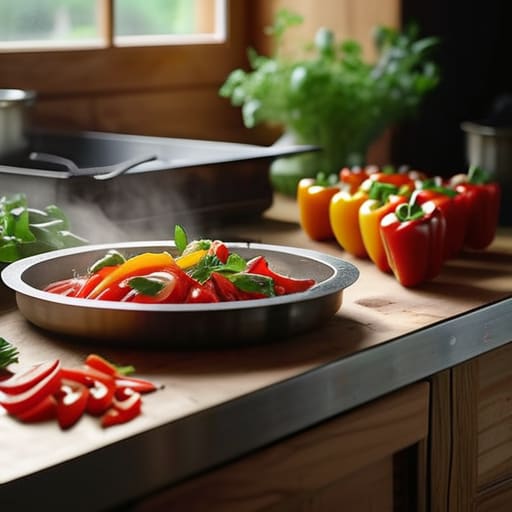
I’ve spent enough years staring at a takeout menu at 7:00 PM, feeling that familiar wave of decision fatigue, to know that “eating well” often feels like a second job. We tell ourselves we’ll meal prep on Sundays, but then Monday hits, life gets loud, and suddenly we’re settling for something processed and expensive just to get through the night. The problem isn’t a lack of willpower; it’s a lack of efficient systems. I realized long ago that if I wanted to maintain my energy without losing my sanity, I needed a collection of easy healthy recipes that actually respect my time and my budget.
In this guide, I’m stripping away the culinary fluff and the twenty-ingredient grocery lists that make your head spin. I’ve curated eight specific, streamlined options designed to minimize friction and maximize nutrition, even on your most chaotic days. You aren’t going to find any complicated techniques here—just practical, high-reward meals that prove you don’t need to be a chef to optimize your fuel. Let’s get into it.
Table of Contents
The Sheet Pan Savior
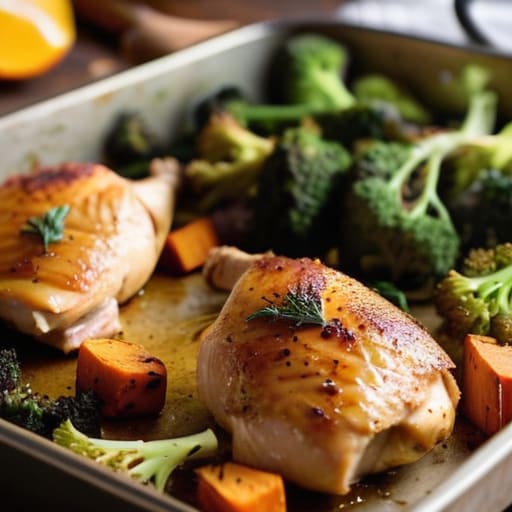
If you’re like me, you probably view cleaning up as a major friction point in your evening. The sheet pan method is my personal solution to the “too tired to cook” problem. You just toss some chicken thighs or salmon fillets onto a tray with a handful of chopped broccoli and sweet potatoes, drizzle everything with olive oil and salt, and let the oven do the heavy lifting. It’s about minimizing the mental load of prep work while still getting a real meal.
One-Pot Grain Bowls
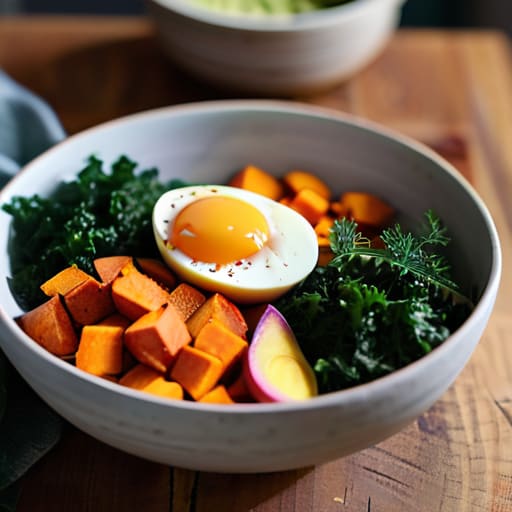
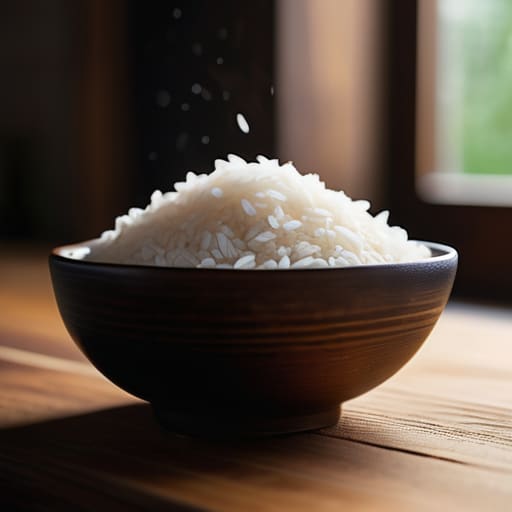
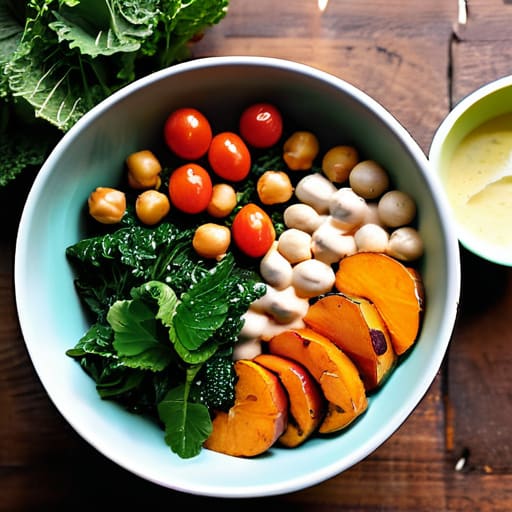
I used to think healthy eating required a massive pantry of niche ingredients, but I was wrong. A solid grain bowl is just a modular system for nutrition. Start with a base of quinoa or brown rice—something that provides sustained energy—and then layer on whatever protein and greens you have on hand. It’s the ultimate way to clear out your fridge without feeling like you’re eating leftovers.
The Adult Lunchbox
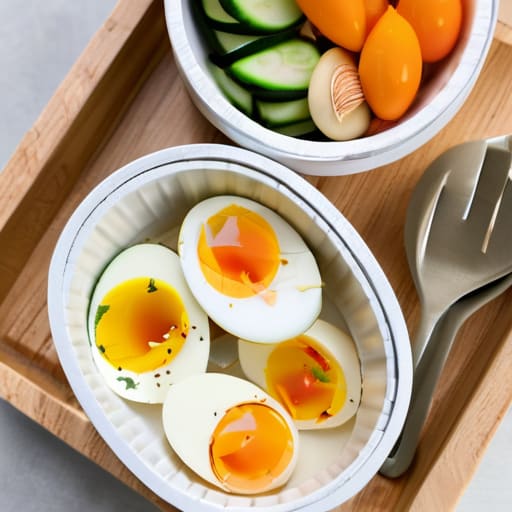
Let’s be honest: the mid-afternoon slump is real, and it’s usually caused by a lunch that was either too heavy or too processed. I started treating my lunch like a system to prevent that 3 PM crash. Instead of a massive, steaming meal, I opt for a high-protein “adult lunchbox”—think hard-boiled eggs, sliced cucumbers, some almonds, and a bit of deli turkey or hummus.
Slow Cooker Chili
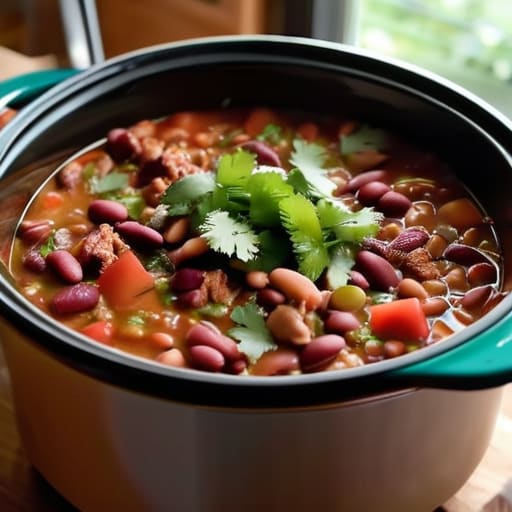
I’m a big believer in “set it and forget it” workflows, and my slow cooker is the cornerstone of that philosophy. A batch of turkey or bean chili is the perfect example of a high-yield, low-effort meal. You throw everything into the pot in the morning, hit a button, and by the time I’m closing my laptop, the kitchen smells like a professional kitchen.
Five-Minute Mediterranean Salads
Sometimes, the last thing I want to do is turn on a stove. On those nights, I lean on the “no-cook” rule. A Mediterranean salad is essentially just a collection of chopped vegetables—cucumbers, tomatoes, olives, and red onion—tossed with some canned chickpeas for protein. It’s refreshing, fast, and requires zero heat.
Pesto Pasta with a Twist
We all have those nights where we just need comfort food, but I try to avoid the heavy, cream-based sauces that leave me feeling sluggish. My workaround is a high-quality pesto tossed with whole-wheat pasta or chickpea pasta. The protein boost from the alternative pasta makes a massive difference in how you feel afterward.
Egg-Based Breakfast Scrambles
Breakfast is often the most chaotic part of the morning, so I try to keep my routine as streamlined as possible. Eggs are the ultimate utility player here. A quick scramble with some pre-washed kale or frozen peppers takes less than five minutes and provides a solid foundation of protein to start your day.
Loaded Avocado Toast
There’s a reason avocado toast became a staple, and it’s not just for the aesthetics. It’s a fast, reliable way to get healthy fats and fiber into your system when you’re in a rush. I like to treat it as a blank canvas; you can top it with a poached egg for protein, some red pepper flakes for heat, or even some smoked salmon.
The Efficiency of Eating Well
“Healthy eating shouldn’t feel like a second job. If a recipe requires a PhD in prep work or two hours of standing over a stove, it’s not a sustainable system—it’s just another source of friction in your day.”
Nathaniel 'Nate' Brooks
The Bottom Line
At the end of the day, the goal of these recipes isn’t to turn you into a gourmet chef or a fitness influencer. It’s about building a system that works when you’re tired, busy, or just plain uninspired. Whether you’re leaning on the one-pan roasted veggies or the quick protein bowls we discussed, the common thread is reducing decision fatigue. By keeping a few of these staples in your rotation, you stop treating healthy eating like a monumental task and start treating it like a manageable routine. You don’t need a pantry full of exotic superfoods; you just need a few reliable, low-friction options that keep you fueled without draining your energy.
I spent way too many years thinking that if a meal wasn’t complex, it wasn’t “real” cooking, or that if it wasn’t perfect, it wasn’t worth doing. I was wrong. Real progress happens in the small, unglamorous wins—like choosing a twenty-minute stir-fry over a takeout order because you actually have a plan in place. Don’t aim for a total kitchen overhaul overnight. Just pick one recipe from this list, get it into your weekly cycle, and build from there. Life is messy enough as it is; your nutrition shouldn’t be another source of chaos. Just aim for better, not perfect.
Frequently Asked Questions
Can I actually meal prep these on a Sunday without everything getting soggy or tasting like cardboard by Wednesday?
The short answer is yes, but you have to stop treating your Tupperware like a trash can. The “cardboard” effect usually happens because of moisture or improper cooling. My rule of thumb: let everything reach room temperature before sealing the lids to prevent condensation. Also, keep your sauces separate until you’re ready to eat. If you prep with that in mind, your Wednesday lunch will still actually taste like food.
How do I keep the grocery bill from spiking when I'm trying to buy "healthy" ingredients?
The “health halo” is a budget killer. People see a bag of organic kale or a pre-washed quinoa salad and think it’s worth the 3x markup, but that’s how your grocery bill spirals. I stick to a simple rule: buy the heavy hitters in bulk and avoid anything that’s already been chopped or seasoned. Frozen veggies are just as nutritious as fresh, way cheaper, and they won’t rot in your crisper drawer. Keep it simple.
What are some good pantry staples I should keep on hand so I can whip these up even when I haven't been to the store?
The secret to not hitting the takeout apps when you’re tired is having a “system” in your pantry. I keep a rotation of dry goods that don’t expire quickly: quinoa, jasmine rice, canned chickpeas, and red lentils. Throw in some jarred marinara, extra virgin olive oil, and a solid collection of spices—especially garlic powder and smoked paprika—and you can build a decent meal out of almost nothing. Keep the friction low.
Are there ways to tweak these recipes if I'm cooking for a family instead of just myself?
Scaling up isn’t just about multiplying everything by four; that’s how you end up with a soggy mess. I usually approach it like a systems upgrade. For most of these, just increase your protein and grain ratios, but keep an eye on your cooking times—larger batches hold more heat. If you’re cooking for a crowd, I highly recommend a “component” strategy: prep the base ingredients in bulk and let everyone customize their own toppings. It cuts down on friction.