I remember standing in my kitchen at 6:30 PM three years ago, staring blankly into a fridge full of half-used condiments and wilted spinach, feeling that familiar, heavy knot of decision fatigue in my chest. I was exhausted from work, my brain was fried, and the thought of figuring out how to meal plan felt like another unpaid project on my to-do list. I ended up ordering expensive takeout—again—and watching my weekly budget vanish into a delivery app. It wasn’t a lack of willpower; it was a system failure.
I’m not here to sell you on some aesthetic, Pinterest-perfect lifestyle involving glass containers and five-hour Sunday prep sessions that leave you too tired to actually enjoy your life. Instead, I want to show you how to build a lean, functional framework that works with your actual schedule, not against it. We’re going to focus on eliminating friction and reducing wasted money through small, repeatable adjustments. My goal is to help you master the logistics of your kitchen so you can stop stressing about dinner and start reclaiming your evenings.
Table of Contents
Simple Meal Prep for Beginners Who Hate Complexity
If you’re anything like me, the idea of spending six hours in a kitchen on a Sunday afternoon, surrounded by Tupperware and crying over chopped onions, sounds like a special kind of hell. I used to think meal prep meant being a Pinterest-perfect chef with perfectly color-coded containers. It’s not. For most of us, the goal isn’t gourmet plating; it’s just making sure we don’t end up ordering expensive, greasy takeout because we’re too tired to think. The secret is to embrace batch cooking strategies that focus on components rather than complete, rigid recipes.
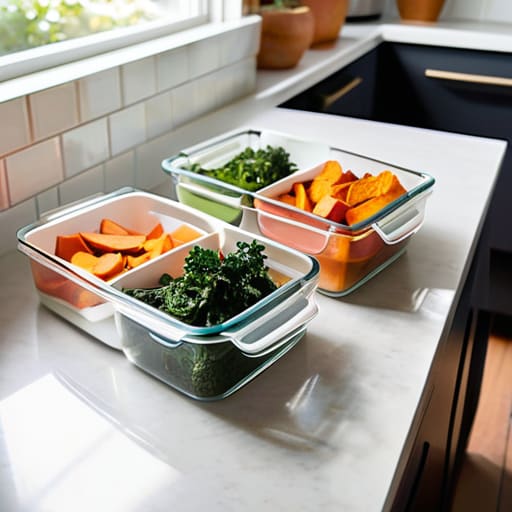
Instead of cooking five different meals, just cook a few versatile building blocks. Roast two trays of mixed vegetables, boil a big pot of grains, and grill a couple of pounds of protein. When you have these “modules” ready in the fridge, you can assemble a bowl in three minutes. This approach is the backbone of budget friendly meal planning because it eliminates the guesswork and the impulse buys. You aren’t building a complicated menu; you’re just building an inventory of ingredients that make your weekday self much more efficient.
Small Tweaks to Master Your Grocery List Organization
The biggest mistake I see people make is treating their grocery list like a random scratchpad. If you’re walking through the aisles jumping from the produce section to the dairy aisle and back again, you’re wasting time and willpower. I’ve found that the most efficient way to handle grocery list organization is to map your list to the physical layout of your local store. Group your items by department—produce, proteins, pantry, frozen—before you even leave the house. It sounds like overkill, but it turns a chaotic forty-minute trek into a streamlined, ten-minute loop.
Another tweak that saved my sanity is the “inventory check” phase. Before you finalize anything, spend two minutes looking in your fridge and pantry. There is nothing more frustrating than buying a third jar of cumin when you already have two hiding in the back. This simple habit is one of the best budget friendly meal planning hacks I’ve ever used; it stops the unnecessary spending that happens when we double up on stuff we already own. Once your list is organized by aisle and verified against your current stock, the actual shopping becomes a mindless, efficient task rather than a source of decision fatigue.
Five Low-Friction Hacks to Keep Your System Running
- Audit your pantry before you shop. There is nothing more frustrating than buying a second jar of cumin or a fresh bag of rice when you already have three hiding in the back of the cupboard. I make it a rule to do a quick “inventory scan” before I even touch my grocery list; it prevents waste and keeps my budget from leaking.
- Build a “Formulaic Menu” for your busiest nights. You don’t need a new recipe every Tuesday. Pick three reliable frameworks—like “Grain Bowl,” “Sheet Pan Protein,” or “Taco Night”—and just rotate the flavors. It removes the decision fatigue that usually leads to expensive, unhealthy takeout orders.
- Shop your seasonal produce to save money. I’ve realized that trying to force a specific meal plan that relies on out-of-season ingredients is a recipe for a high grocery bill and mediocre flavor. If berries are expensive and tasteless in February, pivot the plan to something using citrus or root vegetables. Work with the market, not against it.
- Embrace the “Cook Once, Eat Twice” rule. I never cook just one portion of a protein. If I’m roasting chicken on Sunday, I’m roasting enough to shred for salads or wraps on Tuesday. It’s not about spending your entire Sunday in the kitchen; it’s about making the work you already do go further.
- Keep a “Digital Win List” of meals you actually enjoyed. We all have those recipes we try once, hate, and then realize we spent $40 on ingredients for nothing. I keep a simple note in my phone of the meals that were easy, cheap, and actually tasted good. When I’m feeling burnt out and don’t want to think, I just scroll through that list.
The Philosophy of the System
“Meal planning isn’t about becoming a gourmet chef on a Sunday afternoon; it’s about building a system that protects your time and your sanity when Tuesday hits and you’re too exhausted to think.”
Nathaniel 'Nate' Brooks
The Path to Less Friction
At the end of the day, meal planning isn’t about becoming a gourmet chef or spending your entire Sunday hunched over Tupperware. It’s about the systems we’ve discussed: keeping your prep simple enough that you actually stick to it, and organizing your grocery list so you aren’t wandering aimlessly through the aisles. When you stop treating every single meal like a brand-new decision, you stop the constant mental drain that comes with decision fatigue. You’ve gone from reacting to hunger to proactively managing your resources, and honestly, that’s where the real win is.
I know it feels like just another chore on an already overflowing to-do list, but I promise you, the payoff is worth the initial setup. Don’t feel like you need to overhaul your entire kitchen overnight; just pick one small system and run with it. Perfection is a trap that leads to burnout, so just aim for consistency over complexity. Once you get these small gears turning, you’ll find you have more time, more money, and significantly less stress. Now, go reclaim your evenings and stop wrestling with the chaos.
Frequently Asked Questions
How do I meal plan if my schedule changes every single week?
The mistake most people make is trying to plan specific meals for specific days. If your schedule is a moving target, stop building rigid calendars. Instead, build a “modular pantry.” Plan by components, not recipes. Prep a batch of protein, a grain, and a roasted veggie. If Tuesday turns into a late night, you’ve got a quick bowl ready. If Wednesday is free, you can cook something fresh. Plan for flexibility, not a fixed schedule.
Is it actually worth the time to prep everything on Sunday, or should I just prep components?
Look, if you try to prep full, identical meals every Sunday, you’re going to burn out by week three. It’s too rigid. I’ve found that prepping components—think a big batch of roasted chicken, a tray of seasoned veggies, and a pot of grains—is much more efficient. It gives you the flexibility to mix and match throughout the week so you don’t feel like you’re eating the exact same Tupperware nightmare every single night.
How do I stop the "food fatigue" that happens when I eat the same three meals for five days straight?
The problem isn’t the meals; it’s the lack of modularity. I used to hit that wall every Thursday. The fix is “component prepping” instead of “meal prepping.” Don’t cook five identical chicken bowls. Instead, prep two proteins, two grains, and a tray of roasted veggies. By swapping the sauces—taco seasoning one night, soy ginger the next—you’re eating different flavors using the same base components. It cuts the work but kills the boredom.
What’s the best way to handle leftovers so they don't just end up rotting in the back of the fridge?
The “mystery container” graveyard in the back of your fridge is a symptom of a bad system. To fix it, I use a “First In, First Out” rule, but with a visual tweak: I keep a small dry-erase marker in the fridge drawer. Label every container with the date and what it is. If it’s been there more than three days, it’s either lunch tomorrow or it’s going in the bin. No excuses.