I used to think that if I just bought the most expensive, vacuum-sealed, gadget-heavy containers on the market, I’d finally stop finding science experiments in the back of my fridge. I spent way too much money in my twenties chasing those “revolutionary” storage systems, only to realize I was still tossing wilted spinach and fuzzy berries every single Sunday. The truth is, most of the advice you see online about how to store food properly is either way too complicated or designed to sell you a subscription to a lifestyle you don’t actually have time for. It’s not about the gear; it’s about the system.
I’m not here to give you a lecture on food science or tell you to buy a $200 specialized bin for every vegetable. My goal is much simpler: I want to show you how to implement a few small, logical adjustments that actually work. We’re going to focus on practical, low-friction habits—the kind that save you money and stop the kitchen chaos without requiring a degree in chemistry. We aren’t aiming for a pristine, Pinterest-perfect pantry; we’re just aiming to stop throwing your hard-earned money in the trash.
Table of Contents
Mastering Refrigerator Organization Tips for Less Waste
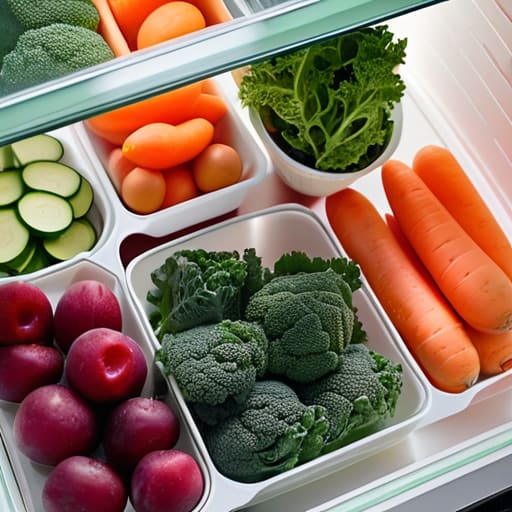
Most people treat their fridge like a junk drawer on ice, just shoving whatever was on sale into the first available gap. That’s a recipe for a massive grocery bill and a lot of science experiments hiding behind the milk. If you want to actually see what you own, you need to implement some basic refrigerator organization tips that prioritize visibility. I’m a big believer in the “first in, first out” method—it sounds like something out of a warehouse manual, but it works. When you get home from the store, move the older produce to the front and put the new stuff in the back. It’s a simple logic shift that drastically improves your success at preventing food spoilage.
Beyond just where things sit, you have to respect the zones. Your fridge isn’t a uniform box of cold air; the temperature fluctuates depending on where you look. I always keep my dairy and proteins on the lower shelves where it’s most consistent, rather than in the door, which is basically a temperature rollercoaster every time you grab a soda. Also, don’t underestimate the airtight container benefits. Moving leftovers from flimsy plastic wrap into glass containers doesn’t just look better in my head—it actually keeps things fresh longer and stops that weird “fridge smell” from taking over your entire kitchen.
Safe Food Temperature Guidelines to Protect Your Family
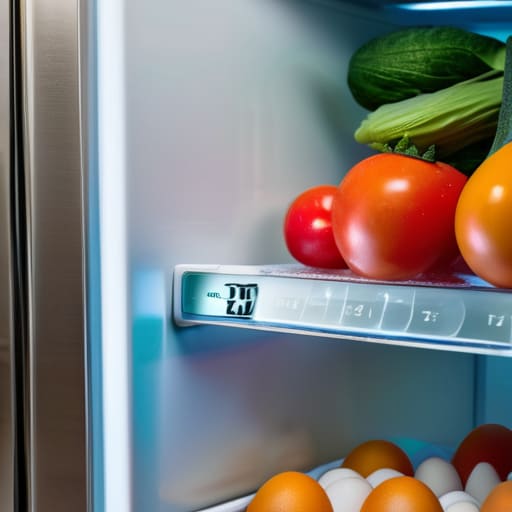
Look, you can have the most organized fridge in the world, but if your thermometer is lying to you, you’re still looking at a potential food poisoning situation. I learned this the hard way during a particularly bad bout of foodborne illness a few years back—it’s not worth the risk. To keep things safe, your refrigerator needs to stay consistently below 40°F (4°C), and your freezer should be at 0°F (-18°C). I always tell people to stop relying on the little dial on the fridge door; those things are notoriously inaccurate. Grab a cheap, standalone appliance thermometer and place it in the middle of the center shelf. This ensures you’re actually following safe food temperature guidelines rather than just guessing based on a knob.
Temperature isn’t just about the fridge, though; it’s about the “danger zone” between 40°F and 140°F where bacteria throw a party. If you’re meal prepping, don’t let cooked proteins sit on the counter while you’re cleaning up. Get them into the fridge within two hours—or one hour if it’s a scorcher outside. This simple habit is one of the most effective ways of preventing food spoilage and keeping your family healthy. It’s a small tweak to your post-dinner routine, but it eliminates a massive amount of unnecessary stress.
Five Low-Effort Tweaks to Save Your Groceries (and Your Sanity)
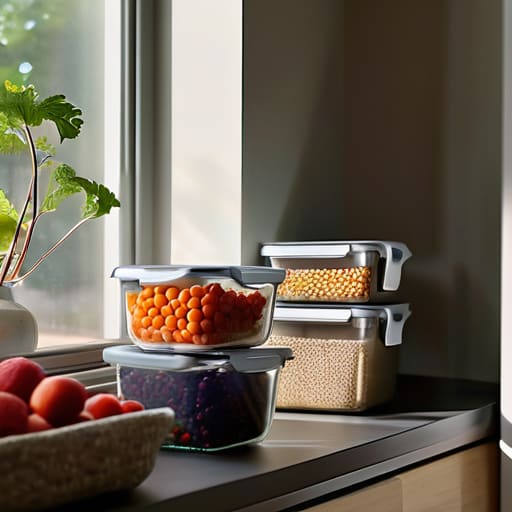
- Ditch the original packaging. Most grocery store plastic is designed for display, not longevity. Invest in a decent set of glass airtight containers; they keep things fresher longer and, frankly, they don’t hold onto weird smells like cheap plastic does.
- Treat your herbs like a bouquet. Instead of shoving a bunch of cilantro into a plastic bag where it’ll turn into slime in three days, trim the stems and stand them upright in a small jar of water in the fridge. It’s a tiny bit of extra work that pays off massively.
- Stop overcrowding the freezer. I know it’s tempting to jam everything in there, but if air can’t circulate, you’re going to end up with massive freezer burn. Leave some breathing room so the temperature stays consistent.
- Use the “First In, First Out” rule. It sounds like something out of a boring warehouse manual, but it works. When you get home from the store, move the older stuff to the front of the pantry or fridge and put the new stuff in the back. It stops that “mystery container” phenomenon.
- Master the paper towel trick for leafy greens. If you’re storing salad or spinach, tuck a dry paper towel into the container or bag. It absorbs the excess moisture that usually turns your greens into a soggy mess, giving you an extra few days of usability.
## The Bottom Line on Food Waste
“Proper food storage isn’t about being a perfectionist or following some complex culinary manual; it’s about building a simple system that respects your budget and your time. If you stop treating your fridge like a junk drawer and start treating it like a managed inventory, you’ll stop throwing money in the trash and start actually enjoying what you buy.”
Nathaniel 'Nate' Brooks
Cutting Through the Kitchen Chaos
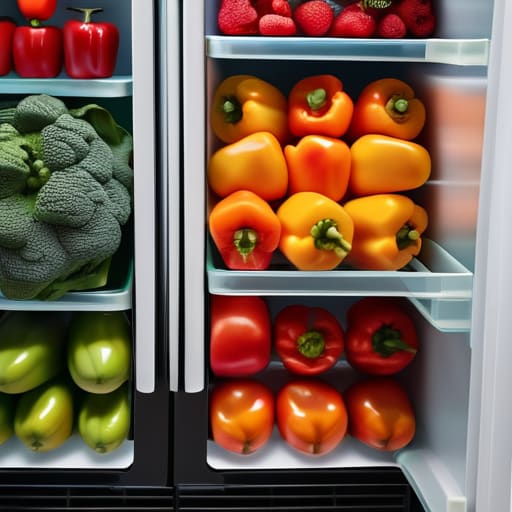
At the end of the day, mastering food storage isn’t about becoming a professional chef or a master of organization; it’s about building a system that actually works for your lifestyle. We’ve covered the essentials: keeping your fridge organized to prevent that “mystery Tupperware” syndrome, respecting temperature guidelines to keep your family safe, and choosing the right containers to stop your groceries from turning into expensive compost. It might feel like a lot of small moving parts, but once you stop treating food storage as an afterthought, you’ll notice the friction in your daily routine starts to melt away.
Look, I know it’s easy to let these little habits slide when life gets busy, but I promise you that the effort pays off in more than just saved dollars. When you have a streamlined kitchen, you have more mental bandwidth for the things that actually matter—like enjoying a slow-cooked meal or finally relaxing after a long shift. We aren’t aiming for a perfectly sterile, Pinterest-worthy pantry; we’re just aiming to eliminate the unnecessary waste of time and money. Start with one small tweak this week, get the system running, and let the rest follow.
Frequently Asked Questions
How do I know when a container is actually airtight versus just being "closed"?
Look, “closed” doesn’t mean airtight. If you want to know if a container actually works, try the pressure test: seal it, flip it upside down, and give it a firm squeeze. If you feel air escaping or see even a tiny bit of moisture weeping from the lid, it’s useless for long-term storage. You’re looking for a physical seal—usually a silicone gasket—that creates actual resistance. If it doesn’t fight back, it’s just a box.
Is it worth the extra effort to freeze everything, or am I just overcomplicating my life?
Look, I get it. It feels like another chore on an already overflowing to-do list. But here’s the reality: freezing isn’t about being a perfectionist; it’s about building a buffer. When you freeze leftovers or extra produce, you’re essentially buying yourself time and saving money on those “I have nothing to eat” takeout orders. Don’t freeze everything—that’s just chaos. Just freeze the stuff that’s about to expire. It’s a small system tweak that pays off.
What’s the best way to handle leftovers so they don't taste like "fridge" by day three?
The “fridge taste” is usually just oxidation and moisture mingling with whatever else is in there. First, stop using those flimsy plastic takeout containers; they’re porous and let odors seep in. Switch to glass—it’s non-reactive and seals better. Most importantly, let your food cool down slightly before sealing it, but don’t leave it out too long. If you seal it while it’s steaming hot, you’re just trapping moisture that turns everything into a soggy, flavorless mess.
Are there specific foods that should never be stored near each other to prevent spoilage?
Think of your fridge like a delicate system; if one component fails, it can crash the whole thing. The biggest offenders are ethylene-producing fruits—like apples and avocados—and your leafy greens. If you store them together, the gas from the fruit will turn your spinach into slime overnight. Also, keep your onions away from your potatoes; the moisture from the onions triggers the potatoes to sprout. Keep them separate, and you’ll stop throwing money away.