I used to think that learning how to cook vegetables meant buying a dozen specialized gadgets and following recipes that required ingredients I couldn’t pronounce. I spent my early twenties eating mushy, overboiled broccoli that tasted like nothing but sadness, mostly because I was following “healthy” guides that were way too complicated for a Tuesday night. Most of the advice out there is just noise—either it’s too high-end for a regular person or it’s so vague it’s useless. I’m tired of seeing people turn nutritious food into a chore just because they haven’t mastered the basic mechanics of heat and seasoning.
I’m not here to give you a culinary masterclass or tell you to buy a $400 sous-vide machine. My goal is much simpler: I want to show you how to strip away the friction and get decent, flavorful results with minimal effort. I’ll be sharing the specific, repeatable methods I use to keep my weeknight meals from feeling like a massive waste of time. We aren’t aiming for Michelin stars here; we are just aiming for consistent, delicious results that actually fit into a busy life.
Table of Contents
Smart Healthy Vegetable Preparation Methods
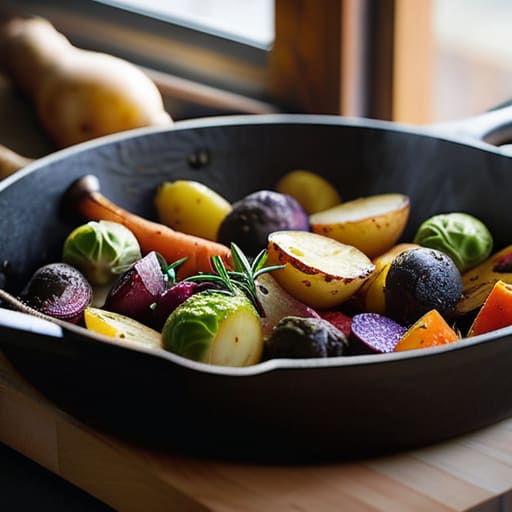
When it comes to actually getting food on the table without losing all the goodness in the process, you have to look at your method first. Most people default to boiling because it’s easy, but you’re essentially just making a lukewarm soup out of your nutrients. If you want to prioritize retaining nutrients in vegetables, I usually lean toward steaming or quick sautéing. Steaming is great for delicate greens, but if you want actual flavor, you need to look at steaming vs roasting vegetables. Roasting is my go-to for root veggies; that high-heat caramelization does more for your taste buds than any heavy sauce ever could.
The real secret to making this a sustainable habit, though, is simplifying your seasoning. Don’t get bogged down in complex recipes. For me, the best seasoning for vegetables is almost always just high-quality olive oil, flaky sea salt, and a crack of black pepper. If you’re feeling adventurous, a squeeze of lemon or a dash of red pepper flakes goes a long way. The goal here isn’t to become a Michelin-star chef; it’s to create quick vegetable side dishes that don’t require a mental breakdown to execute. Keep it simple, keep it hot, and stop overthinking the process.
A Practical Vegetable Cooking Times Guide
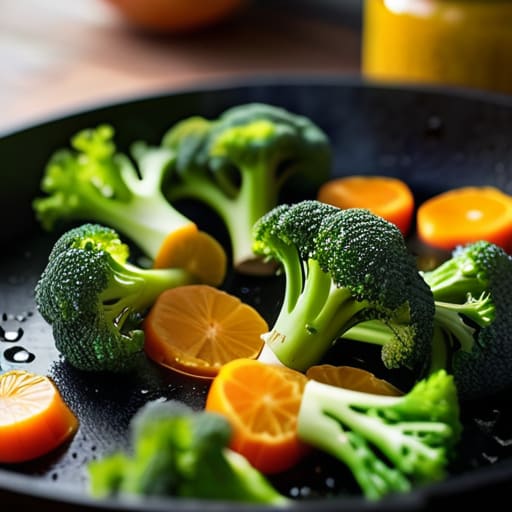
Look, I’m not a fan of guesswork. In my line of work, if the timing is off, the whole system crashes; cooking is exactly the same. If you leave broccoli in the pan for three minutes too long, you’re left with a mushy, grey mess that’s lost its structural integrity. To avoid that, I keep a mental vegetable cooking times guide categorized by texture. Think of it in tiers: quick-hit greens like spinach or bok choy only need a minute or two of heat, while denser roots like carrots or sweet potatoes need that slow, steady application of energy to break down their fibers without turning into sludge.
When I’m deciding between steaming vs roasting vegetables, my choice usually depends on how much time I actually have in the evening. Roasting is my go-to for flavor; it’s the ultimate way to maximize caramelization, but it requires a higher time commitment. If I’m running low on bandwidth, steaming is the more efficient route for retaining nutrients in vegetables and keeping things light. Regardless of the method, the goal is consistency. Once you master these basic intervals, you stop reacting to your food and start actually controlling the process.
Five Small Tweaks for Better Veggies
- Stop drowning your vegetables in water. Boiling is the fastest way to leach out all the flavor and nutrients; if you want actual taste, stick to roasting or sautéing where you can actually develop some color and texture.
- Invest in a decent chef’s knife and actually learn to use it. If you’re hacking away at a carrot with a dull blade, you’re getting uneven pieces that cook at different rates, leaving you with some mushy bits and some raw ones.
- Salt your water like the sea. If you do decide to boil or blanch, don’t be shy with the salt. It’s not just about seasoning the final dish; it’s about seasoning the vegetable from the inside out while it cooks.
- Don’t fear the high heat. A lot of people play it too safe and end up with limp, sad vegetables. A hot pan creates that slight char and caramelization that makes a simple side dish actually feel like a real meal.
- Dry your greens thoroughly after washing. If you toss wet vegetables into a hot pan, they’re going to steam instead of sear. If you want that crisp texture, make sure they’re bone-dry before they hit the oil.
The Philosophy of the Pan
Cooking vegetables isn’t about following a rigid recipe to the letter; it’s about managing heat and timing so you actually enjoy what’s on your plate instead of just forcing yourself to eat it.
Nathaniel 'Nate' Brooks
Streamlining Your Veggie Routine
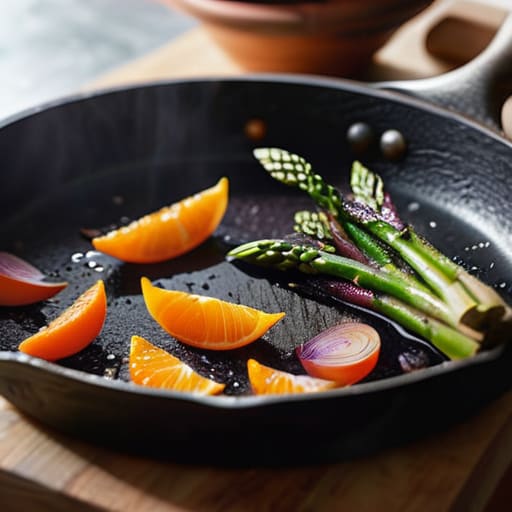
At the end of the day, mastering vegetables isn’t about following a rigid, complicated recipe every single night. It’s about understanding the fundamental mechanics of heat and timing. Whether you’re opting for the high-heat efficiency of a quick stir-fry or the slow, mellow sweetness of roasting in the oven, the goal is to eliminate the guesswork that usually leads to mushy, uninspired meals. Once you have a handle on your prep methods and a basic idea of how long different textures take to reach their peak, you’ve effectively removed the friction from your evening meal prep. You aren’t just cooking; you’re optimizing a core part of your daily survival system.
Don’t feel like you need to overhaul your entire kitchen or buy every specialized gadget on the market to make this work. Start small. Pick one vegetable this week and experiment with a different heat level or a slightly different seasoning. The beauty of these small, actionable adjustments is that they compound over time. You’ll find yourself spending less time staring at a cutting board and more time actually enjoying the food you’ve prepared. We aren’t looking for a Michelin-star transformation here; we’re just looking to make dinner easier and a whole lot more delicious. Just keep it simple, stay consistent, and let the heat do the heavy lifting.
Frequently Asked Questions
How do I keep my vegetables from turning into mush when I'm cooking them in bulk for the week?
The secret to bulk prepping without the mush is simple: undercook them slightly. If you’re prepping for the week, aim for “al dente”—that slight bite in the middle. When you reheat them in the microwave or a pan later, that residual heat finishes the job. Also, let them cool completely on a wire rack before hitting the containers. If you trap steam in a closed lid, you’re basically steaming them into oblivion.
Is there a way to prep my veggies ahead of time without them losing their crunch or getting slimy in the fridge?
Look, the “prepping ahead” trap is real. If you chop everything Sunday night, you’re basically eating mush by Wednesday. My rule of thumb? Keep things dry and separate. For crunchy stuff like carrots or bell peppers, store them in airtight containers with a paper towel to soak up excess moisture. If you’re prepping greens, wash them, spin them bone-dry in a salad spinner, and line the container with more paper towels. Moisture is the enemy.
I hate cleaning a million pots and pans; what’s the most efficient, one-pan way to get a good sear on greens or roots?
Look, I get it. I’ve spent enough time staring at a sink full of crusty pans to know that nobody actually enjoys the cleanup. If you want a solid sear without the mountain of dishes, go with a heavy cast iron skillet. It holds heat like a dream. Toss your roots in with a bit of oil and salt first; once they’re tender, throw the greens right on top. One pan, minimal friction, maximum flavor.
How do I know if I've actually overcooked them versus just getting that perfect tender-crisp texture?
The easiest way to tell? Use the fork test, but don’t rely on it blindly. If a fork slides in with almost zero resistance—like it’s hitting mush instead of structure—you’ve crossed the line into overcooked territory. You want that slight “snap” when you bite down. If the vegetable loses its vibrant color and turns a dull, translucent grey or brown, you’ve stayed on the heat too long. Aim for color and structural integrity.