
I spent three years of my life convinced that if I just bought the $3,000 weighted blanket or the “smart” mattress that tracks my REM cycles via a proprietary app, I’d finally stop feeling like a zombie by 2:00 PM. It was a total waste of capital. Most of the advice you see online about how to sleep better is just a way to sell you more expensive gadgets and complicated “wellness” protocols that add more friction to your life instead of removing it. I realized that my sleep wasn’t a hardware problem; it was a system failure.
I’m not here to sell you a lifestyle overhaul or a subscription to a meditation app. Instead, I want to share the actual, low-friction adjustments I used to rebuild my routine after years of burnout. We’re going to skip the fluff and focus on the small, actionable tweaks—the kind that actually work when you’re tired and don’t want to think. My goal is to help you stop fighting your bed and start building a sustainable system that lets you actually power down.
Table of Contents
Small Tweaks for Optimizing Your Sleep Environment
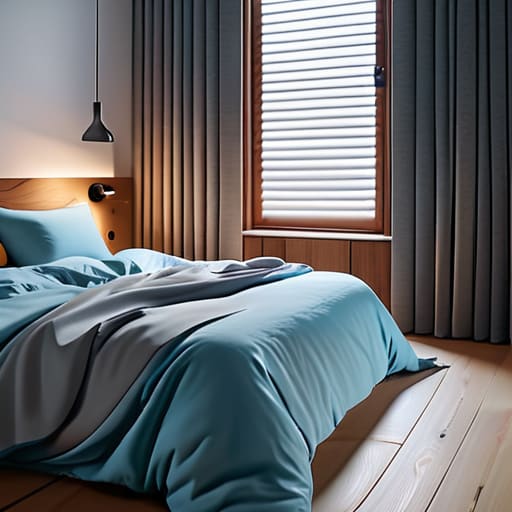
Think of your bedroom like a server room: if the temperature is too high or the noise floor is too loud, everything starts to glitch. Most people treat their bedroom like a multi-purpose lounge, but if you want to fix your rest, you need to treat it like a dedicated recovery zone. Start with the temperature. I’ve found that dropping the thermostat to around 65–68 degrees is the sweet spot for optimizing sleep environment efficiency. Your body needs that core temperature dip to signal that it’s time to shut down.
Then, there’s the light situation. This is where most of us fail. We spend the last hour of the day bathed in the harsh, artificial glow of our phones and monitors, which is a disaster for melatonin production naturally. The effects of blue light on sleep are real; it tricks your brain into thinking it’s midday when it should be winding down. If you can’t ditch the screens entirely, at least invest in some decent blackout curtains or a high-quality eye mask. It’s a low-cost, high-impact adjustment that removes the friction between you and a deep sleep cycle. Keep it dark, keep it cool, and keep it simple.
Fixing Sleep Hygiene Practices to Stop Wasting Nights
Once you’ve sorted out your bedroom, you have to look at what you’re actually doing in the hours leading up to bed. Most of us treat our wind-down period like a frantic transition from “work mode” to “couch mode,” but that’s a mistake. If you want to support your body’s natural circadian rhythm regulation, you need to stop treating your brain like a machine that can just flip a switch. I used to think I could scroll through tech forums until 11:59 PM and be out by midnight, but the effects of blue light on sleep are real; it essentially tricks your brain into thinking the sun is still up, which kills your ability to melatonin production naturally.
Instead of fighting your biology, work with it. Start building a consistent buffer zone. This isn’t about a complicated ten-step ritual; it’s about simple, repeatable inputs. Dim the lights, put the phone in another room, and maybe pick up a physical book for twenty minutes. If you keep your routine consistent—even on weekends—you stop the cycle of fighting your bed and start training your nervous system to recognize when it’s time to power down. It’s about reducing the friction between being awake and being asleep.
The Systems Approach: 5 Ways to Hardwire Better Rest
- Stop treating your wake-up time like a suggestion. Your body runs on a rhythm, not a whim. Pick a time and stick to it—even on Saturdays. If you keep shifting your schedule, your internal clock stays in a constant state of jet lag.
- Watch the caffeine cutoff. I used to think a 4 PM coffee was fine because I could “fall asleep” regardless, but there’s a massive difference between passing out and actually getting deep, restorative sleep. Aim to cut the stimulants by noon or 2 PM at the latest.
- Don’t use your bed as a second office. If you’re sitting there answering emails or scrolling through spreadsheets, your brain starts to associate the mattress with stress and mental labor. Keep the bed strictly for sleep and nothing else.
- Audit your evening nutrition. I’ve learned the hard way that a heavy, spicy meal right before bed is a recipe for a midnight wake-up call. Try to finish your last big meal at least two or three hours before you plan to hit the pillow to give your digestion a head start.
- Get some sunlight early. It sounds simple, but getting natural light in your eyes within thirty minutes of waking up helps set your circadian rhythm. It tells your brain exactly when the day has started, which makes it much easier to signal when it’s time to shut down later.
The Bottom Line on Rest
Sleep isn’t a luxury or some wellness trend you need to optimize with a dozen different gadgets; it’s the baseline system your entire life runs on. If your sleep is broken, your productivity, your mood, and your patience are all going to crash. Stop looking for a magic pill and start looking at your daily friction points.
Nathaniel 'Nate' Brooks
The Bottom Line

Look, I’m not suggesting you overhaul your entire existence overnight. We’ve covered a lot—from auditing your bedroom environment to tightening up those messy pre-sleep habits—but the goal isn’t to build a sterile, perfect laboratory. It’s about identifying the friction points that are dragging you down. Whether it’s finally investing in some decent blackout curtains or just committing to a consistent wind-down routine, these small, incremental adjustments are what actually move the needle. You don’t need a complex, high-tech biohacking setup; you just need to stop fighting against your own biology and start building a system that works with it.
At the end of the day, sleep isn’t a luxury or a productivity hack; it’s the foundation that everything else is built upon. When you optimize your rest, you aren’t just “sleeping better”—you’re reclaiming your ability to show up for your work, your hobbies, and the people who matter. Don’t get caught up in the trap of trying to achieve perfection by tomorrow morning. Just pick one thing we talked about today, implement it, and see how it feels. Progress over perfection is the only way to make these changes stick. Now, go get some rest.
Frequently Asked Questions
What do I do if my brain just won't shut off the second my head hits the pillow?
Look, I’ve been there—staring at the ceiling while my brain runs a high-speed diagnostic on every mistake I made in 2017. When that happens, stop trying to force sleep; you can’t command your nervous system like a server. Instead, try a “brain dump.” Keep a notebook by the bed and write down every nagging thought or tomorrow’s to-do list. Once it’s on paper, your brain can finally stop looping the data.
Is it actually worth investing in expensive gear like weighted blankets or high-end mattresses?
Look, I’m a big believer in optimizing systems, but I’m also a skeptic of marketing fluff. If you’re tossing and turning because your current mattress feels like a slab of concrete, then yes, an upgrade is a high-ROI move. But don’t drop two grand on a “smart” mattress thinking it’ll fix a caffeine habit. For things like weighted blankets, treat them as a trial—if the sensory input helps you decompress, great. Otherwise, keep your cash.
How much does caffeine or alcohol really mess with my sleep quality if I only have it in the afternoon?
Look, the afternoon window is a trap. Even if you feel fine falling asleep, caffeine has a half-life that can keep your brain in a state of low-grade agitation well past midnight. It’s like running a background process on a laptop that you can’t quite kill; it drains your battery without you noticing. Alcohol is even sneakier—it might knock you out, but it wrecks your REM cycle. If you want actual rest, cut the caffeine by 2:00 PM.
I tried the whole "no screens" thing and it didn't work—is there a better way to wind down?
Look, I get it. The “no screens” rule feels like a punishment when you’re tired. If you can’t ditch the phone, change how you use it. Switch to an e-reader with a warm light or listen to a low-stakes podcast—something that doesn’t require active scrolling. The goal isn’t total deprivation; it’s reducing cognitive friction. Find a low-stimulation activity that signals to your brain that the workday is officially over.