Posted on

Designing a Personalized Self-care Routine

How to build a self care routine.

I used to think that learning how to build a self care routine meant buying a $50 candle, downloading a meditation app with a monthly subscription, and spending an hour every Sunday prepping aesthetic smoothie bowls. Honestly? That’s not self-care; that’s just another item on your to-do list that’s destined to fail the moment you have a bad Tuesday. As someone who spent my twenties trying to optimize every single second of my day, I realized that most “wellness” advice is just high-maintenance clutter designed to make you feel guilty when you can’t keep up with it.

I’m not here to sell you on a lifestyle overhaul or a complicated ritual that requires a designer planner. Instead, I want to show you how to build a self care routine that actually works within the messy, unpredictable reality of a real life. We’re going to focus on low-friction, high-impact adjustments—the kind of small, repeatable habits that protect your mental bandwidth without adding to your stress. No fluff, no expensive gear, just a practical system to help you stay sane.

Table of Contents

Low Friction Morning Self Care Rituals for Busy People

Low Friction Morning Self Care Rituals for Busy People

The biggest mistake I see people make is treating their morning like a high-stakes performance. If your “ritual” requires you to wake up at 4:00 AM for a ninety-minute meditation session and a cold plunge, you’re going to fail by Wednesday. That’s not a routine; that’s a second job. To actually make these morning self care rituals stick, you have to lower the barrier to entry until it’s almost impossible to say no.

I’m a big believer in the “micro-win” approach. Instead of trying to overhaul your entire existence before your first cup of coffee, start with one or two high-leverage actions that take less than five minutes. This might mean sitting in silence while your kettle boils or simply stepping onto your porch to get some actual sunlight in your eyes. These small acts serve as vital self care for burnout prevention, acting as a buffer between your sleep state and the inevitable chaos of your inbox.

The goal isn’t to achieve enlightenment before 8:00 AM; it’s to reduce the cognitive load of your morning. When you automate these tiny moments, you stop reacting to the day and start navigating it on your own terms.

Building Healthy Lifestyle Habits Without the Burnout

Building Healthy Lifestyle Habits Without the Burnout

The biggest mistake I see people make is treating self-care like a massive project that requires a complete lifestyle overhaul. You decide on Monday that you’re going to meditate for thirty minutes, meal prep every single meal, and hit the gym at 5:00 AM. By Thursday, you’re exhausted, you’ve failed, and you’ve convinced yourself that you’re just “not a disciplined person.” That’s not a lack of discipline; that’s just bad system design. When it comes to building healthy lifestyle habits, the goal isn’t to add more weight to your plate—it’s to integrate small, manageable wins that don’t require massive willpower.

Instead of trying to fix everything at once, focus on stacking tiny, low-stakes actions onto things you already do. If you already drink coffee every morning, that’s your cue to sit in silence for two minutes first. If you always check your email before bed, try replacing that one habit with five minutes of reading. These are effective self care for burnout prevention because they don’t trigger that “all-or-nothing” mental trap. We aren’t looking for a radical transformation; we’re just looking for incremental progress that actually survives a stressful Tuesday.

Five Low-Stakes Ways to Keep Your Routine From Falling Apart

Five Low-Stakes Ways to Keep Your Routine From Falling Apart
  • Audit your energy, not just your time. I used to try scheduling deep-focus self-care—like a long meditation session—right after a grueling systems audit at work. It never worked. Instead, I match my habits to my bandwidth. If I’m fried, my “self-care” is just putting my phone in another room for twenty minutes.
  • Use the “Two-Minute Rule” to lower the barrier to entry. If a habit feels like a chore, it’s too big. Don’t commit to a 45-minute yoga flow if you’re exhausted; just commit to stretching for two minutes. Once the friction of starting is gone, the rest usually follows.
  • Stop treating self-care like a luxury expense. You don’t need a $150 skincare kit or a premium gym membership to reset. Real self-care is often free: it’s a consistent sleep schedule, a walk without a podcast playing, or finally cleaning that one messy drawer that’s been bugging you for weeks.
  • Automate the decision-making process. Decision fatigue is real, and it kills routines. I prep my gym clothes the night before and keep my vitamins right next to my coffee maker. If you have to think about whether or not to do the habit, you’ve already lost half the battle.
  • Build in “Buffer Days.” Life is messy; spreadsheets rarely account for sudden deadlines or family emergencies. If you miss a day, don’t scrap the whole system. Just pick it back up the next day. The goal isn’t a perfect streak; it’s a sustainable average.

## The System Over the Sentiment

“Stop treating self-care like a luxury retreat you have to schedule; treat it like a system update for your brain. You don’t need a weekend in the mountains to reset—you just need a few low-friction habits that prevent your internal hardware from crashing in the first place.”

Nathaniel 'Nate' Brooks

Stop Aiming for Perfection

Stop Aiming for Perfection with simple habits.

At the end of the day, building a self-care routine isn’t about checking off a dozen complex boxes or transforming into a different person overnight. It’s about the small, low-friction wins we talked about—the morning rituals that don’t feel like chores and the habit shifts that actually stick because they don’t drain your battery. We’ve looked at how to integrate wellness into a busy schedule without triggering that familiar burnout, and the takeaway is simple: keep your systems as lean as possible. If a habit feels like a burden rather than a relief, it’s a bad system. Audit it, tweak it, or scrap it entirely.

I spent years trying to optimize every second of my life, only to realize that the most important part of any routine is the margin it creates for you to actually live. Self-care isn’t a luxury or a reward you earn after a grueling week; it’s the foundational maintenance that keeps your personal operating system from crashing. Don’t get caught up in the aesthetics of “wellness” you see online. Just focus on making your daily life a little bit smoother and a lot less chaotic. You don’t need a perfect routine to start seeing results; you just need to start where you are.

Frequently Asked Questions

How do I stick to a routine when my work schedule is constantly changing or unpredictable?

When your schedule is a moving target, stop trying to build a rigid time-based routine. If you try to force “7:00 AM yoga” every day, you’re just setting yourself up for a sense of failure when a late shift hits. Instead, switch to a “modular” system. Build a menu of 5, 15, and 30-minute habits. If you have a chaotic day, just pick a 5-minute module. It keeps the momentum alive without the friction.

I feel guilty when I take time for myself; how do I stop viewing self-care as "wasted" time?

Look, I get it. I spent years viewing any time not spent “producing” as a system failure. But here’s the reality: you aren’t a machine; you’re the operator. If you don’t perform preventative maintenance on the hardware, the whole system crashes. Stop viewing self-care as a luxury or a distraction. Start viewing it as essential maintenance. If you don’t schedule time to recharge, your body will eventually schedule a breakdown for you.

What are some ways to practice self-care that don't cost a bunch of money?

Look, the wellness industry wants you to believe self-care requires a $150 candle or a pricey gym membership, but that’s just bad math. Real self-care is about reducing friction, not adding expenses. Go for a walk without your phone, prep a decent meal so you aren’t eating takeout at 9 PM, or finally organize that junk drawer that’s been stressing you out. If it doesn’t cost money and it lowers your cortisol, it counts.

How do I know if my new routine is actually working or if I'm just adding more chores to my list?

Look, if your “self-care” feels like another item on a mounting to-do list, it’s not working. I use a simple metric: friction. A good routine should decrease your mental load, not increase it. If you’re feeling more exhausted by the maintenance of the routine than you are recharged by the activity itself, scrap it. Audit your habits. If it doesn’t provide a tangible sense of ease or clarity, it’s just more noise.

Posted on

Staying Fit When You Spend Most of Your Day Sitting

Tips on how to stay active at work.

I spent most of my early twenties in a cubicle that felt more like a coffin, staring at spreadsheets until my lower back felt like it was being compressed by a hydraulic press. I used to see these “wellness gurus” peddling $2,000 ergonomic chairs and expensive standing desk converters, acting like a piece of furniture was the magic bullet for a sedentary lifestyle. It’s total nonsense. You don’t need a high-tech overhaul to solve the problem; you just need to stop treating your body like a stationary piece of hardware. Learning how to stay active at work isn’t about buying more gear—it’s about eliminating the friction between your desk and your movement.

I’m not here to sell you a subscription to a mindfulness app or suggest you do yoga in the middle of a sprint planning meeting. That’s not realistic. Instead, I want to share the small, low-effort systems I’ve built into my own routine to keep my blood flowing without nuking my productivity. We’re going to focus on frictionless adjustments—the kind of tiny, actionable tweaks that actually fit into a busy workday. We aren’t aiming for an Olympic workout; we’re just aiming to stop the slow decay of your posture and energy.

Table of Contents

Mastering Micro Breaks for Productivity Without Losing Momentum

Mastering Micro Breaks for Productivity Without Losing Momentum

The biggest mistake I see people make is thinking that “staying active” requires a gym membership or a mid-day yoga session. In reality, the most effective way to combat the sedentary lifestyle health risks that come with a systems analyst role is to embrace the micro-break. I’m a big believer in the 50/10 rule: fifty minutes of deep, focused work followed by ten minutes of intentional movement. This isn’t about wandering off to the breakroom for a snack; it’s about resetting your nervous system so you don’t hit that 3:00 PM wall.

To make this work without breaking your flow, you need to keep your movement low-friction. I don’t have time to change into workout gear, so I rely on a few quick desk stretches for office workers to release the tension in my neck and hip flexors. Think of it as system maintenance for your body. If you can’t get up, even just a few seated spinal twists or calf raises while you’re reading a long report can prevent that heavy, stagnant feeling from setting in. The goal isn’t to turn your office into a fitness studio; it’s just to keep the gears from seizing up.

Smart Office Movement Exercises That Actually Fit Your Schedule

Smart Office Movement Exercises That Actually Fit Your Schedule

Look, I’m not suggesting you turn your cubicle into a CrossFit box. That’s not sustainable, and frankly, it’s a little weird. What I am talking about is integrating small, intentional movements that counteract the physical toll of a sedentary lifestyle. If you’re stuck in a chair for eight hours, your hip flexors are going to tighten up and your posture will eventually resemble a question mark. To fight this, I’ve started incorporating a few specific desk stretches for office workers that I can do without looking like I’ve lost my mind. A simple seated spinal twist or a few shoulder rolls every hour does wonders for keeping the tension from settling into your neck.

Another way to approach this is by rethinking your physical environment. If you have the option, leaning into the standing desk benefits can be a total game-changer for your energy levels. You don’t need to stand all day—that’s just another way to fatigue your legs—but alternating between sitting and standing keeps your blood flowing and prevents that mid-afternoon brain fog. It’s about creating a dynamic workspace rather than a static one. Even if you don’t have a fancy motorized desk, just standing up every time you take a phone call is a low-effort way to keep your body from locking up.

Low-friction hacks to stop the sedentary slump

Low-friction hacks to stop the sedentary slump.
  • Audit your hardware. If you’re stuck in a chair that makes your back feel like it’s eighty years old, stop trying to “power through” it. Either invest in a decent ergonomic setup or, if the budget is tight, grab a footrest. Small changes to how your body sits can prevent the stiffness that makes you want to quit halfway through the afternoon.
  • Use the “meeting walk” strategy. If you have a call that doesn’t require you to stare at a shared screen or take complex notes, take it on your phone while walking around the room or even just pacing your hallway. It’s a zero-cost way to turn dead time into movement time.
  • Optimize your hydration loop. I’m a big fan of using a smaller water glass instead of a massive gallon jug. It sounds counterintuitive, but it forces you to get up and walk to the kitchen or the water cooler more frequently. It’s a built-in, automated reason to move your legs.
  • Stop the “all-or-nothing” mindset with your desk. You don’t need a full-blown gym setup to stay active. If you can, try a standing desk converter or even just stand up every time you hit “send” on a long email. It’s about breaking the physical stagnation, not running a marathon during your lunch hour.
  • Set a “movement trigger” in your digital workflow. Since I spend most of my life in front of a monitor, I use specific triggers—like finishing a sprint or closing out a ticket—as a cue to do ten air squats or a quick stretch. If you tie movement to a task you already complete, it stops being another chore on your to-do list and becomes part of the system.

The efficiency of movement

“We treat sitting like it’s a prerequisite for deep work, but it’s actually a friction point. You don’t need a gym membership or a midday yoga session to fix this; you just need to stop treating your desk like a cage and start building small, intentional movements into the gaps of your workflow.”

Nathaniel 'Nate' Brooks

Cutting Through the Inertia

Cutting Through the Inertia with movement.

At the end of the day, staying active at work isn’t about hitting a personal best in a gym session during your lunch hour. It’s about the small, tactical shifts—the micro-breaks that keep your brain from fogging up and the subtle movements that stop your back from feeling like it’s made of rusted iron. Whether you’re implementing a quick stretching routine between meetings or finally investing in a setup that lets you stand, the goal is to reduce the friction between your body and your tasks. If you can master these tiny adjustments, you stop fighting your environment and start working with it.

Look, I know how easy it is to fall into the trap of thinking you have to be “on” for eight hours straight to be productive. But that’s a broken system, and we both know it. You don’t need to overhaul your entire life by Monday morning; you just need to stop letting your desk become a cage. Start with one small change this week—maybe it’s just standing up every time you take a phone call. Aim for progress, not a perfect streak. Once you start reclaiming that energy, you’ll realize that a little movement isn’t a distraction from your work; it’s the fuel that actually makes the work possible.

Frequently Asked Questions

How do I stay active without looking like a total weirdo in an open-plan office?

Look, I get it. Nobody wants to be the person doing lunges in the middle of a sprint planning meeting. The trick is to stop thinking about “exercise” and start thinking about “fidgeting with purpose.” Use a standing desk if you have one, or just stand up every time you take a call. If you’re stuck in a chair, do some seated calf raises or subtle stretches. Keep it low-key; if it looks like a workout, you’ve gone too far.

Is it actually worth the time to step away, or am I just sabotaging my deep work sessions?

Look, I get it. When you’re finally in the zone, the last thing you want to do is break the flow. But there’s a massive difference between “flow state” and “cognitive fatigue.” If you’re staring at the same line of code or spreadsheet for twenty minutes without making progress, you aren’t working; you’re just idling. Stepping away isn’t sabotage; it’s a system reset. A five-minute walk actually clears the cache so you can return sharper.

What can I do if my job requires me to be glued to a screen for hours on end?

Look, I get it. Some of us don’t have the luxury of walking around a warehouse; we’re tethered to a monitor for eight hours straight. If you can’t leave the desk, you have to optimize your immediate environment. Invest in a footrest to shift your posture, or better yet, get a vertical mouse to save your wrists. Even small things, like setting a timer to do seated spinal twists, can break that physical stagnation without killing your flow.

How do I track these small movements without adding another complicated app to my workflow?

Look, I get it. The last thing you need is another notification-heavy app cluttering your lock screen. If it feels like work, you won’t do it. Instead, keep it analog or low-friction. Use a simple tally mark on a sticky note by your monitor, or better yet, tie movement to an existing trigger—like doing ten calf raises every time you finish a meeting. If you must go digital, a single, dedicated checkbox in your existing task manager is plenty. Keep the system invisible.

Posted on

Cutting Back on Sugar Without Losing the Joy of Food

Tips on how to reduce sugar.

I remember sitting at my desk three years ago, staring at a spreadsheet that refused to balance, while my brain felt like it was vibrating from a mid-afternoon sugar crash. I had spent the morning “treating myself” to a sweetened latte and a granola bar, thinking I was being productive, but all I actually did was invite a massive energy slump that ruined my entire workflow. Most people will tell you that learning how to reduce sugar requires a complete lifestyle overhaul or a cabinet full of expensive, organic substitutes that taste like sawdust. Honestly? That’s just bad system design. You don’t need a radical transformation; you just need to stop letting hidden additives hijack your biology.

I’m not here to sell you on a “detox” or some restrictive diet that leaves you miserable by Tuesday. My approach is much more pragmatic: we’re going to look at small, incremental adjustments that actually stick because they don’t require a PhD in nutrition to maintain. I’ll show you how to audit your pantry, spot the sneaky labels, and make swaps that won’t make your food taste like cardboard. We aren’t aiming for a perfect, sugar-free existence—we’re just aiming to optimize your energy and eliminate the friction of those afternoon crashes.

Table of Contents

How to Stop Sugar Addiction Without Losing Your Mind

How to Stop Sugar Addiction Without Losing Your Mind

The biggest mistake I see people make is trying to go “cold turkey” on everything sweet. That’s a recipe for a massive crash and a subsequent binge by Thursday night. If you want to actually learn how to stop sugar addiction without feeling like you’re in a survival movie, you have to stop thinking about deprivation and start thinking about stability. The goal is managing blood sugar spikes so you don’t experience that inevitable 3:00 PM energy cliff. When your glucose levels are swinging wildly, your brain will scream for the quickest fix available—usually a candy bar or a latte.

Instead of fighting your willpower, use a little bit of systems thinking. Start by becoming a bit of a detective when it comes to reading nutrition labels for sugar. Most people are shocked to find that “healthy” items like yogurt or granola bars are essentially dessert in disguise. I always tell people to look for the sneaky stuff—the syrups and concentrates tucked away in the fine print. If you can swap out those high-sugar processed snacks for more low glycemic index foods like nuts, berries, or Greek yogurt, you’ll find that the cravings actually start to quiet down on their own. It’s not about being perfect; it’s about building a baseline that doesn’t leave you starving for a fix.

Small Swaps for Managing Blood Sugar Spikes

Small Swaps for Managing Blood Sugar Spikes

If you’re trying to stabilize your energy, you have to stop looking at sugar as a single enemy and start looking at how it interacts with your biology. The goal isn’t necessarily to go zero-sugar overnight, but to focus on managing blood sugar spikes so you don’t hit that inevitable 3:00 PM wall. One of the easiest ways to do this is by prioritizing low glycemic index foods during your meals. Instead of a bagel or sugary cereal that sends your glucose levels on a rollercoaster, try switching to steel-cut oats or sourdough. These take longer to digest, meaning you get a steady stream of energy rather than a spike and a crash.

Another thing I’ve learned through trial and error is that the order in which you eat your food actually matters. If you start a meal with fiber—like a quick salad or some roasted broccoli—you create a sort of “buffer” in your gut. This slows down the absorption of any glucose from the rest of your meal. I also highly recommend getting comfortable with reading nutrition labels for sugar, specifically looking for those sneaky syrups and maltodextrins. It’s much easier to stay on track when you aren’t accidentally sabotaging your progress with hidden sugars in processed foods that you thought were “healthy.”

My Low-Friction Strategy for Cutting Back

My Low-Friction Strategy for Cutting Back.
  • Stop reading labels for “health benefits” and start looking for the sneaky stuff. I learned the hard way that “healthy” granola or flavored yogurt is often just dessert in disguise. If the sugar content is more than a handful of grams per serving, it’s probably not a meal—it’s a spike waiting to happen.
  • Prioritize protein and fat in your first meal of the day. If you start your morning with a sugary cereal or a pastry, you’ve already lost the battle against cravings by 11:00 AM. I found that a solid breakfast of eggs or Greek yogurt keeps my blood sugar steady so I’m not hunting for a candy bar mid-afternoon.
  • Audit your liquid calories. This was the biggest win for me. You don’t have to quit coffee, but swapping the flavored syrups for a splash of heavy cream or cinnamon makes a massive difference. Most of the sugar I was consuming wasn’t even in food; it was hiding in my sodas and “fruit” juices.
  • Keep a “buffer” snack in your desk or car. Most sugar binges happen when I’m hungry and nothing else is around. Having a bag of almonds or some jerky nearby means I can satisfy a hunger pang with something functional instead of grabbing the first bag of gummy bears I see.
  • Don’t banish sugar entirely—just change your relationship with it. If I tell myself I can never have chocolate again, I’ll eventually crash and eat a whole box. Instead, I save the good stuff for after a real meal. It slows down the absorption and keeps the “all-or-nothing” mindset from ruining my progress.

## The Systems Approach to Cravings

“Don’t treat sugar reduction like a moral failing or a weekend-long willpower test; treat it like a system error. You don’t fix a bug by yelling at the code—you fix it by identifying the triggers and swapping out the broken inputs for something that actually works.”

Nathaniel 'Nate' Brooks

The Long Game

Small habit changes for The Long Game.

At the end of the day, reducing sugar isn’t about a sudden, dramatic purge of everything sweet in your pantry. It’s about the systems we discussed: understanding how to manage those blood sugar spikes, making the small, low-friction swaps that don’t feel like a punishment, and being smart about how we handle cravings when they inevitably hit. If you try to overhaul your entire diet overnight, you’re just setting yourself up for a crash. Focus on incremental adjustments—swapping the soda for seltzer or choosing whole fruit over processed snacks—and let those small wins build your momentum. It’s about optimizing your habits, not achieving some impossible standard of dietary perfection.

I’ve learned through plenty of trial and error that the best systems are the ones you can actually sustain when life gets messy. There will be days when you grab the donut or finish the dessert tray, and that’s fine. Don’t let a single slip-up turn into a reason to scrap the whole plan. The goal isn’t to live a life devoid of flavor; it’s to reclaim control so that food fuels you rather than draining you. Just keep tweaking your routine, stay consistent where it counts, and remember that progress is better than perfection. You’ve got this.

Frequently Asked Questions

How do I handle the sugar withdrawal headaches without reaching for a candy bar?

Look, those headaches are real, and they’re usually your brain’s way of throwing a tantrum because its usual fuel source just vanished. Don’t fight them with more sugar; that just resets the clock. Instead, prioritize hydration and electrolytes—grab some salt and magnesium. If you’re desperate, eat a handful of nuts or some avocado. The healthy fats provide a steady, slow-burn energy that keeps your brain calm without the inevitable crash.

What are some "hidden" sugars I should be looking for on nutrition labels?

The real trouble isn’t the obvious stuff; it’s the labels that look like they belong in a chemistry lab. When I’m scanning a label, I’m looking for anything ending in “-ose”—maltose, dextrose, fructose—because those are just sugar in disguise. Also, watch out for syrups (corn, agave, or rice syrup) and “natural” additives like fruit juice concentrates. They sound healthy, but your bloodstream doesn’t care about the marketing; it just sees a spike.

Is it actually better to use artificial sweeteners, or are they just as bad for me?

Look, if you’re asking me, it’s a trade-off. If you’re transitioning away from a heavy soda habit, an artificial sweetener is a useful bridge to get you there without the massive insulin spike. But don’t treat them like a “get out of jail free” card. They aren’t health foods; they’re just tools. My rule of thumb? Use them to break the cycle, but don’t let them become your new permanent baseline.

How much does my caffeine intake affect my sugar cravings throughout the day?

It’s a massive factor, and honestly, it’s a cycle most people don’t realize they’re stuck in. When you overdo the caffeine, you’re essentially borrowing energy from your future self. Once that stimulant spike crashes, your brain panics and demands a quick hit of glucose to level out. It’s not a lack of willpower; it’s just biology reacting to a crash. Try capping your intake by noon and see if those afternoon cravings settle down.

Posted on

Ways to Fight Off the Mid-afternoon Crash

Tips on how to beat afternoon fatigue.

I used to think that solving my 3 p.m. crash required a complete lifestyle overhaul or a subscription to some overpriced, biohacking supplement regimen. I’d sit at my desk, staring blankly at a spreadsheet while my brain felt like it was wading through molasses, convinced that I just needed more caffeine or a “superfood” snack to stay upright. But after years of trial, error, and a lot of wasted money, I realized that most of the advice out there on how to beat afternoon fatigue is just unnecessary noise designed to sell you something you don’t need.

I’m not here to pitch you a miracle cure or a complicated twelve-step ritual that takes more energy to maintain than it actually gives back. Instead, I want to share the small, actionable adjustments I’ve integrated into my own routine to keep my systems running smoothly without the crash. We’re going to look at a few low-friction tweaks to your food, your light exposure, and your workflow that actually work. My goal isn’t to turn you into a productivity machine, but to help you reclaim your afternoon so you can actually finish your day with something left in the tank.

Table of Contents

Decoding the Post Lunch Dip Causes

Decoding the Post Lunch Dip Causes diagram.

Before we can fix the system, we have to understand why it’s crashing. For most of us, that 2:00 p.m. brain fog isn’t just a lack of willpower; it’s a predictable biological response. One of the primary post-lunch dip causes is actually hardwired into our biology. Our circadian rhythm and energy levels naturally fluctuate throughout the day, often hitting a predictable valley about seven to nine hours after we wake up. It’s a built-in dip designed to slow us down, but in a modern work environment, it feels more like a system error.

However, biology isn’t the only culprit. I’ve spent plenty of my own afternoons staring blankly at a spreadsheet, only to realize I had essentially sabotaged myself at noon. We often overlook the specific dietary triggers for drowsiness that we invite to the table. If your lunch is heavy on refined carbs or massive portions of pasta, you’re essentially setting yourself up for a glucose spike followed by a brutal crash. When I started tracking my meals against my energy output, I realized that what I was eating was often more responsible for my fatigue than how much sleep I’d had the night before.

Aligning Your Circadian Rhythm and Energy Levels

Aligning Your Circadian Rhythm and Energy Levels

Most people treat the afternoon slump like a personal failing, but it’s actually just biology doing its thing. We have an internal clock—our circadian rhythm—that naturally dips in alertness during the mid-afternoon. It’s a programmed lull, not a sign that you’re losing your edge. The trick isn’t to fight the biology, but to work with it. If you understand the connection between your circadian rhythm and energy levels, you stop viewing the dip as an enemy and start seeing it as a predictable window that requires a different kind of management.

Instead of trying to power through with brute force, I’ve found that small environmental shifts make a massive difference. For instance, if you’ve been staring at a monitor in a dimly lit room since 9 a.m., your brain is going to start signaling for sleep. One of the most effective natural ways to increase alertness is simply getting ten minutes of direct sunlight or stepping outside for a quick walk. This light exposure helps reset your internal clock and signals to your brain that it is still “active time,” making it much easier to manage combatting midday brain fog without reaching for a third cup of coffee.

Five Low-Friction Fixes for Your Daily Energy Slump

Five Low-Friction Fixes for Your Daily Energy Slump
  • Audit your lunch macros. Most of us crash because we’re hitting the heavy carbs or sugary dressings at noon, which triggers that massive insulin spike and subsequent drop. I started swapping my heavy pasta lunches for a protein-and-fat-heavy setup—think grilled chicken and avocado—and the brain fog almost vanished overnight.
  • Stop the caffeine cycle. If you’re reaching for a third cup of coffee at 2 p.m., you’re just borrowing energy from tomorrow and paying it back with interest. Try switching to green tea or even just a glass of ice-cold water; often, “fatigue” is actually just mild dehydration disguised as sleepiness.
  • Implement a “movement snack.” You don’t need a full gym session to reset your system. A five-minute walk around the block or even just standing up and stretching while you’re on a call can break the sedentary stagnation that makes your brain feel like it’s stuck in molasses.
  • Optimize your workspace lighting. If you’re working in a dim room, your body thinks it’s time to wind down. If possible, get some natural sunlight on your face in the early afternoon, or at least ensure your workspace is brightly lit. It sounds basic, but it’s a simple way to signal to your brain that the day isn’t over yet.
  • Use the “Non-Sleep Deep Rest” (NSDR) protocol. If you’re truly hitting a wall, don’t fight it with mindless scrolling. A 10-minute guided NSDR session or a quick breathing exercise can reset your nervous system much more effectively than a frantic caffeine hit. It’s about quality of rest, not just quantity.

## The Systemic View on Energy

“Stop treating your afternoon slump like a personal failure and start looking at it like a system error. You don’t need more caffeine to patch the glitch; you need to fix the inputs—your food, your light, and your timing—so the output actually stays stable.”

Nathaniel 'Nate' Brooks

Streamlining Your Afternoon

Streamlining Your Afternoon through energy management.

At the end of the day, beating the afternoon slump isn’t about finding some magic supplement or forcing yourself to power through the fog. It’s about recognizing that your energy is a resource that needs to be managed, not a bottomless well you can just drain dry. We’ve looked at how your lunch composition affects your blood sugar, how your light exposure dictates your internal clock, and how a few strategic micro-adjustments can prevent that inevitable crash. Instead of treating fatigue as a personal failure, start viewing it as data—a signal from your body that your current system needs a slight optimization.

Don’t feel like you need to overhaul your entire lifestyle by Monday morning. I spent years trying to “optimize” every single minute of my day, only to realize that burnout is the ultimate inefficiency. Just pick one thing. Maybe it’s swapping that heavy pasta lunch for something lighter, or maybe it’s finally stepping outside for five minutes of sunlight when the fog rolls in. Focus on making one small, consistent tweak to your routine. We aren’t aiming for a perfectly energized existence; we’re just aiming to eliminate the friction so you can actually enjoy the hours that remain.

Frequently Asked Questions

Is it actually possible to eat a heavy lunch and still avoid the crash?

Look, I’m a big fan of a heavy lunch—there’s nothing quite like a slow-cooked brisket sandwich to make a workday feel human. Can you do it without crashing? Yes, but you can’t just wing it. It comes down to managing the glycemic load. If you’re going heavy, skip the refined carbs and massive portions of white rice. Focus on high protein and healthy fats to blunt that insulin spike. It’s about managing the fallout.

How much of this slump is just a lack of sleep versus actual diet issues?

It’s usually a bit of both, but they hit differently. If you’re chronically underslept, you’re starting the day at a deficit; no amount of salad is going to fix a baseline sleep debt. That’s a structural failure. However, if you feel fine in the morning but crash hard after eating, that’s a diet issue—likely a glucose spike and subsequent drop. Think of sleep as your system’s power supply and diet as your fuel quality.

Should I be reaching for coffee or should I try a quick walk instead?

Look, I get the temptation to hit the espresso machine, but if you’re looking for a long-term fix rather than a temporary spike, choose the walk. Caffeine is just a loan on energy that you’ll have to pay back with interest later. A ten-minute stroll gets your blood moving and resets your focus without the inevitable crash. Save the coffee for when you actually need a boost, not as a crutch for a bad lunch.

Are there specific supplements or snacks that actually work, or is it all just hype?

Look, I’m all for optimization, but don’t fall for the “magic pill” marketing. Most supplements are just expensive placebo. If you want to avoid the crash, skip the sugary granola bars and reach for something with actual substance—think almonds, Greek yogurt, or even some jerky. You want a balance of protein and healthy fats to stabilize your blood sugar. If you must supplement, stick to the basics like Magnesium, but food is always your best system.

Posted on

Real Ways to Unwind After a Stressful Day

Ways to learn how to relax after work.

I used to think that “relaxing” meant buying a $50 scented candle or spending an hour scrolling through a curated wellness app, only to end up feeling more drained than when I started. It’s a lie. We’ve been sold this idea that decompression has to be an expensive, scheduled event, when in reality, most of us are just struggling to stop our brains from running background processes long after the laptop is closed. If you’re searching for how to relax after work because you’re tired of feeling like a zombie the second you walk through your front door, you don’t need a spa day; you need a better system.

I’m not here to give you a list of lofty, unattainable lifestyle goals that require a complete personality transplant. Instead, I want to share the small, frictionless adjustments I’ve learned through years of trial, error, and a lot of burnout. We’re going to look at practical, low-effort ways to actually disconnect—from managing your physical environment to setting digital boundaries that actually stick. No fluff, no hype, just actionable steps to help you reclaim your evening.

Table of Contents

Small Rituals for Transitioning From Work Mode to Home Mode

Small Rituals for Transitioning From Work Mode to Home Mode.

The problem with most people I know is that they treat their commute—or their walk from the home office to the kitchen—as dead time. In reality, that gap is the most critical part of your day. If you don’t create a deliberate buffer, you end up bringing the mental clutter of your spreadsheets and unread emails straight to the dinner table. I’ve learned that transitioning from work mode to home mode requires a physical or sensory “trigger” to tell your brain the shift has occurred. For me, it’s a specific playlist or even just changing out of my “work clothes” into something softer. It sounds trivial, but it acts as a psychological circuit breaker.

Instead of jumping straight into chores or scrolling through your phone, try incorporating one or two simple evening mindfulness practices that don’t feel like a chore. This isn’t about sitting in silent meditation for an hour; it’s about lowering the cognitive load. Maybe it’s five minutes of deep breathing while the coffee brews, or simply washing your face with cold water to reset your nervous system. The goal is to signal to your body that the “performance” part of your day is over and it’s safe to downshift.

Effective Mental Health After Long Shifts

Tips for effective mental health after long shifts.

When you’ve spent eight to ten hours solving other people’s problems or staring at a flickering monitor, your brain doesn’t just “switch off” because you clocked out. I used to think I could just sit on the couch and magically feel better, but I was actually just doomscrolling in a state of high-functioning anxiety. Real mental health after long shifts requires a deliberate cognitive reset. Instead of expecting your brain to go from 100 to zero instantly, try a low-stakes sensory shift. This could be as simple as a five-minute shower with the lights dimmed or listening to a specific ambient playlist that signals to your nervous system that the “threat” of the workday is over.

It’s also worth looking at your evening through the lens of energy management rather than just time management. If you try to tackle heavy chores or intense social obligations immediately after a grueling shift, you’re just inviting burnout. I’ve found that incorporating subtle evening mindfulness practices—not the intense, hour-long meditation type, but just three minutes of sitting without a screen—helps bridge that gap. The goal isn’t to achieve enlightenment; it’s to stop the mental residue of your inbox from dictating your mood at dinner. Focus on lowering the baseline noise so you can actually exist in your own home.

Five Low-Friction Ways to Actually Unplug

Five Low-Friction Ways to Actually Unplug infographic
  • Kill the notifications. I don’t mean just silencing them; I mean physically moving your work-related apps into a folder on your last home screen or, better yet, turning off all non-human notifications. If it isn’t a text or a call from a real person, it doesn’t deserve to buzz in your pocket while you’re trying to eat dinner.
  • Set a “Digital Sunset.” Pick a time—maybe 8:00 PM or 9:00 PM—where the screens go dark. It’s not about being a monk; it’s about giving your brain a chance to downshift from the blue-light-induced hyper-focus that keeps you wired long after you’ve clocked out.
  • Use a “Brain Dump” list to close your open loops. Before you leave your desk or shut your laptop, spend three minutes writing down everything that’s still swirling in your head for tomorrow. Once it’s on paper (or a simple text file), your brain can stop using precious energy trying to “remember” it all night.
  • Change your physical state immediately. I’m a big believer in the “costume change.” As soon as I get home, I swap my work clothes for something comfortable. It sounds trivial, but it acts as a physical trigger that tells your nervous system the shift is officially over.
  • Stop the “doomscrolling” reflex. We often mistake mindless scrolling for relaxation, but it’s actually just more data input that keeps your brain in an active, scanning state. If you’re going to relax, do something tactile—cook something, tinker with a gadget, or even just sit on the porch. Do something that doesn’t require a scroll bar.

The Myth of the Perfect Reset

Relaxation isn’t some grand, hour-long meditation session you have to prepare for; it’s just about building a better buffer between your desk and your dinner table so your brain actually knows it’s safe to clock out.

Nathaniel 'Nate' Brooks

Reclaiming Your Time

Reclaiming Your Time through intentional daily boundaries.

At the end of the day, relaxing isn’t about finding some magical, hour-long meditation session that fits perfectly into your schedule. It’s about the small, intentional shifts—like setting a hard boundary on your notifications, creating a physical ritual to signal the end of your shift, or simply refusing to let work stress bleed into your dinner. We’ve talked about the mental resets and the physical transitions, but the core lesson is that you have to be the architect of your own downtime. If you don’t build a system to protect your peace, the chaos of the workday will inevitably find a way to occupy your evening.

Don’t feel like you have to overhaul your entire life by tomorrow morning. Perfection is a trap that just leads to more burnout, and honestly, we don’t have the bandwidth for that. Just pick one thing—one single, small adjustment—and see how it feels to actually be present in your own home. Life is way too short to spend your limited off-hours mentally troubleshooting spreadsheets or replaying difficult conversations. Build the systems that work for you, keep things simple, and focus on making your downtime actually feel like yours again.

Frequently Asked Questions

What if I don't have enough time to do a full ritual before my next task starts?

Look, I get it. Sometimes you don’t have twenty minutes for a ritual; you have ninety seconds before the next meeting or dinner prep. In those cases, don’t force a full routine. Just pick one “micro-reset.” Close your eyes and take three deep breaths, or physically wash your hands to signal a shift. It’s about breaking the momentum of the previous task, even if it’s just for a moment. Small wins still count.

How do I stop my brain from looping through work problems when I'm actually trying to rest?

Look, I’ve spent too many nights staring at the ceiling, mentally debugging code or replaying a meeting that went sideways. My fix? A “brain dump” ritual. Grab a physical notebook—not a phone, because blue light is the enemy—and write down every single looping thought or unfinished task. Once it’s on paper, your brain stops feeling the need to keep it in active memory. You aren’t ignoring the problem; you’re just archiving it for tomorrow.

Is there a way to relax that doesn't involve just staring at a screen for three hours?

Honestly, the “doomscroll trap” is the worst way to unwind. You think you’re relaxing, but your brain is actually just processing a relentless stream of high-frequency data. If you want to actually reset, try something tactile. I usually lean into my hobbies—something like cleaning a circuit board or even just prepping ingredients for dinner. It forces your hands to move and your eyes to focus on something physical rather than a backlit pixel.

How do I deal with the guilt of "doing nothing" when my to-do list for tomorrow is already growing?

Look, I’ve been there. You’re sitting on the couch, but your brain is still running a background process on tomorrow’s tasks. Here’s the fix: do a “brain dump” right now. Spend five minutes writing every single looming task into a list or a simple dark-mode note app. Once it’s captured in a system you trust, give yourself permission to close the tab. If it’s on the list, it’s handled. Now, go be useless.

Posted on

The Power of Gratitude: How to Practice It Effectively

Learn how to practice gratitude effectively.

I used to think that learning how to practice gratitude required a dedicated meditation room, a $50 leather-bound journal, and enough free time to sit in silence for an hour every morning. Honestly? That sounds like a recipe for more friction, not less. I spent most of my twenties treating my life like a series of broken systems to be fixed, and the last thing I needed was another complex ritual that felt like a second job. If you’ve ever felt like the “gratitude movement” is just another expensive, high-maintenance productivity hack designed to make you feel guilty for being stressed, I get it.

I’m not here to sell you on some toxic positivity nonsense or a lifestyle overhaul that requires a complete personality transplant. Instead, I want to share the low-friction, high-leverage tweaks I actually use to keep my head straight when work gets chaotic or the systems fail. We’re going to look at how to practice gratitude through a lens of practical optimization—small, actionable adjustments that fit into your existing routine without adding to your mental load. No fluff, no expensive journals, just better ways to manage your perspective.

Table of Contents

Ditch the Fluff for Real Positive Psychology Techniques

Ditch the Fluff for Real Positive Psychology Techniques.

Most people treat gratitude like a chore on a to-do list, something they “should” do between checking emails and folding laundry. But if you’re just reciting a list of things you’re thankful for because a self-help book told you to, you’re missing the point. To actually see results, you need to move past the surface level and lean into actual positive psychology techniques that rewire how your brain processes stress. It’s not about ignoring the bad stuff; it’s about building a mental framework that doesn’t let the bad stuff take up all the bandwidth.

Instead of vague affirmations, I like to focus on specificity. If you want to see the real benefits of gratitude journaling, stop writing “I’m grateful for my family” and start writing “I’m grateful for the way my brother texted me a stupid meme when I was having a rough Tuesday.” That level of detail forces your brain to actually retrieve the memory, which is where the neurological shift happens. It turns a generic habit into a targeted tool for cultivating a positive mindset that actually sticks when things get chaotic. It’s about precision, not fluff.

Small Mental Health and Appreciation Wins You Can Actually Use

Small Mental Health and Appreciation Wins You Can Actually Use

Look, I’m not going to tell you to sit on a mountain top and contemplate the universe. If you’re like me, you’ve got a backlog of emails and a sink full of dishes; you don’t have time for a lifestyle overhaul. Instead, think of these as low-friction micro-adjustments. One of the most effective ways to start is by integrating daily mindfulness exercises into things you’re already doing. Try this: while your coffee is brewing or you’re waiting for a system update to finish, don’t reach for your phone. Just take thirty seconds to notice one thing in your immediate environment that’s working exactly as it should. It sounds trivial, but it breaks the cycle of constant mental friction.

Another high-leverage move is leveraging the benefits of gratitude journaling without the pressure of writing a novel. Forget the leather-bound diaries if they feel like a chore. Use a simple digital note or a scrap of paper. At the end of the day, just list three specific wins. Not “I’m grateful for my family,” but something granular, like “the brisket actually hit the right internal temp” or “I found that one specific MIDI cable I thought I lost.” It’s about training your brain to scan for wins rather than scanning for errors. That’s how you actually start cultivating a positive mindset without it feeling like a second job.

Five Low-Friction Ways to Make Gratitude Actually Stick

Five Low-Friction Ways to Make Gratitude Actually Stick
  • Stop trying to write a novel. If a full gratitude journal feels like a chore, you won’t do it. Instead, just keep a “win log” on your phone in your notes app. One sentence before you hit the pillow about something that didn’t suck today is enough to rewire your brain without the burnout.
  • Use “habit stacking” to make it automatic. Don’t try to find a new time in your schedule; just attach it to something you already do. While your coffee is brewing or you’re waiting for your code to compile, think of one thing you’re glad is currently working in your life. It turns dead time into a mental reset.
  • Get specific, or don’t bother. Saying “I’m grateful for my family” is fine, but it’s too vague to trigger a real emotional response. Try: “I’m grateful for the way my brother sent me that stupid meme right when I needed a laugh.” The more granular the detail, the more real it feels.
  • Audit your digital environment. We spend half our lives staring at screens; if your feed is nothing but rage-bait and comparison traps, your gratitude practice is fighting an uphill battle. Unfollow the accounts that make you feel like you’re constantly behind. It’s much easier to be grateful when you aren’t constantly measuring yourself against a curated lie.
  • Practice “micro-gratitude” during high-stress moments. When a system crashes or a meeting goes off the rails, find one tiny, physical thing that is okay. The fact that your chair is comfortable, or that the coffee is still hot, or that you have decent internet. It’s not about ignoring the chaos; it’s about grounding yourself so you can handle it.

The Bottom Line on Gratitude

“Gratitude isn’t about forcing yourself to feel sunshine and rainbows when life is a mess; it’s about building a system to notice the small wins so the chaos doesn’t drown them out.”

Nathaniel 'Nate' Brooks

The Bottom Line

The Bottom Line: building simple appreciation systems.

Look, I’m not asking you to go out and buy a leather-bound journal or spend forty minutes a day meditating on a mountain top. That’s just more friction we don’t need. The goal here is simple: stop letting the bad stuff take up all the bandwidth in your brain. Whether it’s jotting down three quick wins in a notes app, reframing a frustrating commute, or just taking a second to appreciate a decent cup of coffee, these are the small, high-leverage shifts that actually move the needle. It’s about building a system of appreciation that fits into your existing life, rather than trying to build a new life around a habit you’ll eventually abandon.

At the end of the day, gratitude isn’t about pretending everything is perfect—it’s about acknowledging that even when things are messy, there’s usually something worth noting. Life is going to be chaotic, and systems will occasionally break, but your perspective is the one variable you actually have control over. Don’t aim for a total personality overhaul; just aim to be slightly more intentional about what you choose to notice. Start small, keep it low-maintenance, and just focus on getting better, not perfect.

Frequently Asked Questions

How do I stay consistent when I'm having a genuinely terrible day?

Look, some days the system just crashes. When you’re having a genuinely terrible day, stop trying to force a “perfect” gratitude routine. That’s just adding more friction. Instead, pivot to a low-bandwidth version. If you can’t do a full journal entry, just identify one thing that didn’t actively suck—even if it was just a decent cup of coffee. Lower the bar until it’s impossible to fail. Consistency isn’t about intensity; it’s about not letting the streak die.

Do I need to write all of this down, or can I just do it mentally?

Honestly? You can do it mentally, but if you want actual results, write it down. There’s a massive difference between a passing thought and something you’ve physically committed to paper or a screen. Writing forces your brain to slow down and actually process the moment rather than just skimming past it. Think of it like a system backup: if you don’t log the data, you’re more likely to lose the progress.

How much time should I actually be spending on this so it doesn't become another chore on my to-do list?

Look, if it starts feeling like a chore, you’ve already lost. I’m a big believer in low-friction systems. Don’t carve out an hour for “meditation and reflection”—that’s a recipe for burnout. Aim for five minutes. Maybe it’s while your coffee is brewing or right before you shut down your laptop for the night. If you can’t do it in the gaps of your existing routine, you’re overcomplicating the system. Keep it tiny.

Is there a way to do this without it feeling forced or fake?

Look, I get it. If you sit there trying to force yourself to feel “blessed” when you’re actually just stressed about a deadline, it feels like a lie. It’s performative. The trick is to stop aiming for “joy” and start aiming for “neutrality.” Don’t look for life-changing miracles; just look for things that didn’t suck. A decent cup of coffee or a green light when you’re running late. Keep it low-stakes and honest.

Posted on

Daily Habits to Strengthen Your Immune System

How to boost your immune system habits.

I’m so tired of seeing those $60 “immunity booster” powders and neon-colored wellness shots cluttering up my social media feeds. It feels like every time a new flu season rolls around, some influencer tries to sell you a magic solution in a fancy bottle, promising that a single supplement is the secret to how to boost your immune system. Honestly? It’s a complete waste of money. As someone who spent years trying to optimize every second of my day through sheer willpower and expensive gadgets, I’ve learned that your body doesn’t need a subscription service to stay healthy; it just needs you to stop sabotaging it.

I’m not here to sell you a miracle cure or a complex, twelve-step morning ritual that takes an hour to complete. Instead, I want to share the small, high-leverage adjustments I’ve integrated into my own life to keep my systems running smoothly. We’re going to strip away the marketing hype and focus on the practical, science-backed fundamentals—the kind of stuff that actually works when you’re busy living a real life. My goal is to give you a streamlined blueprint for resilience that fits into your existing routine without adding more friction to your day.

Table of Contents

High Leverage Lifestyle Habits for Better Immunity

High Leverage Lifestyle Habits for Better Immunity

Look, I’m not a doctor, and I’m not going to sell you some miracle supplement that promises to make you invincible. I’m a systems guy. I look at your body like a piece of hardware; if the environment is chaotic and the inputs are garbage, the system is going to crash. The most effective lifestyle habits for better immunity aren’t about grand gestures; they’re about consistent, low-friction maintenance.

First, let’s talk about fuel. I spend a lot of time thinking about how what I eat affects my cognitive load, but it’s just as critical for my defense systems. Instead of chasing expensive, trendy powders, focus on immune system strengthening foods that actually keep you full and stable—think fermented foods for your microbiome or leafy greens that don’t require a culinary degree to prep. There is a massive, direct link between gut health and immune response, so if your digestion is a mess, your immunity likely is too.

Finally, stop ignoring your downtime. You can take all the vitamins in the world, but if you’re running on four hours of sleep and constant cortisol, you’re fighting a losing battle. I’ve learned the hard way that sleep is the ultimate system reset. Prioritize a predictable wind-down routine to lower inflammation, and your body will actually have the resources it needs to do its job.

Small Shifts in Reducing Inflammation for Health

Small Shifts in Reducing Inflammation for Health

If you want to talk about the silent engine behind your health, we have to talk about inflammation. I like to think of inflammation like background processes running on an old OS; if too many are active at once, your entire system slows down and eventually crashes. When your body is constantly fighting low-grade systemic inflammation, it doesn’t have the bandwidth to deal with an actual virus. Reducing inflammation for health isn’t about a radical overhaul; it’s about managing the load.

A huge part of this comes down to your gut. I’ve learned through a lot of trial and error that the connection between gut health and immune response is basically a two-way street. If your microbiome is a mess because of processed sugars and constant stress, your immune system is going to be playing catch-up. Instead of chasing expensive supplements, I focus on adding more whole foods—think fermented stuff like kimchi or just more fiber—to keep that internal environment stable. It’s a small, systemic tweak that pays massive dividends in how resilient you feel on a daily basis.

The Low-Friction Toolkit: 5 Daily Wins for Your Defense System

The Low-Friction Toolkit: 5 Daily Wins for Your Defense System
  • Audit your sleep hygiene. I used to think I could function on five hours and a massive coffee, but my immune system definitely didn’t agree. It’s not just about the hours; it’s about the consistency. Try to hit the pillow at the same time every night to keep your circadian rhythm from glitching.
  • Stop treating hydration like an afterthought. If you’re waiting until you’re thirsty, you’re already behind. Keep a reusable bottle on your desk—ideally one that doesn’t look like a piece of industrial equipment—and sip throughout the day. It keeps your mucous membranes moist, which is your first line of physical defense.
  • Optimize your Vitamin D levels. Most of us living in suburbs or working desk jobs are chronically low here. I treat Vitamin D like a system update: it’s a non-negotiable baseline. Get your levels checked, and if you’re low, find a high-quality supplement that actually fits into your morning routine.
  • Simplify your gut health. Your immune system lives in your gut, so stop feeding it junk. You don’t need a complicated meal plan; just add one fermented food—like Greek yogurt or kimchi—to your day. It’s a small, low-effort way to keep your microbiome working for you rather than against you.
  • Manage your cortisol, not just your stress. High stress isn’t just a feeling; it’s a physiological tax on your immunity. You don’t need an hour of meditation; just five minutes of stepping away from all screens can help reset your nervous system and prevent that constant state of low-level inflammation.

## The Systemic View

“Think of your immune system like a piece of complex hardware; you can’t just patch the software with a single supplement and expect it to run perfectly. You have to optimize the environment it lives in—the sleep, the fuel, and the stress levels—to actually see a difference in performance.”

Nathaniel 'Nate' Brooks

The Bottom Line

Optimizing health: The Bottom Line.

Look, I’m not suggesting you overhaul your entire existence overnight or start living in a sterile bubble. That’s not sustainable, and frankly, it’s a recipe for burnout. Building a resilient immune system is really just about the compounding interest of small, consistent decisions. It’s the extra hour of sleep you prioritized over a Netflix binge, the decision to swap processed snacks for whole foods, and the discipline to manage your stress levels before they hit a breaking point. If you can master these few high-leverage shifts—focusing on sleep, nutrition, and inflammation control—you aren’t just chasing a health trend; you are optimizing your biological baseline so you can actually show up for your life.

At the end of the day, my goal isn’t to help you achieve some impossible standard of perfection. Perfection is a broken system. Instead, I want you to focus on reducing the friction between your current habits and a healthier version of yourself. Life is unpredictable, and you’re still going to get sick sometimes—that’s just part of the human operating system. But when you build these small, reliable routines, you give your body the tools it needs to bounce back faster and stronger. Stop overthinking the complex stuff and just start with the basics. Your future self will thank you for the upgrade.

Frequently Asked Questions

Do I actually need to spend money on expensive supplements, or can I get what I need from food alone?

Look, I’ve spent enough time staring at spreadsheets to know that more inputs don’t always equal better outputs. For most of us, the answer is a hard no on the expensive supplements. If your foundation—sleep, stress, and actual food—is a mess, a $60 bottle of vitamins won’t fix it. Focus on nutrient-dense whole foods first. Treat supplements as a tactical optimization for specific gaps, not a replacement for a decent diet.

How much of a difference does sleep really make when I'm in the middle of a high-stress work week?

Look, I get it. When you’re staring down a deadline or a mountain of tickets, sleep feels like a luxury you can’t afford. But from a systems perspective, sleep is your primary maintenance window. If you skip it, your body’s “hardware” starts glitching—your cortisol spikes, and your immune response tanks. You aren’t actually gaining more time; you’re just operating on a broken system. Even an extra 30 minutes makes a massive difference.

Are there specific foods I should completely cut out to see a real change in my inflammation levels?

Look, I’m not a fan of extreme restriction—it usually leads to a crash and burn. But if you want to see a real shift in inflammation, you have to address the high-friction foods. I’d start by cutting out ultra-processed sugars and refined seed oils. They’re basically fuel for systemic inflammation. Think of it like cleaning up bad code in a system; once you remove the junk, everything else starts running a lot smoother.

How long does it actually take to see these small lifestyle changes start working for my body?

Look, I’m a systems guy, so I get the urge to look at the data immediately. But biology doesn’t work like a software update. You won’t feel a “patch” applied overnight. Generally, you’ll start noticing subtle shifts in your energy levels within two to three weeks. For the deeper stuff—like systemic inflammation or actual immune resilience—give it about 60 to 90 days. Stick to the routine; the results are cumulative, not instant.

Posted on

Evening Rituals for a More Restful Night

How to create a wind down routine.

I used to think that learning how to create a wind down routine meant I had to buy a $300 weighted blanket, light expensive sandalwood incense, and meditate for forty minutes in total silence. Honestly? That sounds like a massive chore, not a way to relax. For years, I treated my evenings like a high-stakes optimization project, trying to force my brain into “sleep mode” using a checklist of expensive wellness trends that felt more like extra work than actual rest. It was exhausting, inefficient, and—true to my nature—completely unsustainable.
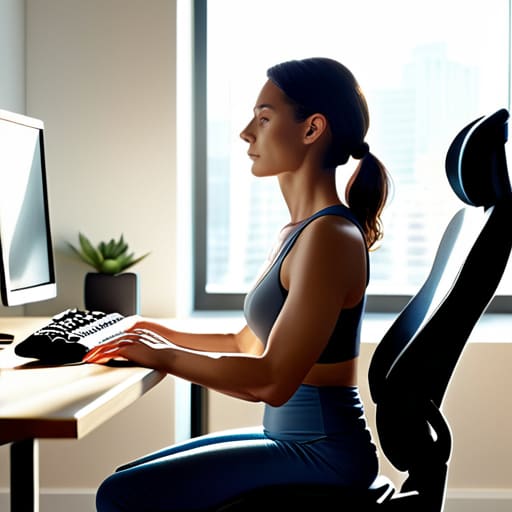
I’m not here to sell you on a lifestyle overhaul or a suite of premium gadgets. Instead, I want to show you how to build a system that actually works within the messy reality of a real life. I’ve spent years testing small, low-friction adjustments to see what actually lowers my cortisol levels without adding more stress to my plate. I’m going to share the practical, no-nonsense tweaks that helped me stop fighting my brain at midnight and finally start reclaiming my evenings. We aren’t aiming for a perfect Zen state; we’re just aiming for better sleep.

Table of Contents

Small Adjustments to Start Preparing Your Body for Sleep

Small Adjustments to Start Preparing Your Body for Sleep

First, we need to talk about the physiological side of things. You can’t just flip a switch and expect your brain to go from “high-speed data processing” to “deep sleep” in five minutes. Most of us spend our final waking hours staring at screens, which is basically telling our brains it’s high noon. One of the most effective sleep hygiene tips I’ve implemented is a strict policy on reducing blue light exposure about sixty minutes before I hit the pillow. I swapped my phone scrolling for a physical book or a dedicated e-reader with a warm tint. It’s a small friction point, sure, but it signals to your nervous system that the workday is officially dead.

Beyond the light, you have to manage your internal temperature and sensory input. I’ve found that a quick, warm shower about an hour before bed works wonders; the subsequent drop in body temperature once you step out acts as a natural biological trigger for sleep. Pair that with some low-intensity nighttime relaxation techniques, like dimming the lights or even just tidying up your immediate space, and you’re essentially prepping your hardware for a shutdown sequence. We aren’t looking for a meditative trance here—just a way to lower the baseline stimulation so your body can actually do its job.

Ditch the Friction With Simple Sleep Hygiene Tips

Ditch the Friction With Simple Sleep Hygiene Tips.

If you’re like me, your brain doesn’t just “shut off” because you closed your laptop. You probably spend the hour before bed scrolling through news feeds or checking emails, which is essentially like handing your nervous system a double espresso. One of the most effective sleep hygiene tips I’ve implemented isn’t about buying expensive blackout curtains; it’s about reducing blue light exposure well before you actually hit the pillow. I started setting a “digital sunset” on my devices, but even better, I started physically moving my phone charger to the other side of the room. If the device isn’t within arm’s reach, the temptation to engage in that mindless late-night scroll vanishes.

Beyond the tech side, you need to address the environment. I’ve found that improving sleep quality often comes down to removing the tiny frictions that keep your mind racing. This means prepping your space for zero effort the next morning—setting out your clothes or clearing your desk—so your brain doesn’t start “pre-solving” tomorrow’s problems while you’re trying to drift off. Pair this with some low-stakes, calming evening activities, like reading a physical book or even just listening to a record, and you’re no longer fighting your biology. You’re just giving your system the signal that the day is officially done.

Five Low-Friction Ways to Actually Shut Your Brain Off

Five Low-Friction Ways to Actually Shut Your Brain Off
  • Set a “Digital Sunset.” Pick a time—say, 9:00 PM—where the phone goes on the charger in a different room. If you can’t commit to no screens, at least toggle on the aggressive blue light filters. Stop letting your inbox dictate your cortisol levels right before bed.
  • Prep your “Morning Self” the night before. I’m a big believer in reducing decision fatigue. Lay out your clothes, prep the coffee maker, or pack your bag. When you eliminate those tiny micro-stresses in the evening, your brain doesn’t feel the need to loop through them while you’re trying to drift off.
  • Use a “Brain Dump” notepad. If you find yourself lying awake mentally auditing your to-do list, keep a physical notebook by the bed. Write down every nagging thought or task. Once it’s on paper, your brain can stop using active RAM to hold onto it.
  • Control your environment with light and temperature. Your body needs a signal that the day is done. Dim the overhead lights and switch to warm lamps. If your room is too warm, you’re fighting biology; aim for a slightly cooler temperature to help your core temp drop naturally.
  • Find a non-stimulating “buffer” activity. This isn’t the time for a high-stakes thriller or a complex spreadsheet. Read a physical book, listen to a low-fi playlist, or even just do some light stretching. You’re essentially building a ramp from the high-speed chaos of your day down to a standstill.

## The Systemic View of Rest

“A wind-down routine isn’t about forcing yourself into a state of relaxation; it’s about building a series of small, predictable buffers that signal to your brain that the day’s heavy lifting is officially done.”

Nathaniel 'Nate' Brooks

Finding Your Rhythm

Finding Your Rhythm with a wind-down routine.

At the end of the day, building a wind-down routine isn’t about adding more chores to your to-do list; it’s about removing the friction that keeps you wired. We’ve talked about prepping your body through physical cues, cleaning up your sleep hygiene, and setting up your environment so you aren’t fighting your own space just to get comfortable. You don’t need a ten-step monastic ritual or a thousand-dollar smart bed to see results. Start with the small, low-cost adjustments—dimming the lights, ditching the blue light, or just prepping your coffee for the morning—to create a predictable sequence that tells your brain the workday is officially over.

I know how easy it is to fall back into the trap of “just five more minutes” of scrolling, only to realize it’s midnight and you’re more exhausted than when you started. But remember, we aren’t aiming for a perfect, cinematic evening every single night. We’re just aiming for better systems that work for your actual life. If you miss a night, don’t sweat it; just get back to the routine tomorrow. Life is too chaotic to let a bad sleep cycle dictate your entire mood. Build your system, protect your rest, and let the rest of the day fall into place.

Frequently Asked Questions

What if I can't commit to a full hour of winding down every single night?

Look, I get it. Some days the workload hits a wall at 9 PM and an hour-long ritual feels like another chore on an already overflowing to-do list. Don’t force it. If you can’t do sixty minutes, do ten. Pick two non-negotiables—maybe just dimming the lights and putting your phone in another room. Systems work because they’re repeatable, not because they’re long. Even a micro-routine is better than zero routine.

How do I stop my brain from looping through work tasks or "to-do" lists the moment I hit the pillow?

That loop is a symptom of a “leaky” transition. Your brain thinks it’s still on the clock because you haven’t officially closed the files. To fix this, try a “brain dump” about an hour before bed. Grab a physical notebook—not a phone—and write down every nagging task or half-baked idea. Once it’s on paper, your subconscious stops treating it like an active process that needs constant monitoring. Close the book, close the loop.

Is it actually worth skipping my phone, or can I just switch to a blue light filter and call it a day?

Look, I’m a systems guy, so I love a good shortcut. But a blue light filter is just a patch for a deeper bug. It helps with eye strain, sure, but it doesn’t stop the dopamine loops—the endless scrolling or that sudden urge to check one more email. If you want to actually wind down, you have to remove the device from the equation entirely. Put the phone in another room. Stop patching the problem and just fix the system.

How do I keep this routine from feeling like just another chore on my list of things to do?

Look, if your wind-down routine feels like a second job, you’ve already lost. The moment it feels like a chore, you’re doing too much. My rule is simple: if it requires intense willpower, cut it. Don’t aim for a ten-step ritual; aim for two low-friction habits that actually feel good. The goal isn’t to check a box; it’s to signal to your brain that the workday is officially over. Keep it easy.

Posted on

Fixing Your Posture While Working at a Computer

How to improve your posture at computers.

I spent most of my mid-twenties hunched over a dual-monitor setup like a gargoyle, convinced that if I just bought the right $500 ergonomic chair, my back pain would magically vanish. It was a lie. Most of the “expert” advice you see online—the expensive braces, the complicated yoga flows, the high-tech gadgets—is just noise designed to sell you something you don’t need. If you’re looking for a magic pill on how to improve your posture, you’re going to be disappointed. The truth is much more boring, but significantly more effective: it’s about managing your environment and fixing the small, systemic failures in your daily routine.

I’m not here to sell you a lifestyle overhaul or a subscription to a wellness app. Instead, I want to walk you through the practical, low-friction adjustments I’ve used to stop my body from feeling like a rusted-out machine by 3:00 PM. We’re going to focus on small, actionable tweaks to your desk, your movement, and your habits that actually stick. No fluff, no expensive gear—just a way to eliminate the friction between your body and your work so you can stop fighting yourself and start focusing on what actually matters.

Table of Contents

Small Wins Correcting Rounded Shoulders Without the Struggle

Small Wins Correcting Rounded Shoulders Without the Struggle

Most of us spend our days hunched over a laptop, slowly turning into a question mark. If you feel like your chest is tight and your shoulders are perpetually creeping toward your ears, you’re likely dealing with the classic “tech neck” slump. Instead of trying to force yourself into a rigid, military-style stance—which is exhausting and usually fails by lunchtime—focus on correcting rounded shoulders through small, rhythmic resets. I like to use the “doorway stretch” whenever I’m transitioning between tasks. Just stand in a doorway, place your forearms on the frame, and lean forward gently. It takes thirty seconds, but it breaks that cycle of tension that comes from the effects of sitting too long.

The real secret, though, isn’t just about stretching what’s tight; it’s about waking up what’s sleepy. When we slouch, our upper back muscles turn off and our chest muscles tighten up. To fix this, you need to integrate a few simple posture correction exercises that target the muscles between your shoulder blades. Think of it as recalibrating your hardware. Even something as simple as a “wall slide” once an hour can help re-establish your natural alignment. You don’t need a gym membership or a fancy ergonomic overhaul to see progress; you just need to stop letting your body settle into its worst habits.

Simple Spinal Alignment Techniques for Busy People

Simple Spinal Alignment Techniques for Busy People

Look, I get it. You aren’t going to spend forty minutes a day on a yoga mat just to offset eight hours of desk time. Most of us are just trying to survive the workday without feeling like a question mark. If you want to address the effects of sitting too long, you don’t need a complete lifestyle overhaul; you just need to interrupt the slump. I’ve found that the most effective spinal alignment techniques are the ones that require zero extra equipment. Try the “wall sit” method during a quick coffee break: stand with your back against a flat surface and ensure your heels, glutes, and shoulder blades are all making contact. It’s a quick way to reset your nervous system and remind your body where “upright” actually is.

Beyond just standing up, we need to talk about your environment. You can do all the posture correction exercises in the world, but if your monitor is sitting on a stack of old textbooks, you’re fighting a losing battle. A basic ergonomic workspace setup—specifically getting your screen to eye level—does about 70% of the heavy lifting for you. When your eyes are looking straight ahead rather than down at your lap, your spine naturally follows suit. It’s about reducing the friction between your body and your chair.

Low-Friction Habits for a Better Setup

Low-Friction Habits for a Better Setup
  • Stop fighting your monitor; if you’re hunched over a laptop all day, your neck is paying the price. Get a cheap riser or even a stack of sturdy books to bring the screen to eye level so you aren’t constantly looking down.
  • Audit your chair without buying a new one. Most of us sit too far back or lean too far forward; try using a small lumbar roll or even a rolled-up towel behind your lower back to force your spine into a more natural curve.
  • Set a “movement trigger” in your workflow. Every time you finish a meeting or hit “send” on a major email, stand up and reach for the ceiling for ten seconds. It breaks the static load on your muscles before they start to lock up.
  • Watch your phone usage, not just your desk posture. We spend half our lives in “tech neck” mode; instead of looking down into your lap, bring the phone up to your face. It feels weird for a day, but your cervical spine will thank you.
  • Use your feet as an anchor. If you find yourself slouching or crossing your legs—which is a recipe for hip misalignment—plant both feet flat on the floor. It sounds basic, but it creates a stable foundation that makes staying upright feel less like a chore.

The Philosophy of Alignment

“Posture isn’t about performing a rigid, military-style drill every time you sit down; it’s about reducing the constant, low-level friction between your body and your environment so you can actually focus on your work instead of your ache.”

Nathaniel 'Nate' Brooks

The Long Game

Improving posture is The Long Game.

At the end of the day, improving your posture isn’t about achieving some flawless, military-grade stance that feels unnatural. It’s about the small, cumulative wins we talked about—nudging your monitor up, consciously dropping your shoulders when you feel that tension creeping in, and making sure your spine isn’t doing all the heavy lifting while your core stays dormant. You don’t need a complete lifestyle overhaul or an expensive ergonomic chair to see progress. Just focus on eliminating the friction between your body and your workspace. If you can implement even two of these minor adjustments into your daily routine, you’re already ahead of the curve.

Look, I’m a systems guy, and I know that even the best-designed systems fail if you try to implement everything at once. Don’t beat yourself up if you find yourself slouching over your keyboard again by 3:00 PM; that’s just part of being human. The goal isn’t to be perfect; it’s to be slightly more intentional than you were yesterday. Treat your body like a piece of fine machinery that needs a little bit of regular calibration. If you stay consistent with these small tweaks, you’ll find that you have more energy and less physical noise to deal with by the time you clock out. Keep it simple, keep it steady, and just keep moving forward.

Frequently Asked Questions

How do I tell if my posture issues are just bad habits or something that actually needs a physical therapist?

Look, I’m a systems guy, not a doctor, so take this as a rule of thumb. If it’s just a habit, you’ll usually feel “tight” but can snap back into alignment with a conscious effort. But if you’re dealing with sharp, radiating pain, numbness in your hands, or a dull ache that won’t quit even after you stretch, that’s a hardware issue. Don’t try to patch a broken system yourself—go see a professional.

Are there specific stretches I can do at my desk without looking like a total weirdo to my coworkers?

Look, I get it. Nobody wants to be the person doing yoga in the middle of an open-plan office. To keep things low-profile, try seated spinal twists—just grab your chair arm and gently rotate your torso. You can also do “desk chin tucks” to reset your neck alignment; it just looks like you’re deep in thought. These subtle movements fix the tension without turning your cubicle into a studio session.

Does investing in a high-end ergonomic chair actually make a difference, or is it just marketing hype?

Look, I’ve spent enough time staring at spreadsheets to know that a $1,200 chair isn’t a magic fix for bad habits. If you sit like a shrimp, a Herman Miller won’t save you. However, it’s not all hype either. A high-end chair provides the structural support that cheap foam just can’t sustain over an eight-hour shift. It’s an investment in reducing friction, not a cure for a sedentary lifestyle.

How much time do I really need to spend on these adjustments every day to see a real change?

Look, I’m not going to tell you to block out an hour for “posture training.” If you tried that, you’d quit by Tuesday. The secret isn’t duration; it’s frequency. I aim for two or three minutes every few hours. Think of it like a system reboot. A quick stretch or a monitor adjustment during a coffee break is more effective than a marathon session once a week. Consistency beats intensity every single time.

Posted on

Real-world Strategies for Managing Daily Anxiety

Strategies on how to manage anxiety.

I remember sitting at my desk three years ago, staring at a flickering spreadsheet while my chest felt like it was being squeezed by a hydraulic press. I wasn’t just stressed about a deadline; I was stuck in that paralyzing loop where every minor task felt like a systemic failure. Most of the advice you find online about how to manage anxiety feels like it was written by someone who has never actually lived through a panic attack—they tell you to “just breathe” or buy a $50 weighted blanket, as if a lifestyle purchase can fix a broken internal operating system. It’s frustrating, it’s expensive, and frankly, it’s nonsense.

I’m not here to sell you a mindfulness retreat or a subscription to a meditation app. What I want to do is help you audit your life and find the small, technical glitches that are draining your mental battery. I’ve spent years testing what actually works through trial, error, and a lot of late-night troubleshooting. I’m going to show you how to implement small, actionable adjustments to your environment and your routines to steady the ship. We aren’t aiming for a perfect, Zen-like existence; we’re just aiming to reclaim your focus.

Table of Contents

Practical Anxiety Coping Mechanisms for Busy Days

Practical Anxiety Coping Mechanisms for Busy Days.

When you’re in the middle of a high-pressure workday, you don’t have time for a forty-minute meditation session. You need something that works in the gaps between meetings or while you’re staring at a spreadsheet that refuses to balance. For me, the most effective anxiety coping mechanisms are the ones that require zero equipment and minimal setup. I’ve found that simple box breathing—inhaling, holding, exhaling, and holding for four seconds each—is a total game-changer. It’s a physiological override; you’re essentially forcing your nervous system to exit “fight or flight” mode and return to a baseline of calm.

If your brain is spiraling because of a mounting to-do list, try applying a few basic cognitive behavioral therapy techniques to your thought process. Instead of letting a vague sense of dread settle in, grab a notepad and perform a quick “brain dump.” Categorize your stressors into two columns: things I can control and things I can’t. This isn’t about toxic positivity; it’s about resource allocation. By stripping away the noise of things outside your influence, you stop leaking mental energy on problems that don’t have a solution, allowing you to focus your limited bandwidth on the tasks that actually move the needle.

Mindfulness for Anxiety Relief Without the Fluff

Mindfulness for Anxiety Relief Without the Fluff

Look, I get it. When you hear “mindfulness,” you probably picture someone sitting cross-legged on a mountain for forty minutes, trying to empty their brain of every single thought. That’s not realistic for anyone with a job, a mortgage, or a mounting inbox. I don’t have the bandwidth for that, and neither do you. For me, mindfulness for anxiety relief isn’t about reaching enlightenment; it’s about interrupting the feedback loop of a spiraling mind before it crashes your entire afternoon.

Instead of the fluff, try high-utility micro-habits. When I feel that familiar tightness in my chest during a heavy workload, I don’t meditate—I use sensory grounding. I’ll pick three things I can see, two I can hear, and one I can touch. It sounds incredibly basic, but it works because it forces your brain to switch from internal panic to external data processing. It’s a manual override for your nervous system.

If you want to take it a step further without turning your life upside down, look into basic cognitive behavioral therapy techniques that you can apply to your daily routine. It’s essentially just auditing your own thoughts like a system analyst would audit a buggy piece of code. When a catastrophic thought hits, ask yourself: Is this a fact, or is this just a glitch in my current perception? It’s about identifying the error before you let it run the whole program.

Systems for the Mind: 5 Ways to Stop the Spiral

Systems for the Mind: 5 Ways to Stop the Spiral
  • Audit your inputs. Most of my anxiety spikes when I’m doomscrolling or letting notifications dictate my attention. I started treating my digital environment like a cluttered desktop—if an app or a news feed isn’t serving a purpose, I mute it or delete it. Less noise equals less friction.
  • Use the ‘Rule of Three’ to combat decision fatigue. When my brain starts spinning because the to-do list looks like an endless spreadsheet, I stop. I pick exactly three tasks that actually matter for today and ignore the rest. It turns an overwhelming mountain into a manageable set of steps.
  • Schedule your worry time. It sounds counterintuitive, but I’ve found success in giving my anxiety a dedicated slot. I give myself fifteen minutes at 4:00 PM to obsess over everything that could go wrong. Once the timer hits zero, I’m done. It keeps the chaos from bleeding into my entire day.
  • Optimize your physical environment. I’m a big believer that you can’t think clearly in a mess. If I feel a panic spike coming on, I don’t try to meditate immediately; I just clear my desk or wash three dishes. Moving my hands to fix a small, tangible problem helps ground me faster than any breathing exercise.
  • Automate the mundane. Anxiety thrives on the little things we forget—bills, grocery lists, recurring appointments. I spend a few hours every month setting up as many automations as possible. The fewer “micro-decisions” I have to make daily, the more mental bandwidth I have to stay calm when things actually get heavy.

The Systems Approach to Calm

“Anxiety isn’t a bug you need to patch out of your personality; it’s usually just a signal that your current daily systems are overloaded. Stop trying to force yourself to feel calm and start looking at where you can trim the friction.”

Nathaniel 'Nate' Brooks

Finding Your Steady State

Finding Your Steady State through mindfulness.

Look, I’m not going to tell you that these tools will make anxiety disappear overnight. They won’t. But if you’ve been following along, you know my philosophy: we aren’t looking for a total system overhaul, we’re just looking for incremental improvements. Whether it’s implementing those small, practical coping mechanisms during a hectic workday or stripping away the spiritual fluff to focus on actual, grounded mindfulness, the goal is the same. It’s about building a toolkit of small, repeatable actions that prevent a bad moment from turning into a total system crash. You don’t need to master every single technique we discussed; you just need to find the one or two that actually work for your specific brand of chaos.

At the end of the day, managing anxiety is a lot like restoring one of my vintage synths—it’s a process of troubleshooting, adjusting, and constant fine-tuning. There will be days when the noise is loud and the systems feel broken, and that’s okay. Don’t let the pursuit of a “perfectly calm life” become just another source of stress. Just focus on reducing the friction where you can. Pick one small adjustment, implement it, and let that be your win for the day. We aren’t aiming for a life without turbulence; we’re just building a better cockpit to fly through it.

Frequently Asked Questions

How do I tell the difference between normal daily stress and actual anxiety that needs professional help?

Look, I’m a systems guy, so I tend to view everything through the lens of “functional vs. broken.” Stress is usually a reaction to a specific trigger—a looming deadline or a broken sink—and it clears once the problem is solved. Anxiety is different. It’s a background process that won’t stop running, even when the task is done. If your “system” is constantly idling in high-alert mode or interfering with your ability to function, it’s time to call in a professional.

What do I do when a panic attack hits right in the middle of a meeting or a high-pressure situation?

This is the ultimate high-friction moment. When you feel that surge in a meeting, don’t fight the physical sensation—that just adds more noise to the system. Instead, use a “grounding hack.” Press your feet hard into the floor or grip your pen tightly; the tactile input pulls your brain out of the spiral and back into the room. If you can, excuse yourself for a quick “water break.” Even sixty seconds of rhythmic breathing in the hallway can reset your baseline.

Are there specific digital habits or app settings that can actually help reduce my screen-induced anxiety?

If you’re feeling the digital itch, start with the low-hanging fruit: turn on grayscale mode. It makes your phone look incredibly boring, which kills the dopamine loop that keeps you scrolling. Next, audit your notifications. If a ping doesn’t require an immediate, real-world response, kill it. I also swear by “Do Not Disturb” scheduled for 9 PM. We need to stop letting our devices dictate our attention; reclaim your focus by setting hard boundaries.

How can I stay consistent with these routines when my schedule is constantly changing and unpredictable?

The mistake most people make is building rigid schedules that shatter the moment a meeting runs late or a kid gets sick. Stop aiming for a fixed time and start aiming for a fixed sequence. I call it “modular routine building.” Instead of “meditate at 7:00 AM,” make it “meditate immediately after my coffee.” If the coffee moves, the meditation moves with it. Build habits around triggers, not the clock, and you’ll stay consistent regardless of the chaos.