I used to think that figuring out how to build better eating habits required a PhD in nutrition and a subscription to some overpriced meal-kit service that promised “optimized” ingredients in compostable packaging. I spent my mid-twenties chasing those expensive, complicated trends, thinking that if I just bought the right organic superfoods, my energy levels would magically stabilize. It was a total lie. In reality, I was just spending too much money and creating more friction in my kitchen, which ultimately led to me ordering takeout because my “perfect” system was too exhausting to maintain.
I’m not here to sell you on a radical lifestyle overhaul or a restrictive diet that leaves you miserable by Wednesday. My goal is to show you how to apply a little bit of systems thinking to your kitchen so that eating well becomes the path of least resistance. We’re going to focus on small, actionable adjustments—the kind of low-effort, high-impact tweaks that actually stick when life gets chaotic. We aren’t aiming for a perfect diet; we’re just aiming to eliminate the decision fatigue that keeps you from eating the way you actually want to.
Table of Contents
Simple Meal Planning for Beginners to Save Your Sanity
Look, I used to treat meal planning like a massive, weekend-long project that required a PhD and a color-coded spreadsheet. I’d spend four hours prepping, only to get bored of the same chicken and broccoli by Tuesday. That’s the fastest way to fail. If you want to actually stick to something, you need to treat meal planning for beginners as a way to reduce decision fatigue, not as a second job. Start small: just pick three dinners for the week and write them down. That’s it. You don’t need a gourmet menu; you just need a roadmap so you aren’t staring blankly into the fridge at 7:00 PM when your energy is bottoming out.
The goal here isn’t to become a master chef overnight; it’s about building sustainable dietary changes that don’t feel like a chore. I’ve found that the “modular approach” works best for my workflow. Instead of cooking complex recipes, I prep components—a big batch of grains, roasted veggies, and a protein. This gives you the flexibility to mix and match throughout the week without the mental overhead of a strict regimen. When you have the components ready, you’re much less likely to default to expensive, processed takeout just because you’re too tired to think.
Nutritional Balance Tips for the Busy Professional
When you’re deep in a project or back-to-back meetings, your nutrition usually becomes an afterthought. I’ve been there—staring at a screen at 7:00 PM, realizing my only fuel for the day was three cups of coffee and a handful of almonds. The problem isn’t a lack of willpower; it’s a lack of a system. To avoid the mid-afternoon crash, you need to stop viewing food as a reward for finishing work and start seeing it as the operating system that keeps your brain running. Implementing basic nutritional balance tips, like ensuring every lunch has a solid protein source and a complex carb, prevents that dreaded glucose spike and subsequent brain fog.
It’s also about managing the psychological side of the desk lunch. It is incredibly easy to fall into the trap of mindless snacking while you’re grinding through spreadsheets. I found that practicing a few simple mindful eating techniques—like actually stepping away from the monitor for just fifteen minutes—completely changed my relationship with food. If you eat while you work, your brain doesn’t register satiety, which is a fast track to overeating later. Don’t aim for a perfect diet; just aim to stop eating like a robot and start fueling like a professional.
Five Low-Friction Tweaks to Stop the Food Chaos
- Stop treating every meal like a culinary project; pick two “anchor meals” that are dead simple to make and rotate them so you aren’t constantly decision-fatigued.
- Keep a “survival stash” of high-quality, shelf-stable basics like canned beans, frozen veggies, and quinoa so you never find yourself staring blankly at an empty fridge at 7:00 PM.
- Use the “add, don’t subtract” rule—instead of obsessing over what to cut out, just focus on adding one serving of greens or a protein source to whatever you’re already eating.
- Batch-prep your components, not your meals; roasting a huge tray of veggies and boiling a pot of grains takes twenty minutes but saves you an hour of chaos during the work week.
- Audit your environment, not your willpower; if the junk food is on the counter, you’re going to eat it, so move the easy stuff to a high shelf or out of sight to reduce the mental friction of making a good choice.
The Efficiency of Eating
Stop treating nutrition like a massive lifestyle overhaul you have to conquer on Monday morning; treat it like a system upgrade. You don’t need a total rewrite of your diet, you just need to patch the bugs in your routine so you aren’t crashing by 3:00 PM.
Nathaniel 'Nate' Brooks
Cutting Through the Noise
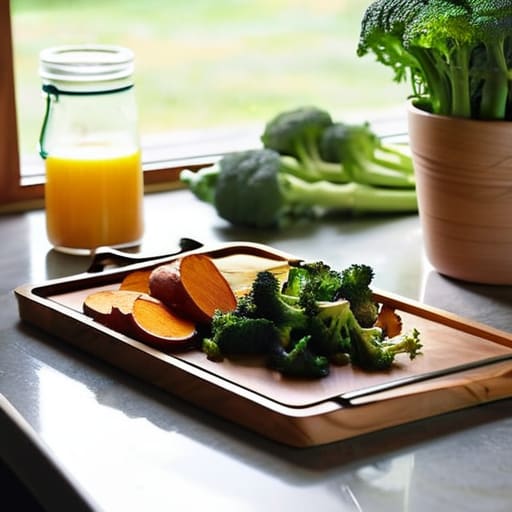
At the end of the day, building better eating habits isn’t about a radical dietary overhaul or buying every expensive superfood on the market. It’s about the systems we discussed: implementing a meal plan that actually fits your schedule and finding that baseline of nutritional balance that keeps your energy from crashing by 3 PM. If you can manage to automate even just one part of your food prep or commit to one extra serving of greens, you’re already ahead of the curve. Remember, the goal is to reduce the friction between you and a decent meal, not to turn your kitchen into a second job.
I’ve spent way too many years trying to optimize every single second of my life, only to realize that the most effective changes are usually the quietest ones. You don’t need to be perfect; you just need to be slightly more intentional than you were yesterday. If a week goes sideways and you end up ordering takeout three nights in a row, don’t scrap the whole system. Just reset. Life is messy, and your diet will be too, but as long as you keep refining the process, you’ll eventually find a rhythm that actually sticks.
Frequently Asked Questions
I’ve tried meal prepping before, but I always end up bored of the same three meals by Wednesday—how do I keep things interesting without adding more work?
The mistake most people make is prepping full recipes instead of components. If you prep three identical chicken bowls, you’re going to burn out by Wednesday. Instead, prep “building blocks”: a batch of roasted veggies, one protein, and a grain. Keep your sauces separate. Switch from pesto to tahini or sriracha mayo mid-week. It’s the same amount of effort, but you’re changing the flavor profile rather than the entire workflow.
How do I stick to a better eating routine when my coworkers are constantly ordering takeout or there's free food in the breakroom?
Look, I’ve been there—staring at a box of lukewarm pizza while I’m trying to stick to my plan. The trick isn’t willpower; it’s reducing the decision fatigue. If you haven’t eaten by the time the takeout arrives, you’ve already lost. Keep a high-protein snack, like almonds or a jerky stick, in your desk. It kills the immediate hunger spike so you can make a logical choice instead of an emotional one.
Is it worth buying all the specialized kitchen gadgets and containers I see online, or can I actually do this with what I already have in my cabinets?
Look, I’ve seen the aesthetic pantry videos, and let me save you the money: most of those specialized gadgets are just friction disguised as “organization.” You don’t need a $40 airtight container for every single spice. Start with what you have. If a glass jar from your pasta sauce works, use it. Focus on the systems—like prepping ingredients ahead of time—rather than the gear. Buy tools only when a current gap actually slows you down.
How much time should I realistically be spending on food prep each week if I want to see actual results without burning out?
Look, if you’re trying to prep everything from scratch on a Sunday, you’re going to burn out by week three. Realistically? Aim for two to three hours. Don’t try to cook seven days of meals; just prep the high-friction components—think grains, roasted veggies, or a batch of protein. If you can automate the “heavy lifting” in a single afternoon, you’ll actually stick to the system without it feeling like a second job.