I used to think that learning how to eat more vegetables meant I had to transform my kitchen into a high-end organic juice bar or spend my entire Sunday meal-prepping elaborate kale salads that tasted like lawn clippings by Tuesday. Honestly, the wellness industry makes it feel like if you aren’t eating microgreens grown in volcanic soil, you’re somehow failing at health. It’s an exhausting, expensive myth that treats nutrition like a full-time job instead of a functional part of a daily routine.
I’m not here to sell you on a radical lifestyle overhaul or a $200 grocery list of superfoods. My goal is to show you how to apply a little systems thinking to your plate so you can get the nutrients you need without the friction. I’m going to share the small, low-effort adjustments I’ve used to integrate more greens into my life—from sneaky pantry hacks to simple cooking tweaks—so you can stop fighting your diet and start focusing on what actually matters. We aren’t aiming for a perfect diet; we’re just aiming for better systems.
Table of Contents
Easy Ways to Eat More Greens Without the Struggle
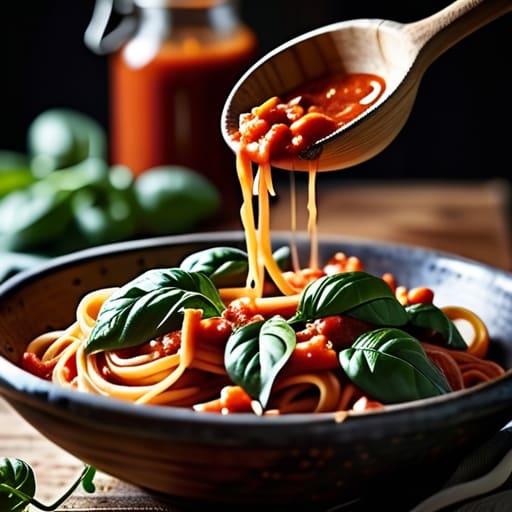
The biggest mistake I see people make is treating a diet change like a massive system overhaul. If you try to switch to salads for every meal overnight, you’re going to burn out by Tuesday. Instead, think about hidden ways to add veggies into the things you’re already eating. I’m a big fan of the “stealth mode” approach. If you’re making a pasta sauce, throw in some finely chopped mushrooms or a handful of wilted spinach. You won’t even notice the texture change, but you’ll be increasing fiber intake naturally without the mental load of a dedicated “health meal.”
If you do want to get a bit more organized, don’t fall into the trap of complex, multi-hour cooking sessions. My go-to for vegetable meal prep ideas is actually pretty low-effort: just roast two huge trays of whatever is on sale—broccoli, cauliflower, sweet potatoes—and keep them in the fridge. When it’s time to eat, you just grab a handful to toss into a bowl or a wrap. It’s about reducing the friction between “I should eat something healthy” and actually putting food on the plate. It’s not about being a gourmet chef; it’s just about making the healthy choice the easiest one.
Hidden Ways to Add Veggies to Your Favorites
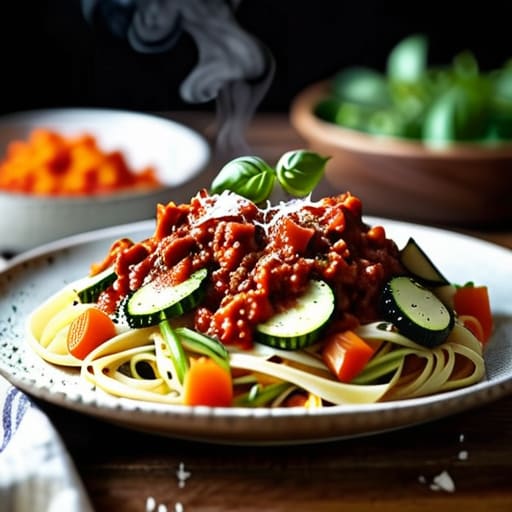
If you’re like me, you probably have certain “comfort foods” that you aren’t willing to sacrifice just to be healthy. The good news is that you don’t have to. Instead of replacing your favorite pasta or taco night, look for hidden ways to add veggies directly into the base of the meal. I’ve found that finely grating zucchini or carrots into a Bolognese sauce works like a charm—it adds moisture and bulk without changing the flavor profile. It’s one of those small, low-friction adjustments that makes a massive difference in your overall nutrient density without requiring a total culinary overhaul.
Another trick I swear by is using cauliflower rice as a partial substitute for regular rice or even mixing it into mashed potatoes. When you’re working through your weekly vegetable meal prep ideas, try blending steamed cauliflower into a creamy cheese sauce or even your morning oatmeal. It’s an incredibly effective way of increasing fiber intake naturally while keeping the texture consistent. You aren’t fighting against your cravings; you’re just optimizing the ingredients to work harder for you. It’s about finding that sweet spot where efficiency meets enjoyment.
My Low-Friction Strategy for Consistent Veggie Intake
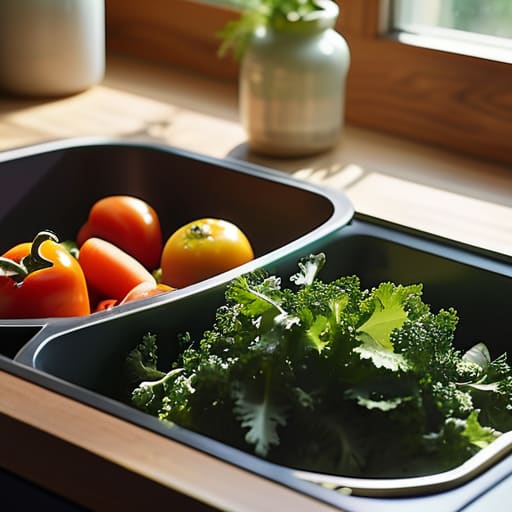
- Stop buying whole heads of broccoli if you know you’re going to let them rot in the crisper drawer. Buy the pre-washed, pre-cut bags. It’s a small “convenience tax,” but it’s much cheaper than the trash can.
- Keep a bag of frozen peas or corn in the freezer at all times. They don’t require prep, they don’t expire quickly, and you can toss a handful into almost any hot meal—pasta, rice, or even a quick soup—to add instant volume and nutrients.
- Use the “One-to-One” rule during meal prep. For every protein or starch you put on your plate, make sure there is a corresponding portion of something green. It turns the decision into a simple visual check rather than a mental struggle.
- Master a single, versatile veggie sauce. I like to blend roasted peppers, garlic, and a bit of olive oil. You can keep it in a jar in the fridge and use it as a base for pasta, a spread for sandwiches, or a dip for raw carrots.
- Don’t aim for a salad every night. If you hate cold greens, don’t force them. Roast your vegetables in large batches on Sunday; having seasoned, warm cauliflower or Brussels sprouts ready to grab makes eating them feel like a choice rather than a chore.
The Systems Approach to Nutrition
“Stop treating healthy eating like a massive, overnight system overhaul. You don’t need to clear out your pantry and start a garden tomorrow; you just need to find the small, low-friction ways to layer vegetables into the meals you’re already making.”
Nathaniel 'Nate' Brooks
The Bottom Line
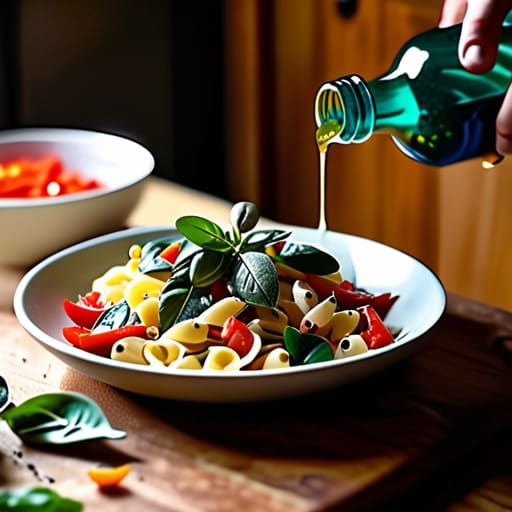
Look, I’m not asking you to go full “kale-only” overnight or spend your entire Sunday meal-prepping massive bowls of steamed broccoli. We’ve already covered how easy it is to hide spinach in a smoothie or bulk up your favorite pasta sauce with finely chopped peppers. The goal here is simple: stop viewing vegetables as a chore and start seeing them as small, strategic upgrades to your existing meals. Whether you’re tossing a handful of greens into a pan or swapping out a side of fries for something roasted, these tiny adjustments are what actually stick when the initial motivation wears off. It’s about optimizing your intake without disrupting the parts of your routine that you actually enjoy.
At the end of the day, don’t let the pursuit of a “perfect” diet keep you from making any progress at all. If you eat a burger on Tuesday, just try to add some sliced cucumber or tomato to it. If you miss a day of greens, don’t sweat it—just get back on the system tomorrow. We aren’t aiming for a flawless nutritional spreadsheet; we’re just looking for incremental, sustainable wins. Life is far too chaotic to spend it feeling guilty about a salad. Just make one small tweak, keep it simple, and focus on the progress, not the perfection.
Frequently Asked Questions
How do I stop feeling bloated or gassy when I suddenly start eating more fiber?
Look, I’ve been there. You decide to get healthy, go heavy on the kale and beans, and suddenly your gut feels like a pressurized tank. The mistake is the “all-at-once” approach. Think of it like upgrading a legacy system: you don’t swap the entire codebase overnight or things will crash. Scale up your fiber intake incrementally over a few weeks, and—this is non-negotiable—double your water intake. Your digestive system needs the hydration to move that fiber through efficiently.
Are there any specific vegetables that are actually worth the extra prep time, or is it all the same?
Look, if you’re low on time, don’t waste it on a head of cauliflower that needs a dozen steps just to taste decent. Stick to the high-ROI stuff. For me, it’s roasted Brussels sprouts or sweet potatoes—the extra prep pays off in massive flavor and texture. If you’re going to commit to the knife work, make it something that actually transforms when cooked, rather than just something you’re forcing yourself to eat.
What’s the best way to meal prep veggies so they don't turn into a soggy, unappetizing mess by Wednesday?
The mistake most people make is treating veggies like a monolith. If you toss everything in one container, you’re asking for mush. My rule of thumb: prep by texture. Roast your hardier stuff—broccoli, carrots, or cauliflower—and keep them in airtight glass containers. For greens, don’t wash them until you’re ready to eat, or use a salad spinner and a paper towel to manage moisture. Keep the “wet” components separate from the “dry” ones. Control the moisture, control the crunch.
I’m on a tight budget—how can I hit my veggie goals without spending a fortune on organic produce every week?
Look, I get it. The “organic or nothing” mindset is a fast track to a drained bank account. If you’re on a budget, stop chasing the premium labels and start hitting the frozen aisle. Frozen veggies are flash-frozen at peak ripeness, they don’t spoil in your crisper drawer, and they’re significantly cheaper. Also, lean heavily on seasonal produce and canned beans or lentils. They’re nutritional heavyweights that won’t break your budget. Optimize for nutrition, not the sticker price.