
I used to think that learning how to build a self care routine meant buying a $50 candle, downloading a meditation app with a monthly subscription, and spending an hour every Sunday prepping aesthetic smoothie bowls. Honestly? That’s not self-care; that’s just another item on your to-do list that’s destined to fail the moment you have a bad Tuesday. As someone who spent my twenties trying to optimize every single second of my day, I realized that most “wellness” advice is just high-maintenance clutter designed to make you feel guilty when you can’t keep up with it.
I’m not here to sell you on a lifestyle overhaul or a complicated ritual that requires a designer planner. Instead, I want to show you how to build a self care routine that actually works within the messy, unpredictable reality of a real life. We’re going to focus on low-friction, high-impact adjustments—the kind of small, repeatable habits that protect your mental bandwidth without adding to your stress. No fluff, no expensive gear, just a practical system to help you stay sane.
Table of Contents
Low Friction Morning Self Care Rituals for Busy People

The biggest mistake I see people make is treating their morning like a high-stakes performance. If your “ritual” requires you to wake up at 4:00 AM for a ninety-minute meditation session and a cold plunge, you’re going to fail by Wednesday. That’s not a routine; that’s a second job. To actually make these morning self care rituals stick, you have to lower the barrier to entry until it’s almost impossible to say no.
I’m a big believer in the “micro-win” approach. Instead of trying to overhaul your entire existence before your first cup of coffee, start with one or two high-leverage actions that take less than five minutes. This might mean sitting in silence while your kettle boils or simply stepping onto your porch to get some actual sunlight in your eyes. These small acts serve as vital self care for burnout prevention, acting as a buffer between your sleep state and the inevitable chaos of your inbox.
The goal isn’t to achieve enlightenment before 8:00 AM; it’s to reduce the cognitive load of your morning. When you automate these tiny moments, you stop reacting to the day and start navigating it on your own terms.
Building Healthy Lifestyle Habits Without the Burnout
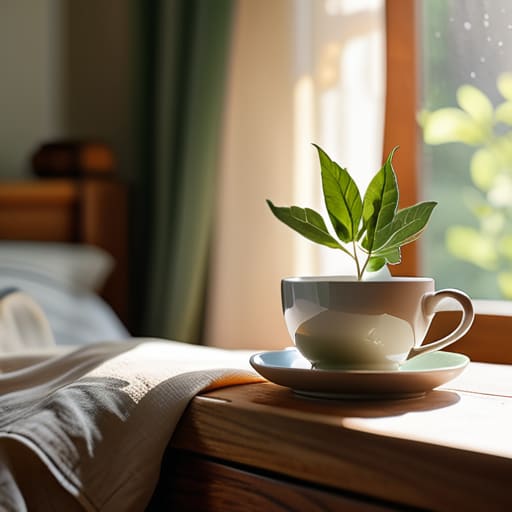
The biggest mistake I see people make is treating self-care like a massive project that requires a complete lifestyle overhaul. You decide on Monday that you’re going to meditate for thirty minutes, meal prep every single meal, and hit the gym at 5:00 AM. By Thursday, you’re exhausted, you’ve failed, and you’ve convinced yourself that you’re just “not a disciplined person.” That’s not a lack of discipline; that’s just bad system design. When it comes to building healthy lifestyle habits, the goal isn’t to add more weight to your plate—it’s to integrate small, manageable wins that don’t require massive willpower.
Instead of trying to fix everything at once, focus on stacking tiny, low-stakes actions onto things you already do. If you already drink coffee every morning, that’s your cue to sit in silence for two minutes first. If you always check your email before bed, try replacing that one habit with five minutes of reading. These are effective self care for burnout prevention because they don’t trigger that “all-or-nothing” mental trap. We aren’t looking for a radical transformation; we’re just looking for incremental progress that actually survives a stressful Tuesday.
Five Low-Stakes Ways to Keep Your Routine From Falling Apart

- Audit your energy, not just your time. I used to try scheduling deep-focus self-care—like a long meditation session—right after a grueling systems audit at work. It never worked. Instead, I match my habits to my bandwidth. If I’m fried, my “self-care” is just putting my phone in another room for twenty minutes.
- Use the “Two-Minute Rule” to lower the barrier to entry. If a habit feels like a chore, it’s too big. Don’t commit to a 45-minute yoga flow if you’re exhausted; just commit to stretching for two minutes. Once the friction of starting is gone, the rest usually follows.
- Stop treating self-care like a luxury expense. You don’t need a $150 skincare kit or a premium gym membership to reset. Real self-care is often free: it’s a consistent sleep schedule, a walk without a podcast playing, or finally cleaning that one messy drawer that’s been bugging you for weeks.
- Automate the decision-making process. Decision fatigue is real, and it kills routines. I prep my gym clothes the night before and keep my vitamins right next to my coffee maker. If you have to think about whether or not to do the habit, you’ve already lost half the battle.
- Build in “Buffer Days.” Life is messy; spreadsheets rarely account for sudden deadlines or family emergencies. If you miss a day, don’t scrap the whole system. Just pick it back up the next day. The goal isn’t a perfect streak; it’s a sustainable average.
## The System Over the Sentiment
“Stop treating self-care like a luxury retreat you have to schedule; treat it like a system update for your brain. You don’t need a weekend in the mountains to reset—you just need a few low-friction habits that prevent your internal hardware from crashing in the first place.”
Nathaniel 'Nate' Brooks
Stop Aiming for Perfection

At the end of the day, building a self-care routine isn’t about checking off a dozen complex boxes or transforming into a different person overnight. It’s about the small, low-friction wins we talked about—the morning rituals that don’t feel like chores and the habit shifts that actually stick because they don’t drain your battery. We’ve looked at how to integrate wellness into a busy schedule without triggering that familiar burnout, and the takeaway is simple: keep your systems as lean as possible. If a habit feels like a burden rather than a relief, it’s a bad system. Audit it, tweak it, or scrap it entirely.
I spent years trying to optimize every second of my life, only to realize that the most important part of any routine is the margin it creates for you to actually live. Self-care isn’t a luxury or a reward you earn after a grueling week; it’s the foundational maintenance that keeps your personal operating system from crashing. Don’t get caught up in the aesthetics of “wellness” you see online. Just focus on making your daily life a little bit smoother and a lot less chaotic. You don’t need a perfect routine to start seeing results; you just need to start where you are.
Frequently Asked Questions
How do I stick to a routine when my work schedule is constantly changing or unpredictable?
When your schedule is a moving target, stop trying to build a rigid time-based routine. If you try to force “7:00 AM yoga” every day, you’re just setting yourself up for a sense of failure when a late shift hits. Instead, switch to a “modular” system. Build a menu of 5, 15, and 30-minute habits. If you have a chaotic day, just pick a 5-minute module. It keeps the momentum alive without the friction.
I feel guilty when I take time for myself; how do I stop viewing self-care as "wasted" time?
Look, I get it. I spent years viewing any time not spent “producing” as a system failure. But here’s the reality: you aren’t a machine; you’re the operator. If you don’t perform preventative maintenance on the hardware, the whole system crashes. Stop viewing self-care as a luxury or a distraction. Start viewing it as essential maintenance. If you don’t schedule time to recharge, your body will eventually schedule a breakdown for you.
What are some ways to practice self-care that don't cost a bunch of money?
Look, the wellness industry wants you to believe self-care requires a $150 candle or a pricey gym membership, but that’s just bad math. Real self-care is about reducing friction, not adding expenses. Go for a walk without your phone, prep a decent meal so you aren’t eating takeout at 9 PM, or finally organize that junk drawer that’s been stressing you out. If it doesn’t cost money and it lowers your cortisol, it counts.
How do I know if my new routine is actually working or if I'm just adding more chores to my list?
Look, if your “self-care” feels like another item on a mounting to-do list, it’s not working. I use a simple metric: friction. A good routine should decrease your mental load, not increase it. If you’re feeling more exhausted by the maintenance of the routine than you are recharged by the activity itself, scrap it. Audit your habits. If it doesn’t provide a tangible sense of ease or clarity, it’s just more noise.