I remember sitting at my desk three years ago, staring at a spreadsheet that refused to balance, while my brain felt like it was vibrating from a mid-afternoon sugar crash. I had spent the morning “treating myself” to a sweetened latte and a granola bar, thinking I was being productive, but all I actually did was invite a massive energy slump that ruined my entire workflow. Most people will tell you that learning how to reduce sugar requires a complete lifestyle overhaul or a cabinet full of expensive, organic substitutes that taste like sawdust. Honestly? That’s just bad system design. You don’t need a radical transformation; you just need to stop letting hidden additives hijack your biology.
I’m not here to sell you on a “detox” or some restrictive diet that leaves you miserable by Tuesday. My approach is much more pragmatic: we’re going to look at small, incremental adjustments that actually stick because they don’t require a PhD in nutrition to maintain. I’ll show you how to audit your pantry, spot the sneaky labels, and make swaps that won’t make your food taste like cardboard. We aren’t aiming for a perfect, sugar-free existence—we’re just aiming to optimize your energy and eliminate the friction of those afternoon crashes.
Table of Contents
How to Stop Sugar Addiction Without Losing Your Mind
The biggest mistake I see people make is trying to go “cold turkey” on everything sweet. That’s a recipe for a massive crash and a subsequent binge by Thursday night. If you want to actually learn how to stop sugar addiction without feeling like you’re in a survival movie, you have to stop thinking about deprivation and start thinking about stability. The goal is managing blood sugar spikes so you don’t experience that inevitable 3:00 PM energy cliff. When your glucose levels are swinging wildly, your brain will scream for the quickest fix available—usually a candy bar or a latte.
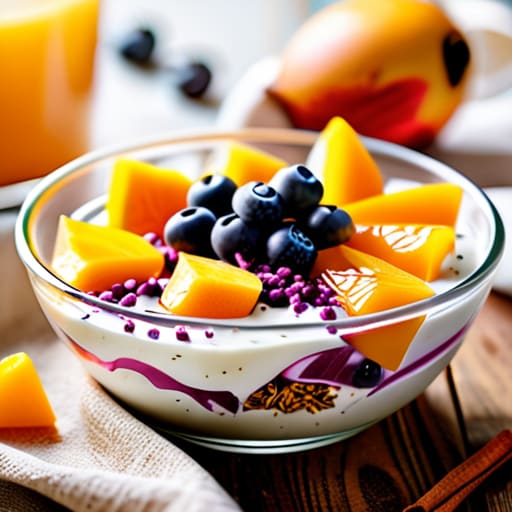
Instead of fighting your willpower, use a little bit of systems thinking. Start by becoming a bit of a detective when it comes to reading nutrition labels for sugar. Most people are shocked to find that “healthy” items like yogurt or granola bars are essentially dessert in disguise. I always tell people to look for the sneaky stuff—the syrups and concentrates tucked away in the fine print. If you can swap out those high-sugar processed snacks for more low glycemic index foods like nuts, berries, or Greek yogurt, you’ll find that the cravings actually start to quiet down on their own. It’s not about being perfect; it’s about building a baseline that doesn’t leave you starving for a fix.
Small Swaps for Managing Blood Sugar Spikes
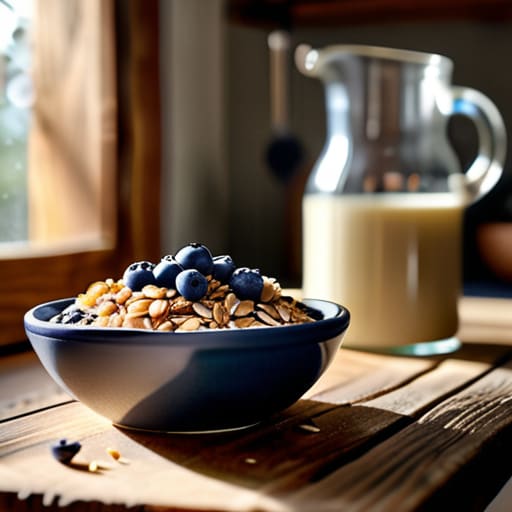
If you’re trying to stabilize your energy, you have to stop looking at sugar as a single enemy and start looking at how it interacts with your biology. The goal isn’t necessarily to go zero-sugar overnight, but to focus on managing blood sugar spikes so you don’t hit that inevitable 3:00 PM wall. One of the easiest ways to do this is by prioritizing low glycemic index foods during your meals. Instead of a bagel or sugary cereal that sends your glucose levels on a rollercoaster, try switching to steel-cut oats or sourdough. These take longer to digest, meaning you get a steady stream of energy rather than a spike and a crash.
Another thing I’ve learned through trial and error is that the order in which you eat your food actually matters. If you start a meal with fiber—like a quick salad or some roasted broccoli—you create a sort of “buffer” in your gut. This slows down the absorption of any glucose from the rest of your meal. I also highly recommend getting comfortable with reading nutrition labels for sugar, specifically looking for those sneaky syrups and maltodextrins. It’s much easier to stay on track when you aren’t accidentally sabotaging your progress with hidden sugars in processed foods that you thought were “healthy.”
My Low-Friction Strategy for Cutting Back

- Stop reading labels for “health benefits” and start looking for the sneaky stuff. I learned the hard way that “healthy” granola or flavored yogurt is often just dessert in disguise. If the sugar content is more than a handful of grams per serving, it’s probably not a meal—it’s a spike waiting to happen.
- Prioritize protein and fat in your first meal of the day. If you start your morning with a sugary cereal or a pastry, you’ve already lost the battle against cravings by 11:00 AM. I found that a solid breakfast of eggs or Greek yogurt keeps my blood sugar steady so I’m not hunting for a candy bar mid-afternoon.
- Audit your liquid calories. This was the biggest win for me. You don’t have to quit coffee, but swapping the flavored syrups for a splash of heavy cream or cinnamon makes a massive difference. Most of the sugar I was consuming wasn’t even in food; it was hiding in my sodas and “fruit” juices.
- Keep a “buffer” snack in your desk or car. Most sugar binges happen when I’m hungry and nothing else is around. Having a bag of almonds or some jerky nearby means I can satisfy a hunger pang with something functional instead of grabbing the first bag of gummy bears I see.
- Don’t banish sugar entirely—just change your relationship with it. If I tell myself I can never have chocolate again, I’ll eventually crash and eat a whole box. Instead, I save the good stuff for after a real meal. It slows down the absorption and keeps the “all-or-nothing” mindset from ruining my progress.
## The Systems Approach to Cravings
“Don’t treat sugar reduction like a moral failing or a weekend-long willpower test; treat it like a system error. You don’t fix a bug by yelling at the code—you fix it by identifying the triggers and swapping out the broken inputs for something that actually works.”
Nathaniel 'Nate' Brooks
The Long Game

At the end of the day, reducing sugar isn’t about a sudden, dramatic purge of everything sweet in your pantry. It’s about the systems we discussed: understanding how to manage those blood sugar spikes, making the small, low-friction swaps that don’t feel like a punishment, and being smart about how we handle cravings when they inevitably hit. If you try to overhaul your entire diet overnight, you’re just setting yourself up for a crash. Focus on incremental adjustments—swapping the soda for seltzer or choosing whole fruit over processed snacks—and let those small wins build your momentum. It’s about optimizing your habits, not achieving some impossible standard of dietary perfection.
I’ve learned through plenty of trial and error that the best systems are the ones you can actually sustain when life gets messy. There will be days when you grab the donut or finish the dessert tray, and that’s fine. Don’t let a single slip-up turn into a reason to scrap the whole plan. The goal isn’t to live a life devoid of flavor; it’s to reclaim control so that food fuels you rather than draining you. Just keep tweaking your routine, stay consistent where it counts, and remember that progress is better than perfection. You’ve got this.
Frequently Asked Questions
How do I handle the sugar withdrawal headaches without reaching for a candy bar?
Look, those headaches are real, and they’re usually your brain’s way of throwing a tantrum because its usual fuel source just vanished. Don’t fight them with more sugar; that just resets the clock. Instead, prioritize hydration and electrolytes—grab some salt and magnesium. If you’re desperate, eat a handful of nuts or some avocado. The healthy fats provide a steady, slow-burn energy that keeps your brain calm without the inevitable crash.
What are some "hidden" sugars I should be looking for on nutrition labels?
The real trouble isn’t the obvious stuff; it’s the labels that look like they belong in a chemistry lab. When I’m scanning a label, I’m looking for anything ending in “-ose”—maltose, dextrose, fructose—because those are just sugar in disguise. Also, watch out for syrups (corn, agave, or rice syrup) and “natural” additives like fruit juice concentrates. They sound healthy, but your bloodstream doesn’t care about the marketing; it just sees a spike.
Is it actually better to use artificial sweeteners, or are they just as bad for me?
Look, if you’re asking me, it’s a trade-off. If you’re transitioning away from a heavy soda habit, an artificial sweetener is a useful bridge to get you there without the massive insulin spike. But don’t treat them like a “get out of jail free” card. They aren’t health foods; they’re just tools. My rule of thumb? Use them to break the cycle, but don’t let them become your new permanent baseline.
How much does my caffeine intake affect my sugar cravings throughout the day?
It’s a massive factor, and honestly, it’s a cycle most people don’t realize they’re stuck in. When you overdo the caffeine, you’re essentially borrowing energy from your future self. Once that stimulant spike crashes, your brain panics and demands a quick hit of glucose to level out. It’s not a lack of willpower; it’s just biology reacting to a crash. Try capping your intake by noon and see if those afternoon cravings settle down.