Look, we need to stop pretending that making a decent meal requires a twenty-step recipe involving rare, expensive herbs you’ll only use once before they rot in the back of your pantry. Most online guides on how to make soup treat it like a high-stakes chemistry experiment, complete with “chef secrets” that are really just ways to make you spend more money at the grocery store. I spent my early twenties thinking I needed a professional-grade stockpot and a culinary degree just to avoid another night of sad, lukewarm canned noodles. It’s a complete waste of mental bandwidth.
I’m not here to teach you how to be a Michelin-star chef; I’m here to help you build a system that actually works for a busy life. I’ve spent years refining a modular approach that lets you turn whatever random vegetables are lingering in your crisper drawer into something genuinely nourishing. My goal is to show you the core logic behind great flavor so you can stop following rigid instructions and start making decisions. We’re going to strip away the fluff and focus on a streamlined process that delivers maximum results with minimal friction.
Table of Contents
Mastering the Essentials Choosing Your Soup Base Ingredients
Look, if you want to stop eating liquid that tastes like nothing, you have to start with the foundation. Most people make the mistake of thinking any liquid in a carton will do, but there is a massive difference between stock vs broth for soup. If you’re looking for something thin and light, go with broth. But if you want a soup that actually has some body and depth, you need stock—it’s got more gelatin and collagen, which gives the liquid that silky mouthfeel that makes a meal feel substantial.
Once you have your liquid, don’t just throw in random spices and hope for the best. You need a core set of essential soup seasonings to build a profile. I usually start with the “holy trinity” of aromatics: onions, carrots, and celery. Sauté these in a bit of fat before you add your liquid; it’s a small step, but it’s the difference between a flat flavor and something that actually sings. If you’re working on a plant-based version, focus on your vegetable soup fundamentals by using roasted bones or heavy-duty veggie scraps to ensure you aren’t just drinking flavored water. Get the base right, and the rest is just assembly.
Stock vs Broth for Soup Making the Efficient Choice
This is where most people get tripped up, and honestly, it’s a distinction that matters more than the internet leads you to believe. When you’re looking at stock vs broth for soup, the difference isn’t just semantics; it’s about the structural integrity of your meal. Think of stock as your foundation. It’s usually made by simmering bones, which pulls out collagen and creates a richer, more viscous mouthfeel. If you’re looking into thickening soup naturally without relying on heavy creams or flour, a high-quality bone stock is your best friend.
Broth, on the other hand, is much lighter. It’s typically made from meat or vegetables and is designed to be consumed as a liquid on its own. If I’m making a light, clear consommé or a quick weekday meal, I’ll grab a carton of broth to keep things moving. But if I’m aiming for something hearty—the kind of meal that feels like a warm hug after a long shift—I’m leaning on stock. Choosing the right one is one of those small, actionable adjustments that separates a mediocre bowl of liquid from a truly restorative meal. Don’t overcomplicate it, just pick the one that matches the “weight” of the dish you’re building.
The Efficiency Playbook: 5 Ways to Stop Overcomplicating Your Soup
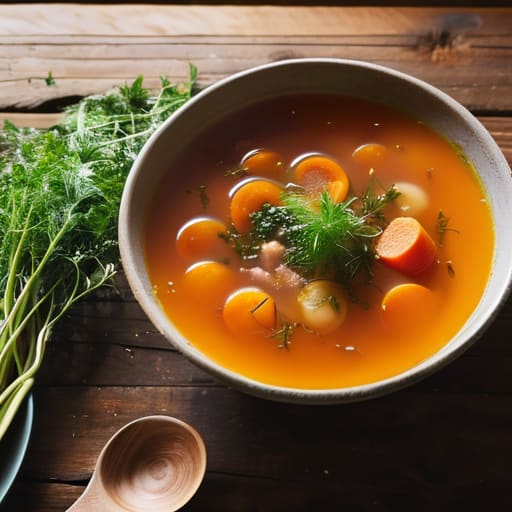
- Prep your aromatics in bulk. Don’t chop a single onion just because a recipe calls for it; chop three or four on a Sunday, freeze them in small portions, and you’ve just eliminated the most annoying part of the weekday prep.
- Sauté your vegetables first to build a foundation. If you just toss everything into boiling liquid, you’re getting boiled vegetables, not soup. Getting that initial sear in the pot develops the depth of flavor that makes the difference between “sad liquid” and a real meal.
- Use the “Acid Finish” trick. If your soup tastes flat or “heavy” even after adding salt, it usually needs acid, not more seasoning. A quick squeeze of lemon or a teaspoon of apple cider vinegar right before serving brightens everything up instantly.
- Don’t fear the freezer. If you realize you’ve made too much, don’t let it sit in the fridge until it becomes a science project. Portion it into airtight containers immediately; soup freezes beautifully and saves you from the “what’s for dinner” panic on a Tuesday night.
- Layer your seasoning. Salt early, salt often, but don’t go overboard until the very end. As the liquid reduces, the salt concentration increases, so if you season perfectly at the start, you’ll likely end up with a salt bomb by the time it’s finished.
The Philosophy of the Pot
“Good soup isn’t about following a rigid recipe to the letter; it’s about building a reliable system of flavors that you can tweak on the fly when you’re tired, hungry, and just need something that works.”
Nathaniel 'Nate' Brooks
Streamlining Your Soup Strategy
At the end of the day, making great soup isn’t about following a rigid, complicated recipe; it’s about understanding the underlying system. We’ve covered how to select a solid base, the nuances between stock and broth, and how to layer your ingredients to build depth without spending five hours at the stove. Once you grasp the logic of how flavors interact and how to choose your components efficiently, you stop being a slave to the cookbook. You start making informed decisions based on what’s in your pantry and how much time you actually have on a Tuesday night. It’s about minimizing the guesswork so you can get to the part that actually matters: eating something real.
Don’t let the idea of “cooking from scratch” intimidate you into reaching for a can of processed sodium every time you’re tired. Perfection is the enemy of progress, and in my experience, a slightly imperfect homemade soup is infinitely better for your body and your wallet than a mediocre store-bought version. Start small, use the systems we discussed, and let the process become a part of your routine rather than a chore on your to-do list. You aren’t just making a meal; you’re optimizing your fuel for the days ahead. Now, go get a pot on the stove and see what you can build.
Frequently Asked Questions
Can I prep the ingredients ahead of time without them getting soggy?
You absolutely can, but you have to be smart about it. If you toss everything into one container, you’re asking for a soggy mess. My rule of thumb: keep your aromatics—onions, carrots, celery—in one airtight container, and keep your harder veggies or proteins separate. If you’re prepping greens like spinach, wait until the very last minute. Think of it like modular systems: keep the components independent until you’re ready to integrate them.
How do I fix a soup that turned out way too salty or watery?
If your soup is a salt bomb, don’t panic. Don’t just add water—that’s a recipe for blandness. Instead, try adding an acid like lemon juice or a splash of vinegar to cut through the salt, or toss in a peeled, halved potato to absorb some of it. If it’s too watery, you need reduction. Simmer it uncovered to concentrate the flavors, or stir in a bit of heavy cream or a cornstarch slurry to give it some actual body.
What’s the best way to freeze homemade soup so it actually tastes good when I reheat it?
Freeze it in small, single-serving portions—don’t commit to a massive tub you’ll struggle to defrost. Use airtight, freezer-safe containers, leaving about an inch of headspace because liquids expand as they freeze. If you’re making something creamy, skip the dairy before freezing; add it fresh when you reheat. For everything else, let the soup cool completely first. It’s a simple step that prevents ice crystals from ruining the texture.
Do I really need to sauté my vegetables first, or can I just throw everything in the pot?
Look, if you’re in a massive rush, you can just dump everything in, but you’re sacrificing depth of flavor for speed. Sautéing isn’t just a culinary ritual; it’s about building a foundation. When you hit those aromatics—onions, carrots, celery—in a bit of fat, you’re triggering the Maillard reaction. It creates a complexity that boiling alone can’t touch. If you want a soup that actually tastes like a meal rather than just flavored water, take the five minutes to sauté.