I’ve spent way too many Tuesday nights staring at a takeout menu, convinced that the only way to get a decent meal was to pay a $15 delivery fee and wait forty minutes for something that arrives lukewarm. Most recipe blogs make it seem like you need a specialized carbon steel wok and a pantry full of exotic oils just to learn how to make a stir fry that doesn’t taste like soggy disappointment. Honestly, the idea that you need a culinary degree or a massive grocery budget to nail this dish is a total myth designed to sell more gadgets.
I’m not here to give you a lecture on traditional techniques or suggest you spend your evening prepping twenty different micro-greens. My goal is to show you how to build a reliable, repeatable system in your own kitchen using what you actually have in the fridge. I’m going to walk you through a streamlined approach that focuses on heat management and timing, ensuring you get crispy, flavorful results every single time. We aren’t aiming for a Michelin star here; we’re just aiming to get a high-quality dinner on the table without the usual chaos.
Table of Contents
Mastering Vegetable Prep for Stir Fry Efficiency
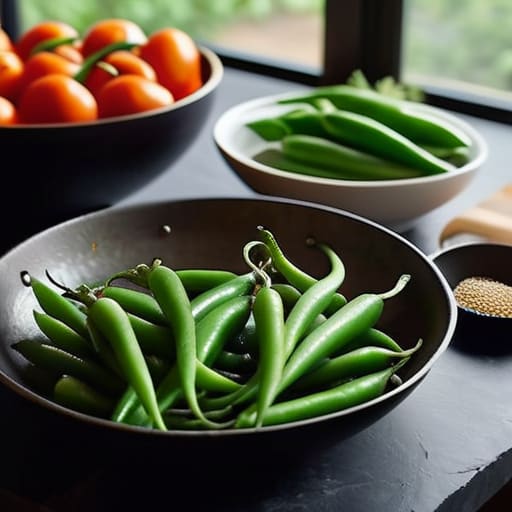
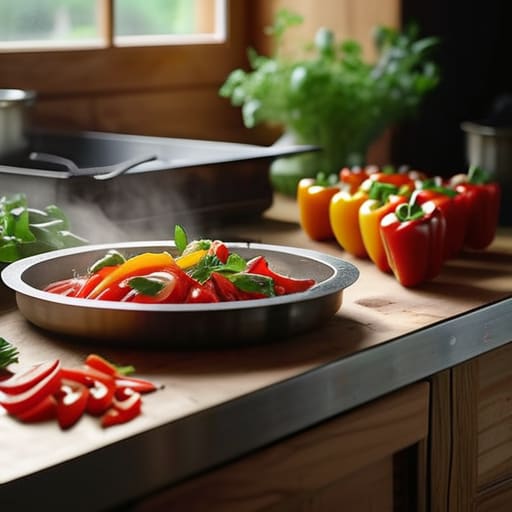
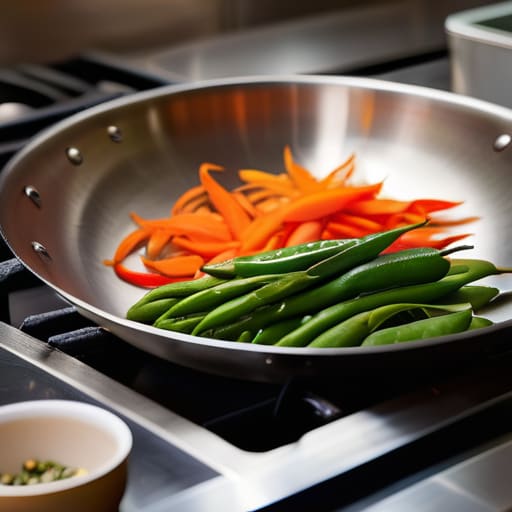
The biggest mistake I see people make is trying to chop veggies while the pan is already smoking. If you wait until the oil is hot to start slicing, you’ve already lost the battle. For me, efficient vegetable prep for stir fry is all about the “mise en place” mindset—having everything in small bowls within arm’s reach before you even touch the stove. If you’re working with denser items like carrots or broccoli, slice them thin or into small florets so they actually cook through in the time it takes to sear your protein.
I also like to group my prep by cook time. Don’t just throw everything in at once; that’s a recipe for mushy disappointment. I separate my “hard” veggies (carrots, bell peppers, snap peas) from my “soft” ones (spinach, bean sprouts, or scallions). This way, you can master those high heat cooking methods without worrying about your delicate greens turning into a dark green sludge. Think of it as a sequence: hard stuff goes in first to take the heat, and the soft stuff gets a quick toss at the very end. It’s a small adjustment, but it’s the difference between a professional-grade meal and a chaotic mess.
Essential Protein Seasoning for Stir Fry Success
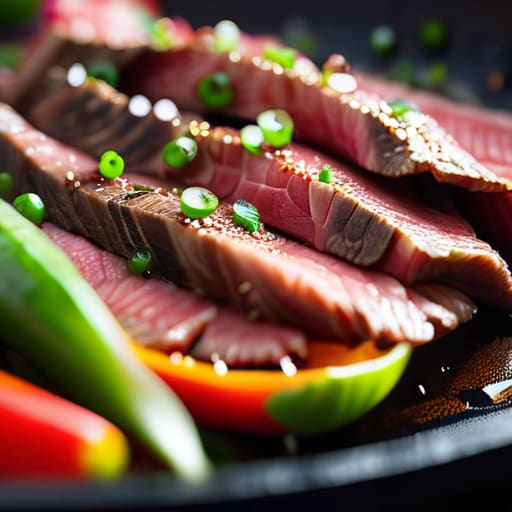
Once your veggies are prepped and waiting, it’s time to focus on the heavy lifter: the protein. I’ve learned the hard way that if you just toss raw, unseasoned meat into a hot pan, you’re essentially wasting your time. You end up with grey, bland chunks that lack character. Instead, treat your protein seasoning for stir fry as the foundation of the entire dish. Whether you’re working with thinly sliced flank steak, chicken thighs, or even firm tofu, I like to keep things simple. A quick toss in soy sauce, a dash of toasted sesame oil, and a pinch of cornstarch is my go-to move. That cornstarch is the real secret weapon; it creates a slight barrier that helps the meat retain moisture and helps your stir fry sauce ingredients cling to the protein later in the process.
Don’t overthink the spice profile, but do be intentional. If you’re aiming for those quick weeknight stir fry meals that actually taste like takeout, don’t skip the aromatics. Rubbing a little grated ginger and garlic directly into the meat before it hits the heat ensures the flavor is baked in, not just sitting on the surface. This step is non-negotiable if you want to avoid that “boiled meat” texture. Get it seasoned, let it sit for just five minutes, and you’re ready to go.
The Workflow: 5 Rules to Keep Your Kitchen from Turning into Chaos
- Prep everything before you touch the heat. I learned this the hard way during a late-night hunger spike: if you’re chopping onions while your garlic is already burning in the pan, you’ve already lost. Get your sauces, proteins, and veggies into small bowls first. Think of it like staging a deployment—you don’t push code until the environment is ready.
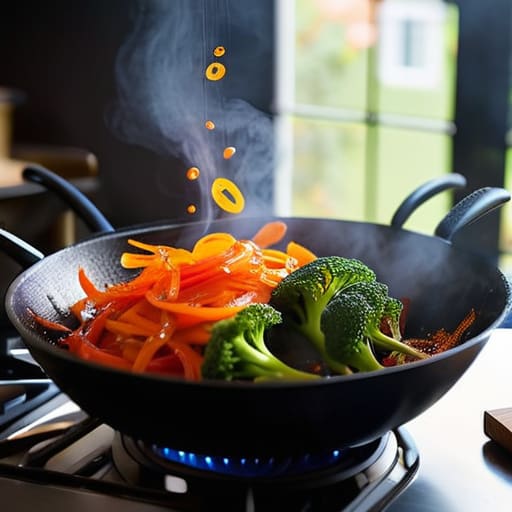
- Control your heat, but don’t be afraid to crank it. Stir fry is all about high heat and fast movement. If your pan looks dry or your ingredients start steaming instead of searing, you’re likely crowding the pan. Work in batches if you have to; it’s better to cook twice than to end up with a soggy, lukewarm mess.
- Sequence your ingredients by cook time. Don’t just throw everything in at once. Start with the densest stuff—carrots, broccoli, or peppers—and let them get a head start. Add the softer greens and aromatics like ginger and garlic toward the end so they don’t turn into bitter mush. It’s all about managing the timeline.
- The sauce is your system’s glue. Don’t just pour liquid into a hot pan and hope for the best. Mix your soy sauce, sesame oil, and cornstarch in a small ramekin beforehand. Adding a slurry ensures the sauce thickens instantly and coats everything evenly, rather than pooling at the bottom like a watery disaster.
- Keep the momentum going with “active” cooking. A stir fry isn’t a “set it and forget it” meal. You need to be moving—tossing the pan, stirring the contents, and adjusting the heat. If you step away to check an email or grab a drink, you’re going to find burnt bits at the bottom of your wok. Stay present.
The Philosophy of the Wok
“A great stir fry isn’t about following a rigid recipe; it’s about managing heat and timing so you aren’t fighting your ingredients. If you control the prep and respect the temperature, the meal practically cooks itself.”
Nathaniel 'Nate' Brooks
Streamlining Your Final Result
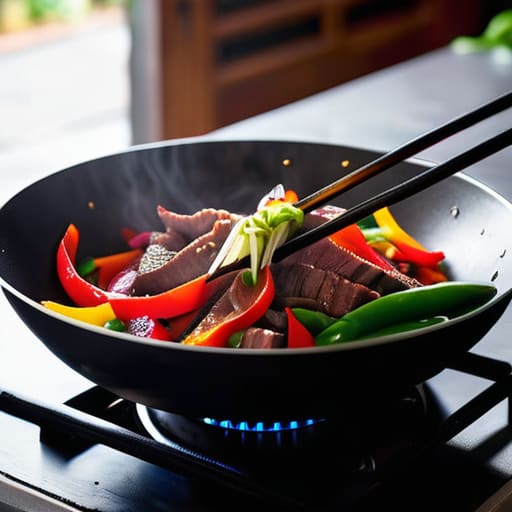
At the end of the day, a great stir fry isn’t about following a rigid, complicated recipe; it’s about managing the workflow. Once you’ve mastered the prep work, seasoned your proteins to pull out every bit of flavor, and organized your sauce components, the actual cooking part becomes a breeze. You aren’t fighting the heat or scrambling for ingredients mid-sear because you’ve already done the heavy lifting. By focusing on systematic preparation and high-heat execution, you turn what used to be a messy, stressful kitchen ordeal into a repeatable, efficient process that delivers a high-quality meal every single time.
My goal isn’t to turn you into a professional chef, but to help you stop wrestling with your dinner. Cooking should be a way to fuel your life, not a source of unnecessary friction that leaves you exhausted before you’ve even sat down to eat. Use these systems to reclaim your time and your evenings. Don’t worry about making it look like a Michelin-star plate—just focus on getting the flavors right and the timing tight. Once you get the rhythm down, you’ll realize that better systems lead to much better meals, with significantly less stress. Now, get in there and get cooking.
Frequently Asked Questions
What’s the best way to keep the sauce from turning into a watery mess?
The secret is all in the starch and the timing. Most people dump the sauce in too early, which just boils the ingredients. Instead, mix a teaspoon of cornstarch into your cold sauce before it hits the pan. Once your veggies and protein are cooked, pour the mixture in and let it bubble for thirty seconds. That’s when the magic happens—the sauce thickens into a glossy coating that actually sticks to your food instead of pooling at the bottom.
Can I use frozen vegetables, or will they ruin the texture?
Look, I’m all about efficiency, so I get the temptation to reach for the frozen bag. You can use them, but don’t treat them like fresh produce. If you toss them straight into the wok, they’ll release a ton of moisture and you’ll end up steaming your dinner instead of searing it. My rule of thumb? Thaw them first and pat them bone-dry with a paper towel. It’s an extra step, but it saves the texture.
How do I know when the pan is actually hot enough to start searing?
Look, there’s nothing more frustrating than dumping ingredients into a lukewarm pan and watching them steam instead of sear. To know you’re ready, use the water droplet test. Flick a few drops of water into the pan; if they sit there, keep waiting. If they dance and skitter around like beads on a hot plate, you’ve hit the sweet spot. That’s your signal to move—get that protein in before the heat escapes.
Is there a specific order I should add ingredients so nothing gets overcooked?
Think of it like a workflow: you want to move from the densest, slowest-cooking items to the most delicate. Start with your aromatics like garlic and ginger—just enough to scent the oil. Next, toss in your hard veggies (carrots, broccoli). Once they’ve lost that raw crunch, add the softer stuff (peppers, snap peas). Save the leafy greens and any pre-cooked proteins for the very last minute. It keeps everything textured instead of turning into a mushy mess.