I spent most of my early twenties eating rubbery, overcooked breakfast sandwiches because I thought “how to cook eggs” required some sort of culinary degree or a $200 non-stick pan. I used to stand in my cramped apartment kitchen, staring at a pan of sulfurous, greyish mess, wondering why the recipes online made it sound like I was performing open-heart surgery. It’s frustrating how much we overcomplicate the simplest things, turning a five-minute task into a source of morning anxiety instead of a quick win for the day.
I’m not here to give you a lecture on French omelet techniques or tell you that you need organic, pasture-raised eggs from a specific farm to succeed. My goal is much simpler: I want to help you build a reliable system for your breakfast. I’m going to break down the fundamental mechanics of heat and timing so you can get consistent results every single time without the wasted effort. We aren’t aiming for Michelin stars here; we’re just aiming to stop the daily friction of a mediocre breakfast.
Table of Contents
The Best Ways to Prepare Eggs Without the Chaos
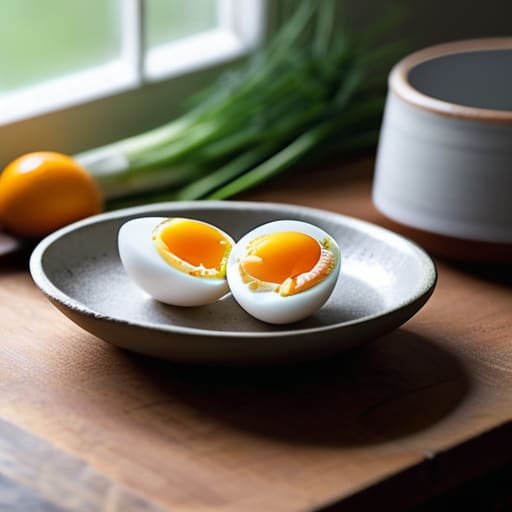
Look, I’m not here to give you a culinary lecture; I just want to help you stop making breakfast a chore. If you’re looking for the best ways to prepare eggs without turning your kitchen into a disaster zone, start by picking a method that actually fits your morning flow. If you’re someone who thrives on a strict schedule, mastering a boiled egg timing guide is a game changer. You can prep a batch on Sunday, toss them in the fridge, and eliminate the “what am I eating?” mental friction for the rest of the week. It’s all about reducing decision fatigue.
On the flip side, if you have five minutes before a Zoom call, don’t aim for gourmet—aim for consistency. Most people struggle with breakfast because they treat heat as a binary, but it’s really about control. I’ve learned through plenty of burnt pans that the secret to great scrambled egg texture tips usually comes down to low and slow. If you crank the heat to max, you’re just making rubbery yellow sponges. Keep the temperature moderate, pull them off the heat while they still look slightly wet, and let the residual warmth do the rest of the work. It’s a small tweak, but it makes a massive difference.
Simple Egg Cooking Temperatures for Busy People
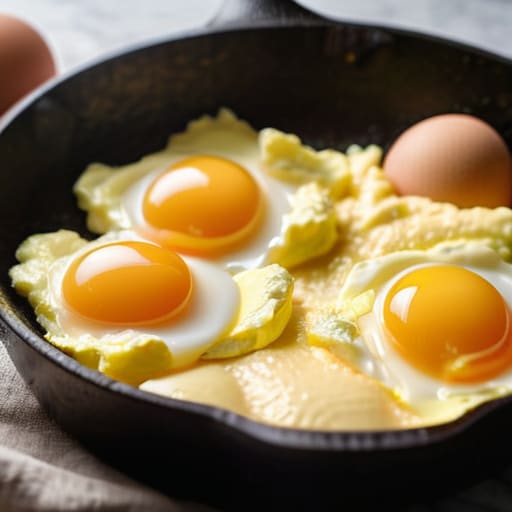
Look, I’m a systems guy, and I’ve learned that most kitchen failures come down to one thing: heat management. If you’re treating your stove like an on/off switch, you’re going to end up with breakfast that’s either burnt or raw. For most easy breakfast egg methods, the secret is working in the middle ground. If you’re going for soft scrambles, keep the heat on medium-low. You want the curds to form gently rather than seizing up into something resembling industrial foam. A few scrambled egg texture tips I’ve picked up over the years: pull them off the heat while they still look slightly wet. The residual heat will finish the job on the plate, saving you from that dreaded rubbery texture.
When you move into boiling territory, stop guessing. I used to just drop them in and hope for the best, but that’s a recipe for frustration. Instead, treat it like a data point: bring your water to a boil, lower the heat to a simmer, drop the eggs in, and then actually use a timer. Whether you want a jammy yolk or a fully set hard boil, having a reliable boiled egg timing guide on your fridge eliminates the mental load. It’s not about being a chef; it’s just about removing the variables so you can get out the door on time.
Small Tweaks for a Better Breakfast
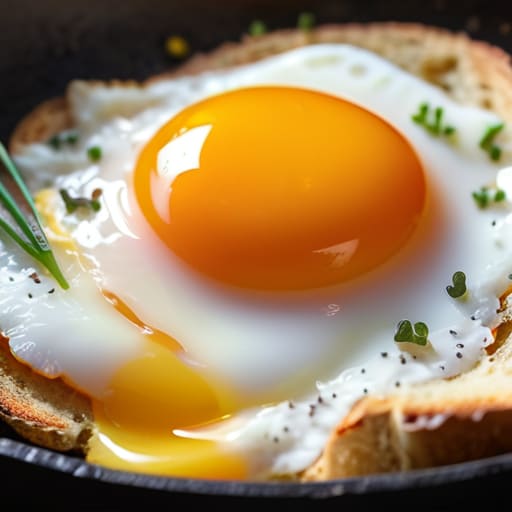
- Invest in a decent non-stick pan. I learned this the hard way during my early twenties when I spent more time scrubbing burnt protein off cheap Teflon than actually eating. A high-quality pan is the difference between a seamless morning and a kitchen sink full of frustration.
- Get your eggs to room temperature if you have the extra two minutes. Cold eggs hitting a hot pan cause the whites to seize up instantly, which is usually when you end up with those weird, rubbery textures I’m always trying to avoid.
- Salt your eggs at the very end. If you’re making scrambled eggs, salting them too early can draw out moisture and make them weep in the pan. Wait until they’re almost done to keep them light and fluffy.
- Use a timer, not your gut. We all think we know when an egg is “done,” but precision is what eliminates the guesswork. Whether it’s a soft boil or a sunny-side up, a quick timer ensures you aren’t eating overcooked, sulfurous yolks.
- Keep your tools minimal. You don’t need a specialized egg poacher or a high-tech gadget. A good silicone spatula and a steady hand are all you really need to master the basics without cluttering your drawers.
The Philosophy of the Perfect Egg
“Cooking eggs isn’t some high-stakes culinary performance; it’s just about managing heat and timing so you aren’t fighting your breakfast every single morning.”
Nathaniel 'Nate' Brooks
The Bottom Line
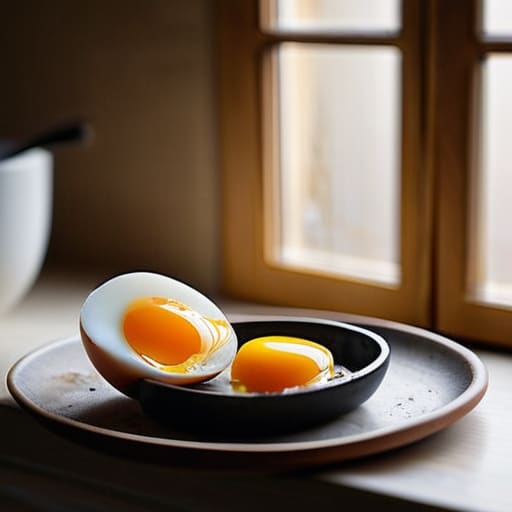
At the end of the day, mastering your morning eggs isn’t about achieving some Michelin-star level of technical perfection; it’s about reducing the friction of your breakfast routine. We’ve covered the basics: finding the right heat settings to avoid that rubbery texture, choosing the method that fits your current energy level, and keeping your tools simple. Whether you’re opting for a quick scramble when you’re running late or a slow-cooked soft boil on a weekend morning, the goal is to have a reliable system. Once you stop fighting the pan and start respecting the temperature, you stop viewing breakfast as a chore and start seeing it as a quick, efficient win for your day.
I know that when you’re staring at a busy calendar, a single egg might seem like a trivial thing to optimize. But I’ve learned through plenty of burnt toast and wasted groceries that it’s these tiny, repeatable wins that build momentum. When you nail the small things, you create a sense of control over your environment. Don’t get hung up on making every single meal a masterpiece. Just aim for a little more consistency and a little less chaos. Get your eggs right, get your system running, and then go focus on what actually matters.
Frequently Asked Questions
What’s the best way to keep my eggs from sticking to the pan if I'm not using a ton of butter?
Look, I get it. I’m not a fan of heavy grease any more than you are—it just feels messy and unnecessary. If you want to skip the butter bomb, your best bet is a high-quality non-stick pan, but even then, you need to prep it right. Give the pan a quick wipe with a tiny bit of neutral oil (like avocado) first. It creates a thin, even barrier that prevents the proteins from bonding to the surface.
How do I actually time my eggs so the yolk stays runny but the whites aren't snotty?
The secret is the timer, not your intuition. If you’re doing soft-boiled, aim for exactly 6 and a half minutes once the water hits a boil, then immediately hit them with an ice bath. That stops the cooking process dead so the yolk stays liquid. If you’re poaching, use a slotted spoon to lift them out after about three minutes. It’s all about that immediate temperature shock to prevent the “snotty” texture.
Is there a way to prep these ahead of time for a busy work week without them getting rubbery?
Look, I get it. If you’re prepping for a Monday-to-Friday sprint, the last thing you want is a fridge full of rubbery, sulfurous egg pucks. My rule of thumb? Avoid the microwave reheat. If you’re doing hard-boiled, pull them out of the hot water a minute early so they stay jammy. If you’re prepping scrambles, undercook them slightly. When you reheat them in a pan with a tiny bit of butter, they’ll actually taste fresh.
Which type of pan should I actually invest in for everyday egg cooking?
Look, don’t get caught up in the “perfect kitchen” trap. If you’re doing this every day, get a high-quality non-stick skillet. It’s the path of least resistance. I used to try and make it work with stainless steel because I thought it was more “professional,” but I spent more time scrubbing burnt protein than actually eating. Find a solid, heavy-bottomed non-stick pan—something that distributes heat evenly—and your morning friction just disappears.